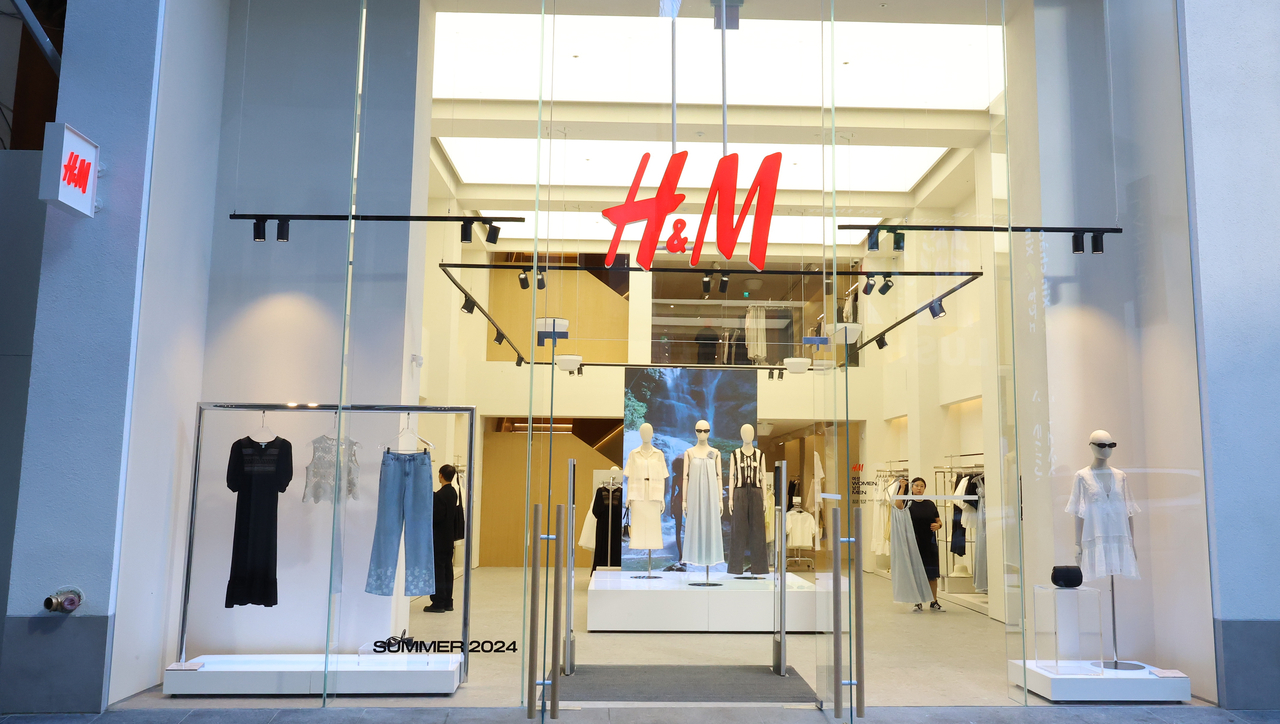
According to the Financial Supervisory Service’s electronic disclosure system on the 10th, H&M’s Korean unit, H&M Hennes & Mauritz, reported ₩377.8 billion (approximately 283.35 million USD) in sales for fiscal 2025 (Dec. 2024–Nov. 2025), up just 1.3% year‑on‑year. That growth rate slowed sharply from the prior year’s 4.7%.
Growth at the top line was lackluster and profitability weakened. Operating profit fell 16.4% to ₩11.8 billion (approximately 8.85 million USD), and net income plunged 38.9% to ₩13.1 billion (approximately 9.83 million USD). Despite the profit drop, the company increased dividends to its headquarters from ₩16.0 billion (approximately 12.00 million USD) in 2024 to ₩18.8 billion (approximately 14.10 million USD) last year, meaning the payout ratio exceeded net income and reached 143%.
Zara has not yet published last year’s consolidated sales, but sources say results were similar to 2024. Zara Retail Korea, which aggregates Zara’s offline sales, posted ₩459.8 billion (approximately 344.85 million USD) in 2024, a 3.5% increase year‑on‑year. Zara has been doubling down on the Korean market—opening the Zacaffé in its Myeongdong store and renovating other locations.
By contrast, Uniqlo continued its strong momentum. For fiscal 2025 (Sept. 2024–Sept. 2025) it reported ₩1,352.3 billion (approximately 1.014 billion USD) in sales, a 27.6% increase from a year earlier. Operating profit jumped 81.6% to ₩270.4 billion (approximately 202.80 million USD).
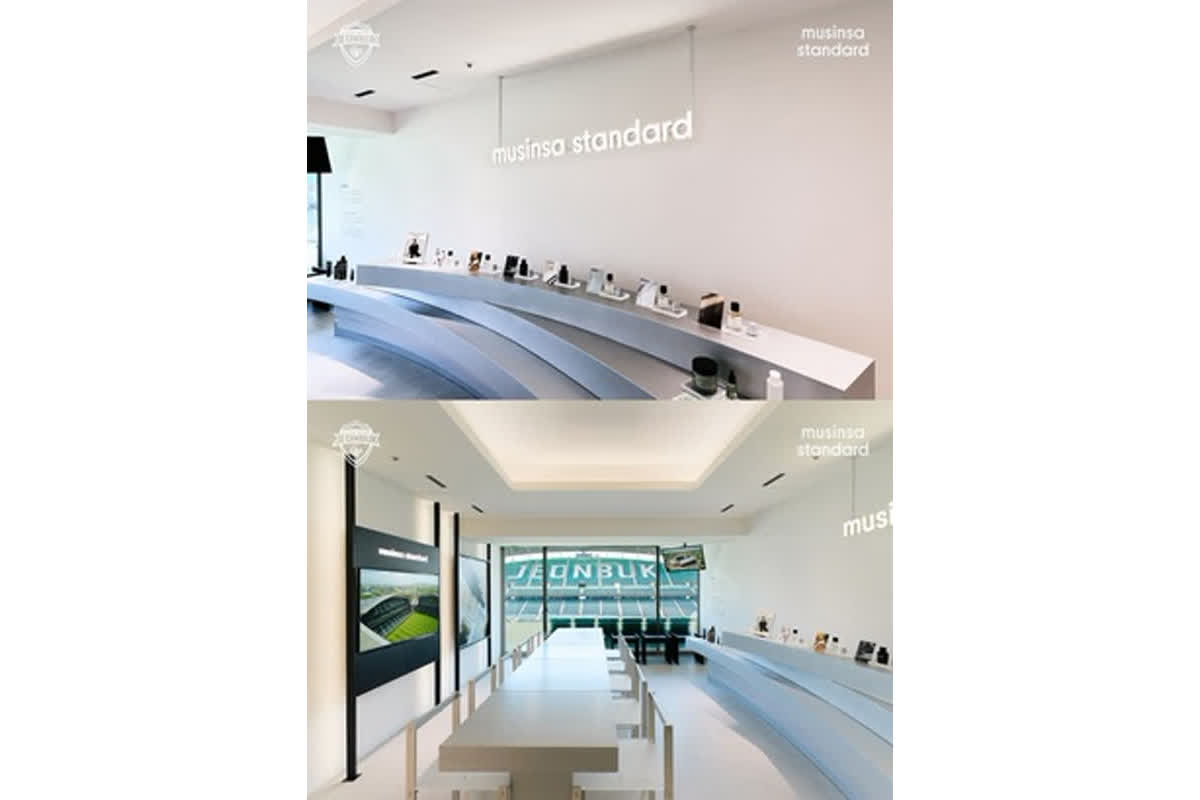
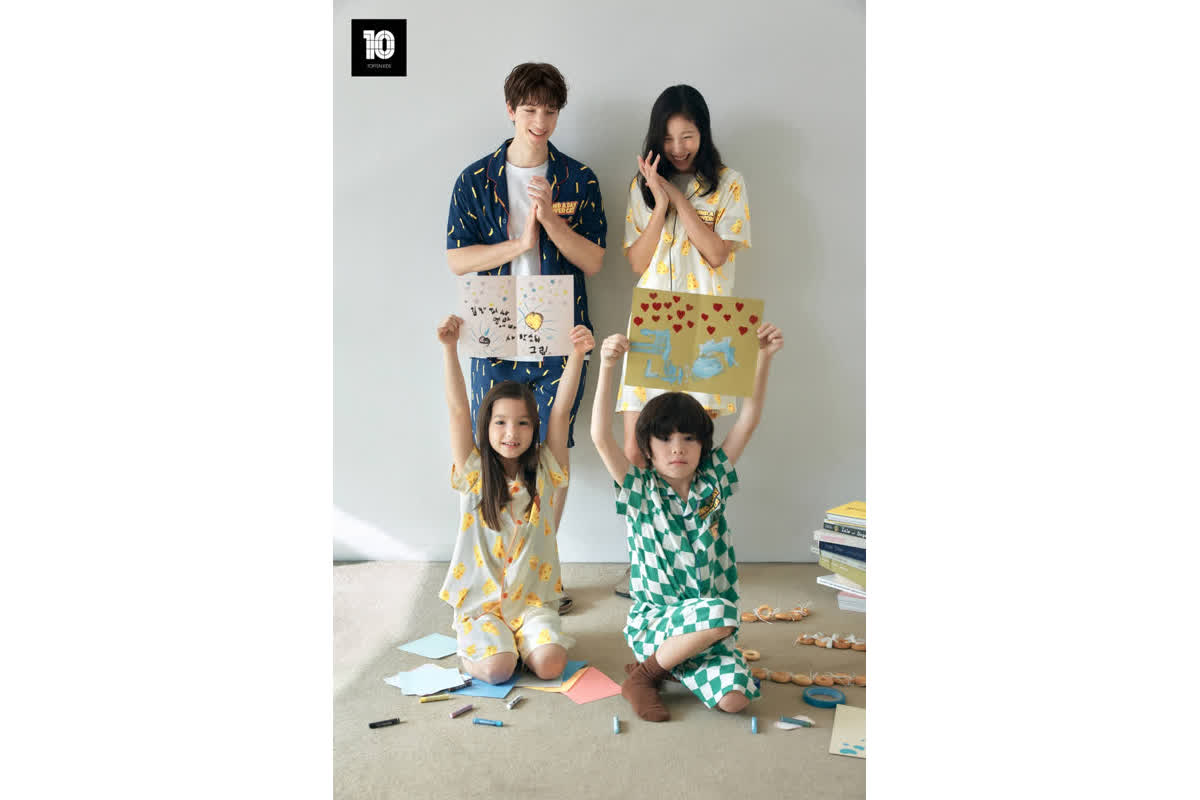
Homegrown SPA brands are hitting back hard. Topten again posted sales in the ₩900 billion range (approximately 675 million USD) last year. Musinsa’s private label, Musinsa Standard, grew more than 40% and neared ₩500 billion (approximately 375 million USD) in sales. Topten recently named actress Jun Ji‑hyun as its new model and has been expanding its athleisure and kids lines. Musinsa Standard has moved beyond Korea into China and set its sights on annual sales of ₩1 trillion (approximately 750 million USD).
Industry insiders say H&M’s and Zara’s relatively weak performance reflects shifting consumer habits in a slowdown. With clothing and footwear spending down 2.4% last year—the first decline in five years—shoppers have gravitated toward simple, unfussy designs that don’t go out of style. Uniqlo’s lineup of versatile basics and high‑profile designer collaborations has drawn shoppers across generations, while other global SPA brands that focus on trendier styles face a narrower target demographic. Reporter Kang Seung‑yeonn