Spending rises as 1990s-born become parents
Adult-focused brands Setter, Lee, and Covernat follow suit
Imis launched its first kids line in February
W Concept-related sales quadrupled in a year
Adult-focused brands Setter, Lee, and Covernat follow suit
Imis launched its first kids line in February
W Concept-related sales quadrupled in a year
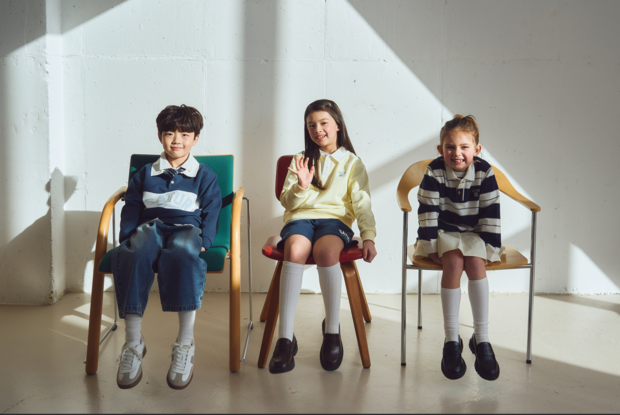
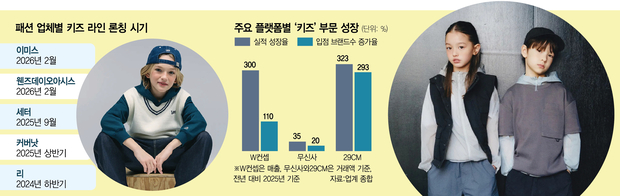
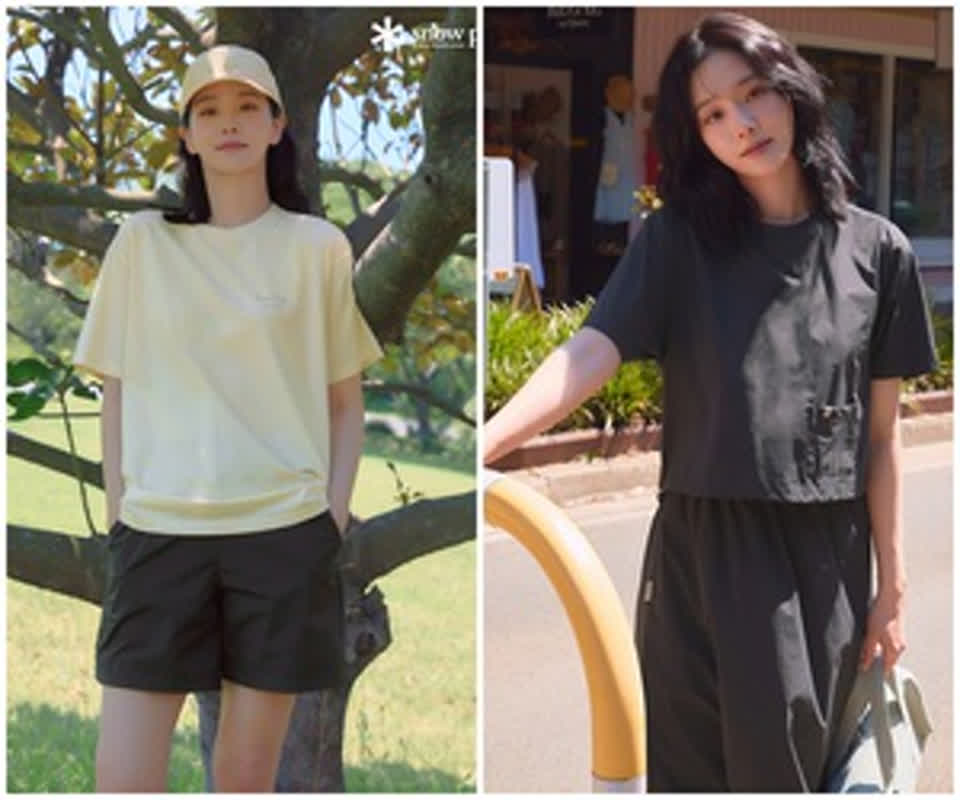
On the 9th, industry sources said Imis launched a kids line at the end of last month, six years after debuting its adult label in 2020. For its first collection, Imis reimagined hallmark adult pieces—like its distinctive-color baseball caps and short-sleeve tees—into kids versions. Lifestyle label Wednesday Oasis also introduced a kids-only lineup, Wednesday Oasis for Kids, last month, adapting adult staples such as the Signature Raglan Sweatshirt and Striped Collar Knit into kid-friendly styles.
Recipe Group’s brand Setter released its first kids line in September of last year. Fashion company BKave launched Lee Kids in 2024, and Covernat turned Covernat Kids into a standalone brand last year.
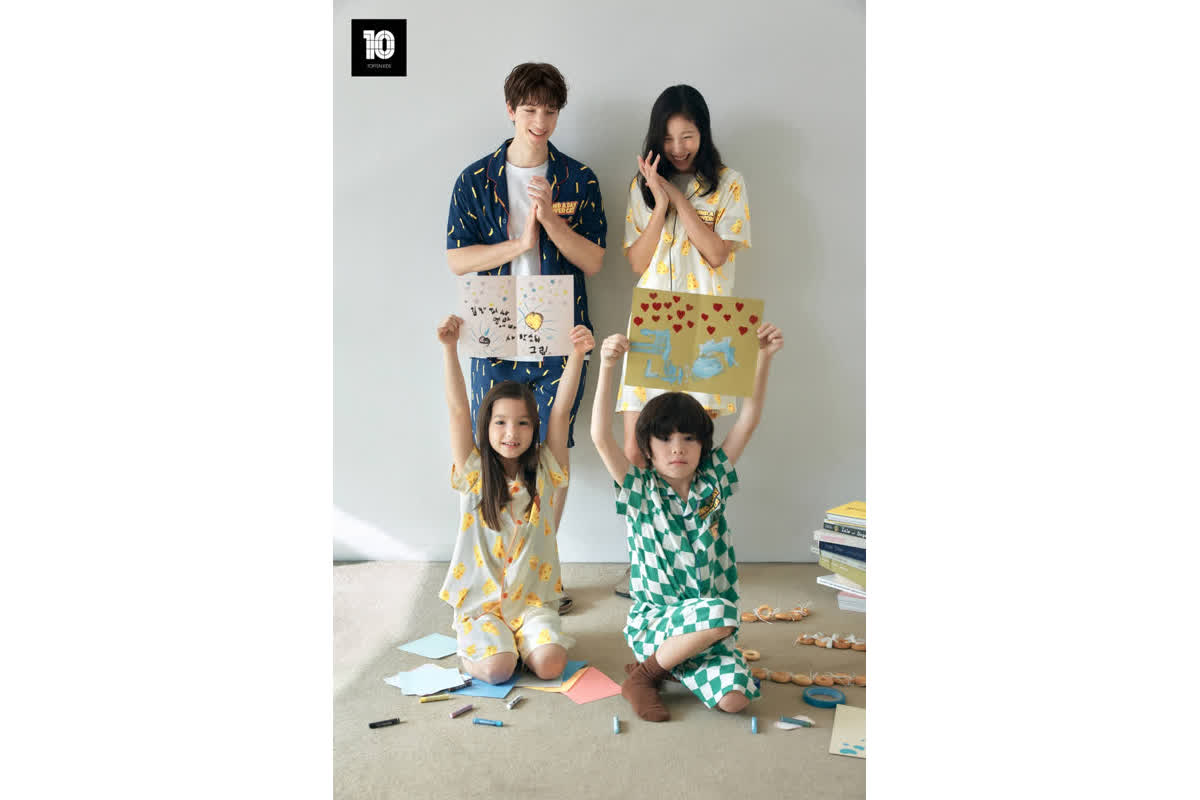
The push into kidswear lines up with the life-stage changes of each brand’s customer base. The 1990s-born “second echo boom” generation—brands’ main audience—has entered parenthood and become a central consumer group in the kids market. Parents born in the ’90s favor different children’s clothing than previous generations: instead of character-driven options, they increasingly choose brand-led fashion that reflects their own tastes and allows coordinated family looks. New kids collections often reinterpret signature adult pieces so parents and children can create seamless family outfits.
An industry insider said the culture of parents and kids coordinating outfits and sharing photos on social media is spreading, and that as this pattern takes hold, more designer labels with strong followings among people in their 20s and 30s are launching kids lines.
The fashion industry sees strong growth potential in the kids market. Despite low birth rates, the trend of parents lavishing spending on a single child—often called the “ten-pocket” trend—can sustain demand. Launching kids lines also lets brands extend loyalty to the family unit: parents try a brand first, then dress their children in the same label, producing natural intergenerational repeat purchases.
Retail platforms are showing rapid growth in kids fashion. Last year, Shinsegae-affiliated fashion platform W Concept saw kids-category sales rise fourfold year-over-year, and the number of brands on the platform more than doubled. W Concept opened a kids specialty section in 2024 under the “Contemporary Kids” concept and is deepening that business.
Musinsa also saw kids apparel transactions grow about 35% year-over-year last year, with the number of partner brands increasing roughly 20%. Musinsa Standard Kids, launched in 2022, recorded an 83% rise in online transactions and a 6.7-fold increase in offline transactions last year. Transactions for Lee Kids on Musinsa surged more than fourfold over the same period. 29CM, Musinsa’s fashion and lifestyle platform, began expanding its kids category in 2024, and last year that category’s transactions jumped more than fourfold.