Onstage, an ajae (a colloquial term for a middle-aged man) will square off against a samchon (uncle). The National Theater Company and the LG Arts Center are each mounting new productions of Anton Chekhov's Uncle Vanya. Though both spring from the same text, they aim for very different tones — a distinction the titles themselves signal.
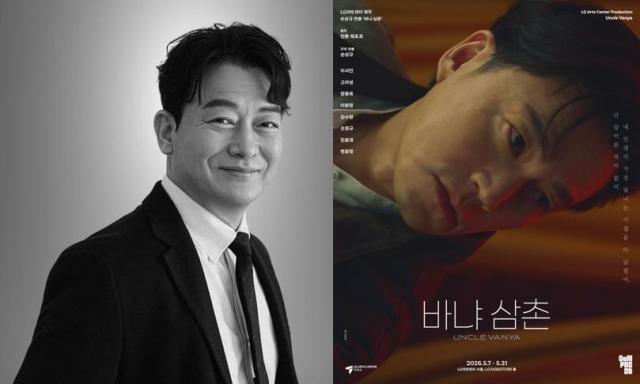
According to theater insiders, the National Theater and LG Arts Center will open 'Ban-ya Ajae' and 'Vanya Samchon,' respectively, in May.
Both productions will play in theaters that seat more than 1,000 — a rare, large-scale showdown in Korean theater. The runs overlap: 'Ban-ya Ajae' runs May 22–31, while 'Vanya Samchon' runs May 7–31, giving audiences the chance to see two similar yet distinct interpretations in the same window.
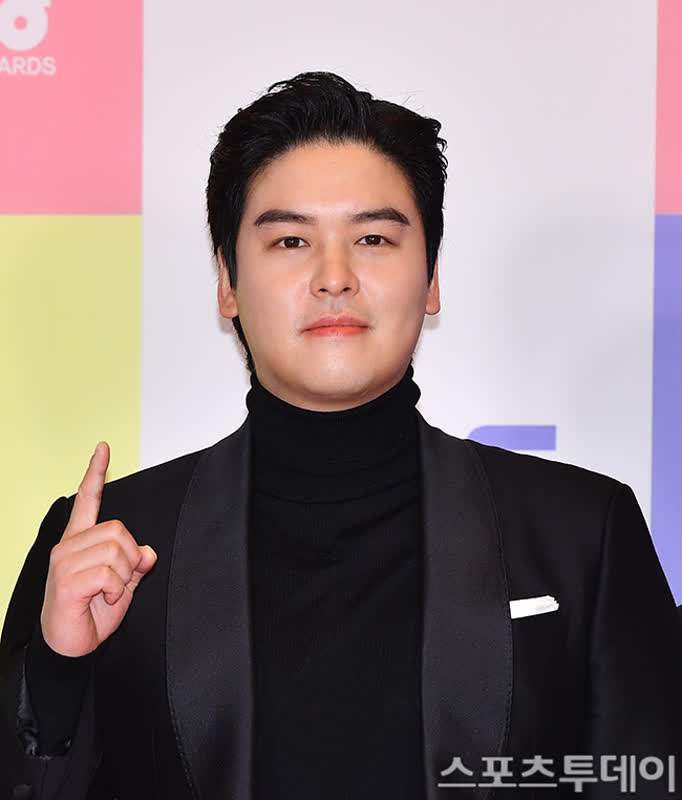
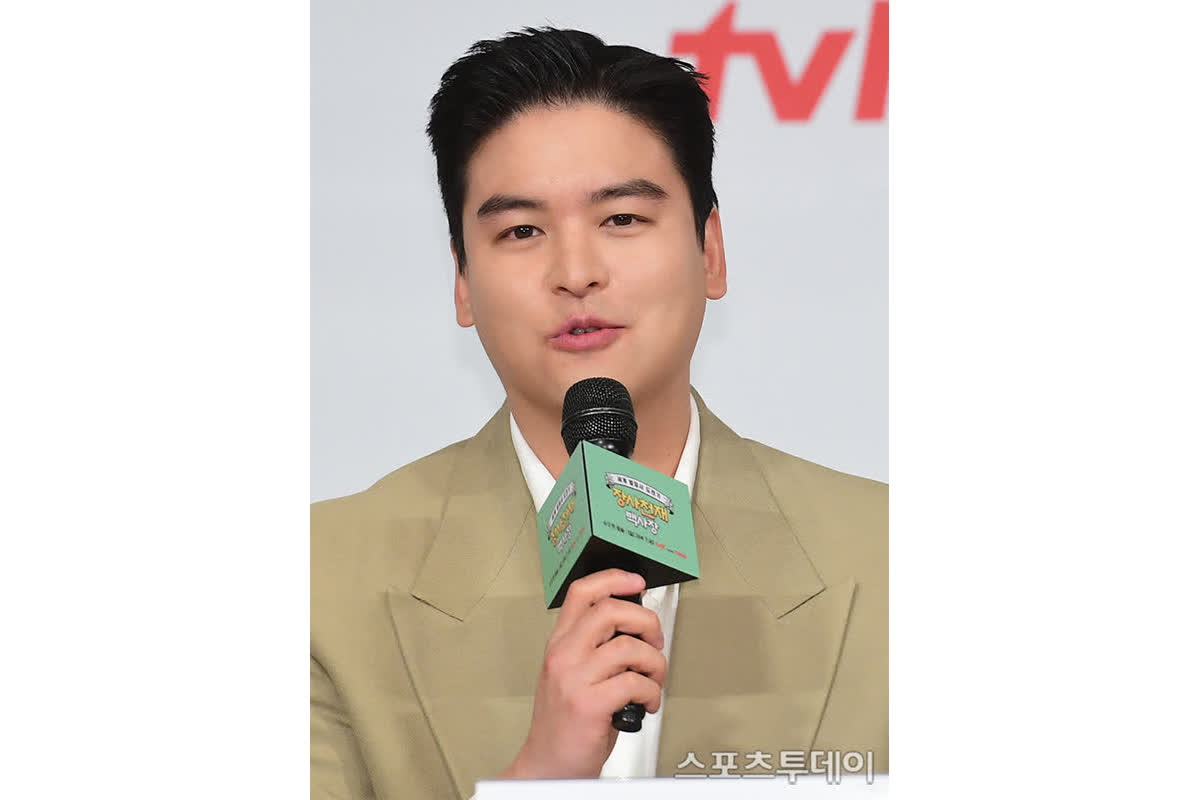
In 'Ban-ya Ajae,' Jo Seong-ha plays Park I-bo (Vanya), with Shim Eun-kyung as Seo Eun-hee (Sonya). In 'Vanya Samchon,' Lee Seo-jin takes the role of Vanya and Go Ah-sung plays Sonya.
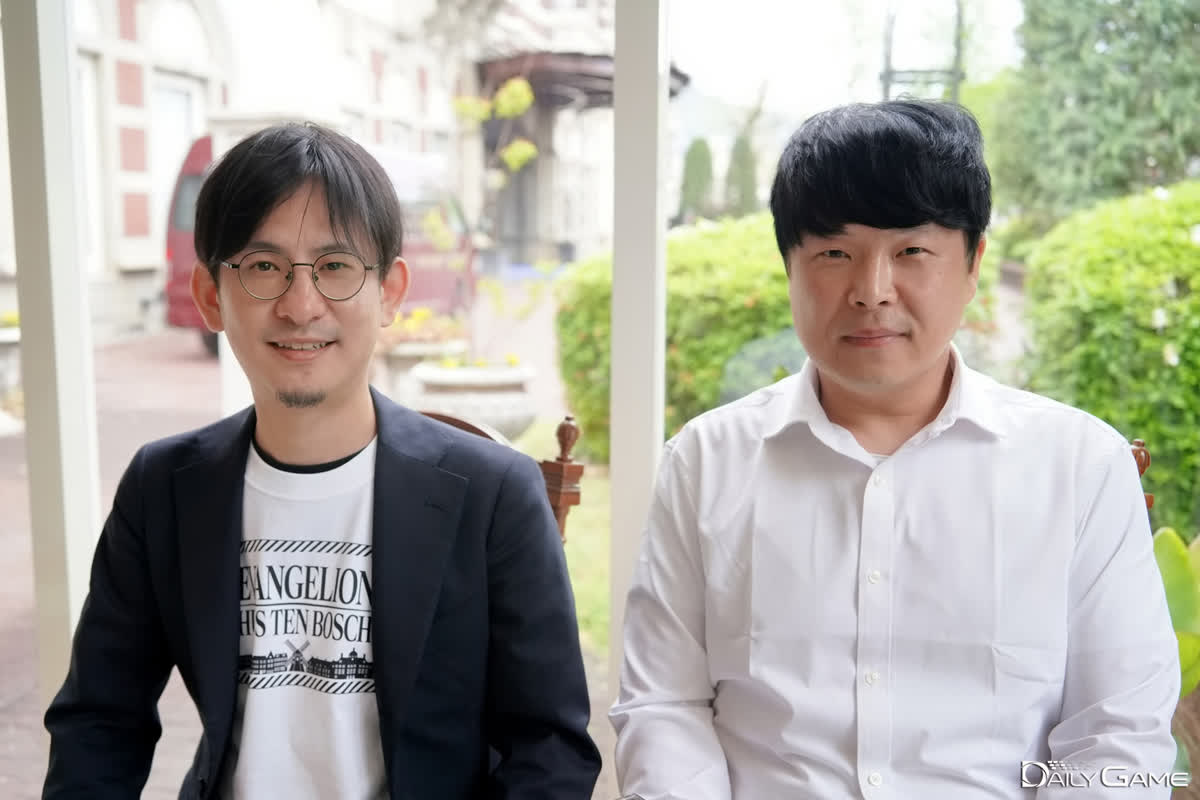
The productions diverge even in how they address the characters — ajae versus samchon — reflecting different directorial perspectives. Each director found a different personal image in Vanya: Jo Gwang-hwa, who directs 'Ban-ya Ajae,' says he sees himself in the part, while Son Sang-gyu, who leads 'Vanya Samchon,' says the role evokes his father. Born in 1965 and 1977 respectively, the directors' generational difference shapes their approaches.
Jo Gwang-hwa built his reputation on works that carry weighty, lofty themes. He once confessed to disliking Chekhov for focusing on ordinary, endearingly flawed people. Over time, though, his view shifted.
Through Vanya, Jo began to recognize the everyday men who populate our neighborhoods — the kind of figures Chekhov renders with such quiet intimacy that their lives read like our own. Wanting audiences to connect without barriers and to find solace in those familiar struggles, Jo foregrounded the term ajae to evoke a specifically Korean sensibility while translating the original play’s emotional core into a local context.
Son Sang-gyu says he saw his father in Vanya: a man who grumbles, quietly shoulders responsibility and ultimately bursts into anger. Son felt Lee Seo-jin’s public persona — someone who grumbles on variety shows but reliably does his duty — suited the role of Vanya.
At a recent press event, Son recalled that his father worked late and retired late, often saying, \"I've never even been on a trip.\" Who are we to judge a life like that, he asked, suggesting that, just as we accept a tree as it is, we might extend similar generosity to people’s lives.
Son places emphasis on the relationship between uncle Vanya and his niece Sonya, and deliberately chose the title samchon rather than the more general ajae. An LG Arts Center representative said the production will stress universality while presenting a contemporary, minimalist mise-en-scène.
Many observers frame the pairing as a contest of experience versus fresh perspective. Jo Gwang-hwa is a seasoned director who moves fluidly between musical theater and straight plays. By contrast, Son Sang-gyu is a rising director who debuted in 2024 with the play The Lives of Others; 'Vanya Samchon' will be his first major theater production.