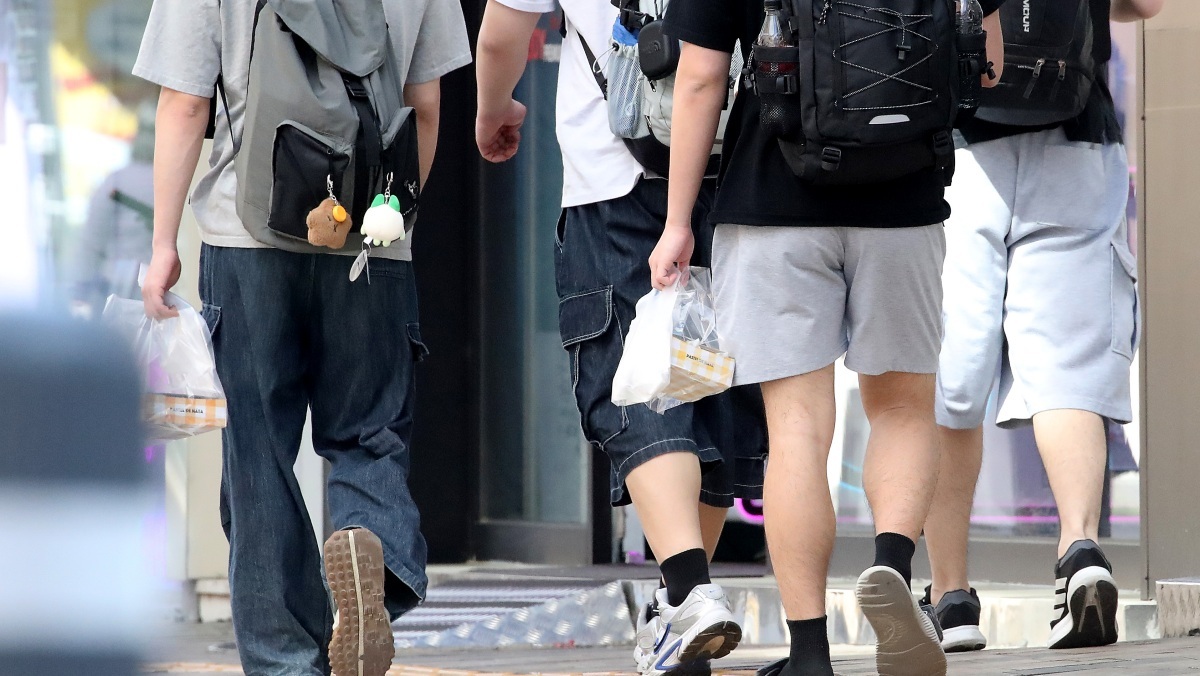
Temperatures are set to surge toward early‑summer levels this weekend, and highways are likely to be crowded with day‑trippers. Clear skies and warm sun will draw people outside, but wide temperature swings between morning and afternoon and heavy traffic could create hazards, so take precautions.
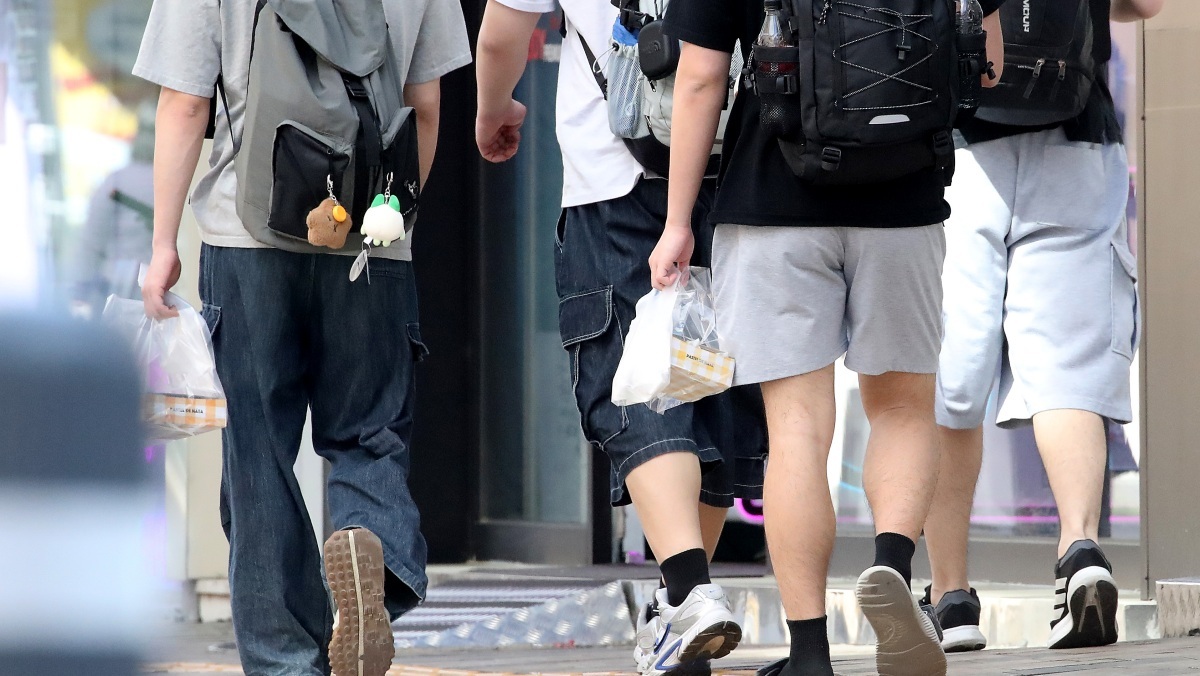
Saturday forecast: early‑summer heat, watch for big day‑to‑night swings
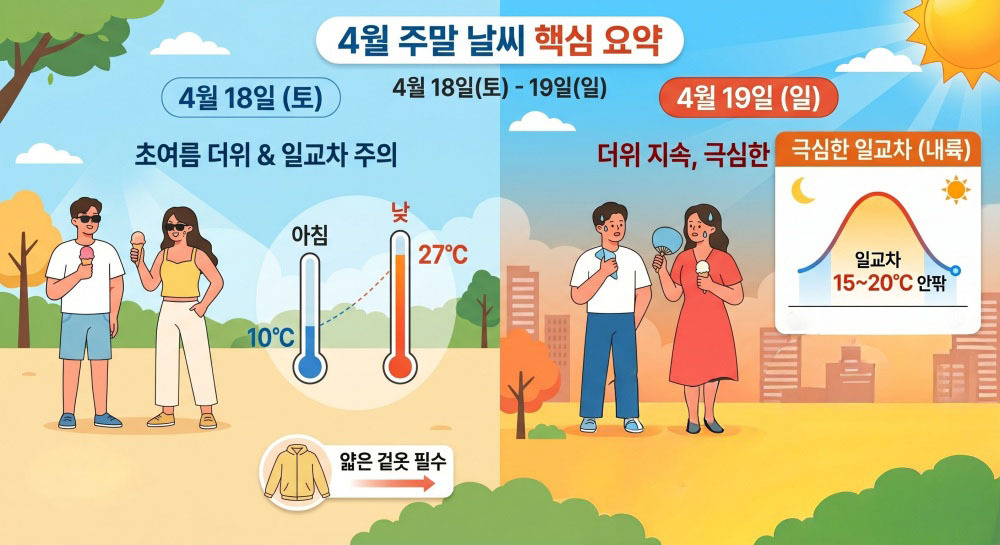
Saturday the 18th will bring a sharp rise in daytime temperatures across the country, with conditions feeling more like early summer. However, mornings and evenings will remain noticeably cooler, so people should pay attention to their health.
Morning lows by region are forecast as: ▲Seoul 10°C (50°F) ▲Incheon 10°C (50°F) ▲Chuncheon 8°C (46°F) ▲Gangneung 11°C (52°F) ▲Daejeon 11°C (52°F) ▲Daegu 13°C (55°F) ▲Jeonju 13°C (55°F) ▲Gwangju 14°C (57°F) ▲Busan 15°C (59°F) ▲Jeju 15°C (59°F).
Afternoon highs are expected to be: ▲Seoul 27°C (81°F) ▲Incheon 24°C (75°F) ▲Chuncheon 26°C (79°F) ▲Gangneung 22°C (72°F) ▲Daejeon 26°C (79°F) ▲Daegu 25°C (77°F) ▲Jeonju 26°C (79°F) ▲Gwangju 25°C (77°F) ▲Busan 20°C (68°F) ▲Jeju 21°C (70°F).
Sky conditions will vary by area. Central regions should remain mostly clear, while parts of the south and Jeju Island will see rain. Rain is expected through dawn in eastern North Jeolla, continue into the morning along South Jeolla’s southern coast and eastern inland areas, and affect southern North Gyeongsang and South Gyeongsang into the morning. Rain on Jeju will begin in the morning and is likely to persist through the 20th.
Wind will be another factor. Gusts could reach about 55 km/h (34 mph) around the southern coast and Jeju and about 70 km/h (44 mph) in mountain areas. The Korea Meteorological Administration warns that thunderstorms with strong gusts are possible over the southern seas and waters around Jeju, so exercise caution if you head out to sea.
Fine dust levels are expected to remain in the “good” to “moderate” range across most regions. Nearshore wave heights will be relatively calm: East and South Sea coastal waters 0.5–1.5 m (1.6–4.9 ft), West Sea coastal waters 0.5–1.0 m (1.6–3.3 ft). Offshore swells are forecast at 0.5–2.0 m (1.6–6.6 ft) in the East and West Seas and 0.5–2.5 m (1.6–8.2 ft) in the South Sea.
Sunday forecast: highs near 29°C — heat continues
Temperatures will climb further on Sunday the 19th, extending the early‑summer warmth. Inland areas will see especially large differences between daytime highs and nighttime lows.
The Korea Meteorological Administration expects morning lows of 11–15°C (52–59°F) and daytime highs of 19–29°C (66–84°F). Inland daytime temperatures will rise above 25°C (77°F), creating diurnal ranges of roughly 15°C (27°F), and some central inland areas could see swings close to 20°C (36°F).
Weekend traffic: jams likely as day‑trippers head out
With warmer weather and clear skies forecast for Saturday, more people are expected to take day trips, increasing highway traffic nationwide.
The Korea Expressway Corporation projects about 5.7 million vehicles on highways that day. Roughly 450,000 cars are expected to leave the Seoul metropolitan area for other regions, while about 480,000 will travel toward the capital from the provinces.
Roads headed away from the capital will be most congested around 11 a.m. The Gyeongbu and Seohaean routes could slow significantly. Congestion that begins around 6–7 a.m. should peak between 11 a.m. and noon and ease by roughly 6–7 p.m.
Traffic returning to Seoul is likely to build from 9–10 a.m., peak around 5–6 p.m., and clear by about 10–11 p.m.
As of 10 a.m., estimated travel times from Seoul to major cities are: ▲Busan 5 hr 20 min ▲Ulsan 5 hr ▲Gangneung 3 hr ▲Yangyang 2 hr 15 min (from Namyangju) ▲Daejeon 2 hr 50 min ▲Gwangju 4 hr 40 min ▲Mokpo 5 hr 20 min (from West Seoul) ▲Daegu 4 hr 20 min.
From the provinces to Seoul, expected travel times are: ▲Busan 5 hr ▲Ulsan 4 hr 40 min ▲Gangneung 2 hr 40 min ▲Yangyang 1 hr 50 min (to Namyangju) ▲Daejeon 1 hr 50 min ▲Gwangju 3 hr 20 min ▲Mokpo 3 hr 48 min (to West Seoul) ▲Daegu 4 hr.
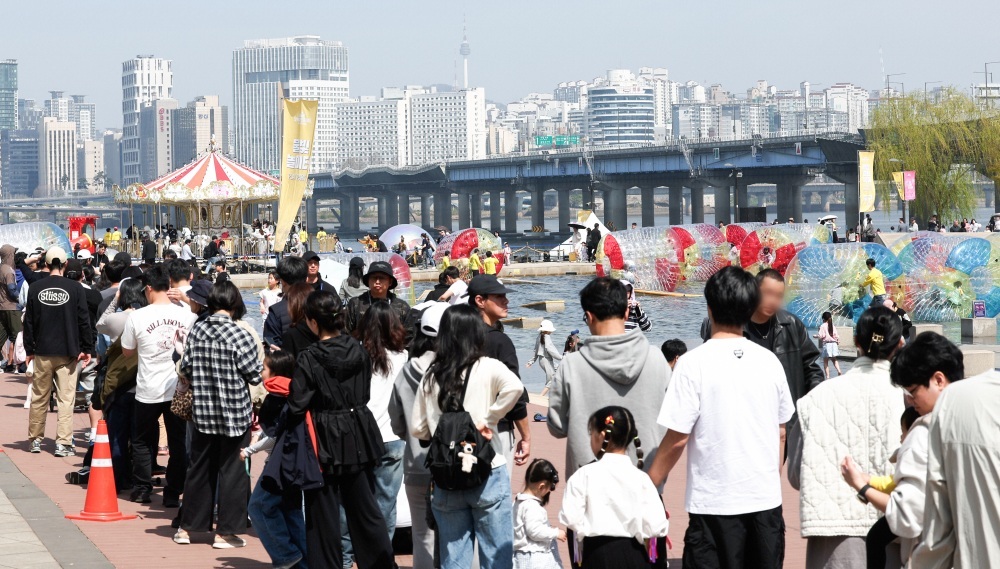
How to dress and stay healthy when temperatures swing
The weekend’s biggest concern is the large day‑to‑night temperature range. Warm afternoons may make short sleeves feel comfortable, but mornings and nights will be noticeably cooler. Those swings can weaken immunity and increase fatigue, so take precautions. When the diurnal range exceeds 15°C (27°F), the body’s temperature regulation can be strained, raising the risk of worsening respiratory conditions such as colds, rhinitis, and bronchitis.
Layering is the most effective approach. Wear several thin layers so you can add or remove clothing as temperatures change. Bring a windbreaker, cardigan, or light jacket for mornings and evenings and shed layers during the day. On the southern coast and Jeju, strong winds can make it feel colder, so a wind‑blocking outer layer is advisable.

Choose breathable fabrics. Cotton or moisture‑wicking performance materials help reduce discomfort from daytime sweating. Because maintaining warmth in the morning and evening is important, pack thin insulating layers as well.
Sunscreen is easy to overlook. The spring sun may not feel strong, but UV levels are rising. Reapply sunscreen every 2–3 hours during prolonged outdoor activity and use hats or sunglasses to protect your skin.
For general health, stay hydrated and keep a regular routine. Higher temperatures can deplete body fluids quickly, so drink water often, even before you feel thirsty. Be cautious with caffeinated or sugary drinks: they can relieve thirst briefly but may increase fluid loss overall.
Sleep quality matters, too. Cooler nights can lower body temperature and disrupt sleep, so use a light blanket or keep indoor temperatures steady. Ventilate rooms to circulate air, but avoid direct exposure to cold drafts while sleeping.
Safety checklist for outdoor activities and outings
With more people likely to visit parks, mountains, and coasts under clear skies and warmer weather, follow basic safety rules.
If you plan a long trip, check traffic conditions before you leave and avoid expected peak congestion times. Since congestion is likely to worsen between 11 a.m. and noon, try to avoid that window or allow extra time in your schedule.
To prevent traffic accidents, stop at service areas every two hours during long drives for stretching, and rest immediately if you feel drowsy. Regularly ventilating the vehicle can also help maintain alertness.
Bring extra layers for outdoor activities to handle temperature swings, and rest in the shade during the hottest hours. For hikes or long walks, carry enough water to prevent dehydration and pack small snacks to replenish energy.