|
According to industry sources on the 22nd, Musinsa has stepped up preparations for an initial public offering and is targeting a KOSPI listing as early as the second half of this year. The company posted just 10 billion KRW (about $7.5 million) in transaction volume in 2013, surpassed 1 trillion KRW (about $750 million) in 2020, and topped 5 trillion KRW (about $3.75 billion) last year, maintaining a steep growth trajectory. Musinsa has evolved from a simple online shop into a full-fledged fashion platform that blends brands, content, and distribution. As the platform expanded, so did its market value: it reached unicorn status at 2 trillion KRW (about $1.5 billion) in 2019, climbed to roughly 4 trillion KRW (about $3.0 billion) by 2023, and now trades on the private market at around 5 trillion KRW (about $3.75 billion).
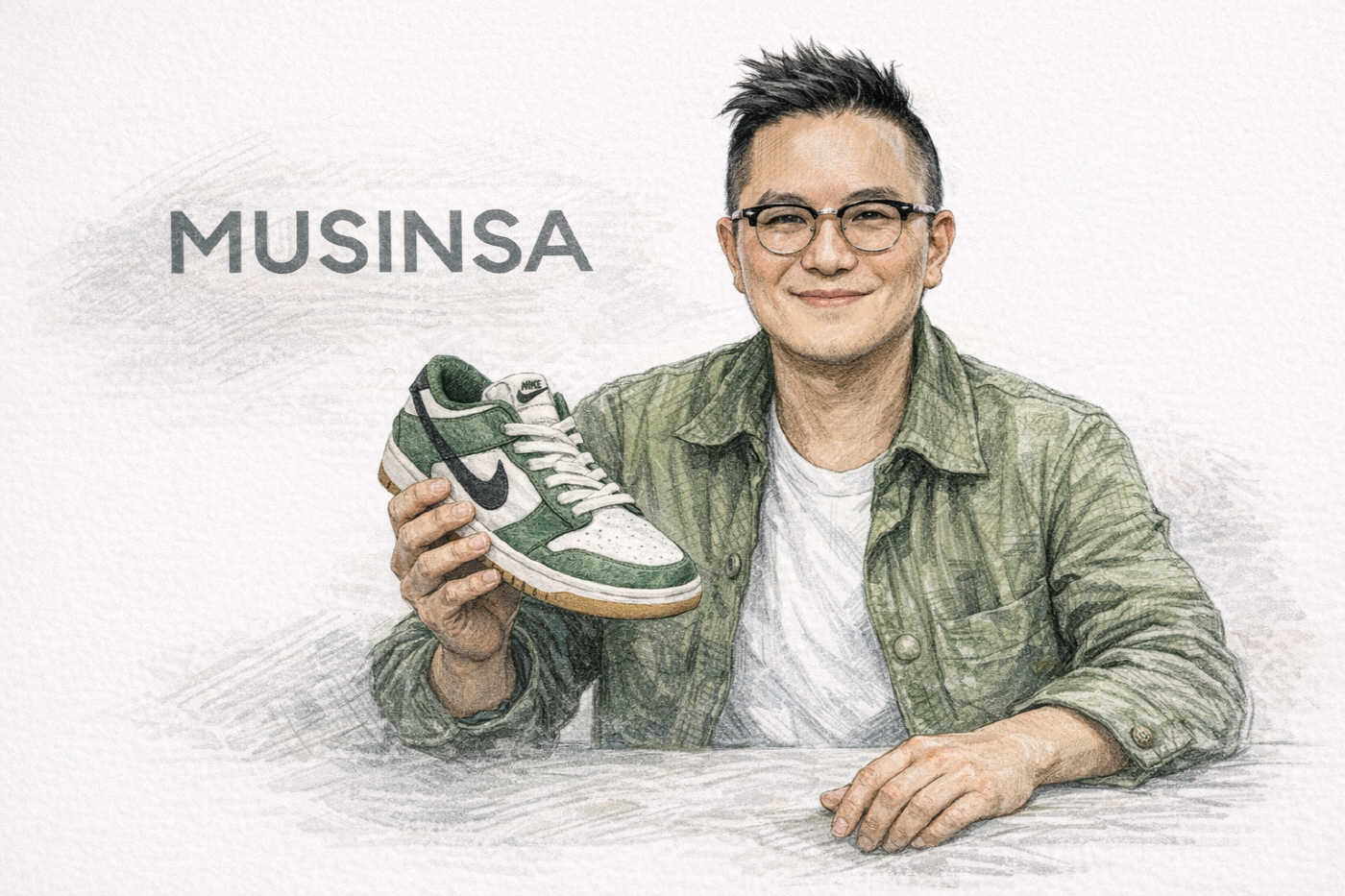
Jo stands apart from typical e-commerce CEOs. Rather than coming from business or marketing, he studied fashion and has firsthand experience across product planning, manufacturing, and distribution. When he took on the CDeO (Chief Detail Officer) role in last year’s reorganization, it was a clear signal: he wants to personally steward the brand’s aesthetic and craftsmanship.
Musinsa’s competitive edge is built on a culture of mutual growth. The company’s early cash struggles translated into programs designed to help emerging designers. Since 2015, its interest-free production financing program has provided more than 400 billion KRW (about $300 million) in cumulative support, helping many partner brands scale to annual sales north of 10 billion KRW (about $7.5 million). Industry observers credit Musinsa with operating as more than a distribution channel — it’s become a K-fashion incubator.
As the IPO approaches, Jo’s gaze is global. One telling moment: he met with the president of the United Arab Emirates wearing the company’s own label, Musinsa Standard, and carried a Musinsa shopping bag — a small, powerful statement about brand confidence. Musinsa is expanding its footprint beyond Japan and China into Southeast Asia as it pushes to become a global fashion platform.