Hydrogen vehicles, long eclipsed in the passenger market by the rise of battery-electric cars, are finding a new lifeline.
The opportunity is not in passenger sedans but in heavy commercial trucks and buses. Hydrogen is drawing renewed attention as a practical alternative to battery-electric powertrains, which are constrained by battery mass and lengthy recharge times.
Toyota unveils third-generation fuel-cell system with roughly double the output
Toyota recently disclosed detailed specifications for a third-generation fuel-cell system aimed at large commercial vehicles, signaling a push to secure position across the commercial ecosystem.
The headline figure is a roughly 300 kW unit—about double the output of the previous generation.
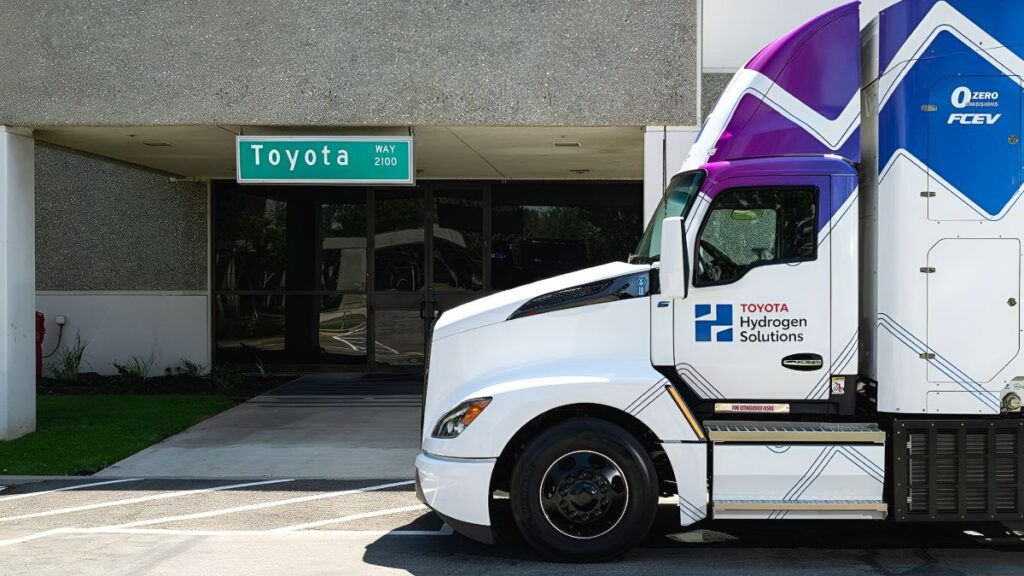
That output gives the system the muscle to handle the punishing duty cycles of heavy trucks hauling large loads over steep grades.
Toyota is evaluating the system for both long-haul heavy-duty trucks and light commercial vehicles that service urban logistics, aiming at the broader logistics ecosystem.
The dilemma of 40-ton trucks: batteries fall short
Hydrogen is back on the radar in the commercial segment because of clear physical constraints.
Electrifying a large truck that approaches 40 tons of cargo capacity would require batteries that add several tons of mass just to achieve acceptable range.
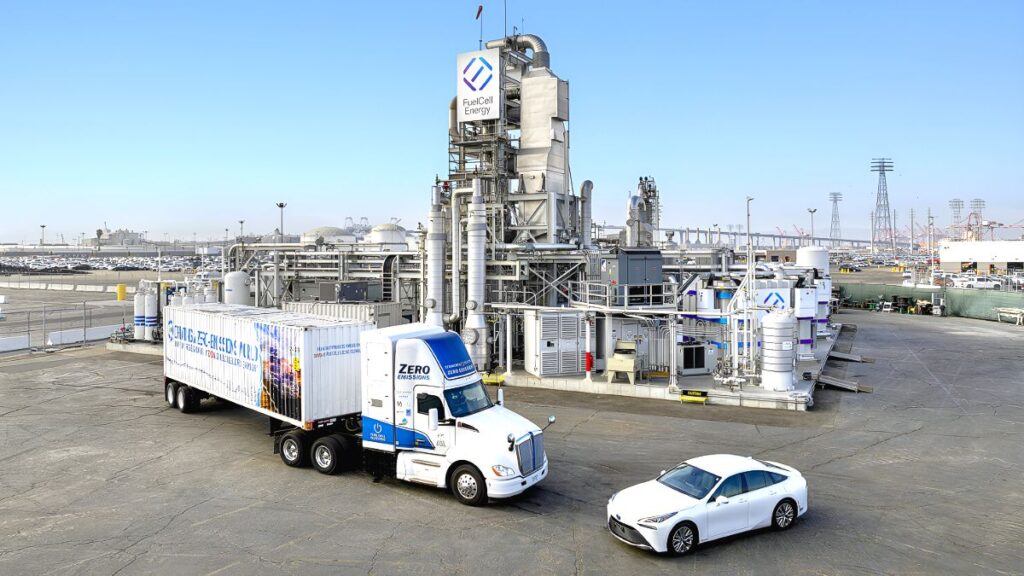
That extra mass translates directly into reduced payload capacity, a decisive drawback that can undermine fleet operators' margins.
By contrast, modern hydrogen trucks equipped with a 300 kW fuel cell can be refueled in roughly 15–20 minutes and cover more than 800 km (about 497 miles).
Unlike battery-electric trucks that must spend hours tethered to high-capacity chargers, hydrogen trucks promise utilization rates comparable to diesel vehicles.
Hyundai, which seized the lead with the XCIENT, faces an unavoidable head-to-head
Toyota’s aggressive push directly challenges Hyundai Motor Company, which has been the global frontrunner in hydrogen commercial vehicles.
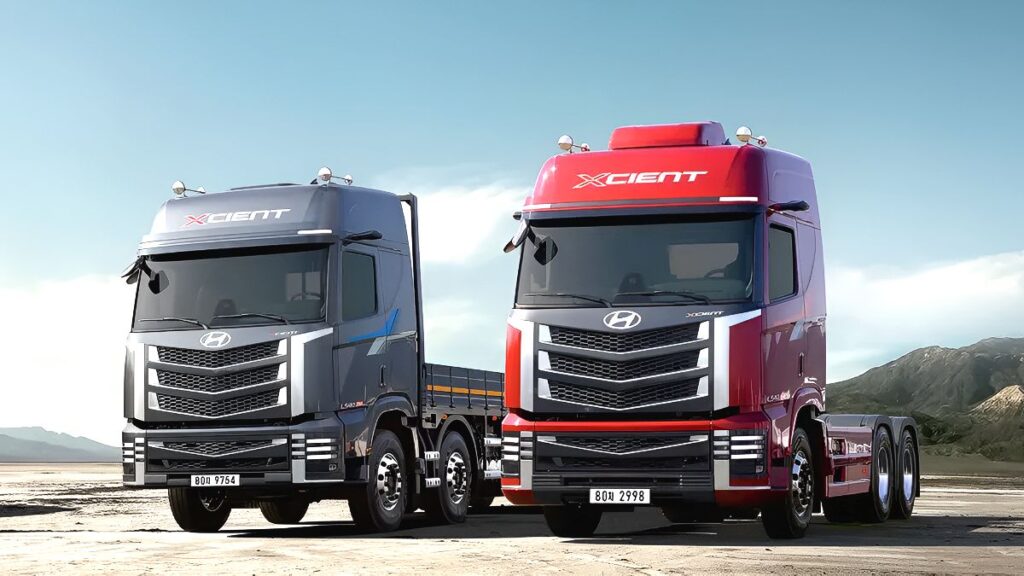
Hyundai demonstrated leadership by introducing the XCIENT Fuel Cell—the world's first mass-produced large hydrogen truck—in Switzerland and other European and North American markets.
If Toyota moves into full-scale production of its high-output, commercial-vehicle-optimized third-generation system, the competitive balance could shift quickly.
Technology and market-share battles between the two manufacturers in strategic logistics hubs such as North America and Europe are likely to intensify.
Hydrogen ecosystem revives in trucks after passenger-car setbacks
Ultimately, future dominance in the commercial vehicle market will hinge on how quickly fuel-cell costs fall and long-range durability is proven.
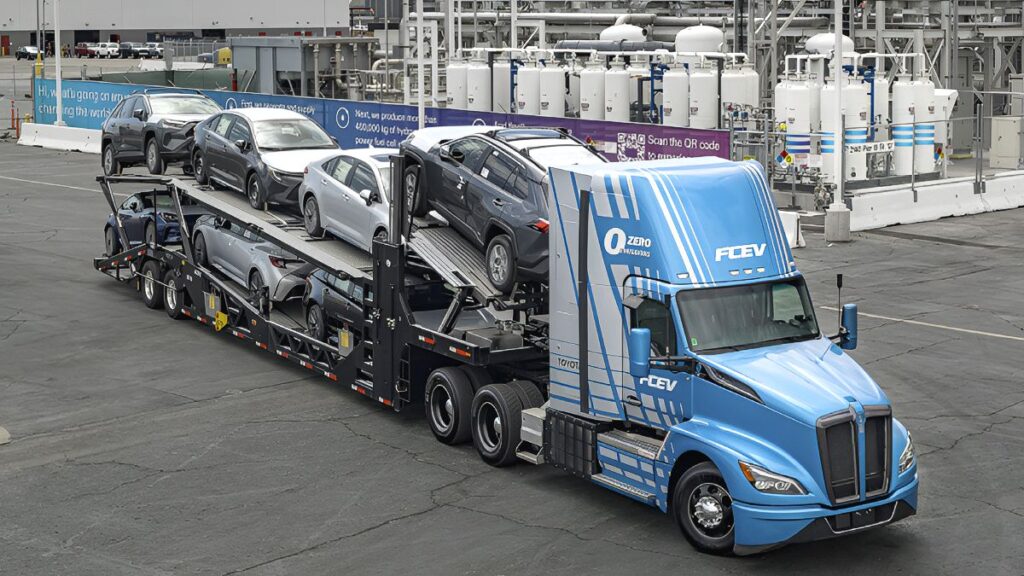
An industry source said, \"For commercial drivers and logistics companies, minimizing payload loss and sharply reducing downtime are the top priorities.\"
\"Batteries may have overtaken hydrogen in passenger cars,\" the source added, \"but for long-haul heavy transport, high-output hydrogen trucks have a strong chance of becoming the definitive zero-emissions solution.\"
After painful setbacks in the passenger-car market, hydrogen commercial vehicles are staging a comeback in the truck sector—and the contest is just getting under way.