2026 Ferrari Purosangue Hybrid: Complete Price and Performance Breakdown
Market Positioning and Brand Strategy of the Ferrari Purosangue Hybrid
Ferrari, long celebrated for its sports-car pedigree, has broadened its lineup to address the growing SUV market with the Purosangue. The Purosangue equipped with a hybrid powertrain represents a cleaner, more advanced performance SUV compared with Ferrari’s traditional internal-combustion models. As Ferrari’s first four-door, four-seat SUV, the Purosangue Hybrid retains the brand’s characteristic driving feel while integrating cutting-edge technology, carving out a distinct place in the luxury-SUV segment. This price and performance review is a key reference for buyers evaluating high-performance hybrid SUVs. For Ferrari, the Purosangue Hybrid is about more than expanding the lineup—it’s a strategic move toward creating value in a carbon-neutral era.
Powertrain and Hybrid System of the Ferrari Purosangue Hybrid
At the core of the Purosangue Hybrid is a sophisticated hybrid powertrain. Ferrari combines its latest V8 turbo engine with an electric motor in a plug-in hybrid (PHEV) configuration. The combustion engine produces up to 610 hp, and the electric motor contributes 165 hp, yielding a combined system output of 775 hp. Peak torque reaches 900 N·m (≈ 664 lb·ft), delivering immediate thrust even at high speeds. A roughly 20 kWh lithium-ion battery enables about 50 km (≈ 31.1 miles) of electric-only driving. The hybrid system allows quiet, emissions-free urban driving and, when switched to Sport mode, unleashes Ferrari’s signature explosive performance. Assessing Purosangue Hybrid pricing and performance depends largely on the system’s real-world efficiency and output characteristics.
Integration of Advanced Electronic Controls and Driving Dynamics
The Purosangue Hybrid pairs advanced electronic control systems with an evolved chassis. An electronic four-wheel-drive system (e-4WD) dynamically balances torque between the engine and electric motor to maximize traction and stability across varying surfaces. Four-wheel steering improves maneuverability at low speeds and enhances stability on the highway. An electronic air suspension automatically adjusts ride height by drive mode, delivering a comfortable ride on- and off-road. This review focuses on how these driver-assistance and chassis systems translate into driver-perceived benefits. Ferrari’s sports-car expertise is evident in the Purosangue Hybrid, which delivers dynamic behavior that distinguishes it from conventional SUVs.
Real-World Performance: Acceleration, Top Speed, Fuel Economy
The Purosangue Hybrid covers 0–100 km/h in 3.1 seconds (0–62 mph in 3.1 s), putting it among the fastest SUVs in its class. Its top speed is 310 km/h (≈ 192.6 mph), rivaling many supercars. Thanks to the hybrid system, combined fuel consumption is about 10.5 km/L (≈ 24.7 mpg US), and electric-mode driving eliminates fuel use for city commutes. Under hard acceleration or in Sport mode, the electric motor assists the engine to deliver intense power while helping optimize fuel use. Real-world driving data will be critical for buyers, particularly given the smooth transitions between electric and hybrid modes and the high satisfaction reported for both.
Design and Interior Space: A Balance of Luxury and Practicality
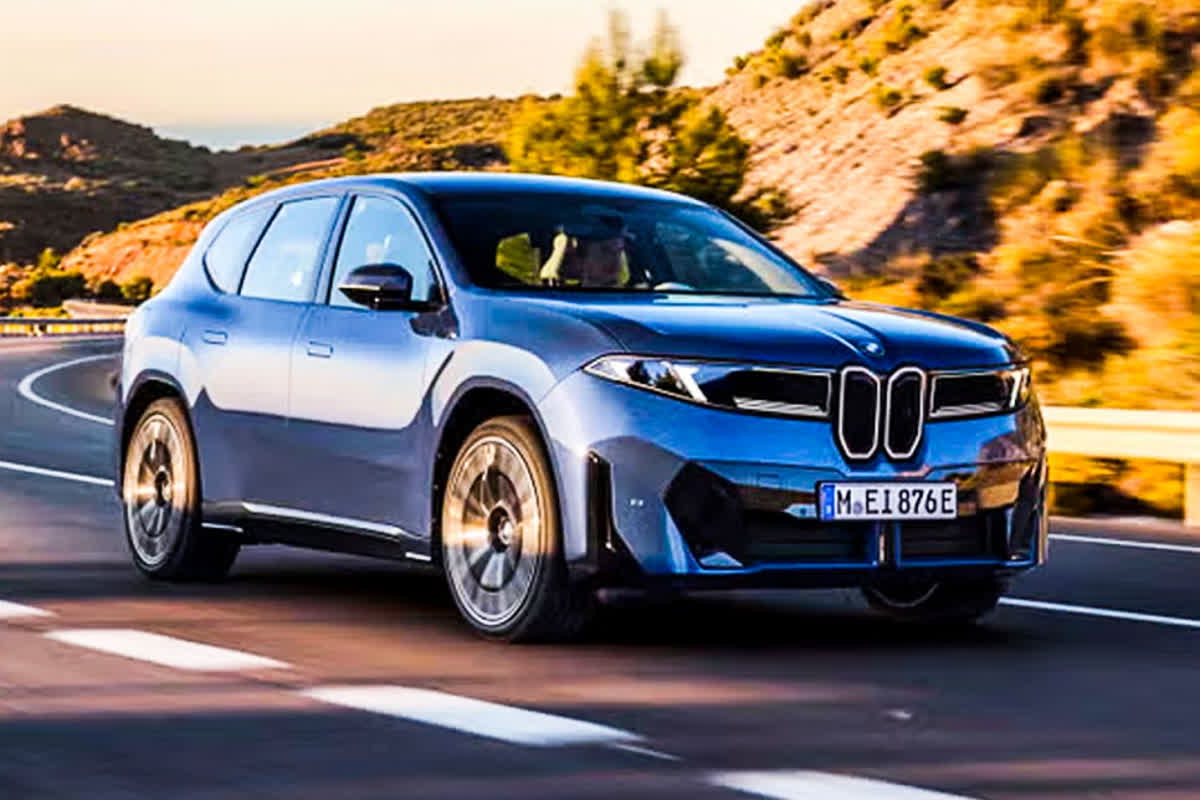
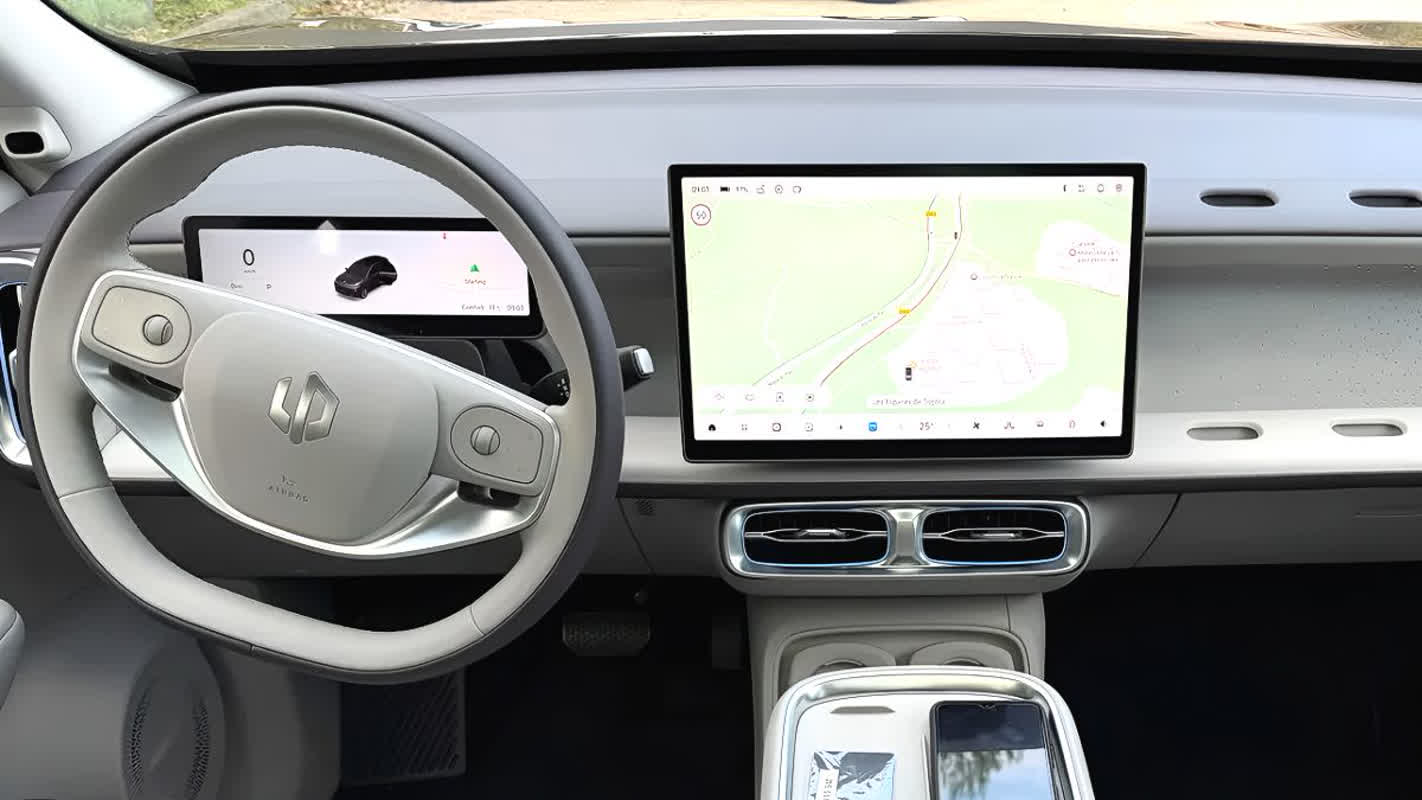
The Purosangue Hybrid pairs bold exterior styling with a cabin that blends premium materials and modern technology. The exterior showcases Ferrari’s flowing lines and aggressive aerodynamics, preserving a sports-car stance despite the SUV proportions. The interior is optimized for four passengers, with individually contoured seats that deliver a refined ride. The dashboard integrates a 12.3-inch digital cluster and a large touchscreen infotainment system for driving information and entertainment. Cargo capacity starts at 473 liters (≈ 16.7 cu ft) and expands to about 1,200 liters (≈ 42.4 cu ft) with the rear seats folded, providing practical utility for a hybrid SUV. Design and cabin space remain deciding factors for luxury-SUV buyers in this evaluation.
Safety and Advanced Driver-Assistance Systems (ADAS)
The Purosangue Hybrid arrives with a broad suite of driver-assistance features to enhance safety and convenience. Standard equipment includes advanced automatic emergency braking, lane-keep assist, adaptive cruise control, and a 360-degree surround-view camera. Forward-collision warning and blind-spot detection help protect occupants even at high speeds. In testing and owner feedback, the ADAS package has performed well in real-world conditions. While Ferrari’s heritage emphasizes sports-car safety, the company strengthened safety features for the SUV to meet family-oriented buyer expectations, giving the Purosangue competitive safety credentials.
Pricing Strategy for the Ferrari Purosangue Hybrid
Ferrari lists the Purosangue Hybrid starting at approximately 550,000,000 KRW (≈ $412,500 USD). With options and bespoke customizations, final purchase prices commonly exceed 600,000,000 KRW (≈ $450,000 USD). Ferrari’s brand premium, unique performance, and limited-production strategy heavily influence pricing. Key rivals include the Lamborghini Urus Hybrid, Aston Martin DBX707 Hybrid, and Bentley Bentayga Hybrid; the Purosangue ranks toward the top of the price spectrum even among them.
| Model | Starting Price (KRW) | Max Power (hp) | 0–100 km/h (s) | Electric Mode Range (km) |
|---|---|---|---|---|
| Ferrari Purosangue Hybrid | 550,000,000 KRW (≈ $412,500 USD) | 775 | 3.1 | 50 (≈ 31.1 miles) |
| Lamborghini Urus Hybrid | 480,000,000 KRW (≈ $360,000 USD) | 700 | 3.3 | 45 (≈ 28.0 miles) |
| Aston Martin DBX707 Hybrid | 420,000,000 KRW (≈ $315,000 USD) | 707 | 3.5 | 40 (≈ 24.9 miles) |
| Bentley Bentayga Hybrid | 350,000,000 KRW (≈ $262,500 USD) | 462 | 4.6 | 39 (≈ 24.2 miles) |
Final pricing can increase significantly with bespoke interior packages, exterior paints, high-performance brakes, carbon-ceramic upgrades, and other options. This review emphasizes that buyers should evaluate the final contracted price after options rather than relying on base MSRP. Limited production runs can lengthen wait times and add premiums to resale values.
Comparison with Competitors
Against rivals, the Purosangue Hybrid leads in acceleration, top speed, and hybrid-system efficiency. For example, the Lamborghini Urus Hybrid posts 0–100 km/h in 3.3 seconds with 700 hp, while the Purosangue delivers 775 hp and 3.1 seconds. The Purosangue also offers a longer electric-only range at about 50 km (≈ 31.1 miles). The Aston Martin DBX707 Hybrid performs strongly but trails Ferrari on hybrid efficiency and electric range. The Bentley Bentayga prioritizes luxury and ride comfort but lags in outright performance and hybrid technology. Overall, this review positions the Purosangue Hybrid as a standout in the high-performance hybrid-SUV class.
Operating Costs and After-Sales Service
Owners should expect higher operating costs than for typical SUVs. The hybrid architecture requires periodic battery checks and electric-drive maintenance, and much service must be performed at Ferrari-authorized centers, which raises cost of ownership. Insurance and taxes reflect the vehicle’s high value. Ferrari offers a seven-year complimentary maintenance program covering routine oil changes, brake inspections, and battery diagnostics for a defined period, which offsets some ownership costs. Prospective buyers should weigh after-sales support, hybrid-specific parts durability, and resale value when deciding.
Environmental Impact and Compliance
The Purosangue Hybrid can reduce CO2 emissions by more than 40% thanks to its hybrid system. In electric mode it produces zero tailpipe emissions, making it eligible for low-emission urban zones. It meets current European emissions regulations and holds relevant eco-certifications. Ferrari continues to invest heavily in hybrid and EV development as part of its transition toward a greener performance brand. This review highlights the balance of environmental credentials and high performance as a central selling point and notes possible future tax incentives tied to expanding green-vehicle policies.
Target Buyers and Market Outlook
The Purosangue Hybrid appeals to buyers who want supercar dynamics in an SUV package, as well as luxury buyers who value eco-friendly technology. Primary customers include families seeking sports-car feel with everyday usability and early adopters drawn to hybrid tech. With the global SUV market expanding and demand for high-performance hybrid SUVs rising, the Purosangue’s market outlook is strong. The competitive advantages revealed in this price and performance review should help Ferrari strengthen its position in the segment.
Conclusion: The Significance of This Price and Performance Analysis
From an expert perspective, the Ferrari Purosangue Hybrid sets a new benchmark in the high-performance hybrid-SUV category. It combines class-leading power and acceleration, competitive electric range, advanced safety and driver-assistance systems, and Ferrari’s brand cachet. High pricing, ownership costs, and limited production are potential drawbacks, but Ferrari’s brand value and forward-looking technology largely offset those concerns. This analysis shows the Purosangue Hybrid emerging as a game changer in the hybrid-SUV market. For buyers seeking the ultimate mix of luxury, performance, and eco-conscious engineering, the Purosangue Hybrid remains a top choice.