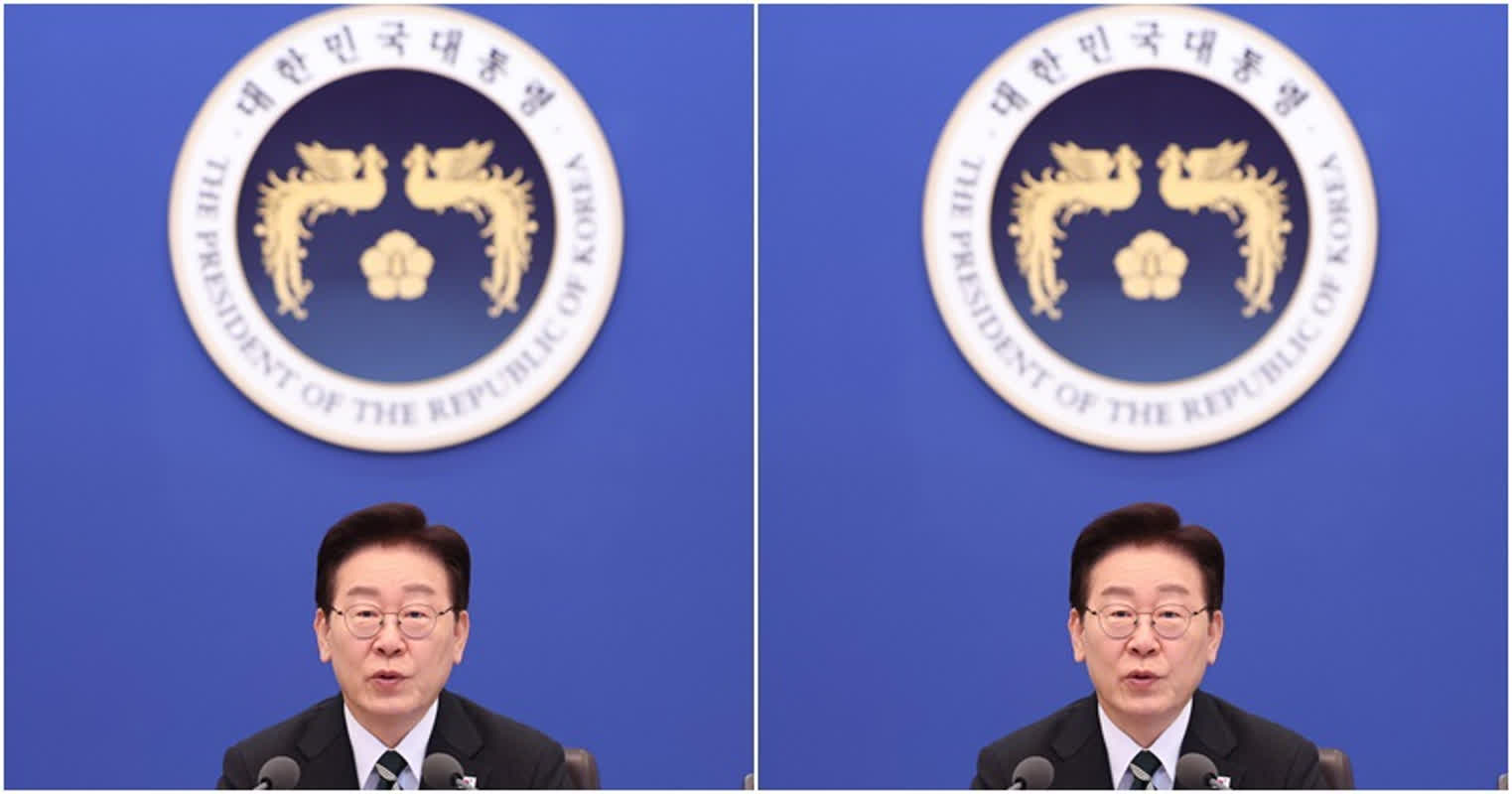
President Lee Jae-myung stressed South Korea’s ability to defend itself.
At the Cabinet meeting and Emergency Economic Review session he chaired at the Blue House on April 28, the president asked, "Why do people act as if we cannot defend ourselves without foreign troops?"
Analysts say the remarks came as talks over the transfer of wartime operational control (OPCON) gained momentum and appeared to directly confront security concerns tied to that process.
He said recent developments have left some citizens uneasy about military and security matters.
"One clear fact," he said, "is that, excluding the U.S. forces stationed here, South Korea’s military ranks roughly fifth in the world. Our annual military and defense spending is about 1.4 times larger than North Korea’s annual gross national product."
"Training is solid and morale is high," he added. "Military capability ultimately depends on economic strength, and our economy far outpaces theirs. Our domestic weapons production and defense industry have climbed to fourth in the world in exports. These objective facts need to be communicated more widely to the public."
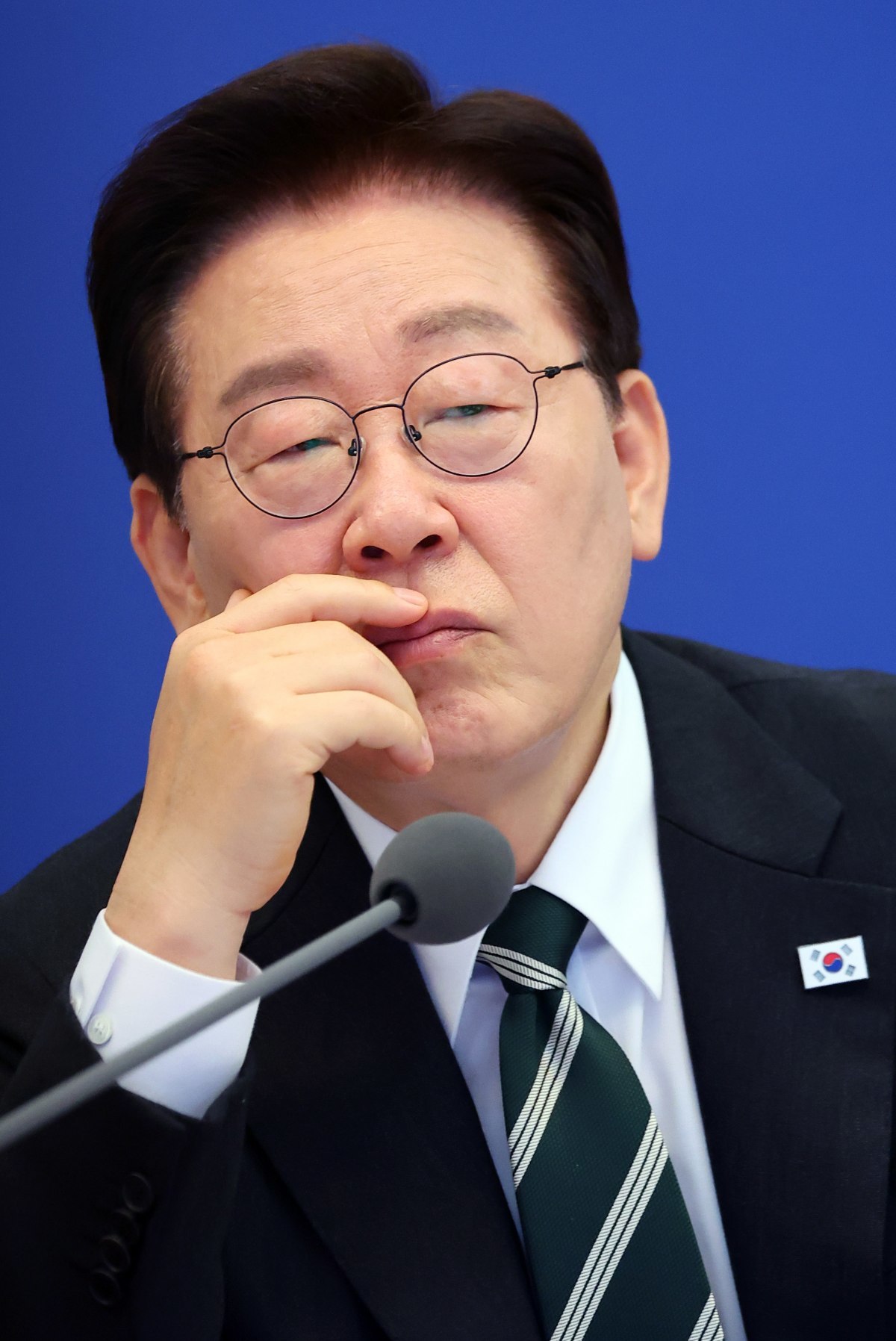
On the legitimacy of independent defense, he said a nation must be able to protect itself and should not rely on others. "We can do it," he said, noting that Korea once faced hard times but that the nation’s capabilities now reflect the outstanding effort and talent of its people.
He urged the public to recognize that South Korea already has the necessary capabilities, that its current posture is sufficient, and that defense spending will increase — measures he said should ease public concern.
Defense Minister Ahn Gyu-baek responded that some groups tend to stoke those fears, but that most citizens do not share that perception.
The president reiterated his call for authorities to actively present objective facts to help allay public anxiety.
He also stressed readiness: asking whether the country is preparing its own operational capabilities, he said Seoul must be fully prepared to plan and conduct operations independently, with tactical and strategic frameworks in place.
When Minister Ahn reported that the Defense Ministry has both tangible and intangible assets and strategic systems that could allow for an accelerated return of wartime OPCON, the president replied, "Of course we should."
The remarks drew attention because they tied directly to the OPCON transfer timeline. National Security Office Director Wi Seong-rak has said the government aims to complete the transfer as soon as practicable, and that consultations between the two sides are proceeding in that direction.
Last month, the president presented OPCON transfer as a major policy objective at a meeting with military leaders and publicly pledged to complete it before his term ends in June 2030.
At the Cabinet meeting, the president also referenced a security package involving purchases of U.S.-made weapons valued at about 203 billion KRW (approximately $152.25 million). He reaffirmed plans to strengthen intelligence, surveillance and reconnaissance (ISR) assets and precision-strike capabilities to secure South Korea’s ability to defend itself after OPCON is returned.