A key asset that has underpinned South Korea’s air-defense network has crossed the Pacific and is now operating in the Middle East. About a decade after a THAAD battery was emplaced in Seongju, the long-standing assumption of a permanently stationed defense posture was upended by a single exchange at a Senate hearing.
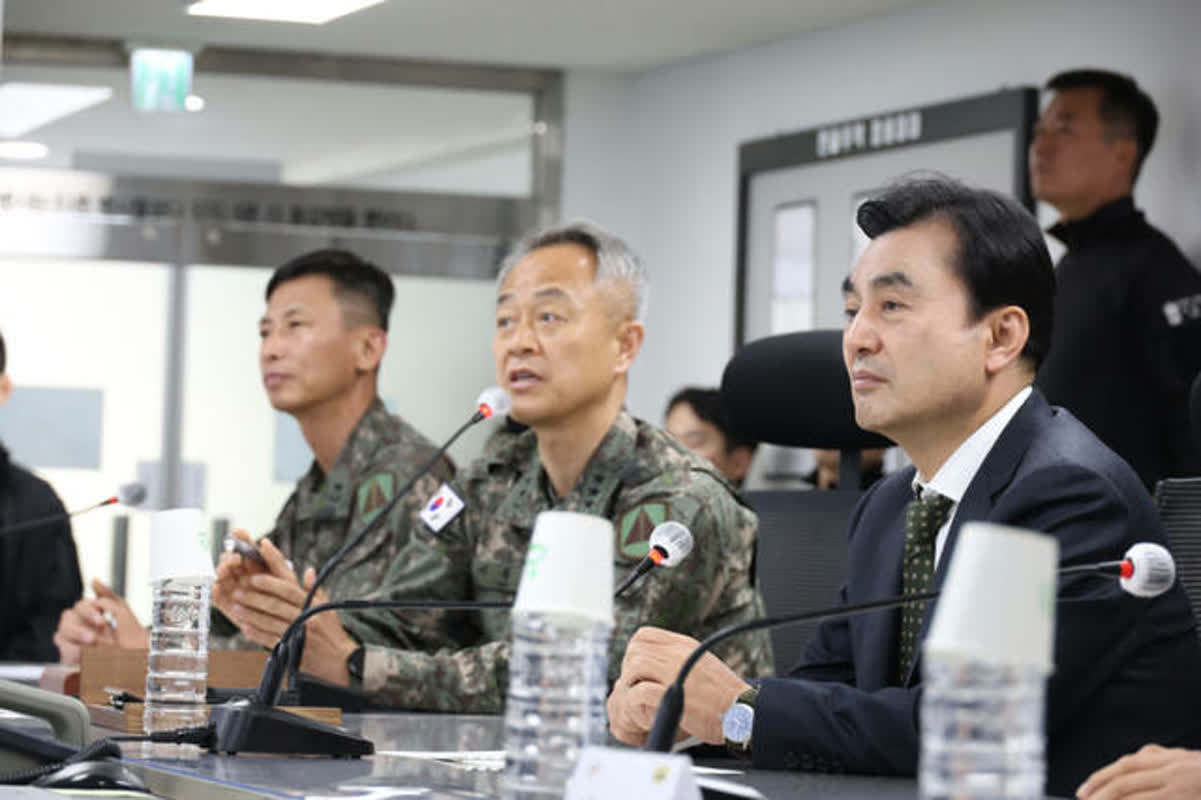
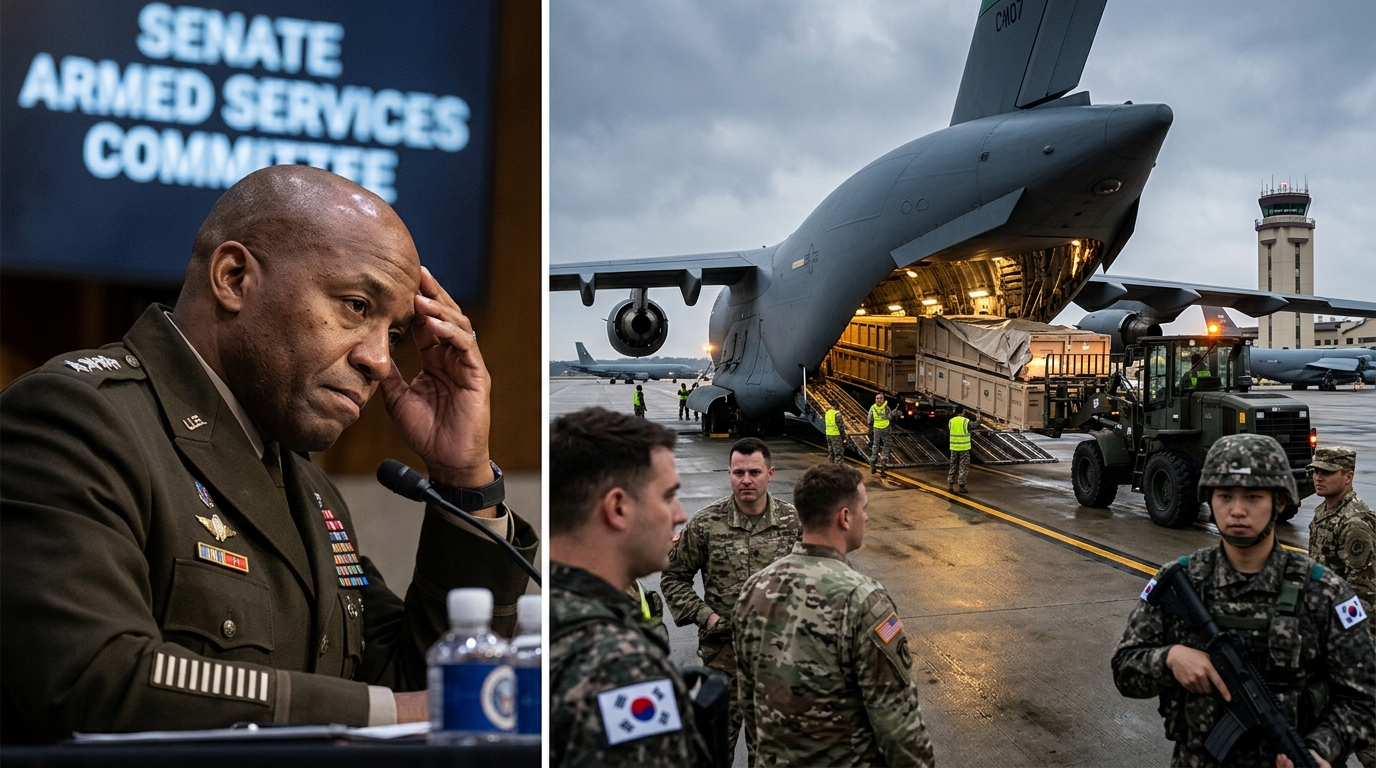
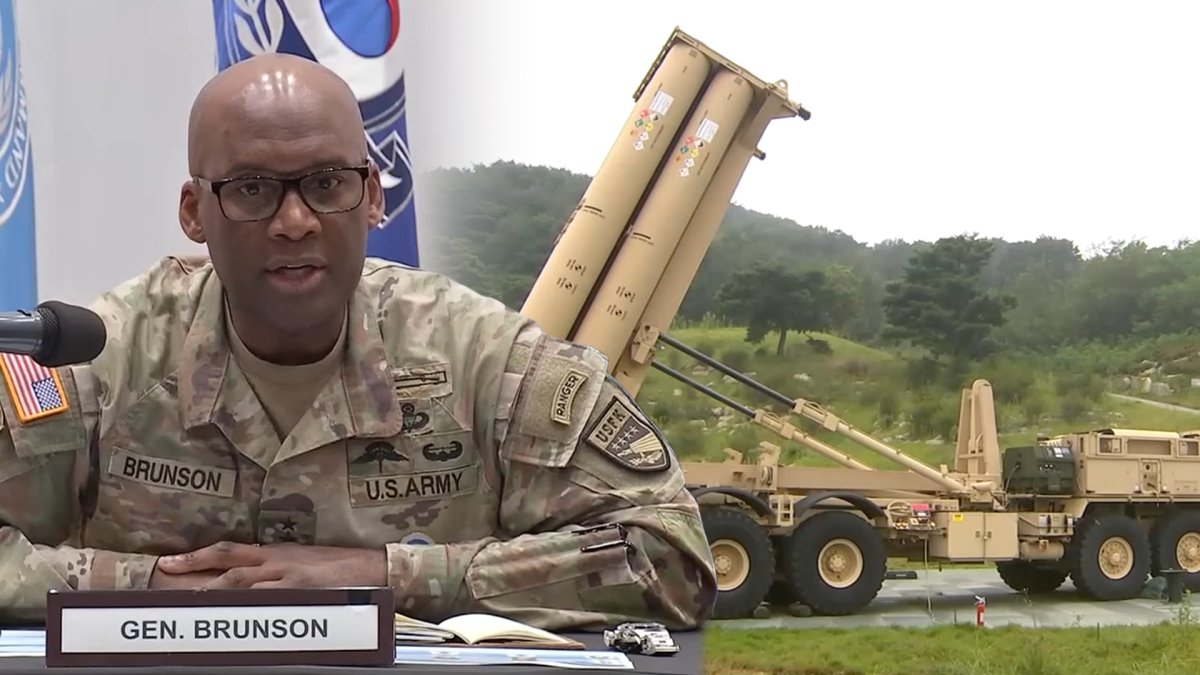
U.S. Forces Korea commander Javier Brunson told the Senate Armed Services Committee on April 21, 2026, that moving THAAD munitions through Osan Air Base en route to an operational theater sparked a commotion on the peninsula. He stressed that THAAD launchers remain in Korea, but he also acknowledged that critical munitions have already been staged for another theater.
The alarm was not merely about equipment on the move. The hearing publicly confirmed a structural reality: U.S. defensive assets deployed in Korea can be reallocated and sent elsewhere on short notice.
Radar already in the Middle East…no return since 'Midnight Hammer'
Brunson told lawmakers the AN/TPY‑2 radar — the THAAD system’s primary sensor — was forward-deployed ahead of the “Midnight Hammer” operation and has not returned to the peninsula. Iran’s March 1, 2026, retaliatory strike that damaged a THAAD radar at Prince Sultan Air Base in Saudi Arabia supports the conclusion that a radar sourced from Korea was operating in the middle of that theater.
A single THAAD battery consists of six launchers, eight missiles per launcher, one AN/TPY‑2 radar and a fire-control system. Stripped of its radar and munitions, a THAAD battery is effectively an empty shell.
'Not size but capability'…the U.S. military's new security formula
At the hearing, Brunson framed U.S. Forces Korea modernization as “capability-centered, not size-centered.” He said the U.S. military is shifting away from a focus on force numbers and toward mobility — the ability to rapidly deploy and reposition assets when needed.
That marks an official break with the post–Cold War idea of permanently fixed U.S. assets in Korea. The unease first raised by a Washington Post report on March 9, 2026, that some Korea-based THAAD elements had been moved to the Middle East was confirmed by Brunson’s testimony.
KAMD·L‑SAM…the burden of self‑reliant defense South Korea must prove
Seoul’s stopgap is to accelerate upgrades to the Korean Air and Missile Defense (KAMD) network and field the long‑range surface‑to‑air L‑SAM system. President Lee Jae‑myung has said that even if the United States repositions some weapons away from the peninsula, the Republic of Korea Armed Forces can still deter any threat from the North.
Brunson also cautioned against moving ahead with a transfer of wartime operational control for political reasons. “Political convenience must not outpace conditions,” he told senators, stressing that military readiness has to come first. As U.S. assets become more fluid, discussions about the timing and conditions for operational‑control transfer may have to be revisited under new criteria.
The Osan episode poses a straightforward test: with U.S. strategic priorities in flux, can South Korea demonstrate an independent defense posture resilient to shifting variables?
Most Read
- “A four‑star South Korean general will issue orders to a U.S. general”…2029 operational‑control transfer roadmap 'formalized'
- “A new bridge over the Tumen River after 67 years”…North Korea–Russia road bridge set for June completion, accelerating fractures in sanctions
- “He directly created a wartime situation”…Prosecutors seek an unprecedented 30‑year sentence for Yoon Seok‑yeol on Pyongyang drone charges