Restaurant-quality pork ribs at home: the one pear drink that changes everything
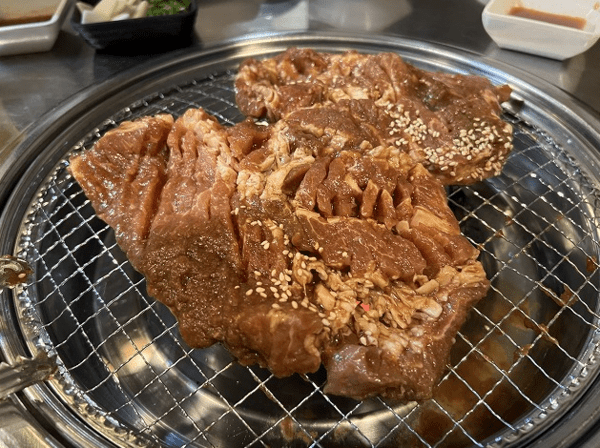
When you make pork ribs at home, the marinade can look and smell like a restaurant’s, but the meat often falls short in tenderness and depth. The most noticeable differences are that home-cooked meat can be tougher and the sauce sometimes just sits on the surface instead of soaking in. Those gaps come down to the meat’s texture and how deeply the marinade penetrates.
These days, recipes using a pear beverage are catching on because they tackle both issues at once. The pear drink doesn’t merely add sweetness—it actually changes the meat’s structure. The trick is knowing why one simple ingredient can make such a big difference.
How enzymes in the pear drink soften the meat
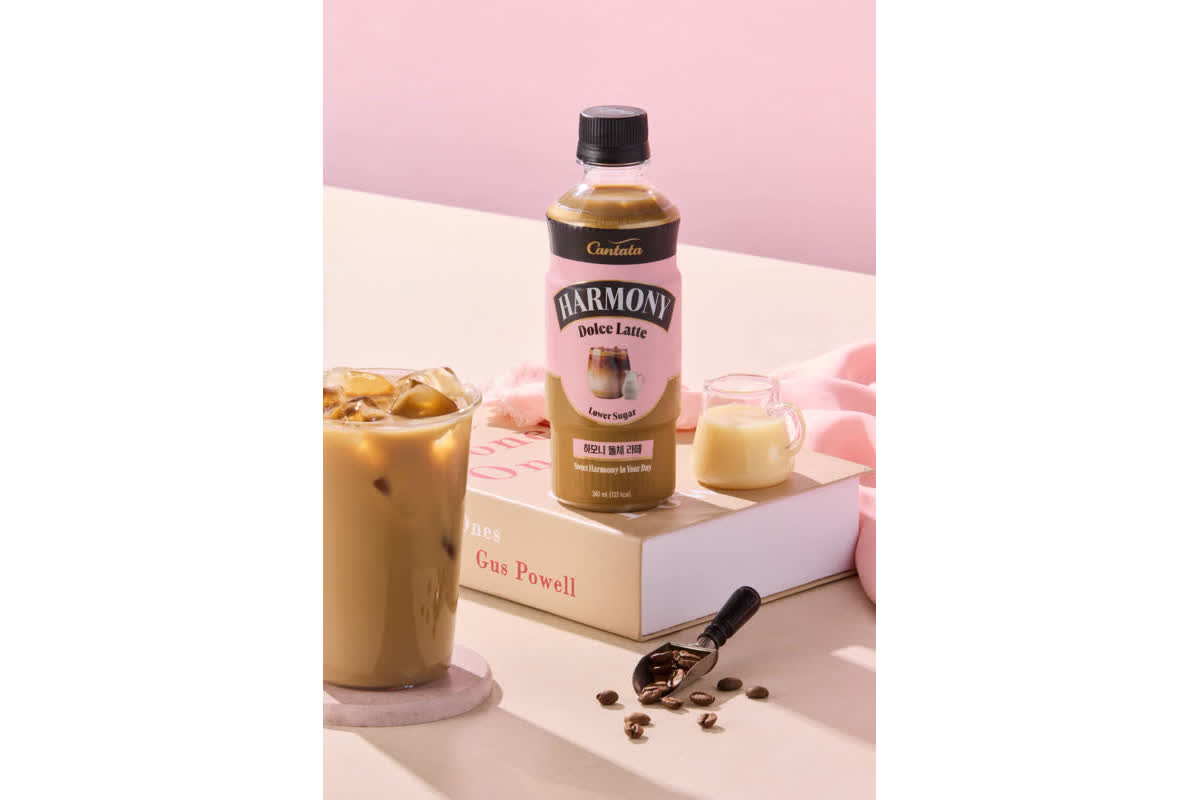
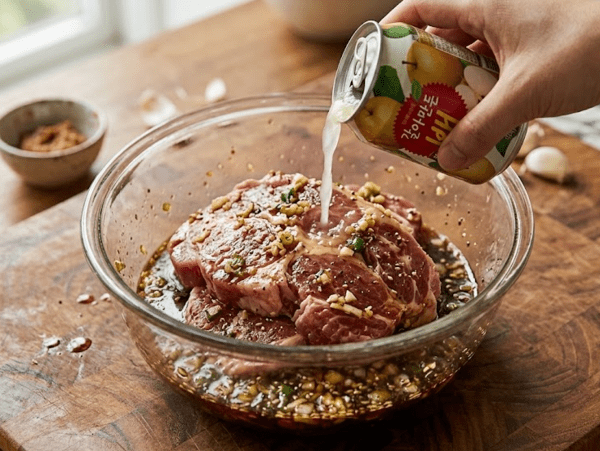
Pears contain proteolytic enzymes that break down the tough muscle fibers in meat. This tenderizing action is what softens the meat. While cooks often grate fresh pear to harness that effect, a pear beverage delivers a similar benefit.
Because the beverage is liquid, it mixes evenly into the marinade and helps tenderize the entire cut uniformly. In short, it actually alters the meat’s structure, giving you the tender mouthfeel you expect from restaurant ribs.
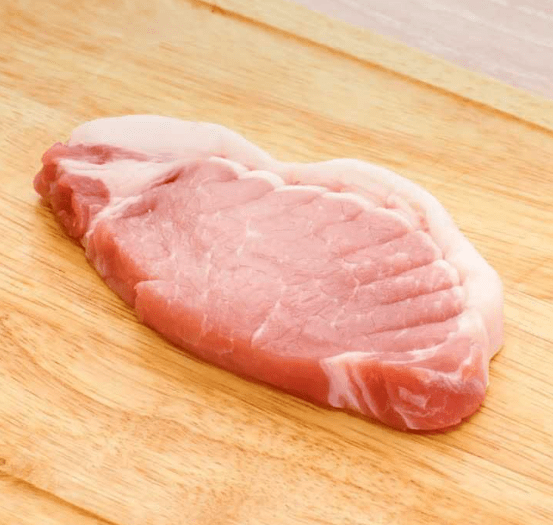
Scoring and the right sauce combo deepen the flavor
Scoring the meat isn’t just busywork—it opens the surface and creates channels so the marinade can sink in.
When soy sauce, sugar, cooking wine, anchovy fish sauce, garlic, sesame oil, and pear beverage come together, you get sweetness, umami, and aroma all at once. A splash of fish sauce adds that deep savory note that mimics restaurant flavors. Layered like this, the sauce becomes more than the sum of its parts—it develops real depth.
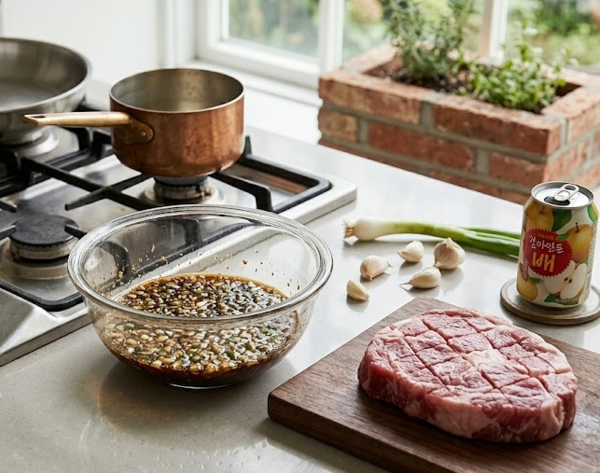
Precise measurements keep the flavor consistent (per 1 kg)
Getting the proportions right for every 1 kg of pork ribs is key to consistent results.
Use 100 ml soy sauce, 2 tablespoons sugar, 3 tablespoons cooking wine, 1 tablespoon anchovy fish sauce, 1 tablespoon sesame oil, 2 tablespoons minced garlic, a pinch of pepper, and one can of pear beverage (about 240 ml).
These ratios balance sweet, salty, and savory notes. Add chopped onion or scallions for natural sweetness and extra depth. Precise measuring helps you reproduce the same great taste every time.
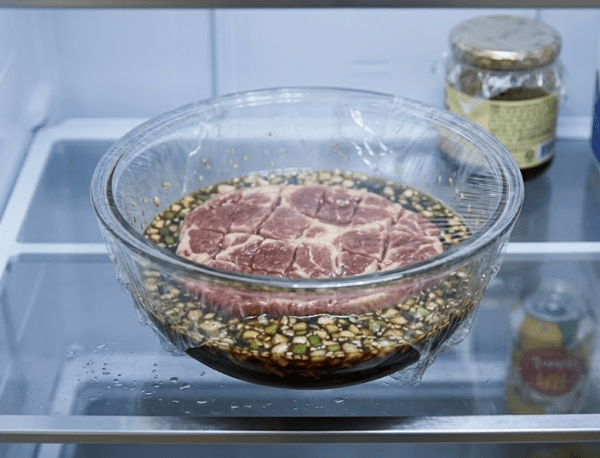
Marinating time is what fuses meat and sauce
Cooking immediately after mixing the marinade produces a very different result than letting it rest. Refrigerate and marinate for at least three hours, and ideally 12 hours or more, so the flavors penetrate and the enzymes have time to work.
During this period the meat softens, and when you bite into it the juices and sauce mingle. If you don’t marinate long enough, the outside can taste too salty while the inside stays bland. Time is what completes the flavor.
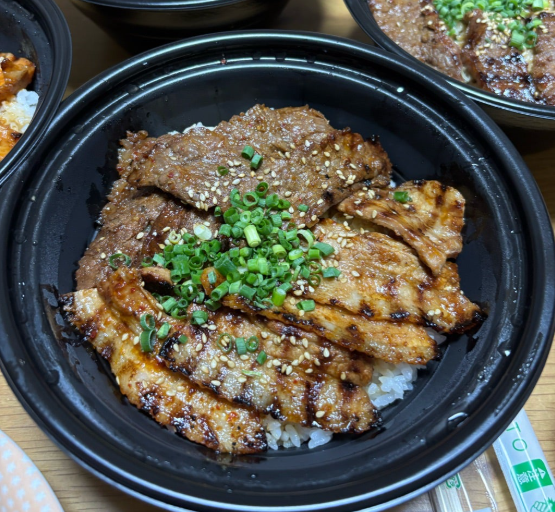
The core idea: transform the meat itself
The reason home-cooked ribs often don’t match restaurant standards isn’t the ingredients—it’s the process. You need tenderization, thorough marinade penetration, and proper resting to get the result you want. The pear beverage simplifies that flow and acts as a game-changing ingredient.
The point isn’t some secret technique—it’s understanding the principle and applying it. Change one simple step, and you can get restaurant-quality pork ribs right in your kitchen.