|
On April 2, the Ministry of Agriculture, Food and Rural Affairs said the local government selection process wrapped up on March 31. Chuncheon and Jeju scored especially high for their chicken dishes, while Suwon and Gumi earned top marks in the broader chicken category.
The chicken belt is a tourism initiative that spotlights regional chicken specialties across the country to encourage travel. Guides such as maps and booklets will highlight each hub’s signature dishes alongside nearby attractions, giving visitors curated foodie routes to follow.
This effort is part of the ministry’s larger K‑Gourmet Belt program, launched in 2024 to expand the K‑food ecosystem and boost local economies through culinary tourism. The gourmet‑belt initiative already runs under four themes—fermentation culture, traditional Korean cuisine, seasonal dining and trendy Korean food—and includes belts focused on sauces, kimchi, ginseng and traditional liquors.
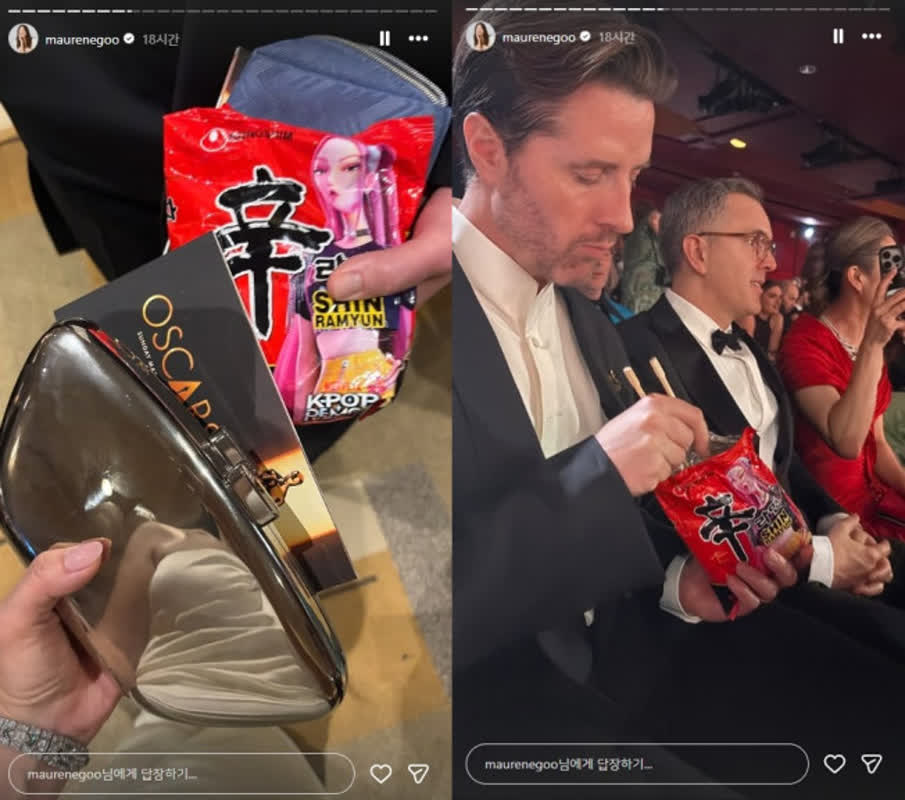
The chicken belt wasn’t initially a top priority, but global interest in Korean chicken surged last year—helped by popular content like Netflix’s animated series K‑Pop Demon Hunters—giving the project momentum. It had been listed as the third item under the “trendy Korean dishes” theme.
Minister Song has publicly championed the chicken belt since last year, raising it at cabinet meetings and in media interviews and signaling a clear push to move the idea forward.
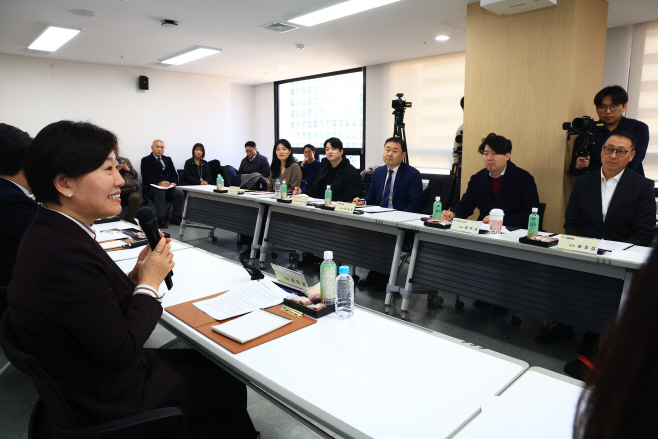
On March 19, Song chaired a meeting with industry stakeholders at the Korea Tourism Organization’s Seoul center to discuss next steps. “Chicken is one of Korea’s most beloved K‑foods around the world,” she said, adding that the chicken belt could become a fresh culinary travel route for visitors. “We’ll work closely with the chicken and tourism sectors to position Korea as a global food hub.”
The ministry will provide development funding and consulting so selected local governments can design chicken‑focused tourism and hands‑on experiences. Of the 360 million KRW (270,000 USD) allocated this year to the gourmet‑belt program, 300 million KRW (225,000 USD) will be set aside for building the chicken belt.
An official said the ministry plans to funnel most of the funds into developing tourism products—not into erecting sculptures or static displays—and will help cover parts of program development, operating costs and promotion.
The public can still contribute ideas: a national call for creative proposals runs through the 12th, allowing regions not chosen as hubs to be included along chicken‑belt routes if their concepts are adopted.
To keep the chicken belt from being just a list of food stops, the ministry plans to create maps and resources that connect local dishes to scenery, culture, history and specialty products. It will also explore partnerships with other ministries and agencies, including programs like the Korea Tourism Organization’s “K‑Local Gourmet Trips: 33 Picks.”
“We want the chicken belt to function as a genuine tourism product, linked to rural and regional attractions and scalable over time,” a ministry official said. The ministry expects to release detailed development plans in the first half of this year.