Recurring industrial accidents always raise the same question: was the danger truly unforeseeable, or was it seen and ignored? For Labor Day, KBS1's 'Chujeok 60 Minutes' examines the Daejeon Safety Industries factory fire and confronts a fundamental issue: why did no one stop it? The program traces how the tragedy stemmed from structural failures rather than a single isolated event and identifies where workplace safety collapsed.
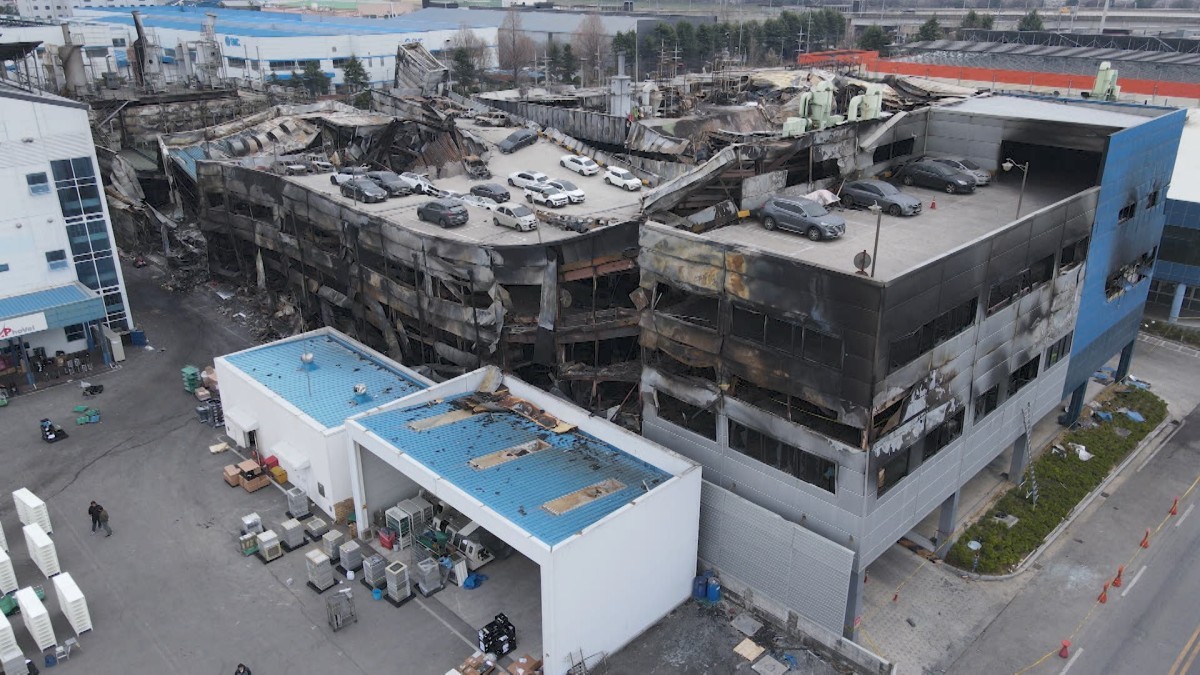
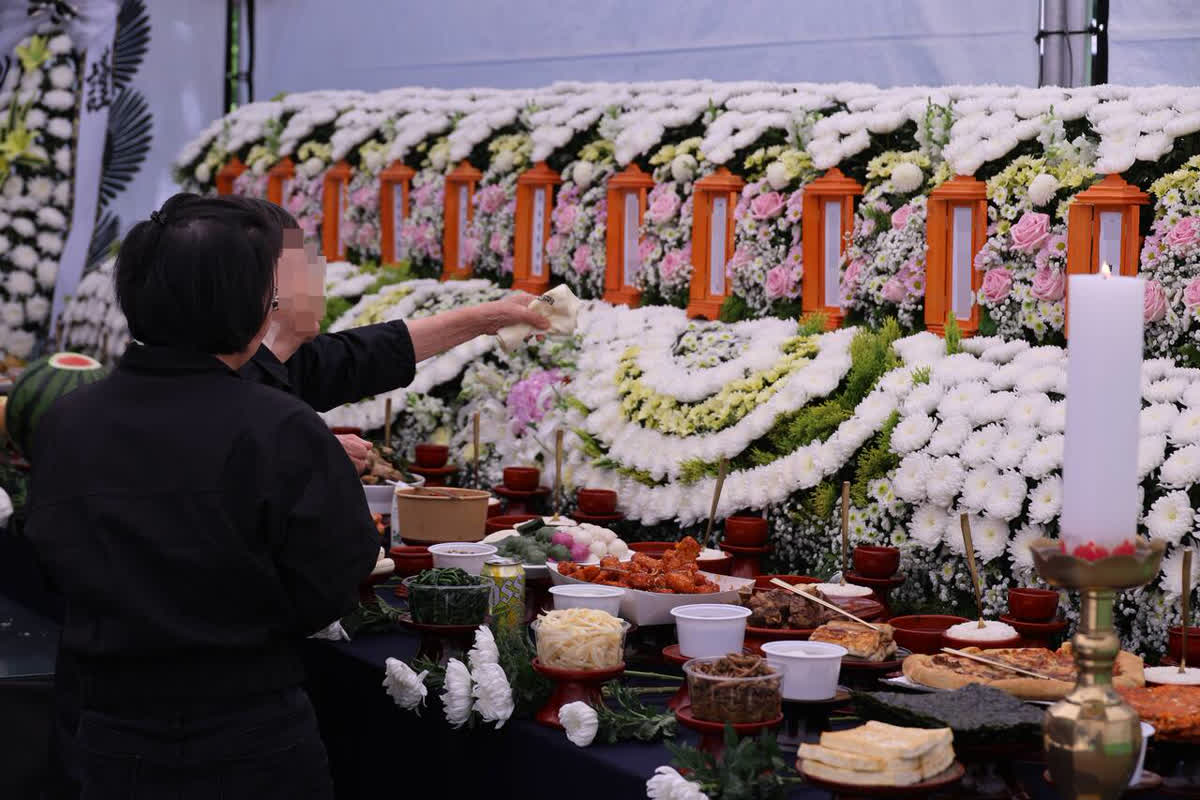
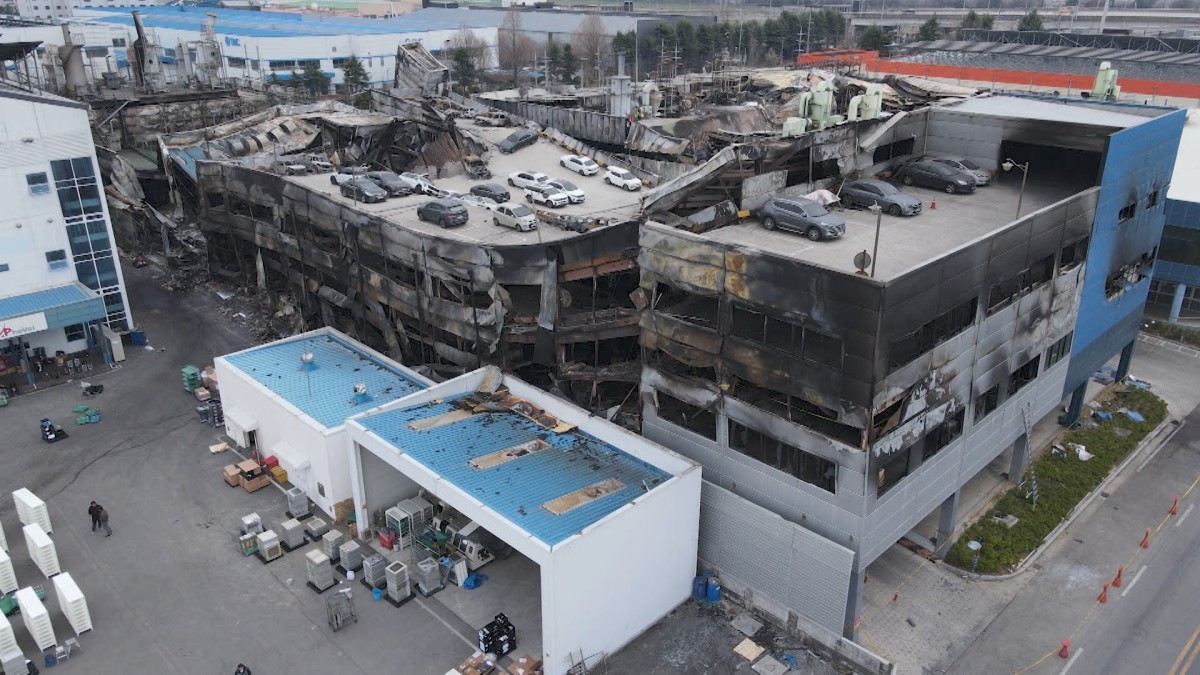
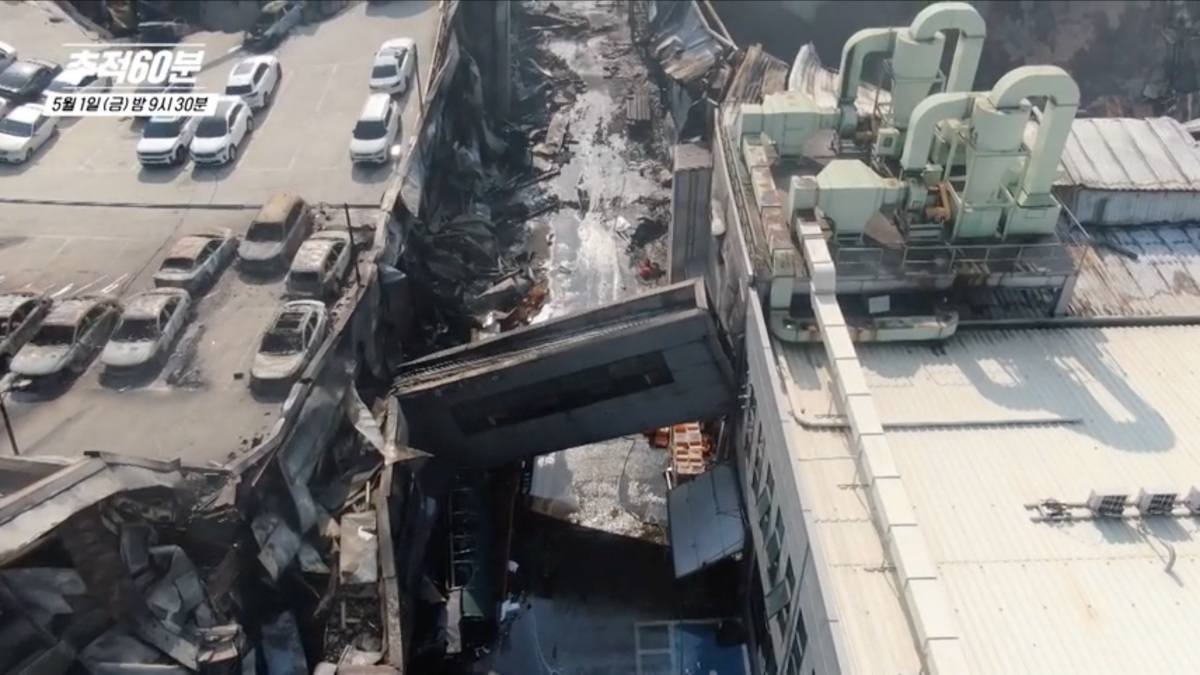
On March 20, 2026, a large fire ripped through Safety Industries, an auto parts plant. Early efforts to contain the blaze failed, and the flames spread quickly, engulfing the factory interior in minutes. Fourteen workers on site were killed and 60 were injured. Although the company had operated for decades, post-incident testimony was consistent: the workplace was an accident waiting to happen.
Records show firefighters responded to seven separate fires at Safety Industries over the past 15 years. Given the repeated incidents and the absence of meaningful corrective measures, critics say this tragedy reflects accumulated failures rather than mere bad luck. Current and former employees interviewed by the producers cited poor working conditions and lax safety management as common concerns.
Experts point to long-term oil buildup inside piping as a key reason the fire spread so rapidly. Years of accumulated oil ignited and produced an intense combustion that traveled along pipes and carried flames across the plant. The building’s sandwich-panel construction compounded the danger: while those panels offer insulation and cost savings, they are highly vulnerable to fire and helped turn the blaze into a major disaster.
The problems were not limited to structural hazards. Workers reported illegally added spaces inside the factory that lacked proper emergency exits and even basic firefighting equipment. An internal employee filed a complaint about the illegal expansion through the government portal, but inspectors excluded the wing where the fire later broke out from their checks. Investigators also found that the contractor who handled the expansion operated without a license, raising broader questions about oversight and enforcement.
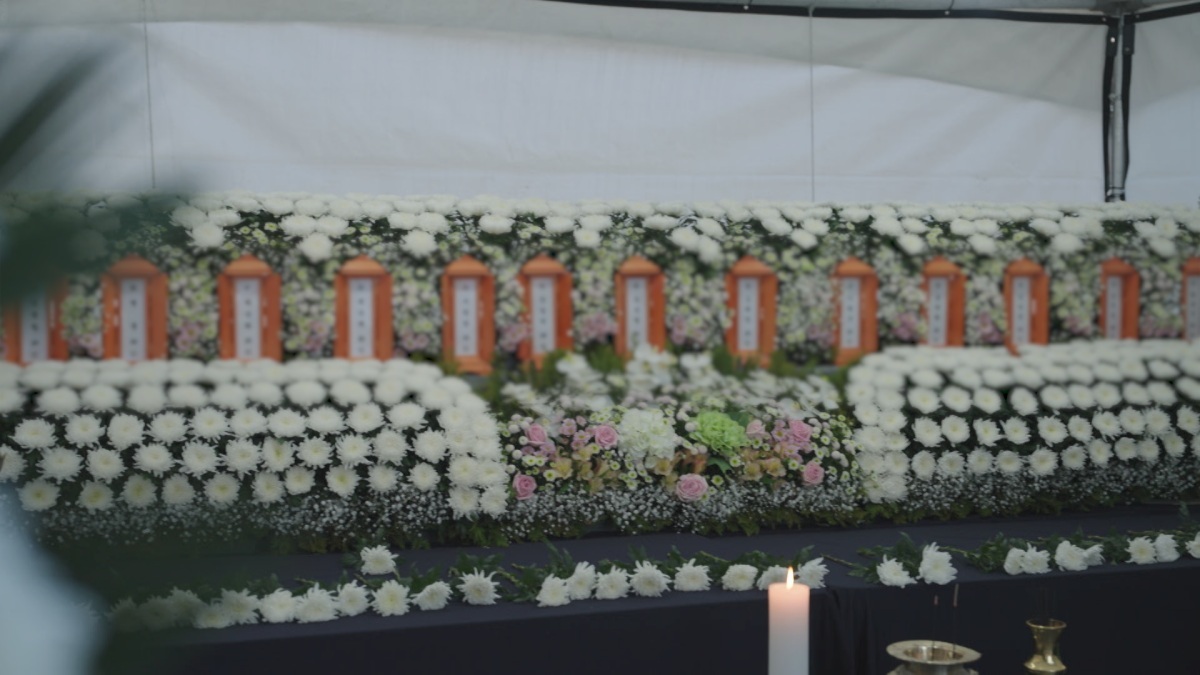
The lives of workers at the site stopped with the disaster. One victim had worked at the plant for more than 40 years and stayed on as a contract employee after retirement; another was speaking with family after his shift. For them, the factory was a livelihood — and it became their final place. The ordinary routines that continued until moments before the blaze underscore how fragile workplace safety had become.
Similar tragedies have occurred before. The 2024 Arisel factory fire killed 23 people, and the site has not fully recovered. Illegal structural changes, poor hazardous-material management, and ignored warnings mirror the conditions at Safety Industries. Survivors say they repeatedly raised safety concerns at the time, but nothing changed.
Observers also point to institutional limits. The Serious Accident Punishment Act produced some changes, but prosecutions remain limited. Even after major disasters, prosecutors often seek light sentences for corporate executives, and authorities struggle to assign clear responsibility. Many argue the problem goes beyond the severity of punishment to include the absence of systems that proactively prevent risk and ensure accountability.
Ultimately, this disaster is not confined to a single plant; it forces a broader reassessment of our national safety framework and the institutions charged with regulation and enforcement. Warning signs went unheeded, workplaces remained unchanged despite repeated incidents, and institutional responses focused too heavily on after-the-fact measures. 'Chujeok 60 Minutes' follows the full sequence and reopens questions that policymakers and the public already knew but have not fully addressed.
Airing on Labor Day, the episode goes beyond reconstructing events to ask fundamental questions about how we protect working people. KBS1's 'Chujeok 60 Minutes,' episode 1454, "Safety Industries Factory Fire — We All Knew," airs on May 1 at 9:30 p.m.
※ This article was written without compensation.