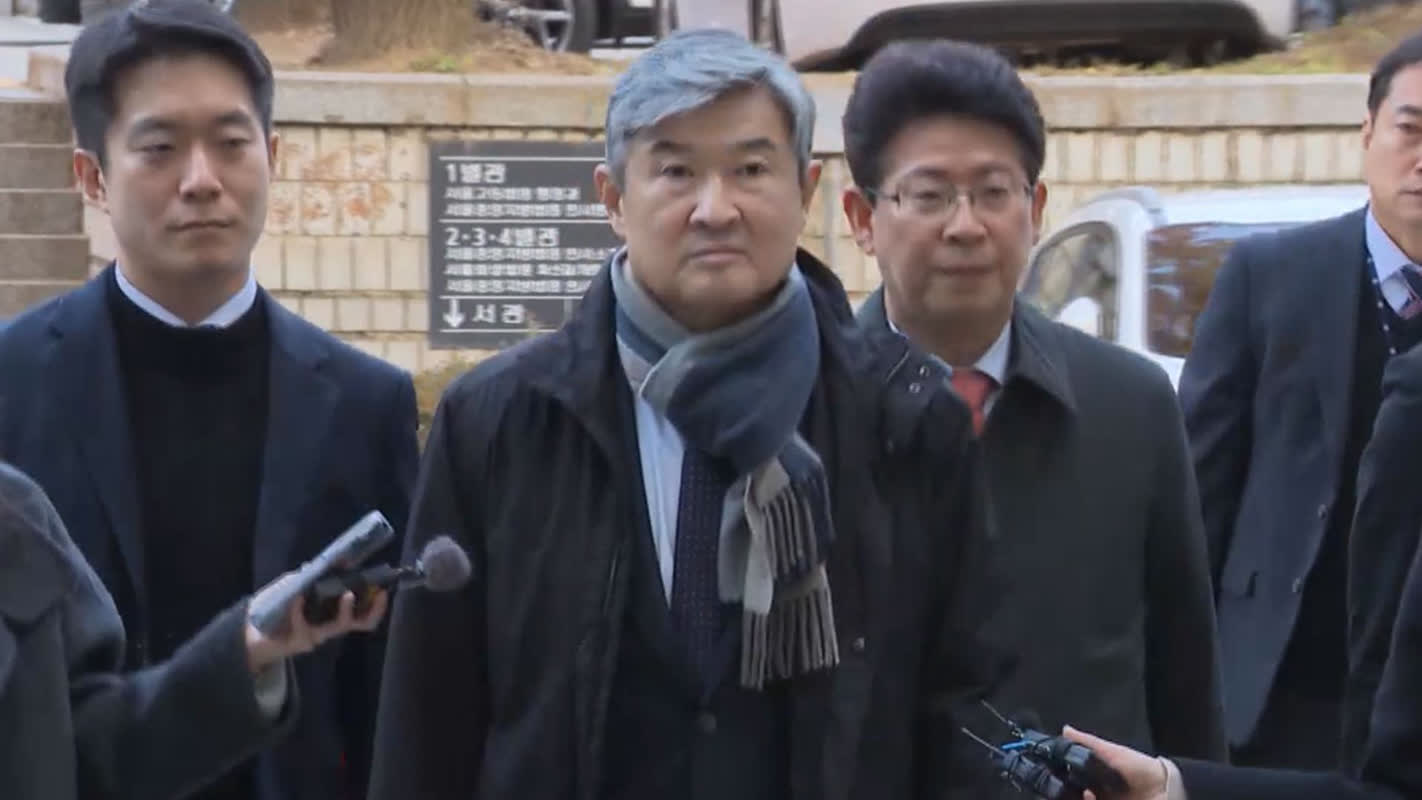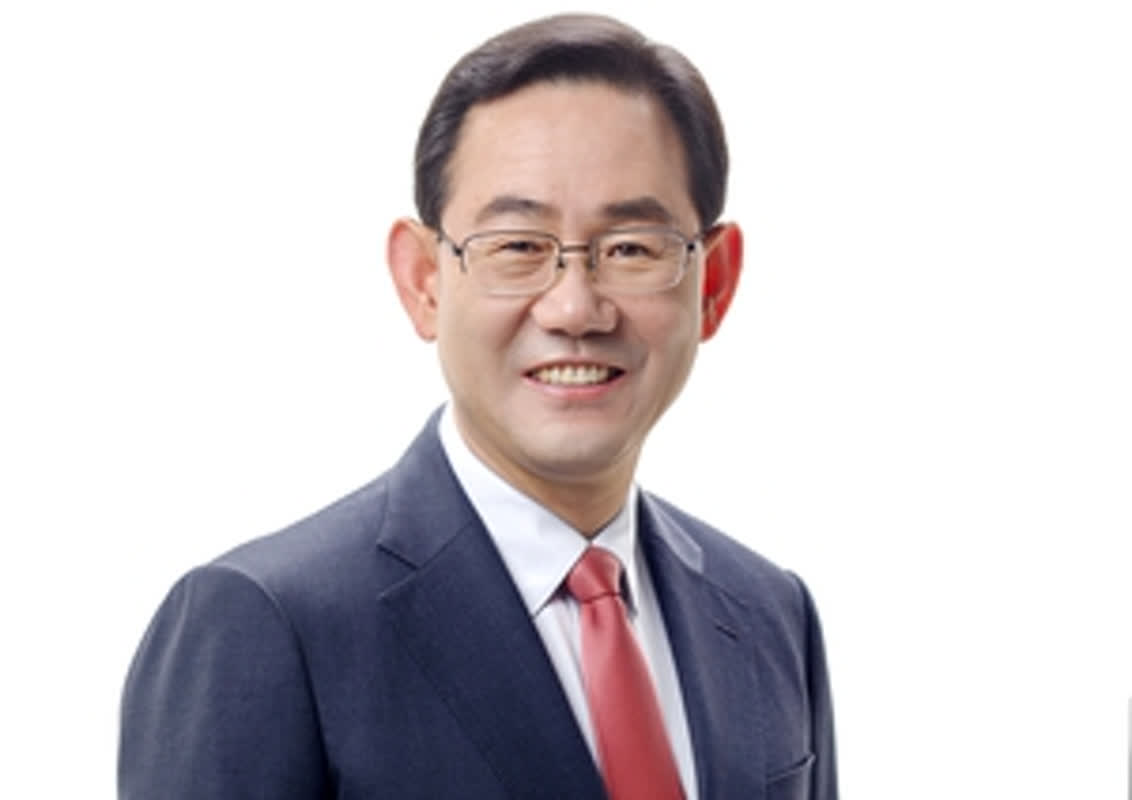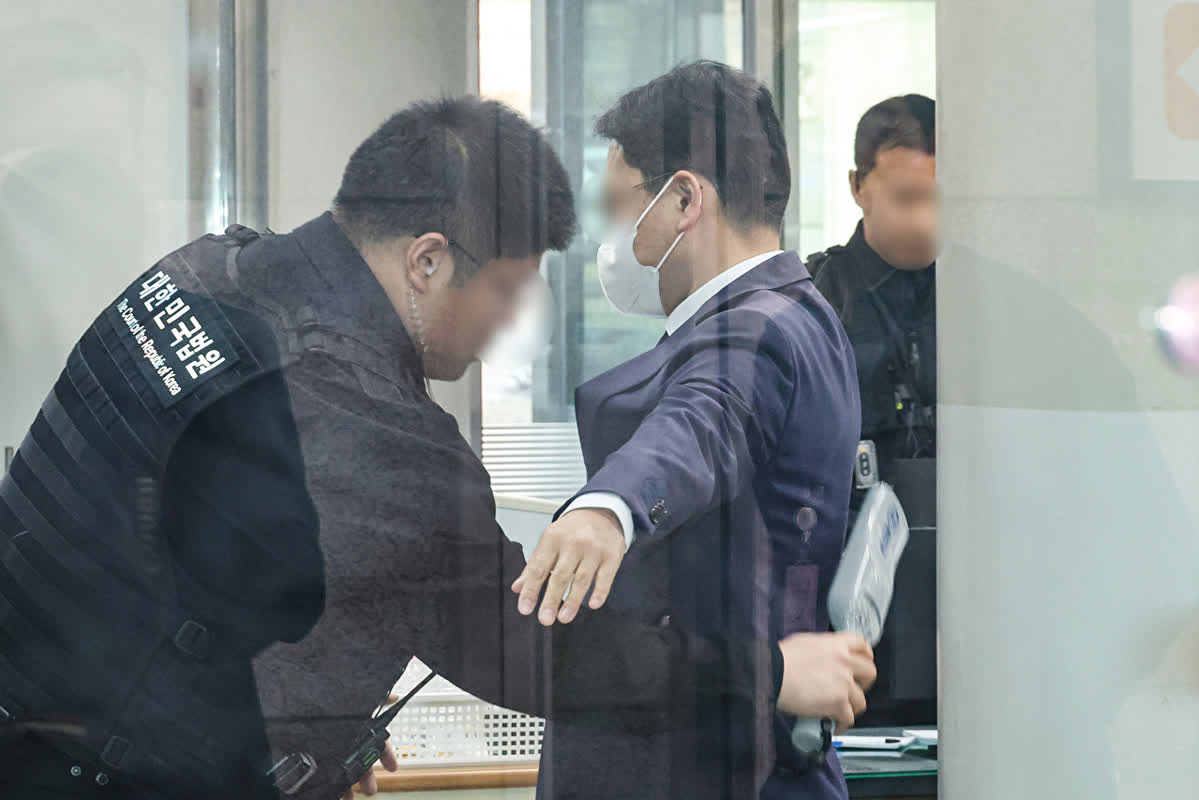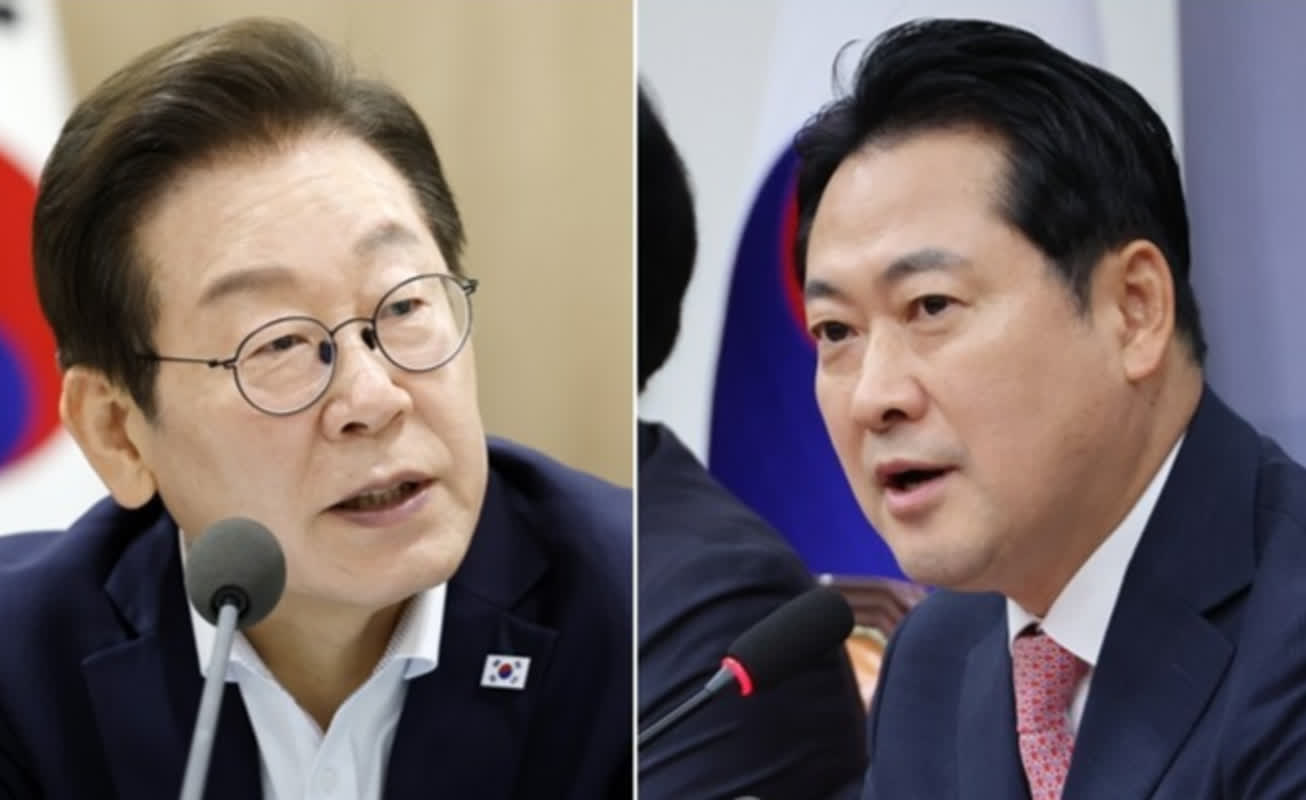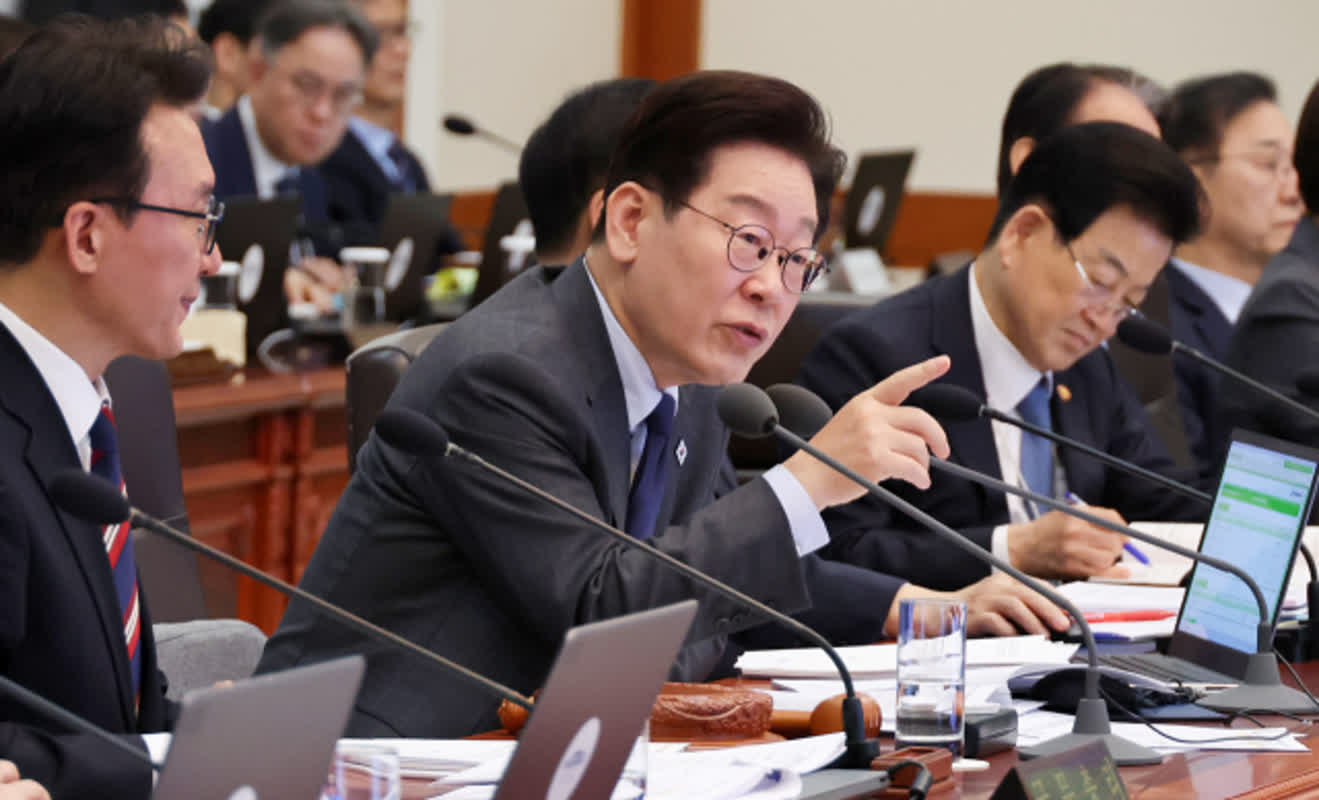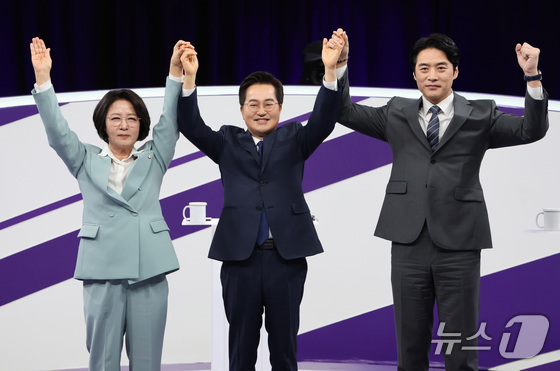
At the Democratic Party’s joint primary debate for Gyeonggi governor, candidates Han Jun-ho, Chu Mi-ae, and Kim Dong-yeon (in ballot order) traded sharp attacks over local issues and their policy platforms. The main flashpoints were whether Phase 3 new towns can sustain local economies, the government’s record on housing delivery, and who is responsible for halting the Goyang K‑Culture Valley project.
The debate ran about 80 minutes on the afternoon of the 30th at MBC’s Sangam studio in Mapo District, Seoul.
The first clash came between Han and Chu over the economic viability of the Phase 3 new towns. When Han pressed Chu for the percentage of land in the Hanam Gyosan district zoned for economic use, Chu replied, "I don’t know precisely," and the exchange escalated from there.
Han warned that without securing local economic bases the developments risk becoming bedroom communities, and he urged a governor who will actively use industrial-allocation powers. Chu argued that securing transport infrastructure before moving residents is essential and emphasized attracting businesses to build local economic capacity.
On housing pledges, Chu launched a direct attack on Kim.
Chu said, "Given the low delivery rate on the 200,000 public-housing promise, proposing an additional 800,000 units raises serious questions about feasibility," and added that it is inappropriate to claim credit for central government projects based solely on permitting authority.
Kim pushed back, accusing Chu of misunderstanding housing policy and arguing that, under a public–private partnership model, starting construction within his term is realistic.
He also criticized Chu’s proposals as insufficiently distinct from current provincial initiatives, citing AI traffic management and a semiconductor cluster as examples of policies already underway. The candidates also differed on technical questions about power supply for semiconductor facilities.
Later in the debate, the suspension of the Goyang K‑Culture Valley project became a focal point. Chu criticized officials for unilaterally stopping the project and provoking local backlash. Kim defended the decision, saying the pause was an unavoidable response to project delays and contract issues.
In opening remarks, each candidate outlined clear strengths and priorities.
Chu pledged to demonstrate decisive administrative execution, citing her work on prosecutorial reform, and emphasized "strong growth," "fairness," and "AI innovation."
Kim presented himself as a hands-on, results-oriented leader, saying the governorship should focus on economics and administration rather than politics. Han sought to distinguish himself by stressing that effectiveness and speed matter in politics, promoting unity and pragmatism.
When asked where they would go and whom they would meet first if elected, Han said he would prioritize in-person outreach on senior citizens’ health given the heat and monsoon season.
Chu promised greater transparency in provincial governance, including live-streamed town halls. Kim said he would first visit a reporting center for businesses affected by escalating tensions in the Middle East, signaling an early focus on economic livelihoods.
The Democratic Party’s final primary to select its Gyeonggi gubernatorial candidate will run April 5–7, with party-member votes and a public-opinion survey weighted 50% each. If no candidate wins a majority, the top two will advance to a runoff.