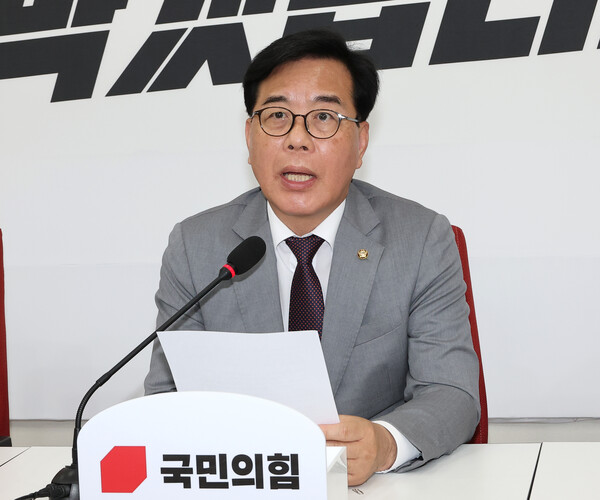
[The Public=Reporter Choi Eol] On April 21, Song Eon-seok, floor leader of the People Power Party, launched a direct attack on the Democratic Party, saying that although the party has tried to quell concerns by denying any discussion of abolishing the long-term holding special deduction (commonly called "장특공"), those denials are likely election-driven rhetoric aimed at the upcoming local elections.
Speaking at a morning party strategy meeting at the National Assembly, Song said, "Abolishing the long-term holding deduction would effectively turn the transaction tax—the capital gains tax—into a windfall-recovery levy and would amount to confiscating citizens' property."
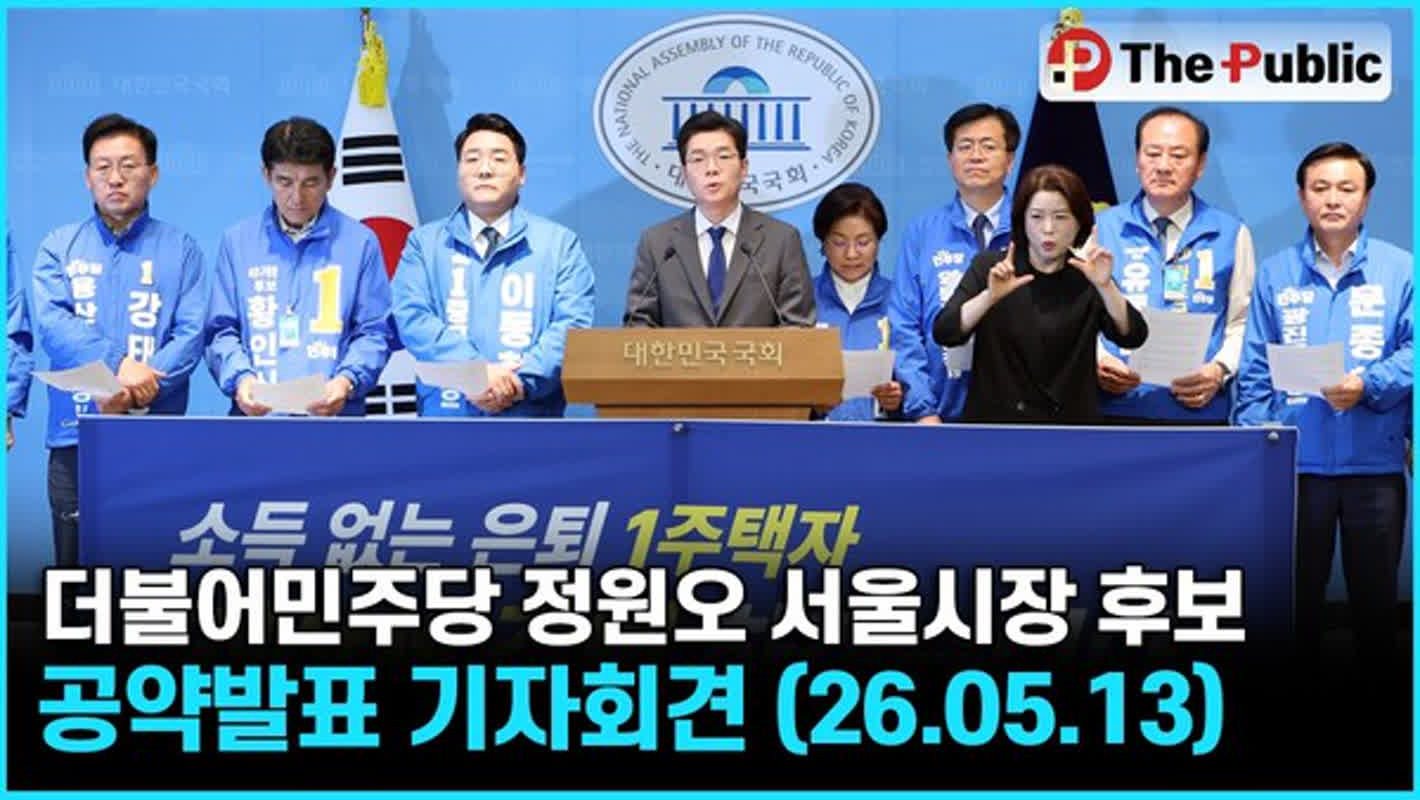
He added, "I am very curious whether Jeong Won-oh, the Democratic Party's Seoul mayoral candidate endorsed by President Lee Jae-myung, agrees with this."
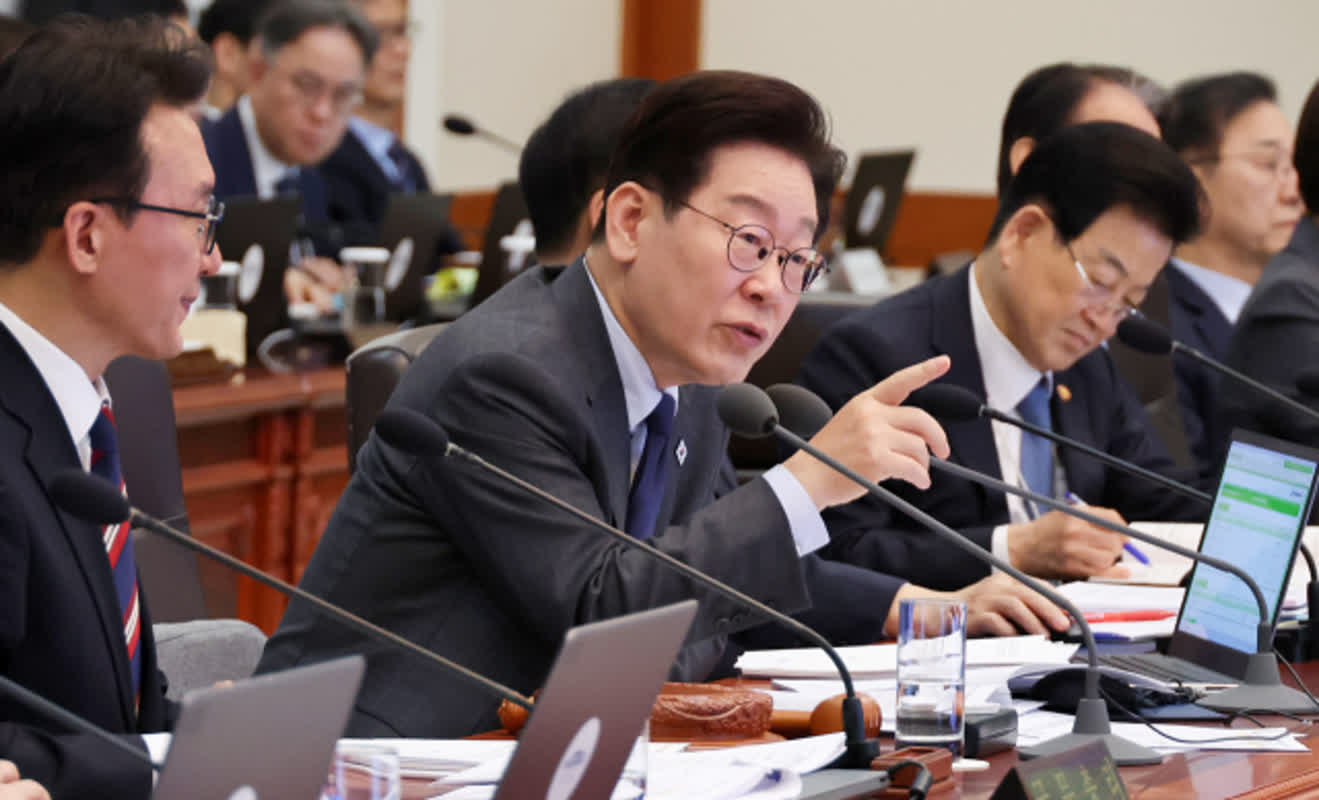
Earlier, on April 18, President Lee wrote on social media: "If someone earns more than 1,000,000,000 KRW (approximately 750,000 USD) in a year from honest labor, they pay almost half in taxes. Yet we drastically reduce taxes on speculative real estate windfalls—tens or hundreds of 100 million KRW units (i.e., 1 billion to 10 billion KRW, approximately 750,000 to 7,500,000 USD)—simply because of long-term ownership (regardless of residency). That runs counter to fairness and common sense." The president's comment appeared to signal support for abolishing the deduction.
The president proposed phasing out the deduction: "We could suspend enforcement for six months, cut the deduction in half for the next six months, and fully eliminate it after one year. If selling quickly becomes advantageous, that will encourage listings rather than hoarding." The Democratic Party quickly pushed back, saying, "Our party has not considered tax reform."
Song retorted that "a stone thrown as a joke can cost a frog its life," arguing that President Lee's offhand social media remark has landed like a tax bomb on single-home middle-income households and on the broader real estate market.
He warned that abolishing the long-term holding deduction is not a mere reduction of an allowance; it would erase part of the tax base and push middle-class taxpayers into higher tax brackets. Song emphasized that the deduction has long been calibrated to vary with the number of houses and actual residence. It is not a special favor, he said, but a basic tax-correction mechanism that reflects both residency and long-term ownership—something the president should recognize.
Park Soo-young, the opposition's ranking member on the National Assembly's Budget and Economy Planning Committee, issued a numerical warning. She said that someone who bought an apartment in Seoul at the 2016 average price of 800,000,000 KRW (approximately 600,000 USD) and sold it today at the current average of 1,500,000,000 KRW (approximately 1,125,000 USD) would face a twelvefold increase in capital gains tax if the long-term holding deduction were abolished. Under current law, a taxpayer who qualifies for a 40% deduction for 10 years of residence and a 40% deduction for 10 years of ownership would pay only 2,820,000 KRW (approximately 2,115 USD) in capital gains tax; without the deduction, the bill would rise to 35,950,000 KRW (approximately 26,963 USD).
She added, "Wasn't the rise in home prices driven by the Moon Jae-in and Lee Jae-myung administrations rather than by homeowners themselves? Using a tax bomb to suppress people is an unconstitutional idea that would infringe on the freedom to move."