Could this be the first use in 33 years since President Kim Young‑sam introduced the financial real‑name system in 1993?
The Blue House presented it as one example and said the government can mobilize all measures in an emergency.
The opposition called it a political stunt that ignores constitutional procedures and said this is not a situation to invoke "economic martial law."
President Lee also ordered strict action against fake news, including claims that 900,000 barrels of oil were diverted to North Korea.
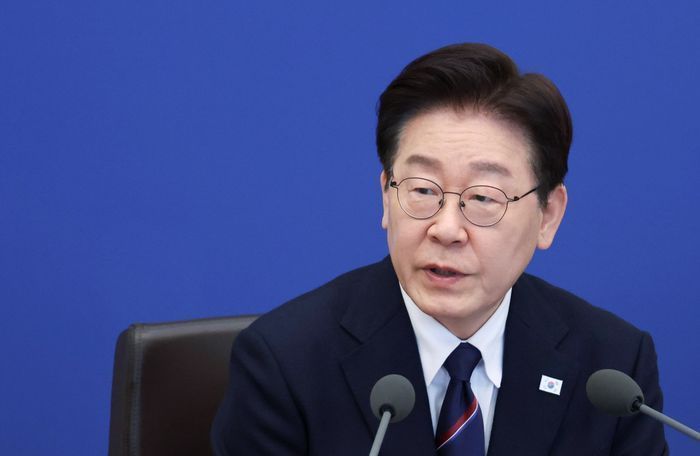
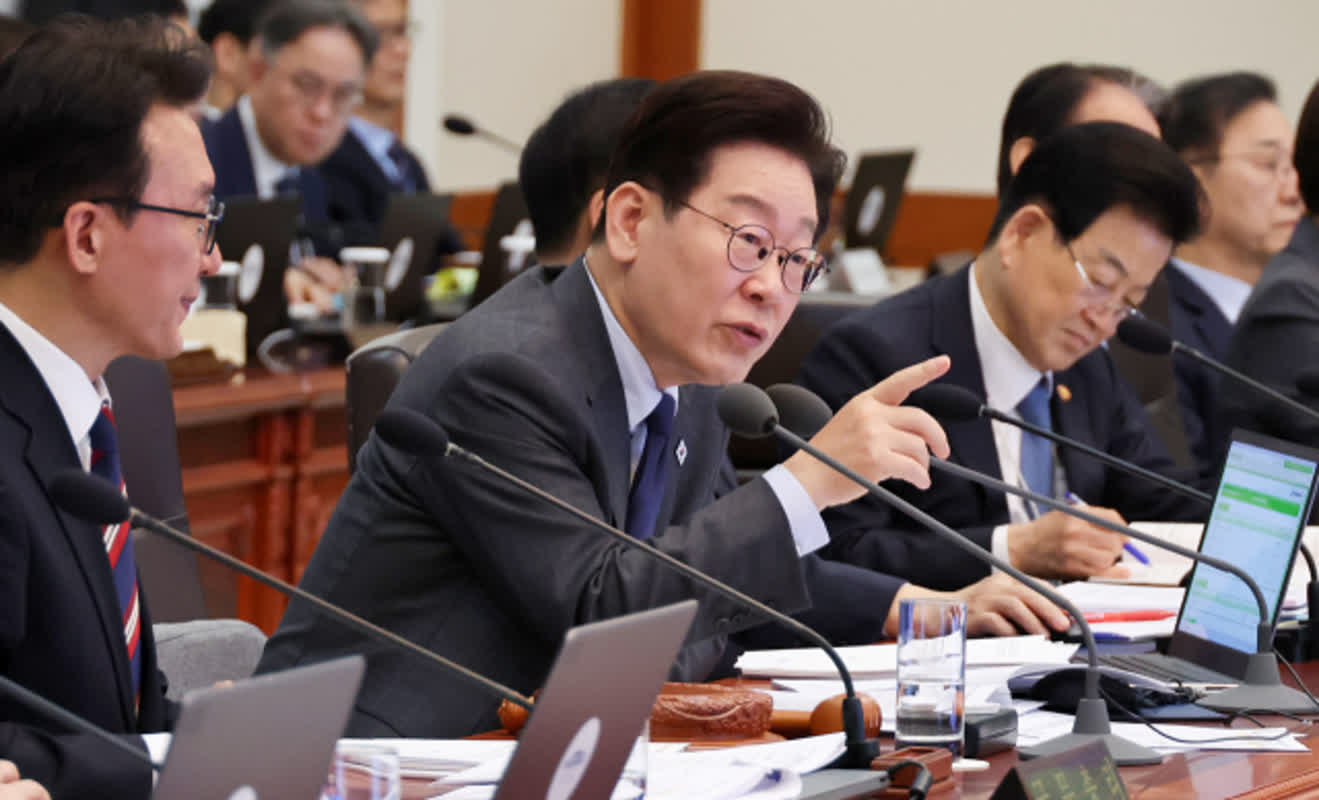
President Lee Jae‑myung said the government must respond proactively to energy supply risks arising from a protracted Middle East war and raised the possibility of invoking an emergency financial order. The Blue House later clarified he was not announcing an immediate invocation; rather, he was stressing that, in an emergency, the government can deploy every policy tool, urging officials to act proactively and citing the order as one possible option.
At the Cabinet meeting he chaired at the Blue House on the morning of the 31st, Lee warned that the fallout from the Middle East war has triggered alarm bells across the global economy and said that, if the situation becomes urgent, the constitutionally provided emergency financial order could be used.
Lee said officials often default to established practices and routine procedures when crafting responses, but that a more active and assertive approach is needed. If necessary, he said, the government should pursue legislation and make every effort to deploy its powers and capabilities to the fullest, rather than being constrained by past practice.
He urged officials not to respond with, "We can't because of the law," but to research ways to overcome current institutional and legal limits. He repeatedly asked rhetorically whether the constitution does not already provide an emergency financial order that could substitute for ordinary legislation.
Lee added that, if required, the government can amend laws, revise enforcement decrees, and change guidelines. He said legally permissible actions should be taken even if they break with precedent. If ministries encounter obstacles, he told them not to sit on the problem but to bring it to Cabinet or the presidential office for resolution, even if that means adopting emergency legislation.
The emergency financial order is an inherent presidential authority under Article 76 of the Constitution. It allows the president to issue orders with the force of law when urgent measures are needed for internal unrest, foreign attack, natural disasters, or a severe fiscal or economic crisis, and there is no time to wait for parliamentary legislation. The government decides after Cabinet deliberation, but the president must later report to and obtain approval from the National Assembly; without that approval, the orders lose their effect.
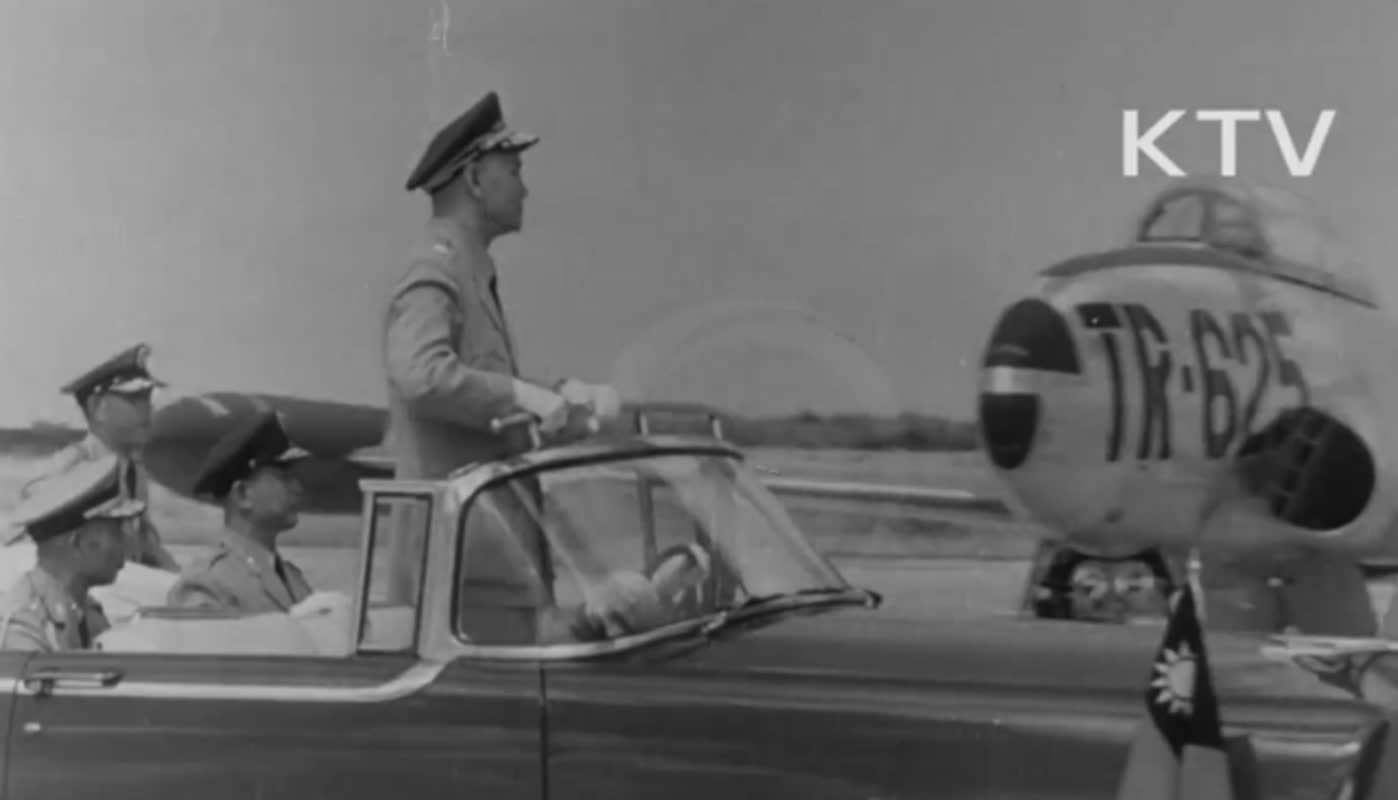
The most recent use was in 1993, when former President Kim Young‑sam invoked it to implement the financial real‑name system. The 1972 emergency measures under Park Chung‑hee (the Aug. 3 economic measures) are another notable example, but since democratization the mechanism has been used only once.
This is not the first time Lee has mentioned the emergency financial order. During the 2022 presidential campaign, he proposed a plan for an emergency financial order on the scale of 50 trillion KRW (about 37.5 billion USD).
Blue House spokesperson Kang Yoo‑jeong said at an afternoon briefing that Lee's remarks meant the government can mobilize all policy tools during an economic crisis or emergency. In context, she said, the president was urging bureaucrats not to be constrained by routine practices and to offer proactive, autonomous solutions.
She said those solutions could produce extraordinary measures and exceptional responses, and that the emergency financial order was cited as one example among them.
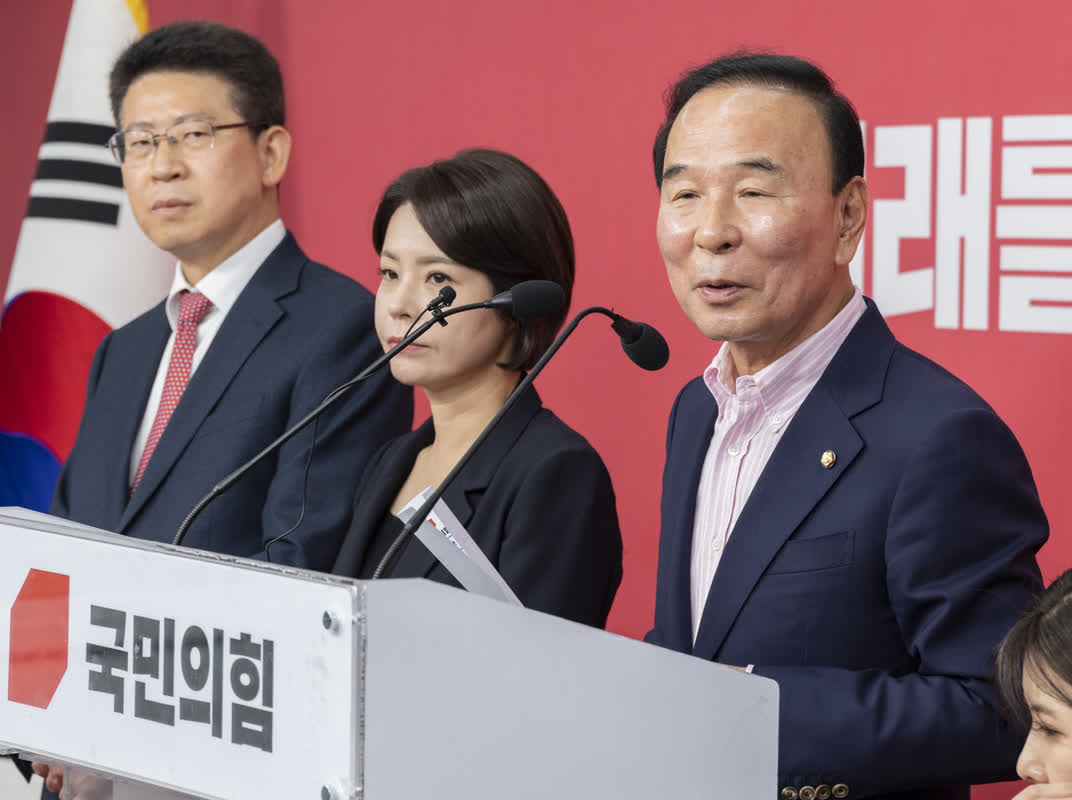
The opposition criticized the remarks as a political show. Choi Bo‑yoon, chief spokesperson for the People Power Party, said in a statement that the emergency financial order under Article 76 is a last resort reserved for extreme situations when the National Assembly is not in session and there is no time to convene it, and that mentioning it now amounts to admitting a lack of concrete alternatives to address the crisis.
Choi added that the National Assembly currently operates year‑round, and that even if an emergency financial order were issued it would still require reporting to and approval from the Assembly; without approval the order would have no effect. He called the president's premature use of the emergency card a political stunt that disregards constitutional procedure.
Former People Power Party leader Han Dong‑hoon wrote on Facebook that while this is a period of heightened risk, it is not a moment for the extra‑legal "economic martial law" invoked only when there is no time to convene the Assembly. With the ruling party holding a majority, he said, there is no reason to bypass the legislature. He warned against lightly suggesting emergency financial orders—measures that were not used even during the 1997 IMF crisis or the 2008 financial crisis—and urged the president not to unsettle the public or the economy.
Separately, Lee addressed controversy over the supply of pay‑as‑you‑throw trash bags, saying national inventories and raw materials are sufficient and the situation is manageable, though some localized problems have been exaggerated.
Responding to online rumors that 900,000 barrels of crude oil stored at the Ulsan strategic reserve were diverted to North Korea via third countries such as China, Lee said that Vietnam purchased the 900,000 barrels and that malicious rumors claiming the oil went to North Korea are false. He called for a rapid investigation to identify who spread the rumors and to deter similar actions in the future.
He also urged law enforcement to respond firmly and swiftly to the indiscriminate spread of false information online about the government's crisis response.
© Dailyan Co., Ltd. Unauthorized reproduction and redistribution prohibited