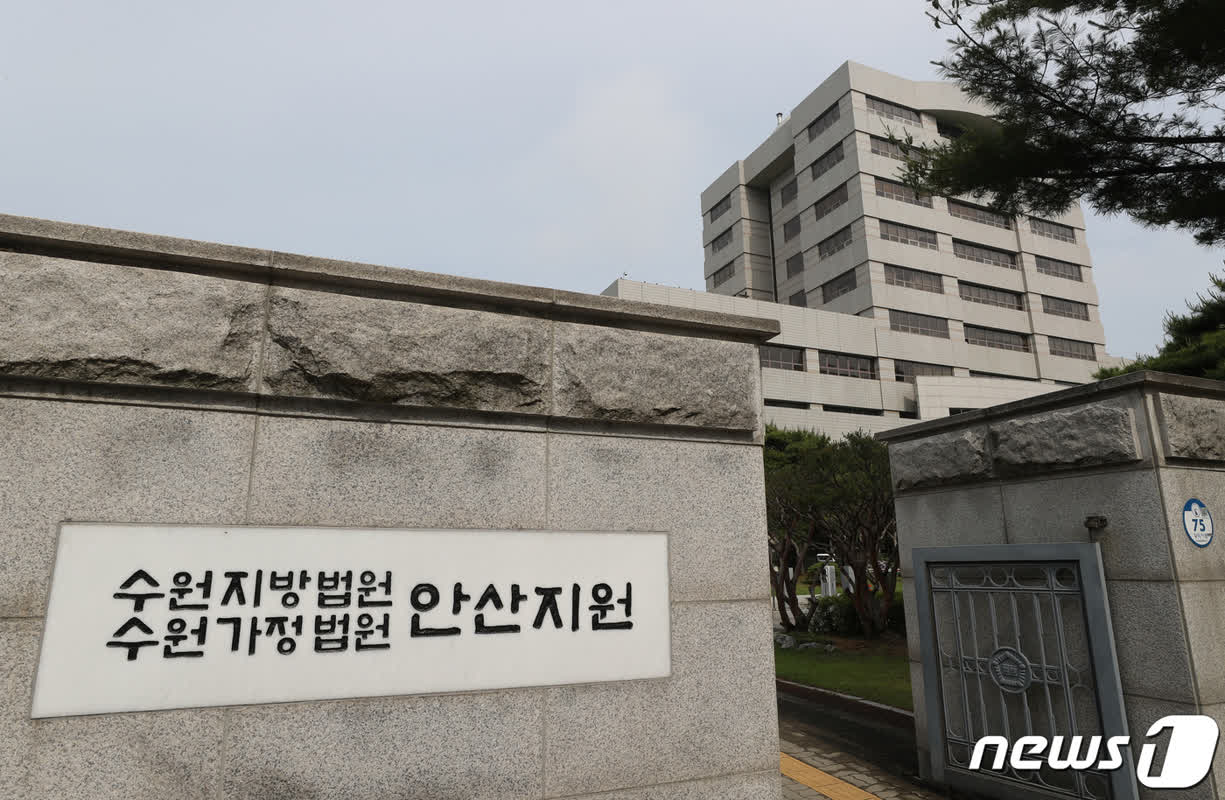
One in three preliminary candidates from Daejeon preparing for South Korea's 9th nationwide local elections has a criminal record, prompting calls for parties to tighten candidate vetting to meet voter expectations.
As of March 15, the National Election Commission reported 110 registered preliminary candidates for the 9th local elections — including metropolitan and municipal executives and city and district council members. Of those, 35 candidates (31.8%) have criminal records — roughly one in three.
More than 60% of preliminary candidates for metropolitan and municipal executive posts and for city and district councils have a history of drunk driving; many are repeat offenders. The commission said some violated the Special Act on the Treatment of Traffic Accidents. Nine candidates have two or more convictions.
Among the four preliminary candidates running for Daejeon mayor, Candidate A was caught once for drunk driving and once for driving without a license.
The district mayor contests show similar problems.
Of 25 preliminary candidates vying for the five district mayor posts, 10 (40%) have criminal records, and half of those have drunk-driving histories.
Candidates B and C, who entered the Dong District mayoral race, Candidate D in the Jung District race, and Candidate E in the Daedeok District race were all stopped by police on suspicion of drunk driving.
Prospective city and district council members exhibit comparable patterns.
Nine of 28 city council hopefuls (32.9%) and 12 of 53 district council hopefuls (22.6%) have criminal records. In the most serious case, Candidate F, running for a Daedeok district council seat, has five convictions, three of them for drunk driving.
Given these findings, voters and watchdog groups are demanding tougher, more rigorous candidate screening from the parties.
Yuk Dong-il, president of the Korea Research Institute for Local Administration, said, \"Parties must set clear standards to present voters with suitable choices to represent their communities. The foremost priority should be whether a candidate possesses the qualities to represent citizens; competence should be considered next.\"
Shocking Findings: 31.8% of Daejeon Local Election Candidates Have Criminal Records
Choi Da-in | 2026.03.15
Recommended Posts
Ex-NIS Chief Jo Tae-yong Faces 7-Year Sentence: What’s Next for South Korea’s National Security?

Is President Yoon's Promise of Unity Just Selective Governance? A Deep Dive into Daegu-Gyeongbuk's Administrative Law Delay
Trump's NATO Critique: Are Member States Failing to Support the US?
High-Profile Bribery Case: Why South Korea's Judge and Lawyer Walk Free Despite Serious Allegations

민형배 Plans to Transform 전남광주 into a Citizen-Led Government

AI Models Expose Bias in Daejeon Mayor Poll: What You Need to Know
Latest Popular Posts
Real-time TOP
1
2026 지방선거: 국민의힘 장동혁 대표의 전략과 민심 분석
2026.05.05