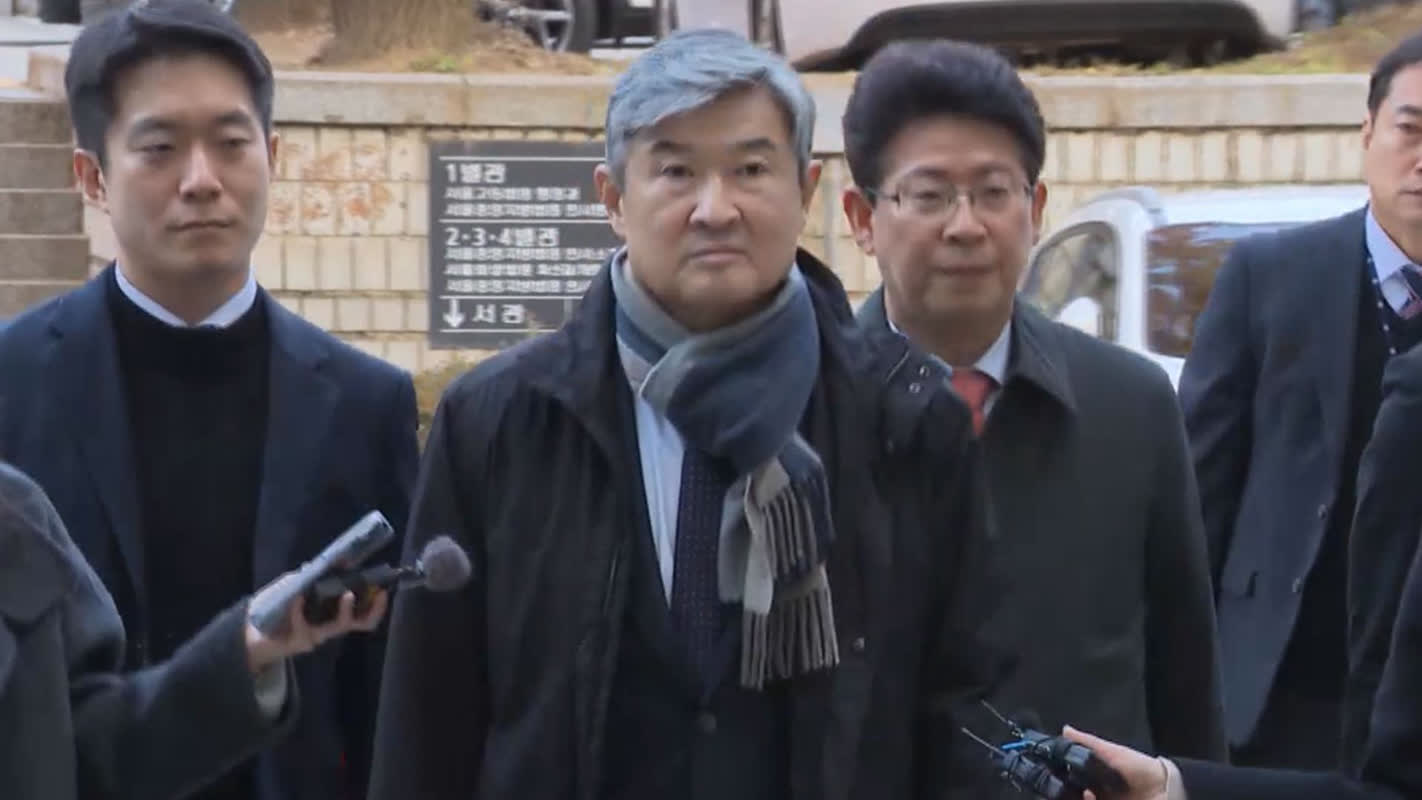
Seoul Mayor Oh Se‑hoon refused to submit his nomination by the extended filing deadline on the afternoon of March 12, demanding that the People Power Party change its leadership stance.
With no sign the weeklong tug‑of‑war between Oh and party leaders easing, the broader opposition looks likely to be weakened ahead of the local elections.
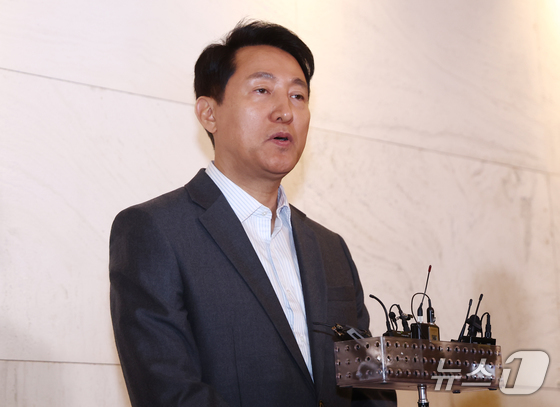
Speaking to reporters in Jung‑gu that afternoon, Oh apologized and said, "I am sorry, but I cannot register for the party nomination today."
He said he would allow the nomination window to remain open while he watched for a change in the party leadership's direction, but he rejected calls to withdraw from the race. "I'll make my position clear. I will participate in the election," he said.
The move was intended to dispel speculation that he might abandon the Seoul mayoral contest to pursue party leadership. Oh insisted he would not step aside until his demands — the early launch of a reform campaign committee and a personnel shake‑up — were met.
The confrontation between Oh and the party leadership dates back more than a week. Having pressed party leader Jang for a change in direction, Oh posted a Facebook message on the 7th titled "My Final Plea," urging that even if nomination submissions were delayed, a decisive debate should first be arranged.
That same day Oh met with Leader Jang and repeatedly called for the removal of pro‑leadership faction figures and the immediate formation of a reform campaign committee, but the meeting ended without clear commitments.
Ultimately, Oh said, "The party's direction must be normalized first," and he did not file his nomination by the original March 8 deadline.
When the People Power Party adopted a so‑called "separation from Yoon Suk Yeol" resolution on March 9, Oh viewed it as the start of meaningful change, and the situation briefly appeared to shift.
The party's nomination committee responded at a March 11 press conference, noting that Seoul and South Chungcheong carry great symbolic weight and scale, and it kept an additional application window open until March 12.
Leader Jang continued to signal a change in tone by apologizing for the Yoon Suk Yeol administration's labor and healthcare policies. Breaking his silence on the parliamentary resolution, he confirmed the next day that the statement issued in the names of all 107 lawmakers reflected the People Power Party's position.
At the supreme council meeting on the filing day, Jang asked that no further disciplinary discussions be pursued on the lodged cases until after the local elections, and he urged party officeholders to refrain from commenting on internal matters or personnel.
Observers interpreted those steps as effectively suspending disciplinary procedures by the party ethics committee — which Oh had targeted for overhaul — and silencing the pro‑leadership faction's spokespeople.
Still, Oh withheld his nomination again, arguing that the early launch of the reform campaign committee and the personnel changes remained insufficient.
By making the committee's formation and personnel reshuffles conditional, Oh has pushed the dispute into a phase unlikely to be resolved quickly.
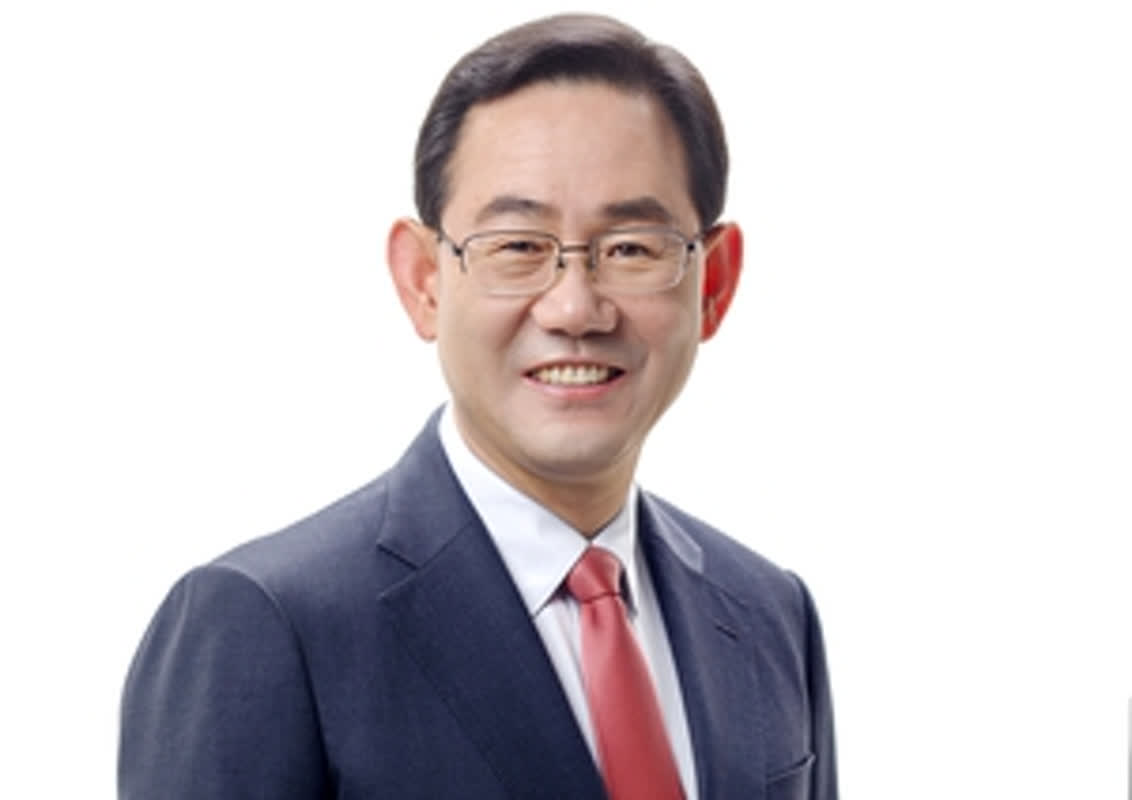
Within the party, some blame Oh for prolonging the standoff. A senior floor leader criticized him sharply, saying, "He told us he'd register if we held a party meeting, and we set that position. Now he demands further action. Asking us to create a special schedule just for him within the official election process shows a sense of entitlement and amounts to preferential treatment."
The impasse has deepened Leader Jang's dilemma. A party official declined to comment, saying, "We have no particular position at this time."
From Jang's perspective, accepting the reform campaign committee would likely mean placing someone else at the forefront of the campaign, making it a difficult concession. Yet rejecting Oh's demands leaves the party without a clear heavyweight replacement.