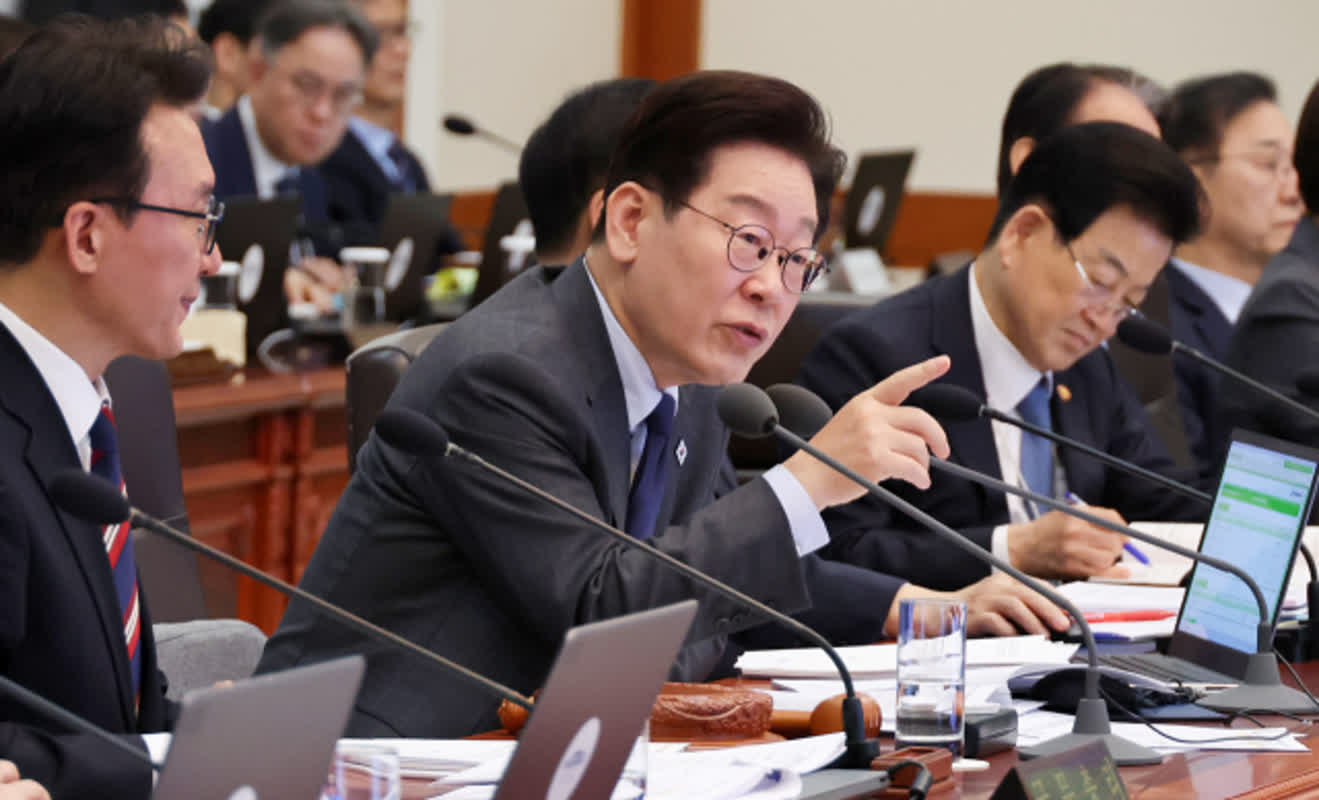
President Lee Jae-myung has concentrated his efforts on protecting livelihoods and strengthening direct communication with citizens in response to the prolonged Middle East crisis and rising oil prices and exchange rates, which have raised concerns about higher domestic energy costs and inflation.
In recent weeks he has convened back-to-back Cabinet and senior secretaries' meetings to coordinate responses, while expanding direct outreach — visiting traditional markets and using social media — to address everyday economic concerns.
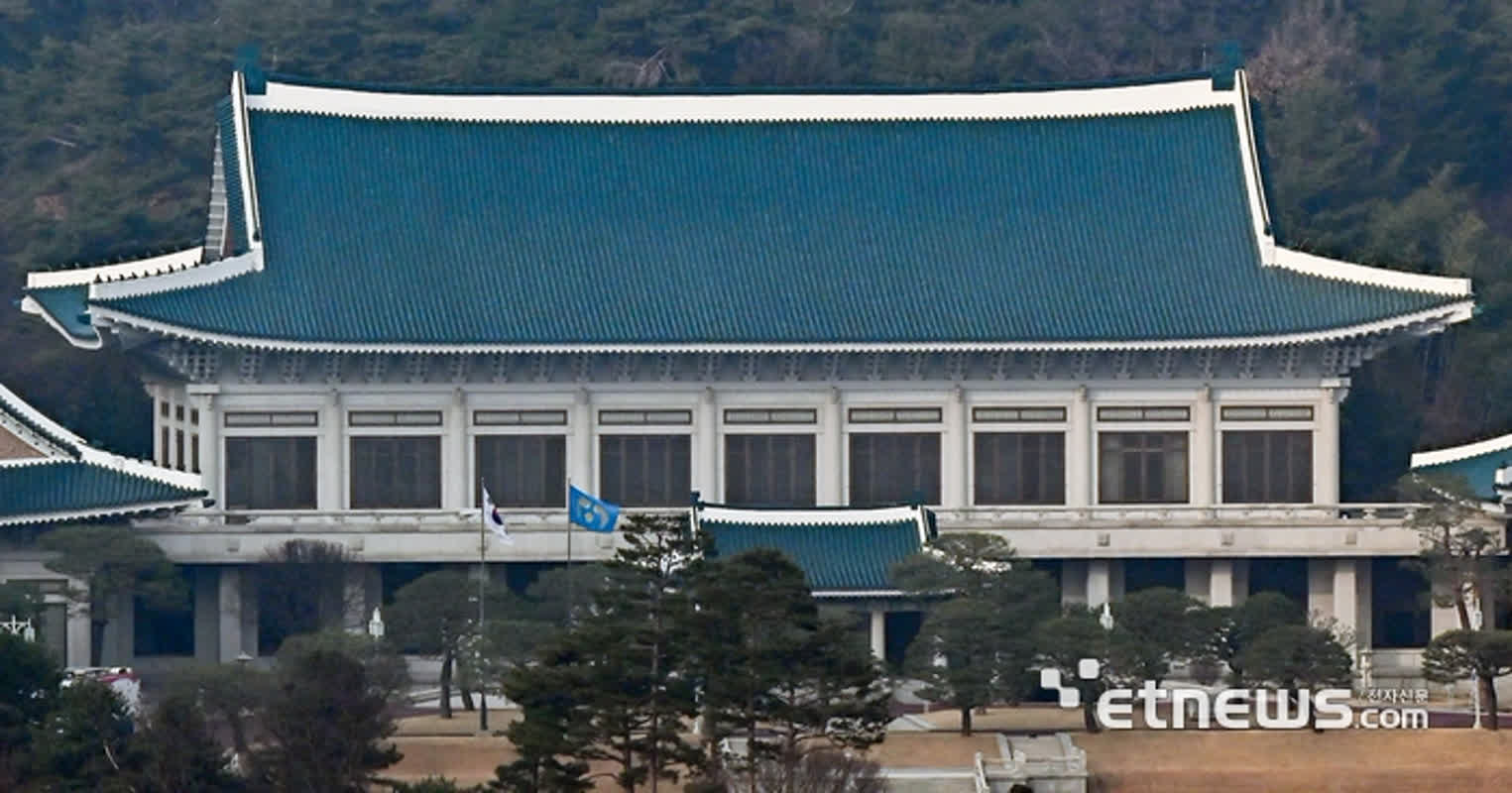
On the day after returning from visits to Singapore and the Philippines, on the 5th he presided over an extraordinary Cabinet meeting at the Blue House. On the 9th he held an emergency economic review on the Middle East situation and ordered the implementation of an oil price cap and the rapid deployment of a 100 trillion KRW market-stabilization program (about $75 billion).
He then chaired a Cabinet meeting on the 10th and a senior secretaries' meeting on the 12th, stressing that economic downturns hit vulnerable groups hardest and that widening polarization deepens inequality. He warned that the \"golden time\" to blunt shocks to people's livelihoods must not be wasted and ordered the swift drafting of the supplementary budget the government is preparing.
The government plans to accelerate preparatory work and submit this year's first supplementary budget to the National Assembly by the end of the month.
He has also made consecutive visits to local traditional markets, checking grocery prices and listening to vendors on the ground.
On the 13th, President Lee visited Sachang Market in Cheongju, sampled freshly made tofu and hotteok, and had lunch with merchants, promising to ensure practical support is delivered.
On the 15th, after attending the 66th anniversary ceremony commemorating the March 15 uprising in Changwon, South Gyeongsang Province, he and First Lady Kim Hye-kyung visited Bansong Market to ask vendors about recent sales and hear their concerns.
The president's social media posts have likewise focused on livelihoods.
On the 16th, on X, he wrote that South Korea — where overall and elderly suicide rates are among the highest in the world — sees poverty as the single biggest cause of elderly suicide, and he proposed increasing the basic pension under a \"more-for-the-less\" approach to reduce elderly poverty.
In the early hours of the 15th he warned that burning near forests is absolutely prohibited, writing that if a wildfire starts you can be charged with arson and held liable for damages, and urged extreme caution. On the 14th he shared a post by Financial Services Commission Chairman Lee Eok-won about abolishing the cap on rewards for reporting stock manipulation, calling it a way to \"get rich while building a better country\" and encouraging people to report wrongdoing.
However, he has largely refrained from engaging directly in political disputes such as allegations of a so-called \"prosecution-dismissal deal.\"
At the same time, at a dinner with 34 first-term Democratic Party lawmakers on the 15th, he expressed concern about potential clashes within the ruling party over parts of the government's prosecutorial reform proposals.
A recent poll showed his approval rating rising into the 60s and peaking at 66 percent, with respondents most frequently citing economic performance and attention to livelihoods as reasons for their positive evaluations.
How President Lee Jae-myung's Economic Policies Are Addressing Rising Prices in 2026
Lee Jae-myung | 2026.03.16
Recommended Posts
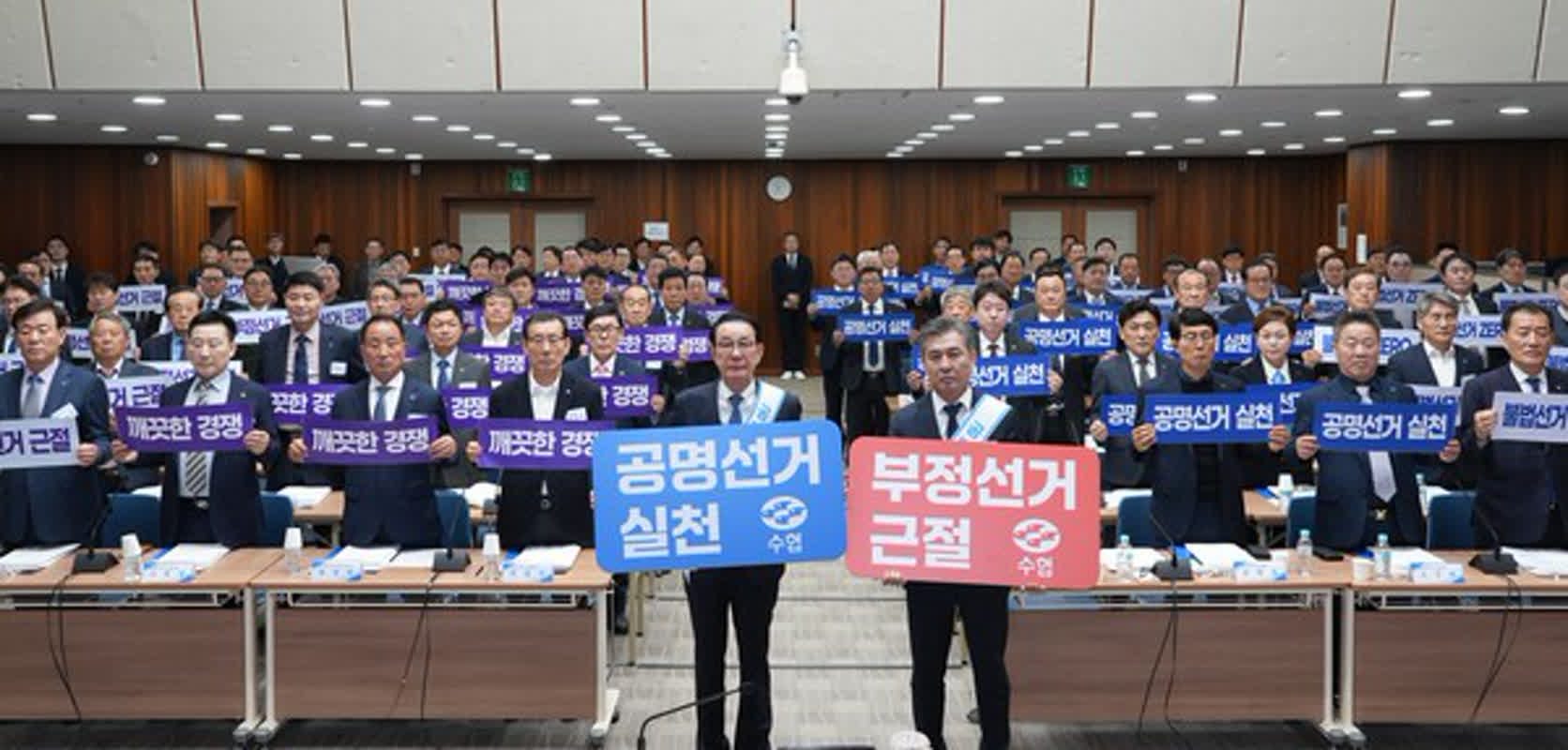
2026 전국동시조합장선거: 공명선거 실천을 위한 조합장 결의대회
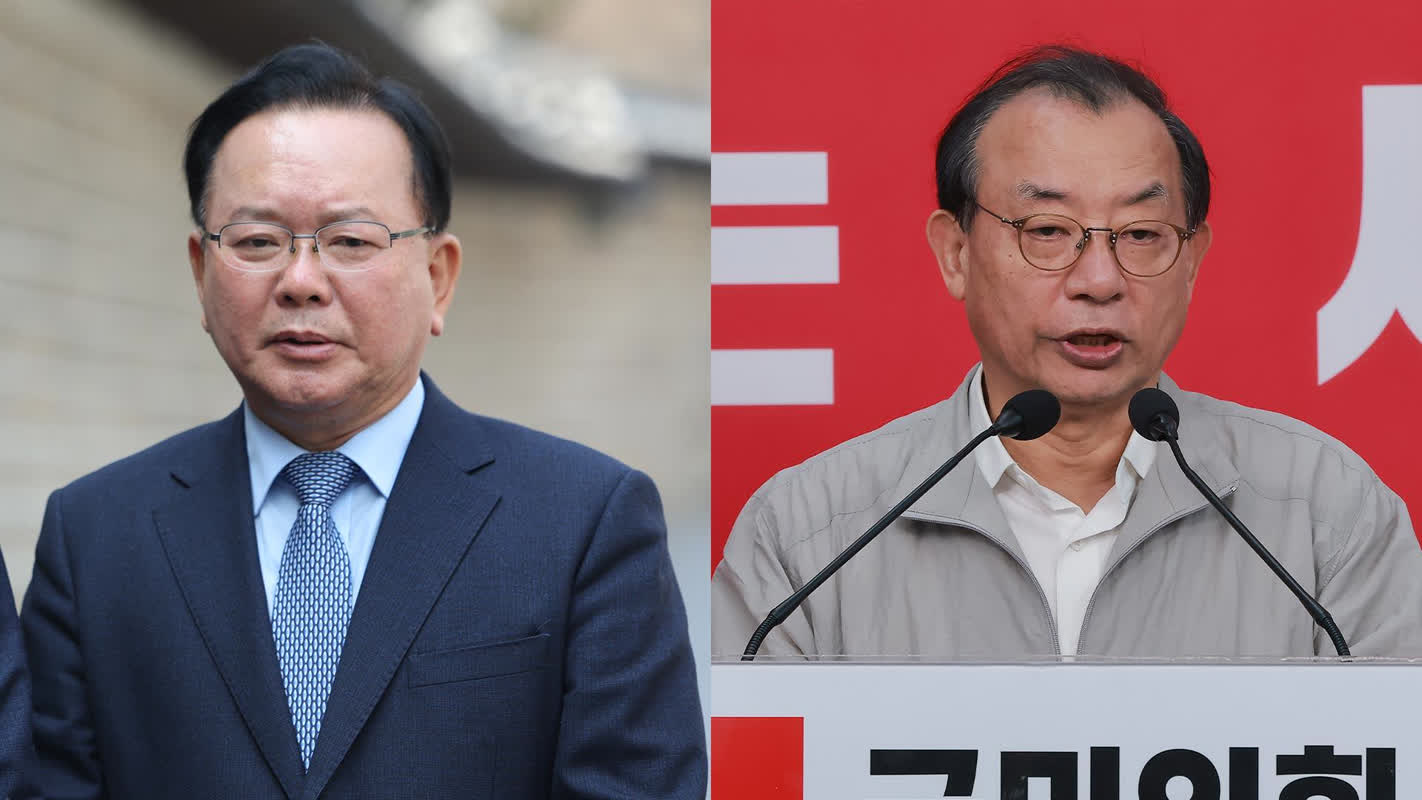
Kim Boo-kyum's Bold Bid for Daegu Mayor: Can He Shift Democratic Momentum in 2026?
The Controversy Behind An Ho-young's Hunger Strike: What You Need to Know
Samsung's Future at Stake: Will Lee Jae-myung's Policies Threaten the Semiconductor Boom?
South Korea's Emergency Budget: What You Need to Know About the 2026 Supplementary Budget Plan
Is South Korea Facing an Economic Crisis? President Lee's Emergency Financial Order Explained
Latest Popular Posts
Real-time TOP
1
2026 지방선거: 국민의힘 장동혁 대표의 전략과 민심 분석
2026.05.05