The Democratic Party is moving to fast-track the government’s amended bills to establish a Serious Crimes Investigation Office (SCIO) and a Public Prosecution Office, aiming to pass them at the National Assembly plenary session as early as the 19th. The public hearing on the Public Prosecution Office bill, previously scheduled by the Legislation and Judiciary Committee, now appears effectively canceled.
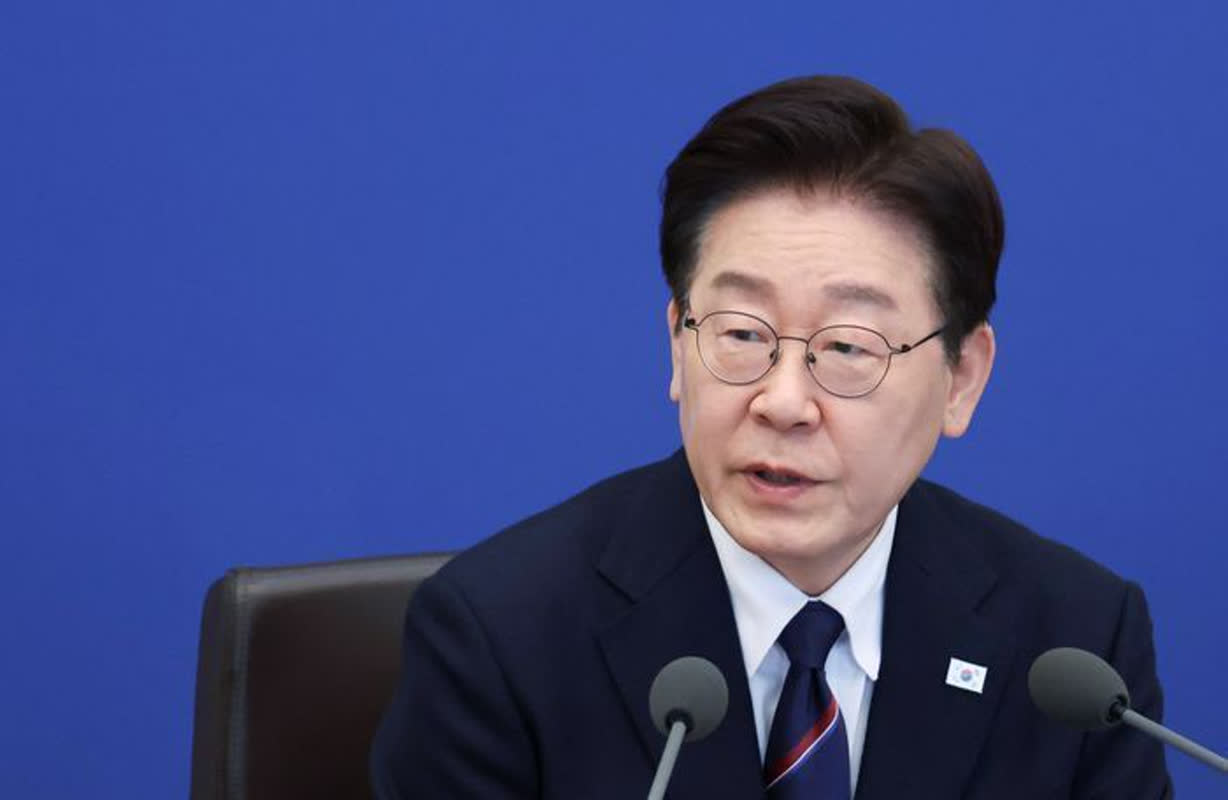
After President Lee Jae-myung met with first-term Democratic lawmakers on the 15th and signaled a rebuke to party hardliners opposing the government’s amendments—saying, for example, “not all prosecutors are bad”—the party has stepped up efforts to ensure the bills move forward.
Jeong Cheong-rae, the Democratic Party leader, told the party’s executive meeting at the National Assembly on the 16th that the party, the government and the Blue House are coordinating closely to preserve the principles of prosecution reform, and pledged that they would “do our best to deliver results quickly.”
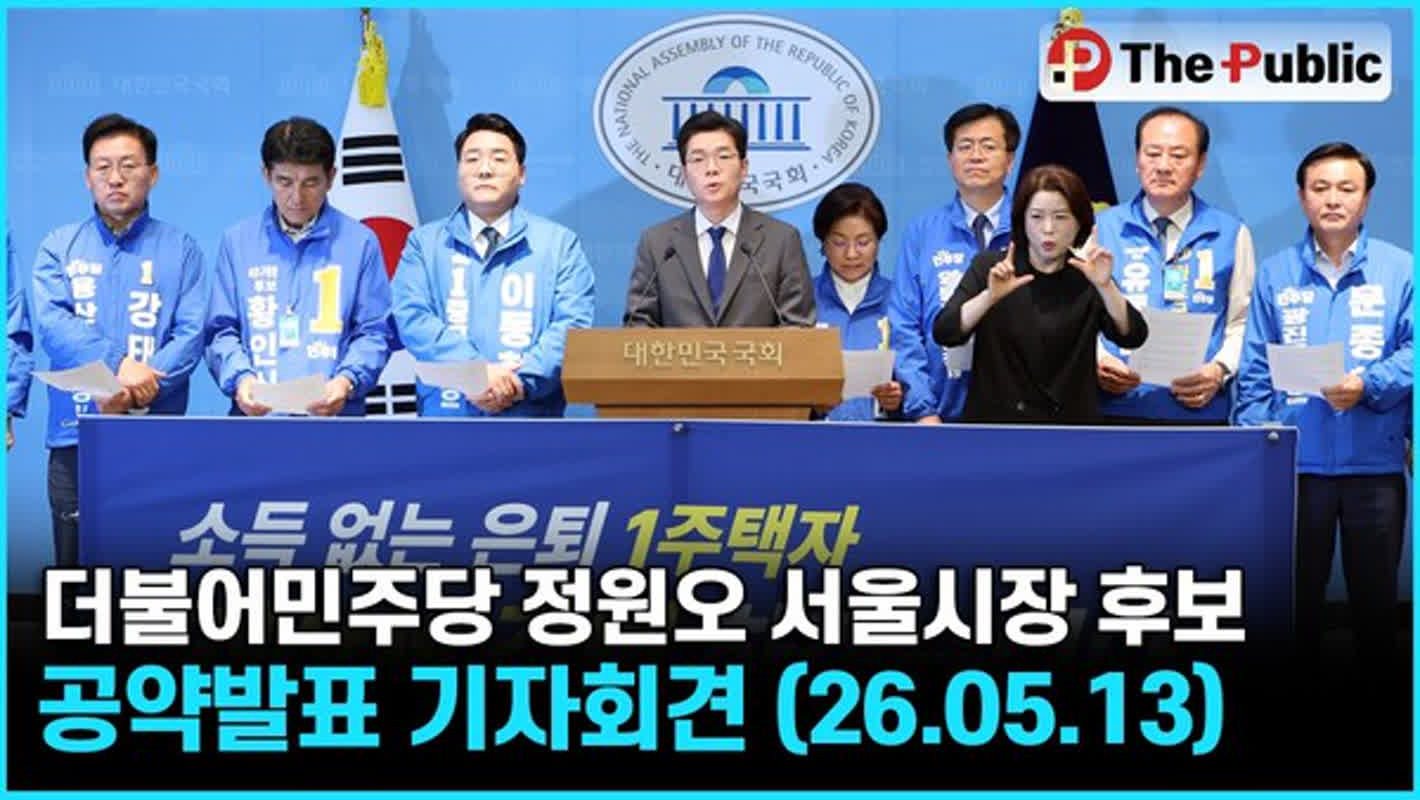
Chief spokesperson Kang Jun-hyun told reporters after the meeting that he “wouldn’t rule out” passing the SCIO and Public Prosecution Office bills on the 19th. He said the party is coordinating timing and is prepared to target passage within the March session if needed.
Spokesperson Kim Ki-pyo said, “Since the amendment has been adopted as the party position, we’re coordinating on that basis, so passage on the 19th remains possible in principle.” He added that coordination is proceeding calmly, quietly and swiftly.
At the dinner with first-term Democratic lawmakers the day before, the president reportedly expressed reservations about renaming the prosecutor-general and about broad-brush criticism of prosecutors.
He also posted on X (formerly Twitter) that “some concerns about prosecution reform are unfounded,” warning that excessive virtue signaling and unnecessary measures could give entrenched interests facing dismantlement both a pretext and an opportunity to regroup.
The government continues to solicit feedback on its amendments. The prosecution-reform task force held a forum that day on “supplementary investigations and public requests for supplementary investigations.” On the 11th, the task force held a public hearing with the Korean Bar Association on strengthening investigative agencies’ capabilities.
The National Assembly’s Public Administration and Security Committee reviewed the SCIO bill in Bill Review Subcommittee No. 1 but, unable to find common ground, postponed further consideration to the morning of the 17th.
Yun Geon-young, the subcommittee chair and a Democratic lawmaker, told reporters they had planned to summarize key SCIO issues but earlier debate on a special law to establish a Jeonbuk Special Self-Governing Province ran long. “We adjourned for the day and agreed to review major SCIO points at 10 a.m. on the 17th and try to handle them that morning,” he said.
Floor leader Han Byung-do plans to meet on the 17th with Shin Jeong-hoon, the committee chair from the same party, to discuss the SCIO bill.
The Legislation and Judiciary Committee, which oversees the Public Prosecution Office bill, also plans to table the bill in its Bill Review Subcommittee No. 1 at 2 p.m. that day. Lawmakers appear likely to move straight into review without holding the previously planned public hearing.
A spokesman for Subcommittee Chair Kim Yong-min said the Public Prosecution Office bill has already gone through a public hearing, so any additional hearings would be optional and, if held, would be open to the public.
Hardliners centered in the Legislation and Judiciary Committee continue to argue that the government’s amendments need further revision. Committee chair Choo Mi-ae told the YouTube program “Maebul Show” that after the government finalized its proposal, strong public support pushed for comprehensive reform; if the legislation falls short, she warned, it could lead to social conflict.