Lawmakers clashed over a bill to establish the Serious Crimes Investigation Office (SCIO), a follow-up to prosecution reform that the Democratic Party introduced to the full session of the National Assembly’s Public Administration and Security Committee.
The Democratic Party stressed urgency, saying, “Timing is important. We must pass it this month.” The People Power Party pushed back, arguing, “Even within the ruling party there are fights over the SCIO bill.”
At the meeting, the committee placed four SCIO bills on the full-session agenda: the government’s proposal; bills from Democratic Party lawmakers Min Hyeong-bae and Lee Yong-woo; and a proposal from Hwang Un-ha of the Jo Guk Innovation Party.
The government’s proposal would streamline SCIO staffing into a single investigator track and narrow the office’s investigative remit from nine categories to six: corruption, economic crimes, drugs, defense procurement, national security, and cybercrime. The draft was adjusted to account for resistance from hardliners on the ruling party’s Legislation and Judiciary Committee.
The bill would also allow someone without a lawyer’s license to serve as SCIO chief if they have at least 15 years of experience in investigative or legal work.
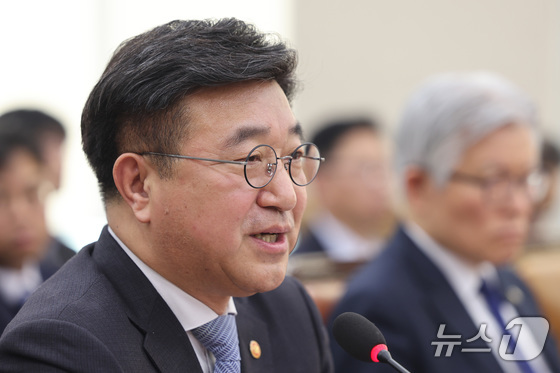
At the hearing, Interior and Safety Minister Yoon Ho-joong said the government’s SCIO proposal aims to secure fairness in the criminal justice system and restore public trust by abolishing the current Prosecutor’s Office and creating a Public Prosecution Office under the Minister of Justice and an SCIO under the Minister of the Interior and Safety.
Yoon added that, through amendments to the government organization law, the proposal seeks to establish rules for setting up and operating the SCIO, which would handle serious-crime investigations.
The opposition immediately criticized the plan, saying the debate exposed sharp divisions even within the ruling party.
People Power lawmaker Lee Seong-gwon said the bill was advanced without a clear, predesigned division of roles between the SCIO and the Public Prosecution Office. “People are confused,” he said, adding that disagreements within the ruling party have become public and contentious.
His party colleague Seo Beom-su warned that securing independence and political neutrality from political power is paramount. He pointed out that many SCIO subordinate units would fall under the Interior Minister, raising concerns that it would be hard to guarantee investigative independence from ministerial influence.
Although the current government bill does not address it, the administration plans to discuss after June whether to abolish the supplemental investigative powers of prosecutors in the Public Prosecution Office — an issue seen as a potential flashpoint that could intensify intra-party conflict.
Lawmaker Hwang Un-ha criticized the government draft for omitting that question, arguing that it is preferable to handle the Public Prosecution Office and SCIO bills together with the decision on whether prosecutors should retain direct investigative authority.
He added that the SCIO bill he introduced, along with other prosecution-reform measures, presupposes a complete separation of investigation and prosecution — including abolishing prosecutors’ supplemental investigative powers.
Meanwhile, Democratic Party lawmakers defended moving the bill, insisting it must pass during the March session of the National Assembly.
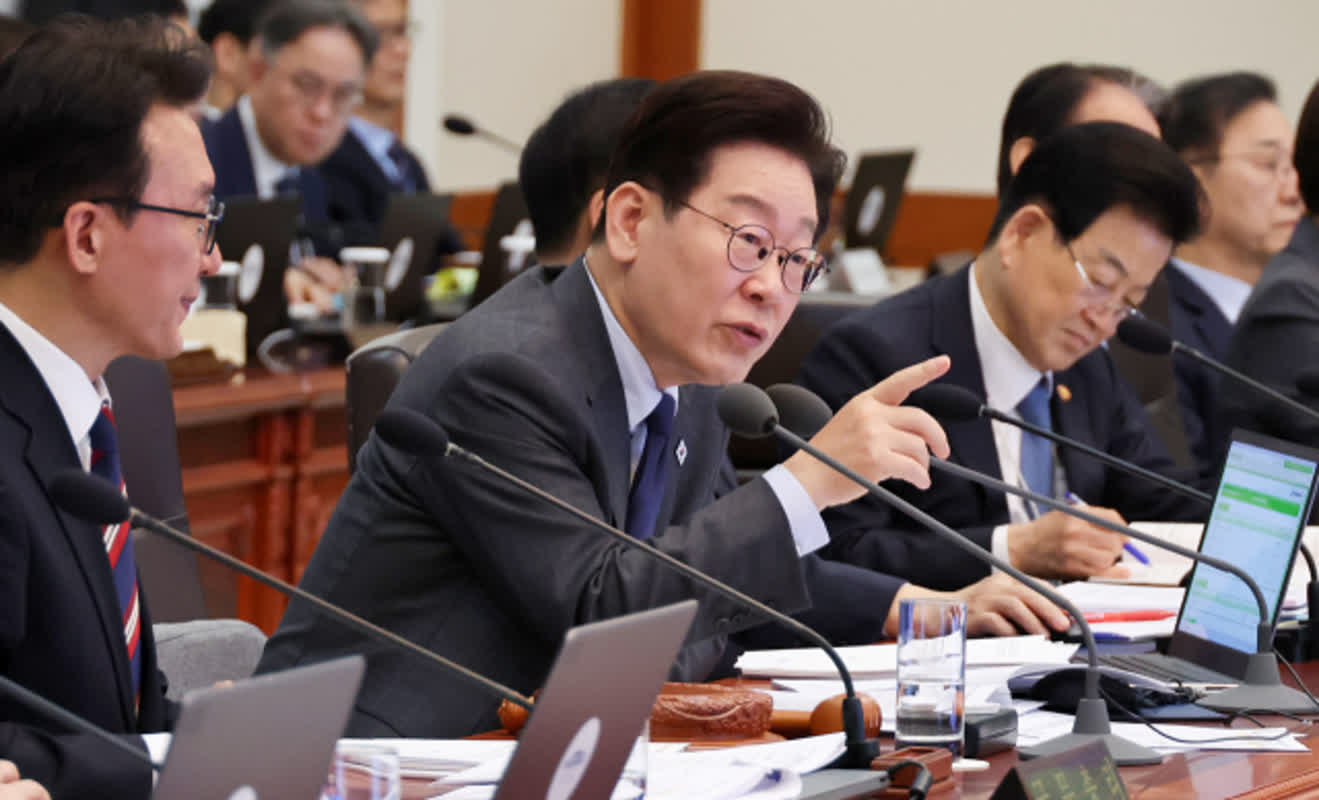
Lawmaker Lee Sang-sik argued that history shows it is better to act in a timely manner even if a measure is imperfect than to miss the opportunity while pursuing perfection. “We need practical judgment to make timely decisions,” he said.
He emphasized that preparation has already taken six months and insisted the bill must be passed in the March session.