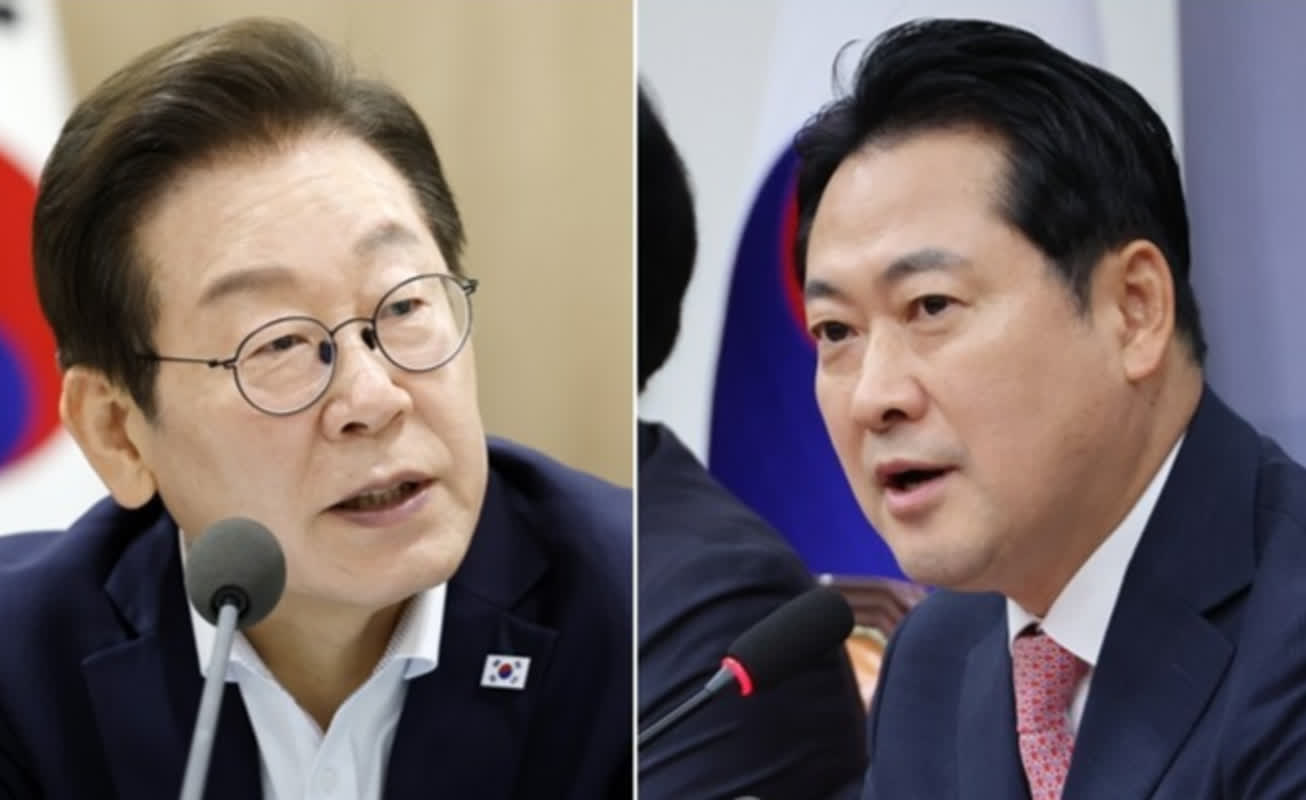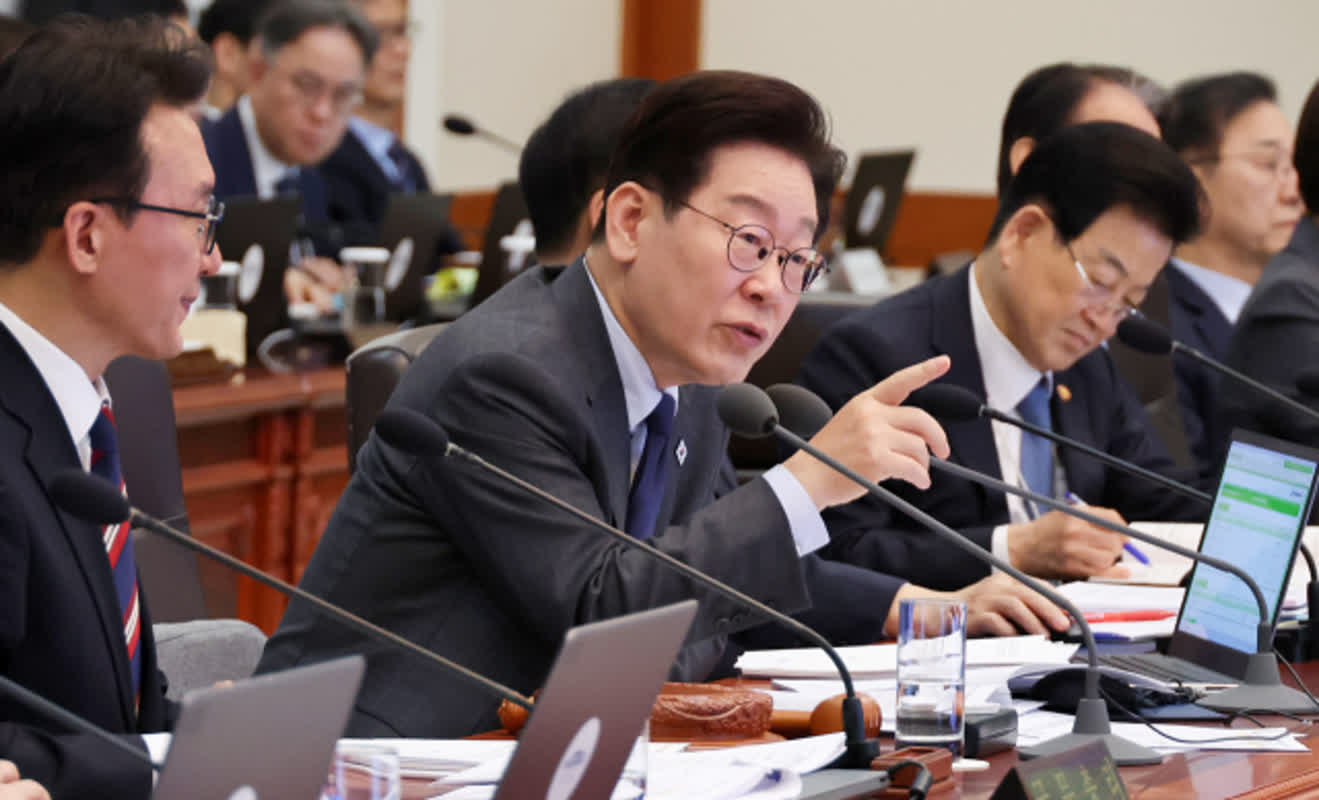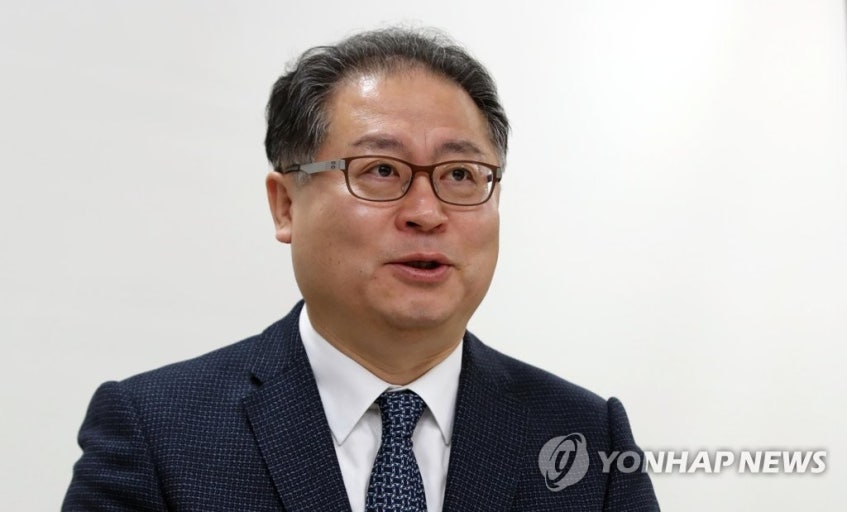
The Democratic Research Institute, often described as the strategic “brain” of South Korea's Democratic Party (Minjoo Party), has come under scrutiny ahead of the local elections. The institute’s director—responsible for shaping election strategy—has acted in ways that make him appear to be a direct stakeholder in a local primary.
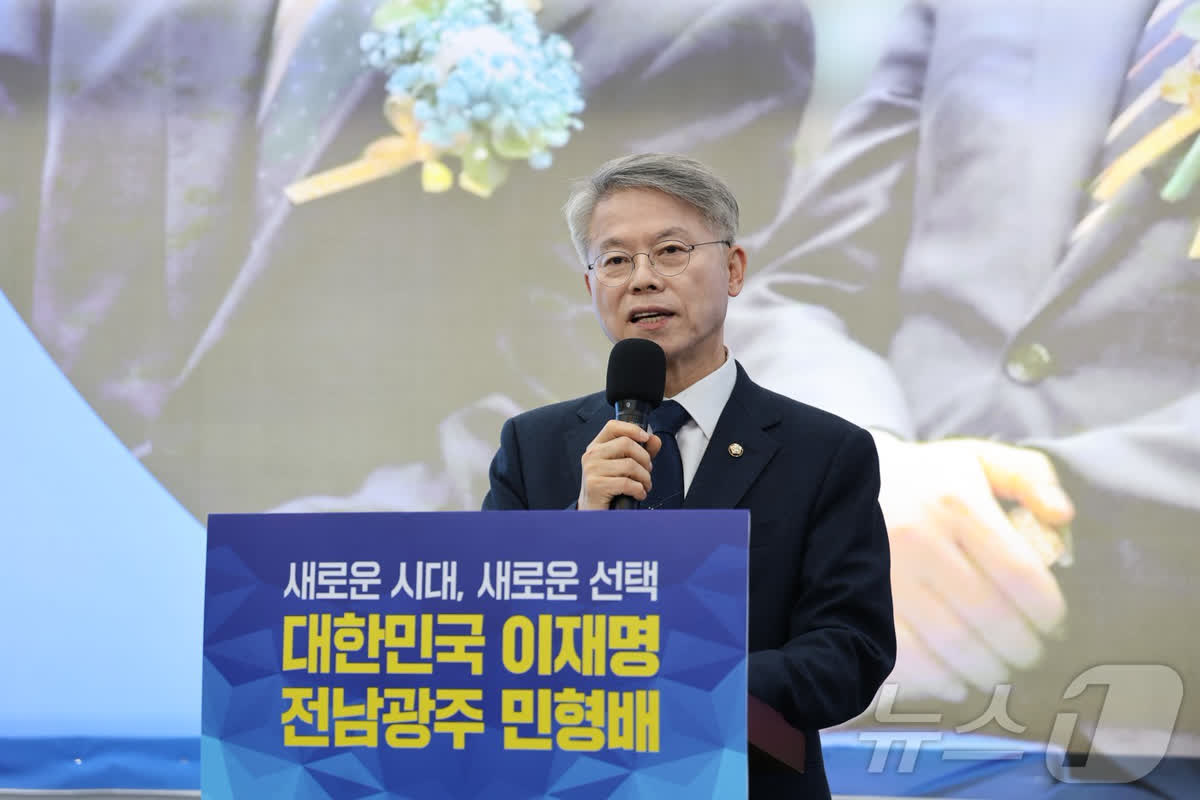
At the center of the controversy is Lee Jae-young, director of the Democratic Research Institute, who also holds the post of chair of the Yangsan City Gap constituency. In effect, the party’s chief strategist is now directly overseeing a local organization.
Political observers say this dual role is highly unusual. Previous directors such as Yang Jeong-cheol and Lee Han-joo concentrated on strategy and deliberately kept their distance from local party organizations. There has long been an informal rule that the architect of a campaign should not also be a player in the contest.
Blatant interference vs. political interpretation — tensions erupt ahead of the primary
The timing is especially problematic. With the local elections approaching, eight candidates have entered the primary for Yangsan mayor in South Gyeongsang Province. Given the intensity of the competition, sensitivity about fairness is extremely high.
Local party members have already voiced complaints publicly. One veteran member who says he has worked with the party for nearly 20 years told reporters, "Core members have been receiving calls asking them to back a specific candidate. That can only be seen as meddling in the primary."
A campaign official for another mayoral candidate said, "It's unfortunate that Lee Jae-young, as the party branch chair, appears so biased. Isn't Rep. Kim Du-gwan staying out of the primary? At this sensitive time, it looks like Lee is putting all his weight behind a single candidate. It's distressing."
Another prospective candidate preparing to run said, "Moves that appear designed to help an individual who hasn’t been active locally have intensified the scandal. It's hard to accept a central party official sidestepping the party's constitution and rules. The provincial party is already aware of the details."
Deploying the organization ahead of candidacies — fairness concerns grow
The dispute has spread to organizational management. A substantial number of staff in the Yangsan Gap constituency office have declared their candidacies for the local elections, leaving internal operations effectively unmanned.
One candidate complained, "With the constituency office barely functioning and so many insiders running, can we expect a fair primary? We're now forced to contact the provincial party directly."
Checks indicate that several senior party officials from the constituency committee have filed nominations and confirmed their bids. The controversy deepened after reports that Director Lee attended and offered congratulatory remarks at a particular candidate’s book launch and office-opening events.
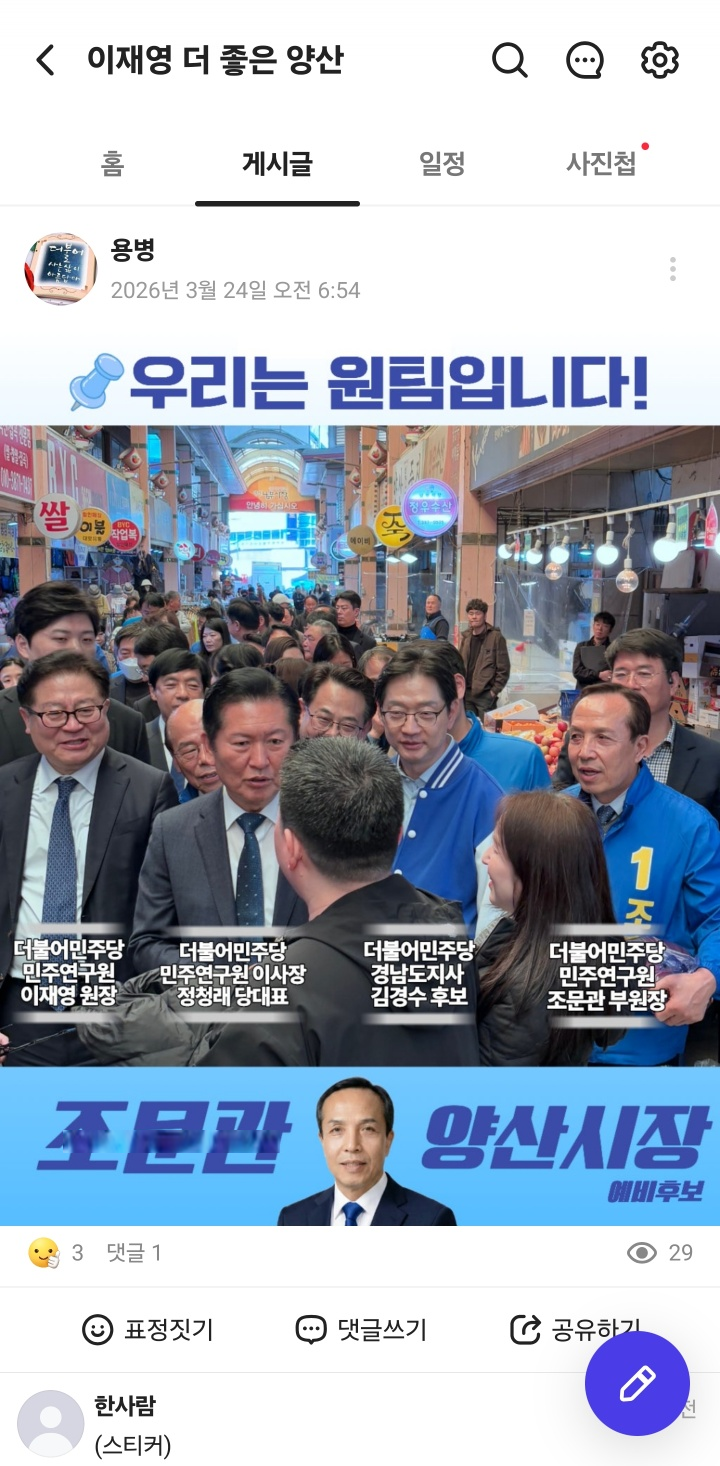
Potential breach of neutrality... clash with party rules
The dispute also raises questions about compliance with party rules. Article 5 of the Democratic Party's primary implementation rules requires central and provincial party officials to remain neutral and prohibits actions that could influence a primary.
If investigators substantiate the current allegations, the issue could escalate from a controversy into a potential rules-violation case.
Paradox of a strategy body — The Democratic Research Institute's reputation is shaking
The core problem is structural. When the body charged with designing election strategy becomes entangled in the interests of a local primary, confidence in its impartiality collapses.
Given the institute’s role in past campaigns, this controversy risks spreading beyond a local dispute and undermining trust in the party’s overall strategic planning.
Compared with the usual practice of central party officials avoiding regional visits before local elections, this case stands out. Their actions read less like caution and more like intervention.