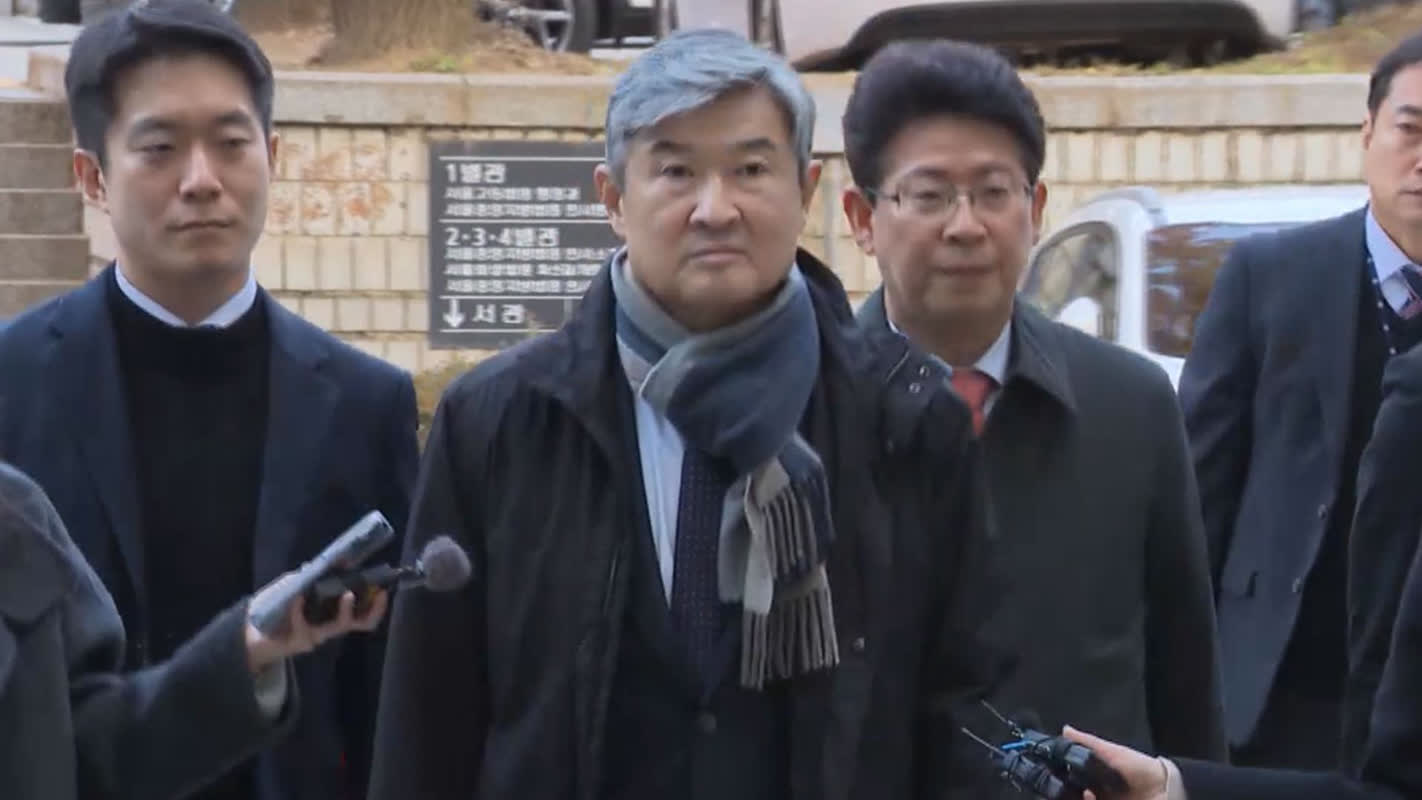
The Broadcasting Media and Communications Review Board (BMCRB) held its first plenary since launching and nominated former Seoul Shinmun CEO Ko Gwang-heon as chair. However, members failed to reach agreement on the selection of standing commissioners and postponed a final decision until the next meeting.
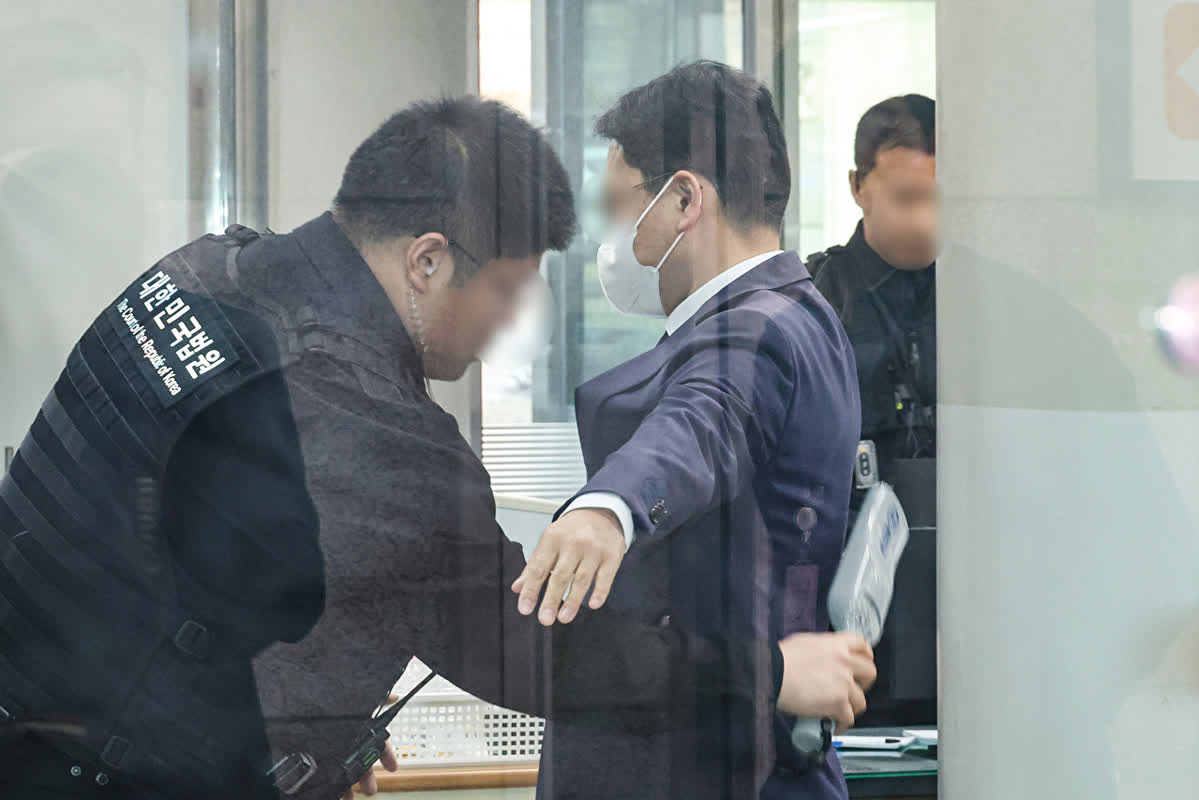
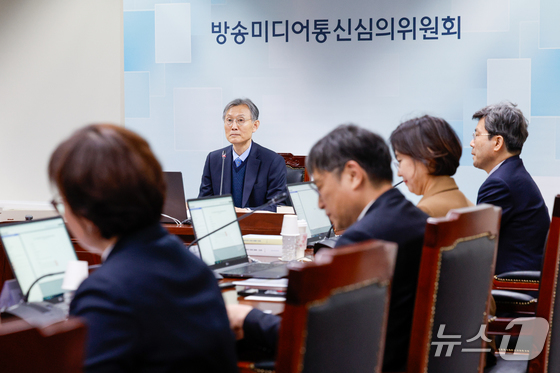
On March 12, the BMCRB convened its first plenary at the Broadcasting Hall in Mok-dong, Yangcheon-gu, Seoul, selecting Ko as chair nominee and Professor Kim Min-jung of Hankuk University of Foreign Studies’ Department of Media and Communication as vice chair.
Ko has served as president and CEO of Seoul Shinmun, president and CEO of Hankyoreh, and chairman of the Korea Digital News Association. Kim is a professor in the Department of Media and Communication at Hankuk University of Foreign Studies and previously taught at Colorado State University.
Under the newly established Broadcasting Media and Communications Commission system, the BMCRB chair is now a political appointee. The nominee must undergo a confirmation hearing before the National Assembly’s Science, Technology, Information and Broadcasting and Communications Committee prior to formal appointment.
Until the chair is formally appointed, Vice Chair Kim Min-jung will serve as acting chair.
The board did not finalize the standing-commissioner selections that day. After two recesses, members agreed to resume the discussion at the next plenary.
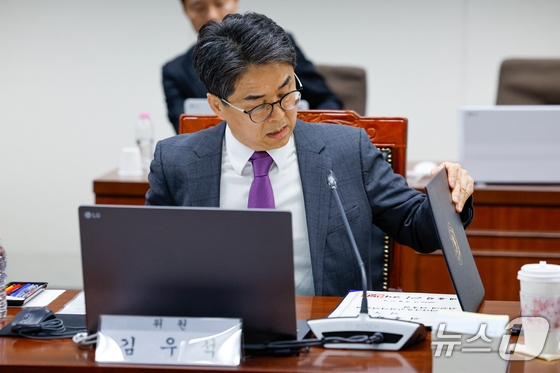
First meeting five months after launch
The BMCRB was formed by reorganizing the former Korea Communications Standards Commission and launched on October 1 last year, but delays in filling its membership prevented it from holding a plenary until now.
As a nine-member body, the BMCRB consists of three presidential appointees, three nominees recommended by the Speaker of the National Assembly, and three nominees recommended by the National Assembly’s Science, Technology, Information and Broadcasting and Communications Committee.
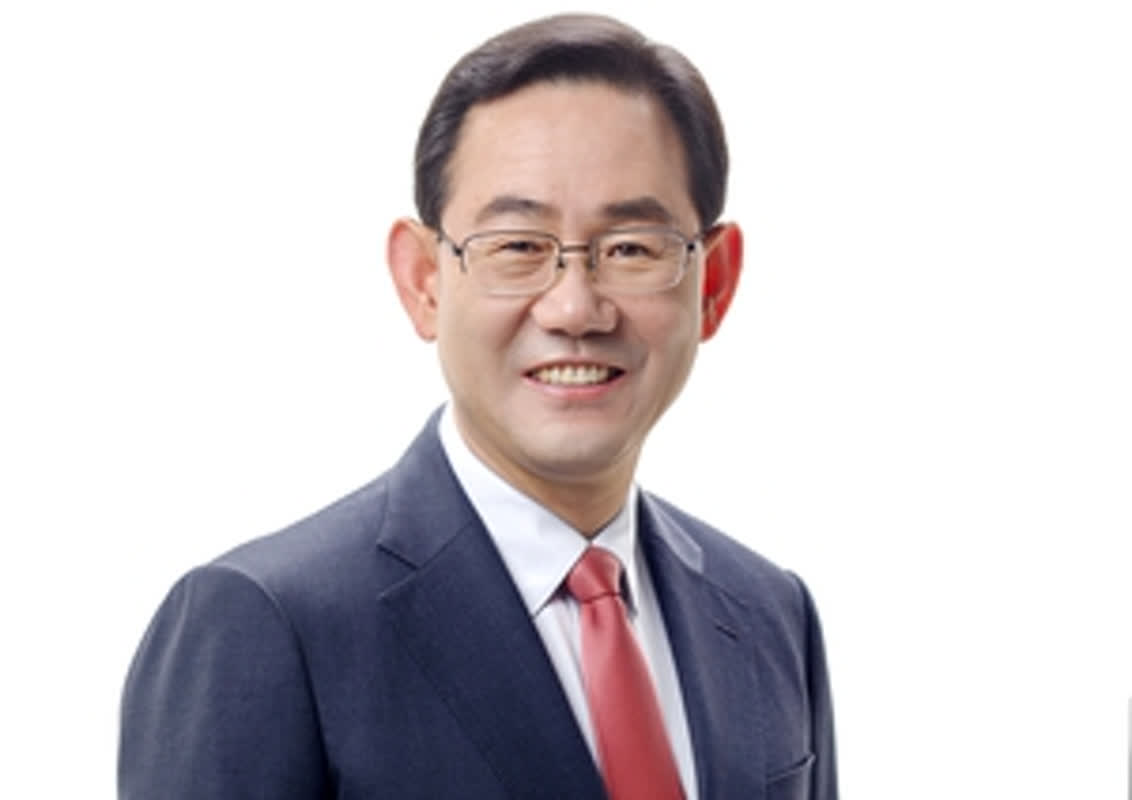
One seat that the Speaker recommends after consulting the opposition had remained vacant, but on March 10 President Lee Jae-myung approved Kim Woo-seok, a visiting professor at Kookmin University’s Graduate School of Public Administration, whom Speaker Woo Won-sik had recommended, completing the board’s membership.
Although the BMCRB has effectively begun official business five months after its launch, when the vacancy left by former KCSC chair Ryu Hee-rim—who resigned amid last year’s allegations that he orchestrated complaints—is taken into account, it will take nearly a year for the review body to return to normal operations.
Ryu was embroiled in controversy in September 2023 after allegations that he had asked family and acquaintances to file complaints requesting review of NewsTapa’s report quoting the Kim Man-bae–Shin Hak-rim recording. As discussions about restructuring the review body continued, its review functions remained dormant for an extended period.
The BMCRB currently faces a backlog of roughly 10,000 broadcasting review cases and about 200,000 communications review cases. The board plans to meet again on March 16 to revisit the standing-commissioner selection.
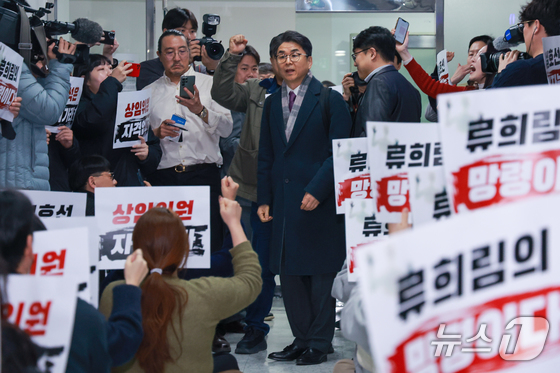
Press union protests Kim Woo-seok’s appointment as standing commissioner
The meeting began at 3 p.m., but debate over the standing-commissioner selection stretched the session to about two hours.
Outside the hall, members of the National Union of Mediaworkers’ BMCRB branch staged a protest opposing Kim Woo-seok’s elevation to standing commissioner.
Hwang Seok-joo, head of the union branch for the Broadcasting Media and Communications Review Board, said Kim Woo-seok was a central figure in the so-called “shut-the-mouth” reviews conducted after the Yoon Suk Yeol administration took office. Having someone who led reviews that chilled press freedom return as a standing commissioner would undermine the board’s credibility.