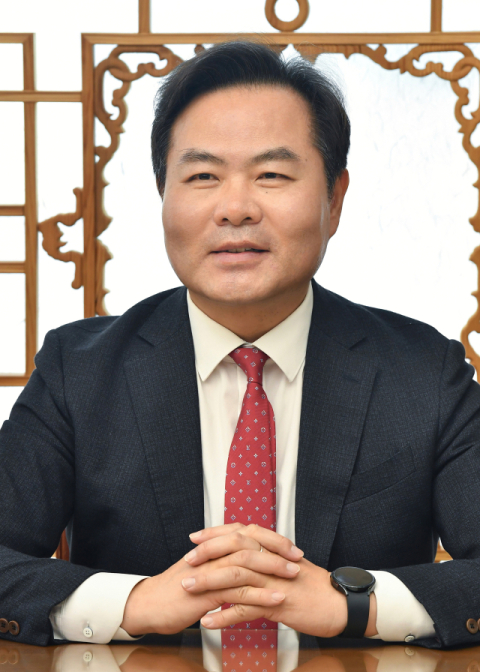
Ahead of the People Power Party primary for Mungyeong mayor in North Gyeongsang Province, preliminary candidates Kim Hak-hong and Eom Won-sik each issued press releases on the 17th expressing strong resolve and formally launching their campaigns.
The two-day, head-to-head primary begins on the 20th. Each candidate is promoting distinct strengths and visions to win voter support.
Kim Hak-hong said he will fully accept the North Gyeongsang provincial party's nominating committee decision, calling it a “fair and rational” ruling. He vowed to devote all his energy to meeting voters’ expectations for change in Mungyeong during the remainder of the campaign.
He expressed confidence that the primary fairly balances party sentiment and public opinion, and that voters will judge him on his policies and vision.
Kim added that Mungyeong faces a critical window to reverse population decline and revive its economy. Drawing on more than 30 years of administrative experience and extensive national and regional networks, he urged voters to choose the candidate best positioned to lead that recovery and asked for their strong support.
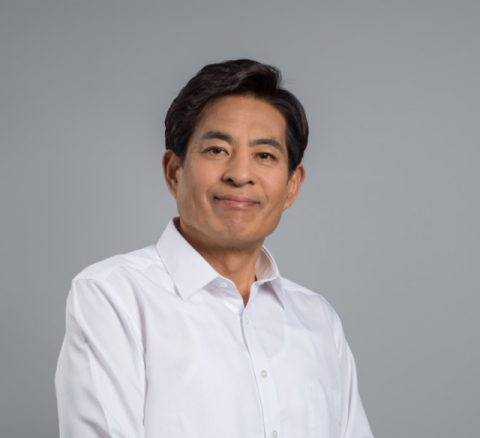
Eom Won-sik appealed to voters to pick him for his urgency and passion to change Mungyeong’s future, not for paper credentials such as past office records or degrees.
He stressed the need to overhaul conventional administrative practices and pledged to put an end to routine, desk-bound governance.
Drawing on 26 years of cultural research in Mungyeong, Eom proposed a culture-based economic strategy to make local culture a central asset in economic recovery.
He positioned a “practical economy” focused on young people, farmers, and small-business owners as the core of his platform and unveiled three concrete pledges.
The main points are ▷ raising farm incomes by building a data-driven “Gamhong Apple Smart Orchard” and introducing shareholder-style joint farming ▷ revitalizing the downtown commercial district by converting vacant homes and existing infrastructure into “Mungyeong-style village hotels” rather than expanding outward ▷ developing a “pet-economy” industry using local specialties and launching a “Mungyeong Pass” aimed at reaching an engaged population of 500,000.