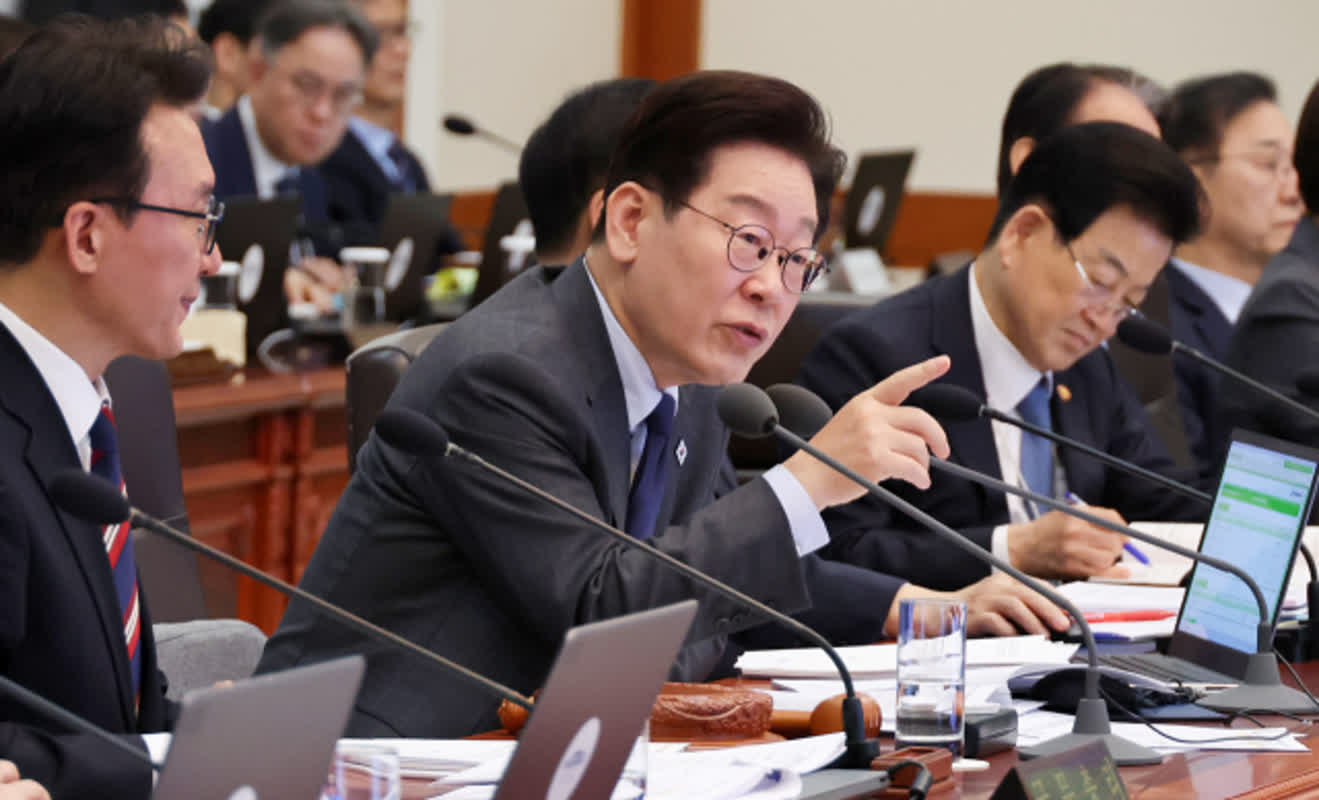
Daegu mayoral bid for the June 3 local elections
President Lee and the Democratic Party ride rising approval ratings
Targeting opposition infighting... promises of full support
Some in the party warn it could be seen as populism
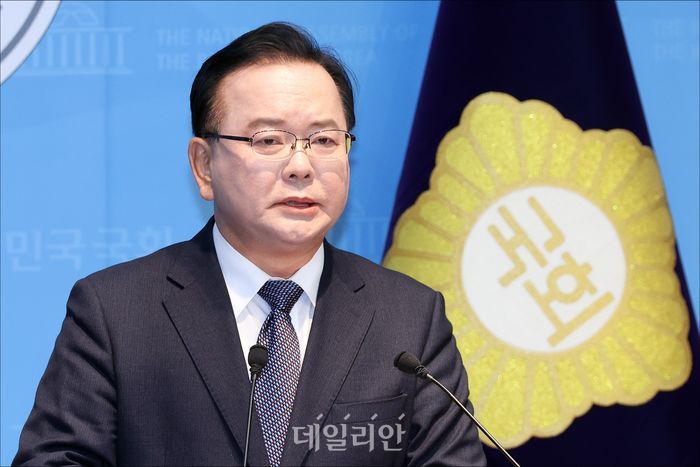
With roughly two months to go before the June 3 local elections, the Democratic Party has intensified its push into Yeongnam, a region long considered hostile territory. Over the past month, about half of party leader Jeong Cheong-rae’s regional itinerary consisted of on-site visits to Yeongnam. The party leadership has pledged full backing for a Yeongnam win and appears to be treating the contest as existential.
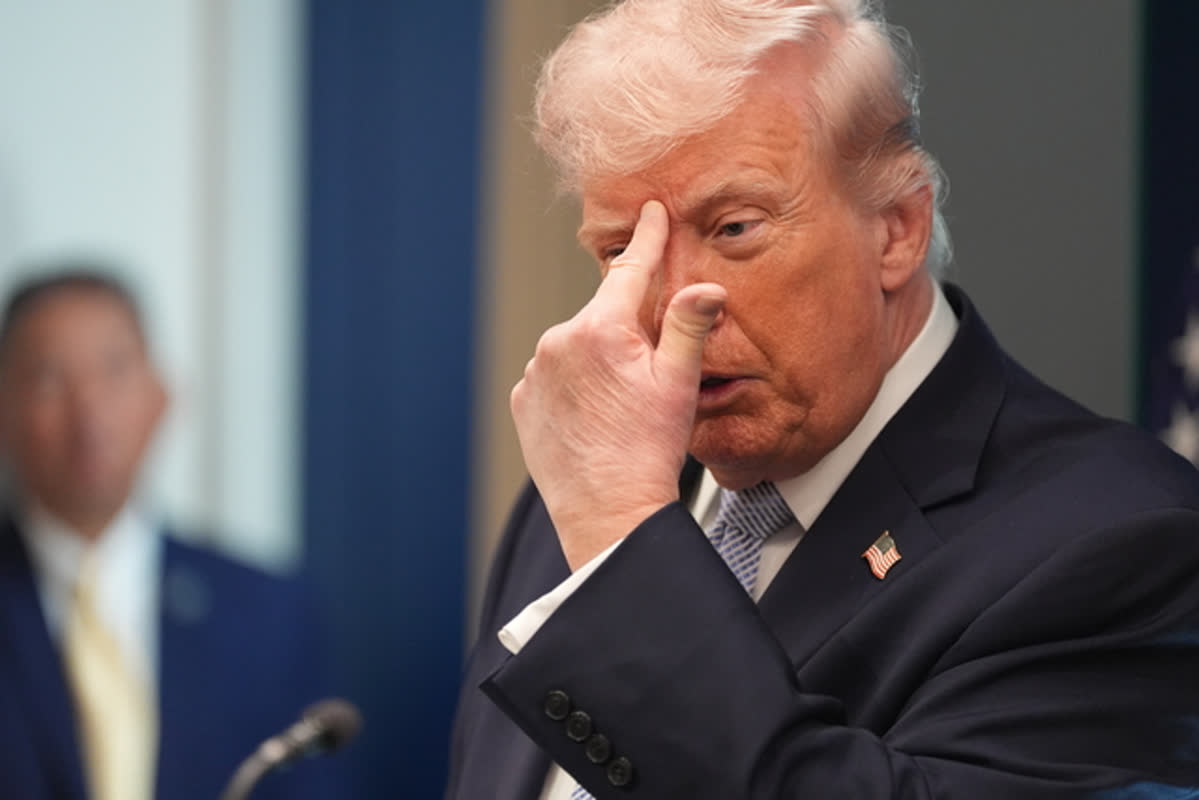
Against that backdrop, Kim Bu-gyeom—long seen as a symbol of breaking regionalism—has decided to run for Daegu mayor. Within the party there is renewed hope that the long-sought eastward expansion once imagined by former President Kim Dae-jung may be possible. Observers say the calculation rests on President Lee Jae-myung’s approval ratings in the 60s and the fractures within the People Power Party, making a push in Yeongnam a viable gamble.
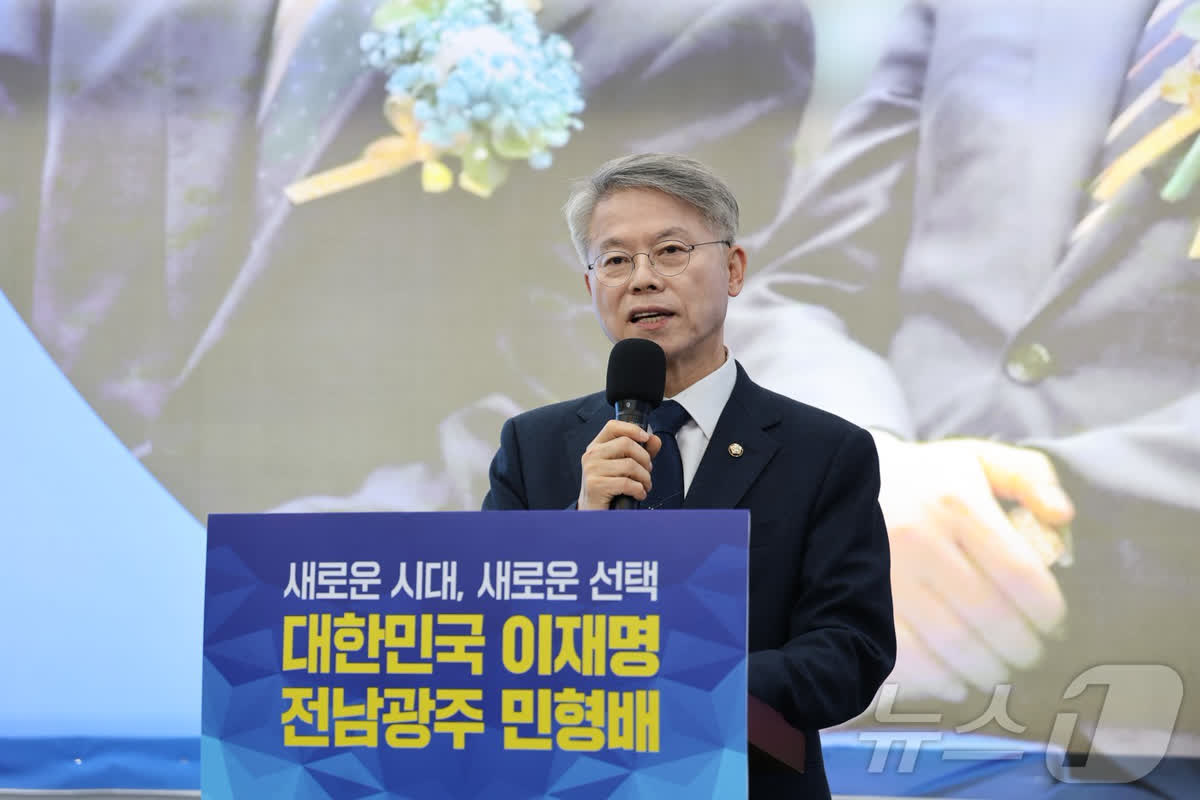
On the 30th, Kim held a launch event at the 2.28 Memorial Central Park in Dongseongno, Jung-gu, Daegu. He told the crowd that ordinary people are the masters of politics and politicians should be their servants, and he accused the People Power Party of showing no respect for Daegu citizens. “If you want to change the People Power Party, do not vote for them this time,” he said, adding that the current situation cannot be allowed to continue.
Local organizers said about 300 Daegu residents and regional political figures attended Kim’s launch despite the rain. Kim stressed, “Having served as prime minister, what more title could I want? After 22 years in public service learning politics and administration, I will give every last drop of my sweat to Daegu.”
Earlier the same morning, Kim held a press conference at the National Assembly, saying Daegu should lead the way in abandoning the People Power Party. “Only then can true conservatism be revived and the conservative party be reborn,” he said, accusing the party of shamelessness and urging voters to discipline it for the sake of conservatism.
“Fifteen years ago I ran in Daegu to try to break down the wall of regionalism,” he continued. “Today I want to overcome an even higher wall—the wall of regional decline. How did Daegu come to this? Daegu needs Kim Bu-gyeom now. Use me well.”
After serving as the Democratic Party’s chief campaigner in last year’s presidential contest and helping secure President Lee Jae-myung’s victory, Kim had planned a quieter life with his spouse in Yangpyeong, Gyeonggi. Analysts say he took on the politically toughest turf—Daegu—because the People Power Party’s failures, rooted in its dominance across Yeongnam, have damaged ordinary residents’ livelihoods.
Under Jang Dong-hyuk’s leadership, the People Power Party has been riven by internal disputes—continuing controversies such as the so-called “absolute-Yoon” debate and candidate selection noise—even in the wake of major legal and political upheavals involving former President Yoon Suk Yeol. The party shows little sign of genuine reflection or reform, and multiple polls indicate that Yeongnam voters are increasingly turning away.
According to Gallup Korea’s monthly integrated results, President Lee’s approval rating in the TK rose steadily from 42% in January to 45% in February and 53% in March. Over the same period, Democratic Party support in the region was 24%, 26%, and 26%. By contrast, the People Power Party fell from 47% to 38% to 33%. As the election approaches, the gap between the two parties has narrowed to single digits within the margin of error.
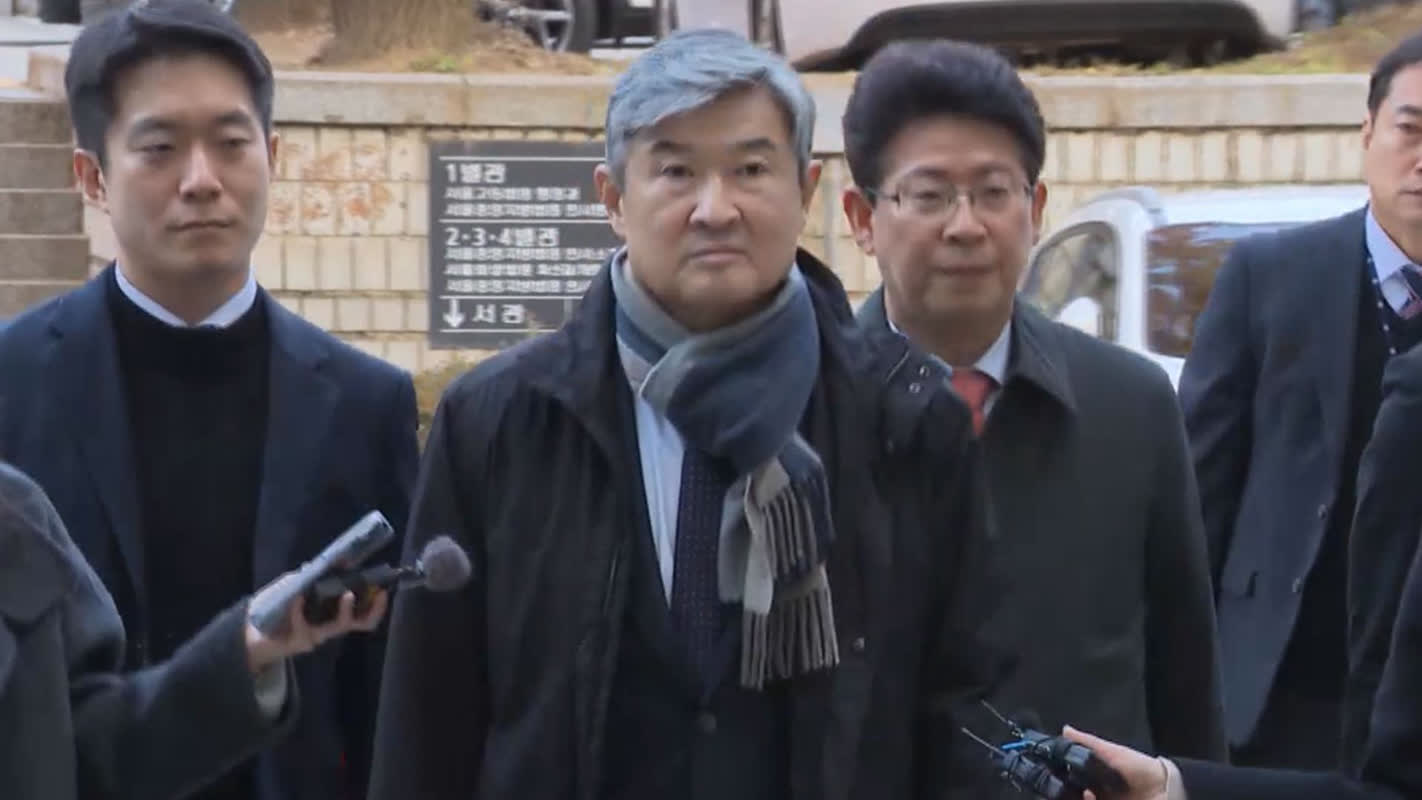
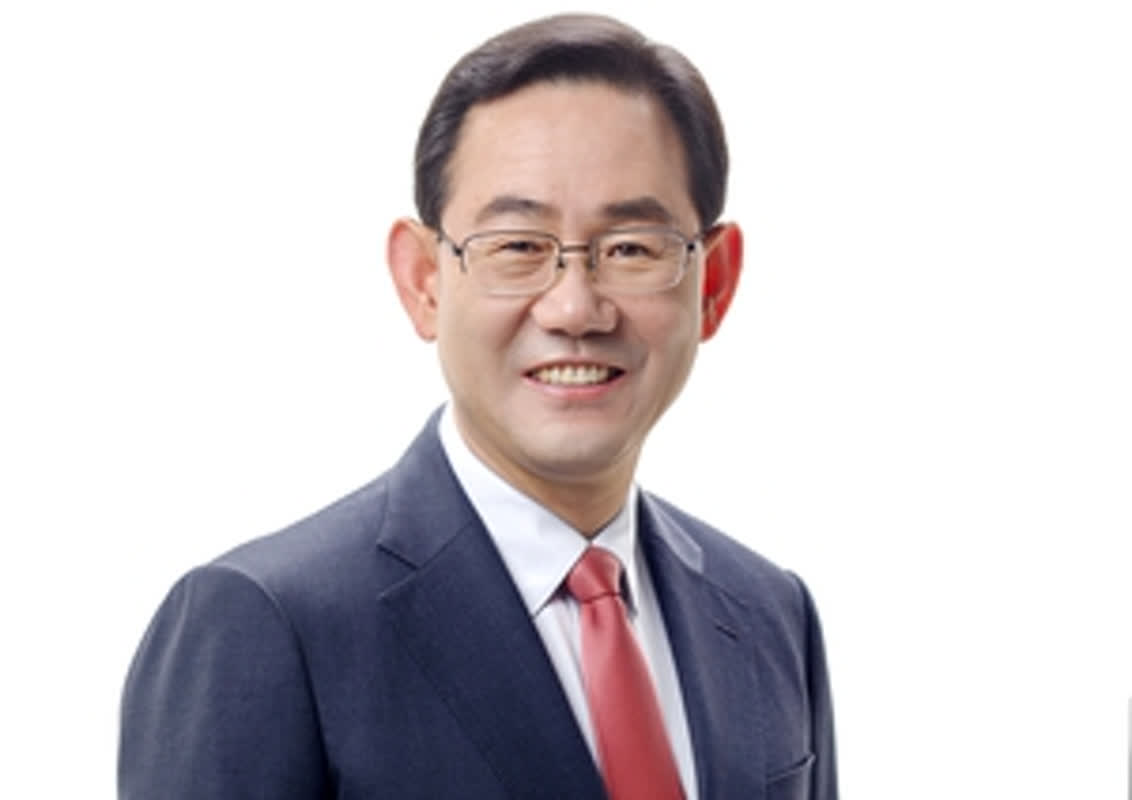
Daegu public opinion, long a conservative stronghold, is shifting as well. In a poll commissioned by the Yeongnam Ilbo and conducted by Realmeter via automated phone surveys on March 22–23, Kim led hypothetical matchups against all eight People Power candidates, including the party’s cut-off former broadcasting commissioner Lee Jin-suk and MP Joo Ho-young. For full details consult the National Election Survey Deliberation Commission website.
On policy and strategy, the divide between the two parties is widening. The government and ruling party are pursuing a centrist, pragmatic approach to broaden their appeal, while the People Power Party has become increasingly consumed by hardline base issues and inward-focused factionalism. Jang’s recent lament—“Why can’t we unite like the Democrats?”—reflects that inward turn.
A Democratic Party official said Yeongnam typically rallies around conservative parties in moments of crisis, but this election feels different. “Voters prioritize solutions to everyday economic and living issues,” the official said. “They see the People Power Party as preoccupied with protecting its own interests and treating citizens as vote suppliers.”
Some conservatives concede Kim has a real chance. They argue that in a one-on-one race against any single People Power candidate, Kim would benefit from the Lee administration’s strong approval ratings and the Democrats’ momentum, leaving the opposition without an obvious alternative.
Analysts say the only plausible scenario in which the People Power Party could hold the Daegu mayoralty is a narrowly defined one: if Joo Ho-young—who was excluded from the party list—drops out, runs as an independent, and is joined by former party leader Han Dong-hoon as an independent in the Suseong-gap constituency, and the two then form an alliance. The strategy would be to present a “Joo Ho-young–Han Dong-hoon” ticket under the banner of conservative reconstruction.
Conservative commentator Jo Gap-je told YTN Radio’s News Myungdang that, on paper, Kim is advantaged in head-to-head matchups but that Joo remains a wild card. “If Joo leaves the party to run as an independent and brings in Han to form an alliance, momentum could shift,” Jo said.
Jo warned that if they united under the cause of countering the extreme right and rebuilding conservatism, they could mobilize support in Daegu—and that would make Kim far less secure.
Still, some within the Democratic Party worry that the leadership’s pledge of full support for Daegu could backfire and be read as populism. A Daegu political source said it remains to be seen whether the poll numbers will translate into votes on election day; even with the party’s full backing, citizens could interpret that support as pandering.
Born in Sangju, North Gyeongsang, Kim graduated from Daegu Gyeongbuk High School and then studied political science at Seoul National University. He first won a seat in the 16th general election from Gunpo, Gyeonggi, and served three consecutive terms. Ahead of the 19th general election he moved to Daegu pledging to break regionalism.
He lost in the 19th general election (Daegu Suseong-gap) and in the 2014 Daegu mayoral race but pulled off an upset in the 20th general election by winning Daegu Suseong-gap. His efforts to overcome regionalism earned him posts in the Moon Jae-in administration, including minister of the Interior and Safety and prime minister.
© Dailian Co. Unauthorized reproduction and redistribution prohibited