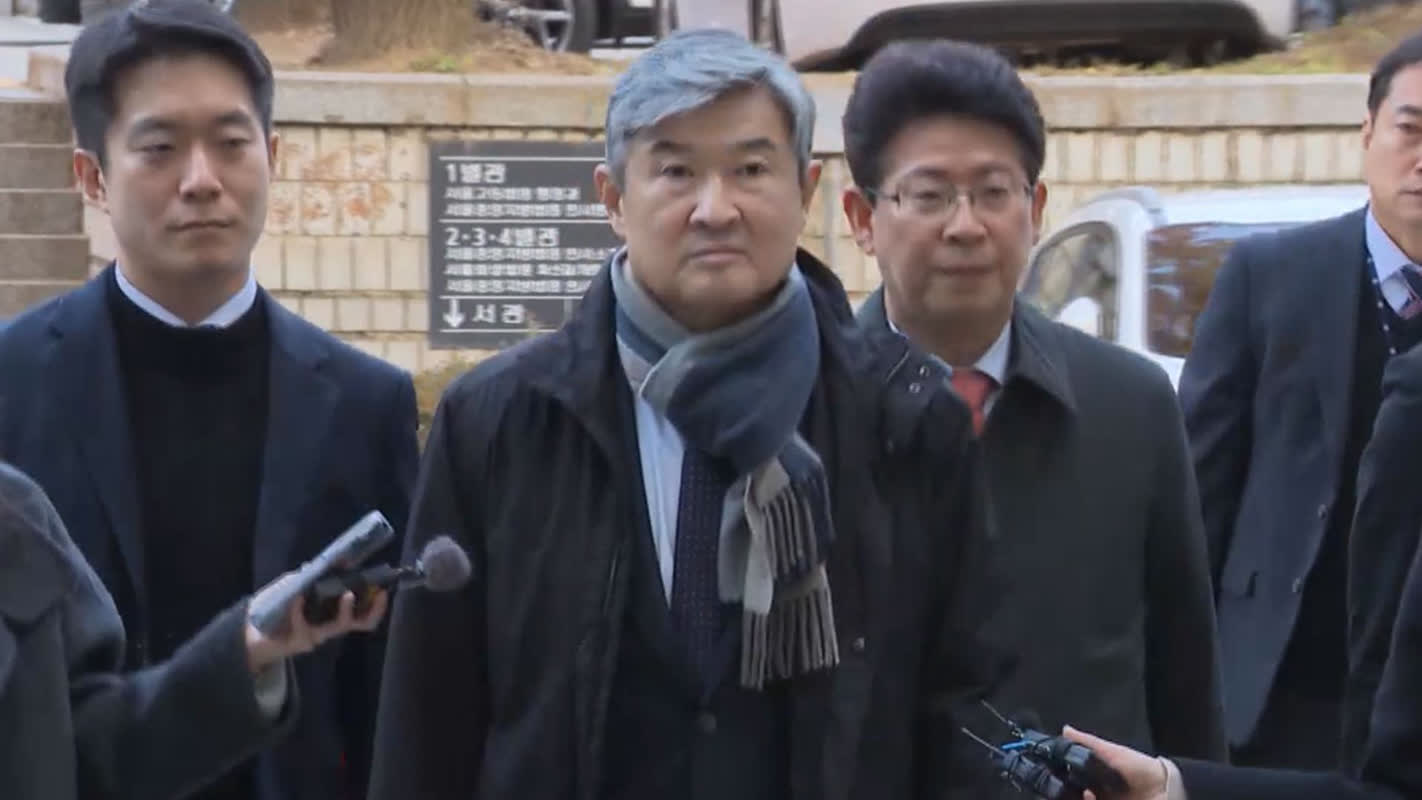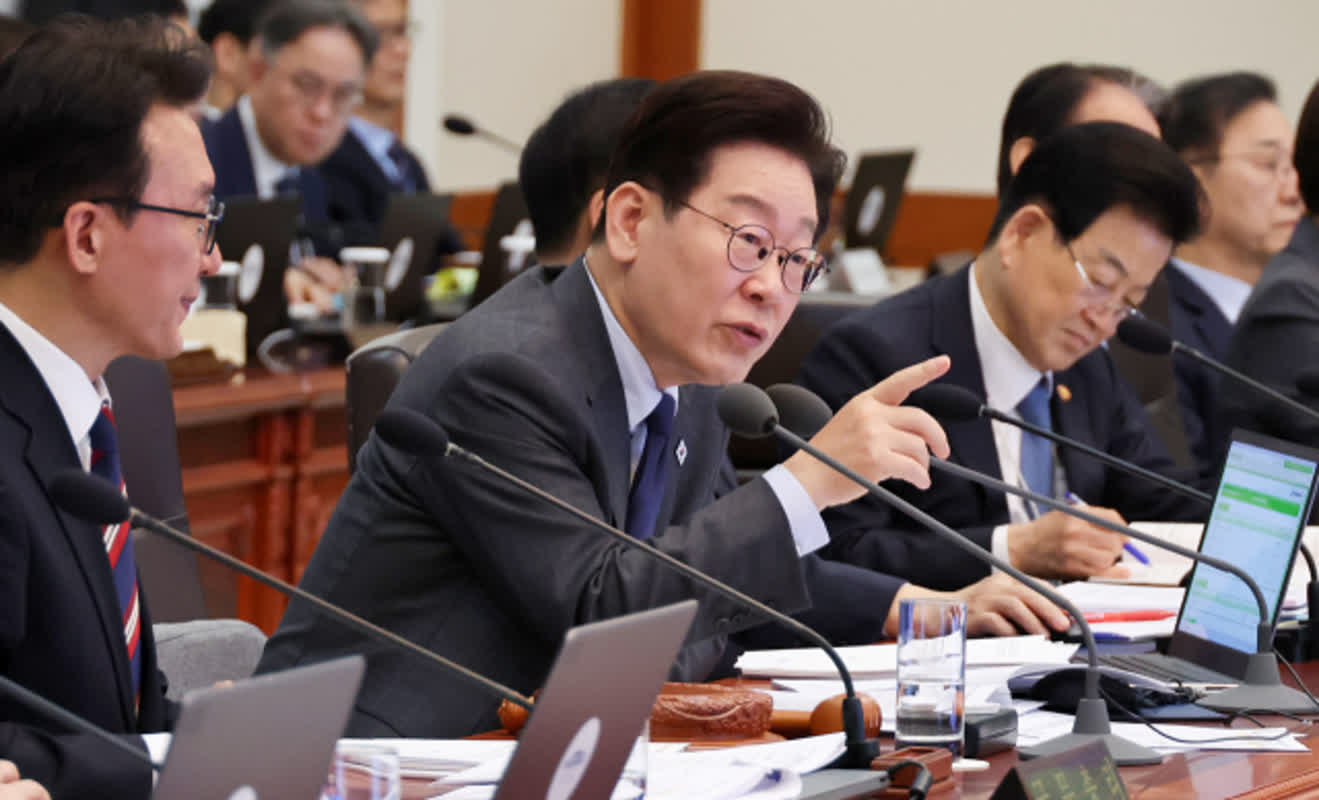
SisaWeek reporter Jeon Du-seong Former Prime Minister Kim Bu-gyeom of the Democratic Party announced he will run for mayor of Daegu in the June 3 local elections. Daegu, long known as the “heart of conservatism,” has emerged as the most consequential battleground in this year’s local contests. Observers point to Kim’s personal appeal and internal disputes over the People Power Party’s mayoral nomination as reasons why many now say “this time could be different.”
As Daegu emerges as a hotspot, the People Power Party is worried that its nomination battles could produce a fragmented, multi-candidate race, while the Democratic Party is wary of conservative voters consolidating behind a single challenger. Political analysts also warn that turnout could become a decisive factor in the Daegu mayoral contest.
◇ Why the “heart of conservatism” has become a battleground
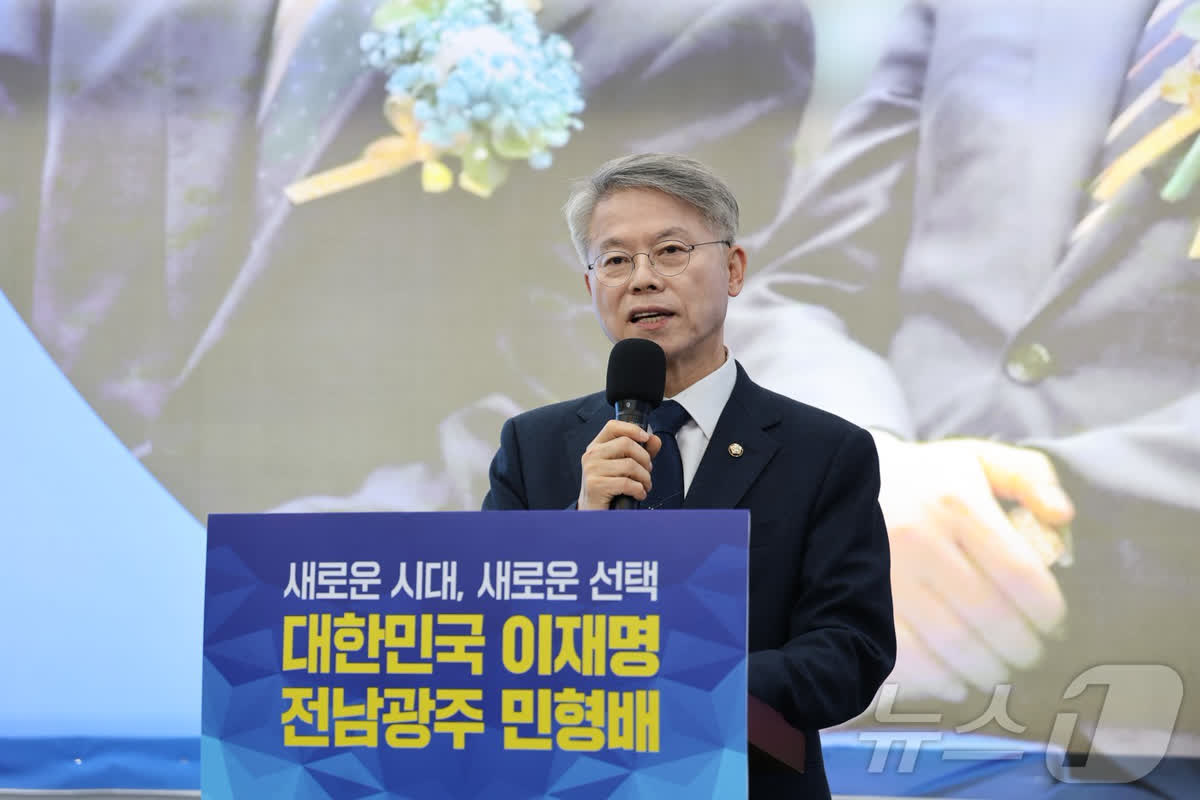
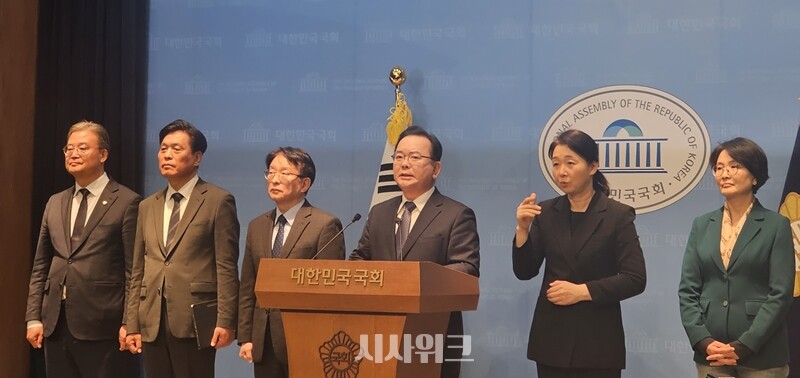
On March 30, Kim formally declared his candidacy for Daegu mayor. At a National Assembly press conference, he framed his bid around holding the People Power Party accountable. “One party has dominated Daegu,” he said. “Politicians aren’t doing their jobs. They treat Daegu citizens like vote machines — and nothing has changed.”
He urged voters to reject the People Power Party, saying, “For the sake of conservatism, we must use the rod this time.” He argued that only by passing judgment on the party can the conservative movement renew itself. Kim also described “overcoming regionalism and achieving balanced regional development” as his final mission.
Kim’s entry into the race has elevated Daegu to the top battleground. Historically, no Democratic Party candidate has ever won the Daegu mayoralty, making the city a conservative stronghold and a difficult terrain for Democrats.
Still, there are growing signs that “this time could be different.” Analysts cite Kim’s competitiveness: he has held relatively moderate positions within his party and served as prime minister — credentials that enhance his appeal.
Observers also point to the People Power Party’s weak standing in recent polls and the party’s internal strife over the Daegu nomination as factors that have turned Daegu into a competitive race. Kim’s decision to emphasize accountability for the People Power Party during his announcement appears aimed at exploiting those vulnerabilities.
Analysts further note a potential “ruling-party premium.” Kim’s individual strengths, combined with the benefits of being aligned with the governing party, could reshape the contest. Political commentator Park Sang-byeong told SisaWeek, “Kim is not just one among many regional candidates — he served as prime minister. If the Lee Jae-myung administration backs someone of his stature as Daegu mayor, wouldn’t that accelerate development in the city?” The Democratic Party, linking its support to Kim’s candidacy, promised active backing for Daegu’s development, senior spokesman Kang Jun-hyun said.
Even some conservative voices acknowledge that cooperation with the Lee Jae-myung administration could be necessary for Daegu’s growth. Former Daegu Mayor Hong Joon-pyo recently wrote on his communication channel “Cheongnyeonui Kkum” (Youth’s Dream), responding to a netizen who said they would support Kim: “If Daegu wants to leap forward, it will need help from the Lee Jae-myung government. Even the new TK (Daegu–North Gyeongsang) airport could be at risk.”
◇ People Power fears a multi-candidate race; Democrats worry about conservative consolidation — turnout could decide the outcome
Kim’s candidacy is expected to further unsettle the Daegu mayoral contest. The People Power Party warns that nomination disputes could trigger a multi-candidate field, while the Democratic Party worries that conservatives may ultimately unite behind a single challenger.
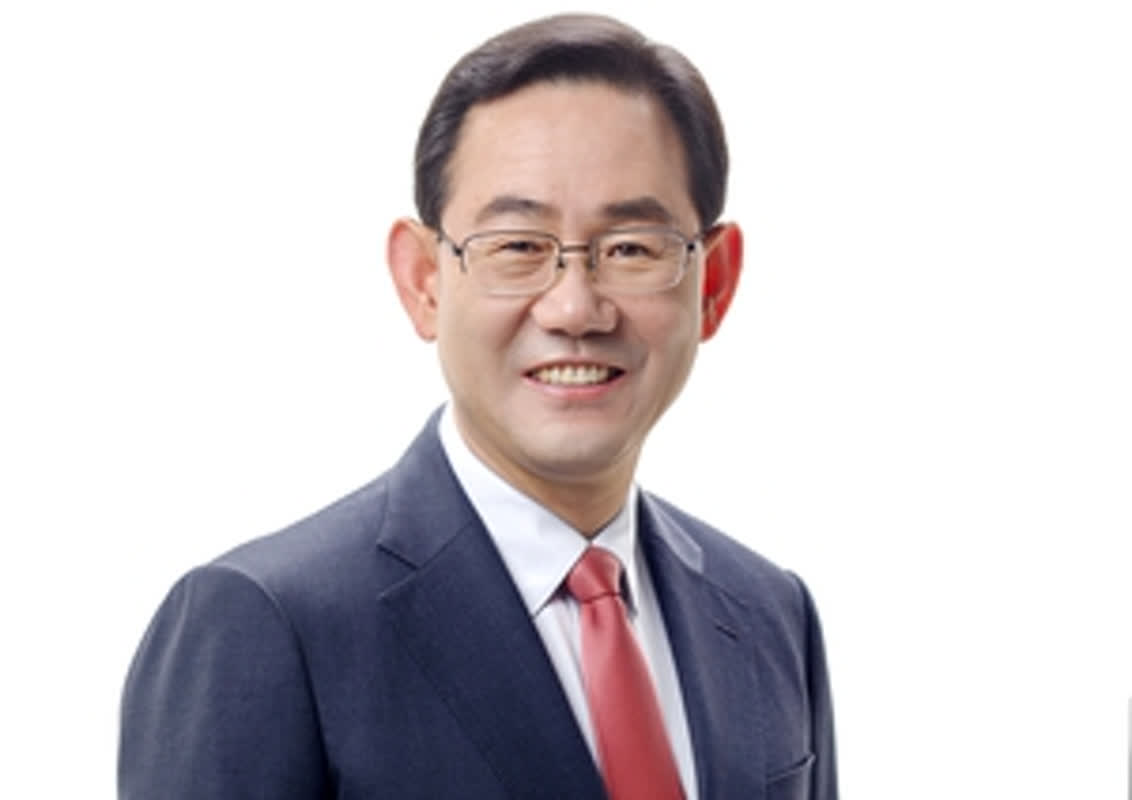
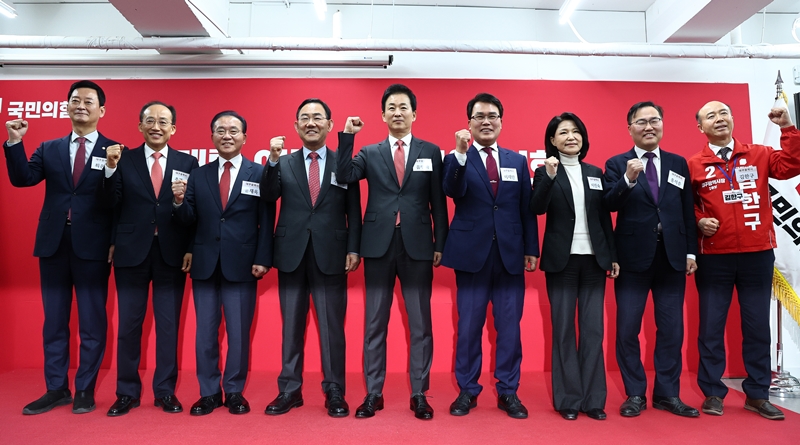
Last week, People Power lawmaker Joo Ho-young — who was excluded from the party’s nomination process — filed for an injunction to suspend that decision, keeping open the possibility that he could leave the party and run as an independent. On KBS radio, Joo said of an independent run, “Can a politician not consider and prepare for every possibility?”
Former KCC chair Lee Jin-sook, who was also cut from the party’s shortlist, continued campaign activities over the weekend, handing out business cards to voters outside Samsung Lions Park during the professional baseball season opener. Those moves have prompted speculation in political circles that the race could expand beyond a simple three-way contest.
Senior People Power spokesperson Park Seong-hoon told reporters, “Voters in Daegu do not want our party’s candidates to fragment the field,” adding, “Many candidates understand voters ultimately want the race to settle into a two-way contest between the Democratic and People Power candidates.”
While People Power fears a split field, Democrats are concerned about conservative consolidation. After his press conference, Kim told reporters that questions about conservative unification “have repeated for 30 years,” and he vowed, “I will keep shouting so that won’t happen this time.” Kim’s team has warned that his lead over People Power candidates in polls increases the risk of conservative consolidation.
Analysts also say turnout could prove decisive. Historical patterns indicate that higher turnout in Daegu mayoral elections tends to boost Democratic candidates’ vote shares.
For example, turnout for the 2022 Daegu mayoral election was 43.2%. In that race, People Power candidate Hong Joon-pyo received 78.75% of the vote, while Democratic candidate Seo Jae-heon took 17.97%, a gap of more than 60 percentage points.
By contrast, when turnout increased, Democrats did better. In the 2018 local elections, Liberty Korea Party (the predecessor to the People Power Party) candidate Kwon Young-jin won with 53.73%, but Democratic candidate Lim Dae-yoon secured a notable 39.75% amid a 57.3% turnout. Park Sang-byeong also identified turnout as a key variable, noting, “Turnout and the voting share by generation could determine the outcome of the Daegu mayoral race.”