IRGC defends the seizures
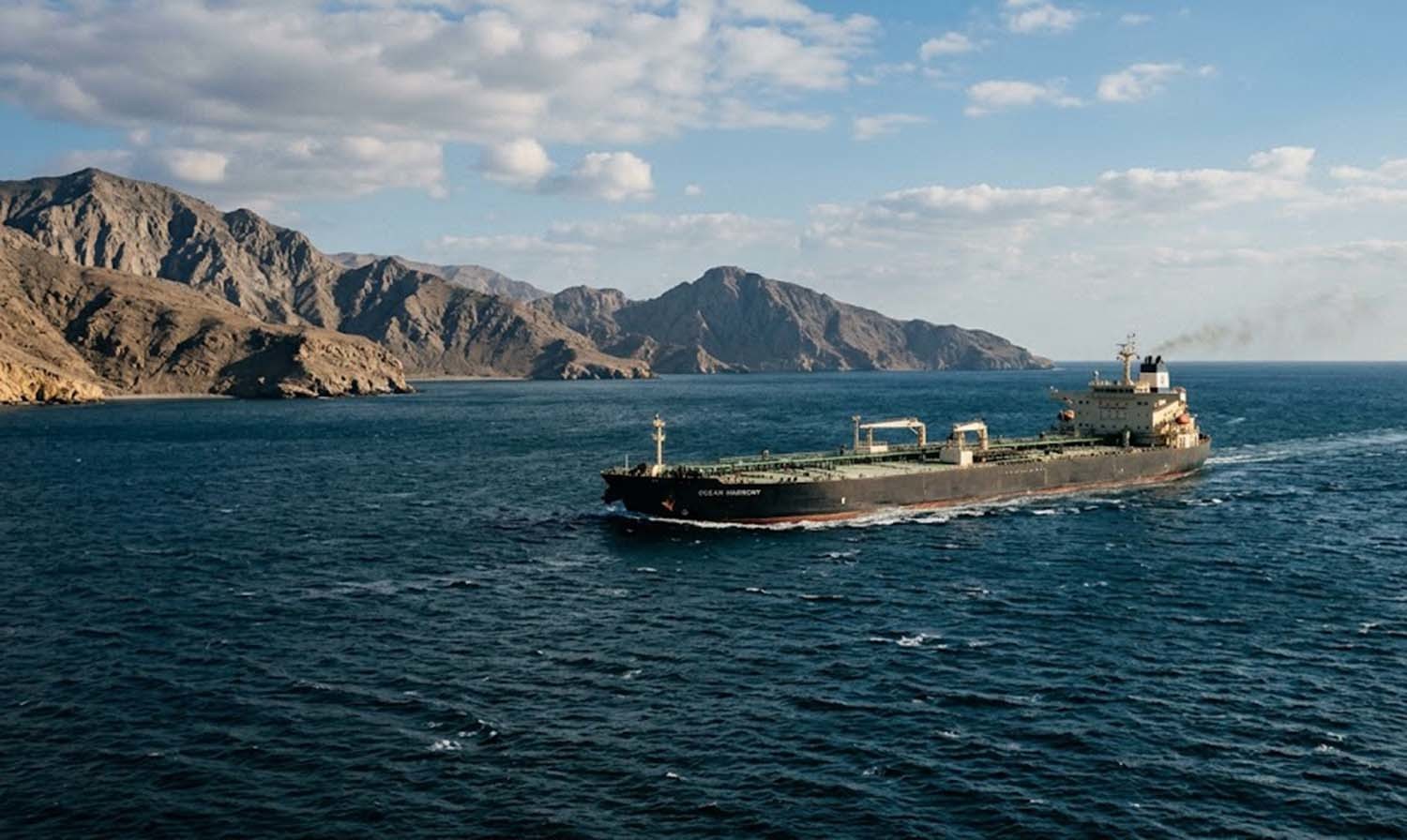
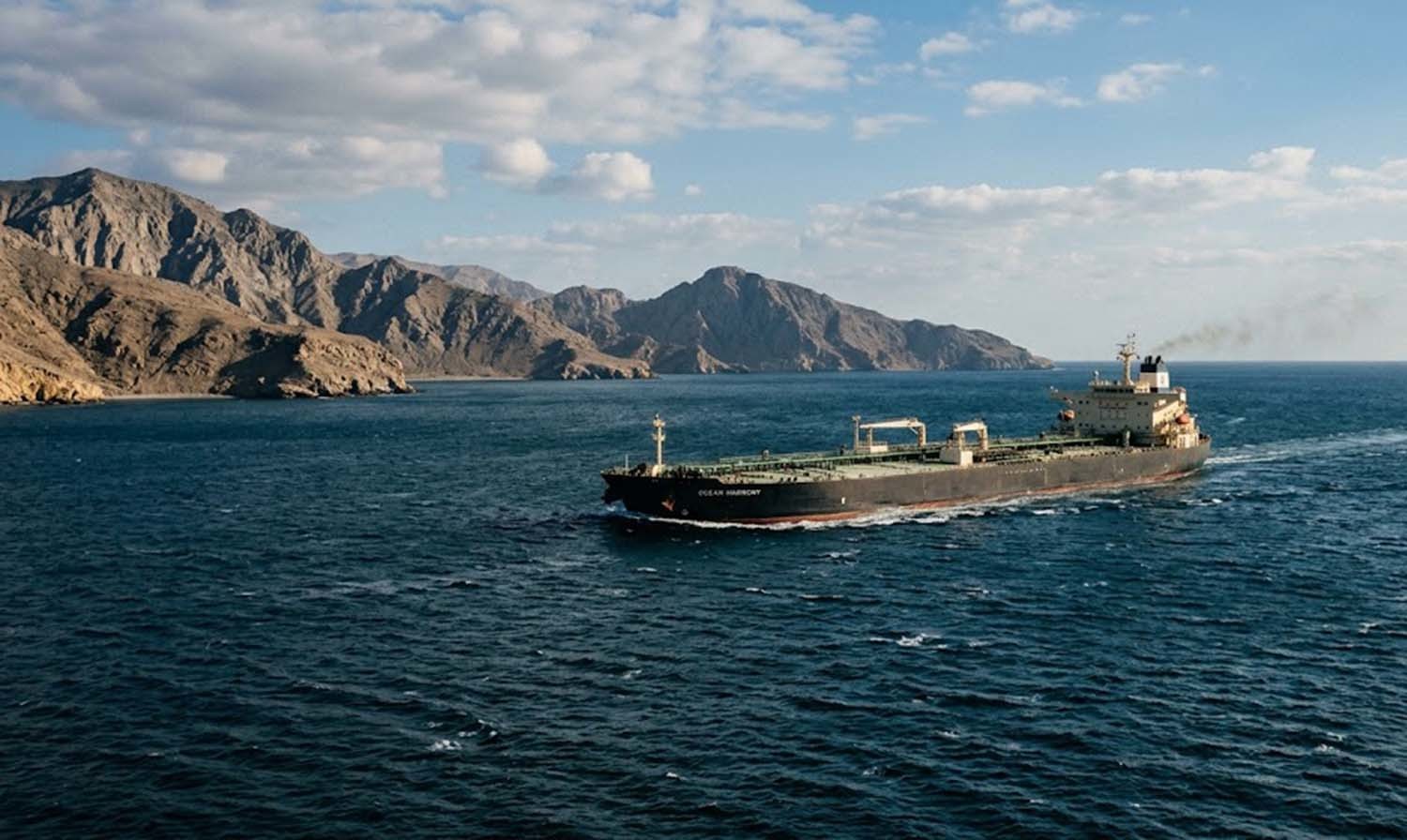
On April 24 (local time), the IRGC Navy issued a statement explaining why it seized the container ships Epaminondas and MSC Francesca in the Strait of Hormuz on April 22.
The IRGC said it had monitored the Epaminondas for six months. It found that the ship called at 11 U.S. ports on 36 occasions from October 2024 through January of this year, unloading 299,000 metric tons of cargo. The statement said the vessel repeatedly ignored warnings and habitually violated maritime rules, prompting the seizure. The Liberia‑flagged Epaminondas, owned by a Greek shipowner, was reportedly fired upon by IRGC vessels about 37 km (roughly 23 miles) northwest of Oman.
The IRGC also alleged that the MSC Francesca had links to the Israeli regime. The Panama‑flagged vessel is actually owned by the Italian carrier MSC and was bound for Hambantota, Sri Lanka, when it was seized. It came under fire about 15 km (around 9.3 miles) off the Iranian coast but suffered no hull damage; roughly 40 crew members are reported safe. Montenegro’s maritime minister said the ship was anchored about nine nautical miles (approximately 10.4 miles) off Iran’s coast, that negotiations between MSC and Iran were under way, and that the crew were safe. Croatia’s foreign ministry confirmed that two Croatian nationals were aboard.
The IRGC added that both ships are now being escorted into Iranian territorial waters for cargo and document inspections. Iranian authorities said they also engaged a third vessel, the Euphoria, during the operation, but that ship managed to escape after being hit.
Tit‑for‑tat escalation
The seizures follow a sharp uptick in clashes after the U.S. began a maritime blockade of Iranian ports on April 13. Before that blockade, U.S. forces had seized two Iranian vessels in the Indo‑Pacific that intelligence says were part of a so‑called “dark fleet” moving oil and other cargoes in violation of international sanctions.
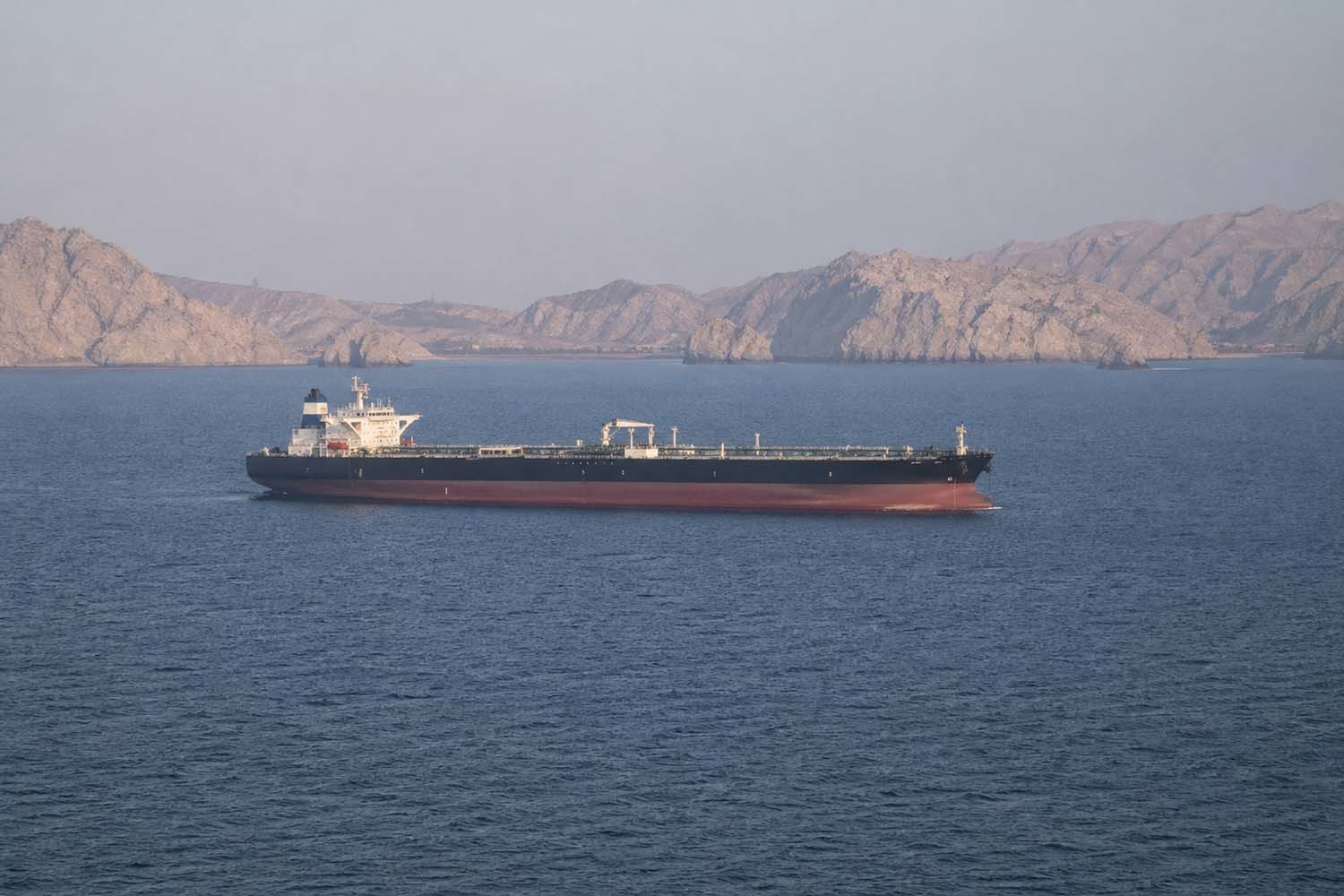
On April 21, U.S. forces fired on and seized an Iranian‑flagged container ship, the Tuska, which was heading for the port of Bandar Abbas. Iran immediately condemned the action as “piracy.” The next day, the IRGC seized the Epaminondas and MSC Francesca. Maritime intelligence firm Windward AI characterized the IRGC’s action as a tit‑for‑tat response to the U.S. seizure of the Tuska.
President Donald Trump had announced he would extend a two‑week truce with Iran shortly before the Tuska’s seizure; Iran’s ship seizures followed that announcement. Panama’s foreign ministry called Iran’s seizure of the MSC Francesca “a serious attack on maritime security and an unnecessary escalation” and said it violated international law.
The Strait of Hormuz is now in an unusual state in which U.S. forces control the Arabian Sea entrance while Iran controls the Persian Gulf exit. As a result, vessels must secure approvals from both sides to transit the strait.
Araghchi holds late‑night talks with Pakistan’s military leaders
Despite the military tensions, diplomatic activity continued. Abbas Araghchi, Iran’s foreign minister, arrived in Islamabad late on April 24. According to Pakistan’s foreign ministry, Deputy Prime Minister and Foreign Minister Ishaq Dar, Army Chief General Asim Munir and other senior officials met Araghchi at the Rawalpindi‑based Nur Khan Air Base.
Immediately after arriving, Araghchi held late‑night talks with General Munir and Minister Dar that lasted roughly five hours until dawn. On the morning of April 25, he met separately with General Munir and Interior Minister Mohsin Naqvi. Iran’s delegation included Deputy Foreign Minister Qasem Gharibabadi, Ambassador to Pakistan Reza Amiri Moghadam, and Foreign Ministry spokesman Esmail Baqaei. Iran’s foreign ministry released photos of the meetings but did not disclose details of the discussions.
General Munir has long played a central mediating role in past U.S.‑Iran negotiations. Before the visit, Araghchi wrote on social media that he intended to coordinate bilaterally with partners and consult on regional developments; he said he would visit Oman and Moscow after Pakistan.
The New York Times, citing two senior Iranian officials, reported that Araghchi arrived in Islamabad with a written response to a U.S. peace proposal and planned to meet this weekend with U.S. Middle East special envoy Steve Witkoff and senior presidential adviser Jared Kushner. White House spokesperson Caroline Levitt said Witkoff and Kushner were traveling to Pakistan and described the talks as Pakistan‑mediated direct talks. But Iranian state outlets and the Nour News network tied to the Supreme National Security Council reported that Araghchi would not meet U.S. officials during the visit. Tasnim, a semi‑official Iranian news agency, accused the U.S. of spreading falsehoods and said Araghchi’s visit was not intended for negotiations with Washington.
Hardliners vs. negotiators deepen the rift; deal prospects dim
Deep factional splits inside Iran make a second round of talks harder to achieve. The Wall Street Journal reported on April 24 that infighting between hardliners and negotiators is intensifying. The core dispute centers on U.S. demands that Iran halt uranium enrichment. Hardliners insist on asserting nuclear sovereignty and refuse even to put the issue on the negotiating table.
Mahmoud Nabavian, an ultra‑hardline lawmaker who participated in Iran’s first round of talks, told the state‑run Student News Network (SNN) that Tehran made a “strategic mistake” and that nuclear issues should never have been negotiable. He criticized Mohammad Bagher Ghalibaf, the parliamentary speaker who headed Iran’s negotiating team. IRGC commander Ahmad Vahidi, a leading hardliner, has also opposed what insiders describe as “excessive concessions.”
The U.S. think tank Institute for the Study of War (ISW) said Ghalibaf, who favors talks, and Commander Vahidi, who opposes them, are clashing and that power is shifting toward the IRGC. Insiders say Vahidi remains the principal channel to Supreme Leader Ali Khamenei, who reportedly has limited communications capacity because of an injury.
Mohammad Ameri, an Iran expert at the Wilson Center, told the Wall Street Journal that top‑level decision‑making in Tehran is marked by hesitation and internal debate, delaying agreement on what serves Iran’s national interest.
The U.S. and Iran held a first round of end‑of‑hostilities talks in Islamabad on April 11–12 but failed to reach an agreement. Even after a 21‑hour marathon session, they could not bridge differences over Iran’s nuclear program and reopening the Strait of Hormuz. A second round, scheduled before the end of the two‑week truce, also fell through. Iran says it will return to talks only after the U.S. lifts the maritime blockade; the U.S. refuses. Vice President J.D. Vance said, “Despite 21 hours of intense negotiations, we found no breakthrough. Iran’s nuclear facilities have been destroyed, but we see no promise that they will abandon further nuclear weapons development.”
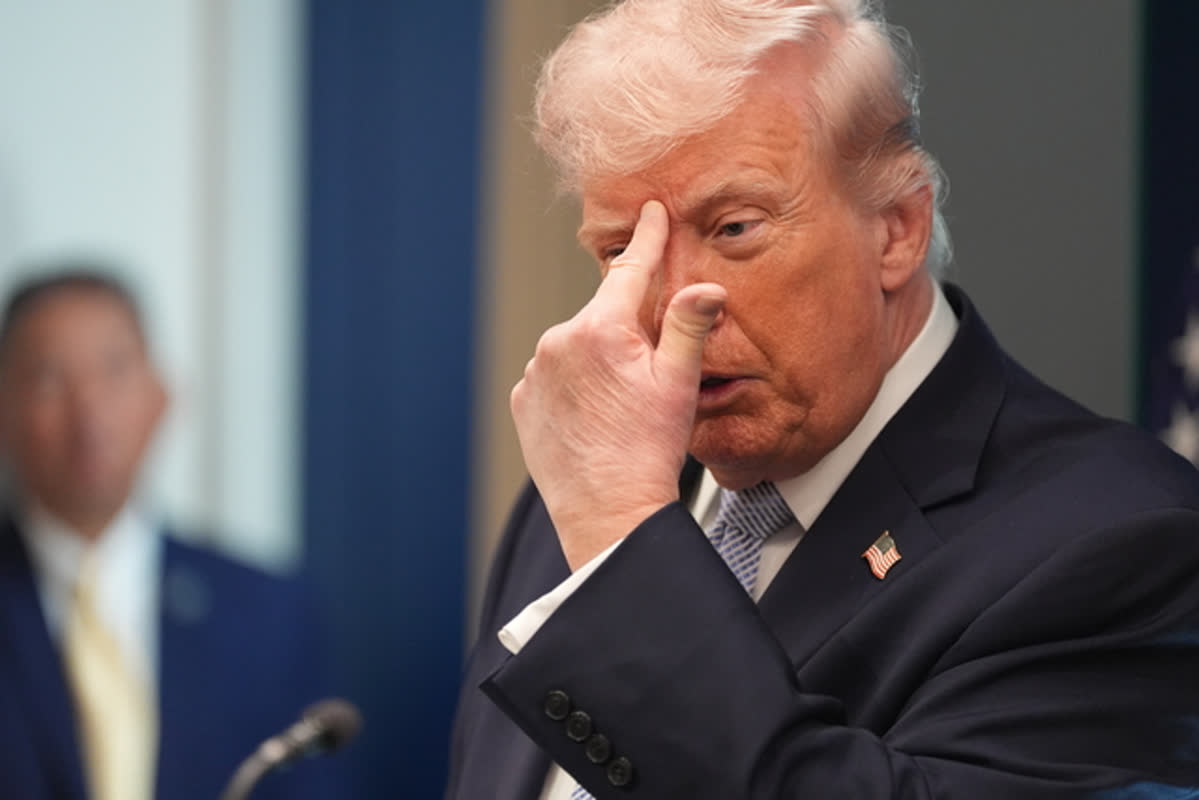
President Trump has publicly pointed to Iran’s internal divisions, saying Tehran “is having a hard time figuring out who their leaders are.” If talks resume, the agenda is likely to focus on Iran’s nuclear program and uranium enrichment, normalizing navigation through the Strait of Hormuz, easing sanctions, and unfreezing Iranian assets.