“Shifting costs onto the public to protect certain companies’ profits”
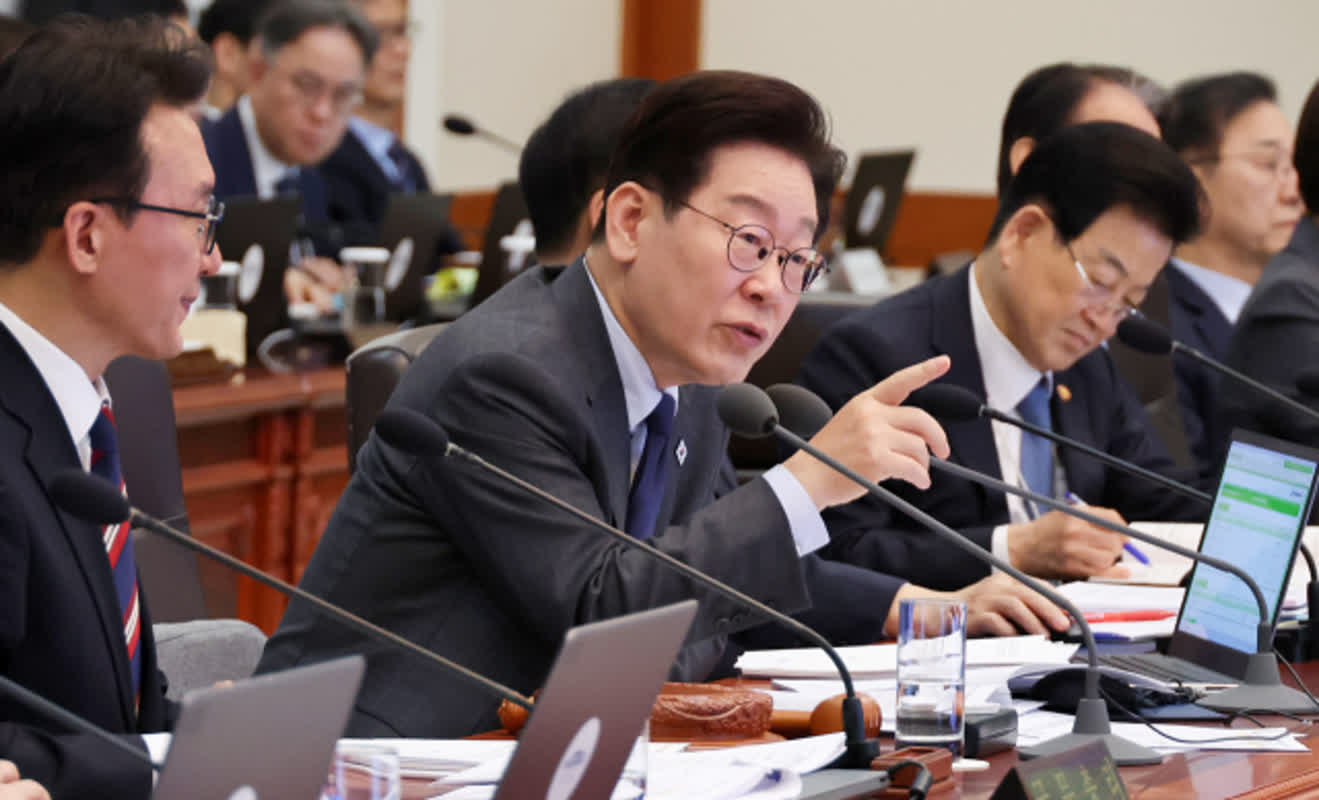
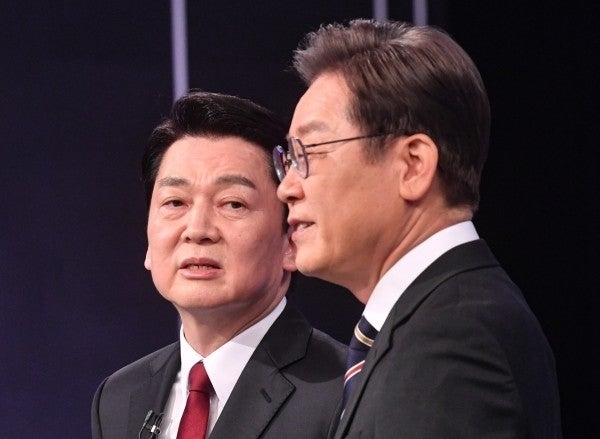
People Power Party lawmaker Ahn Cheol-soo criticized President Lee Jae-myung’s announcement of a fuel price cap, asking, “Why would you cover gas station losses with taxes from citizens who don’t use fuel?” He characterized the government’s response—announced amid rising tensions in the Middle East and a pledge to introduce a maximum fuel price—as unfair.
On the 10th, Ahn posted on his social media, “President Lee has announced a fuel price cap. While policy intervention to prevent monopoly abuses and to curb market disruptions can be warranted, a price cap is an unfair remedy.” He added that the measure “shifts costs onto citizens who bear no responsibility, effectively protecting the profits of certain firms.”
Ahn warned that “if the law freezes fuel prices, refiners and gas stations will inevitably face larger losses as global oil prices rise,” and he criticized a provision in the current Petroleum Business Act that would allow the state to make up those losses. “Under a price cap, the public ends up covering the shortfall for gas station losses,” he said.
He argued the policy would force people who commute by public transit or who never use gas stations to shoulder “the absurd burden of subsidizing refiners, fuel retailers and some consumers’ fuel costs, despite not using a drop of oil.” He noted that the reason the cap has been dormant since the oil shocks of the 1970s–80s is precisely this inequity.
Ahn urged the president to halt what he called “an out-of-step move that shifts the burden onto everyone,” noting that alternatives such as fuel tax rebates and releasing strategic reserves remain available.
Under the current Petroleum Business Act, the trade minister can set maximum or minimum selling prices for petroleum products when import or retail prices swing sharply or threaten to do so.
The law also allows the government to compensate refiners, importers or retailers for losses they incur. Energy industry officials warn that implementing a fuel price cap could cost the government several hundred billion KRW (approximately several hundred million USD) in compensation.
On the 9th, the Blue House held a briefing after an emergency economic review meeting chaired by the president on the Middle East situation and said it will implement a fuel price cap this week. Kim Yong-beom, the Blue House policy chief, said the administration will quickly carry out related procedures, such as issuing notices under the Petroleum Business Act, to “prevent abnormal price-setting of petroleum products and secure price predictability.”