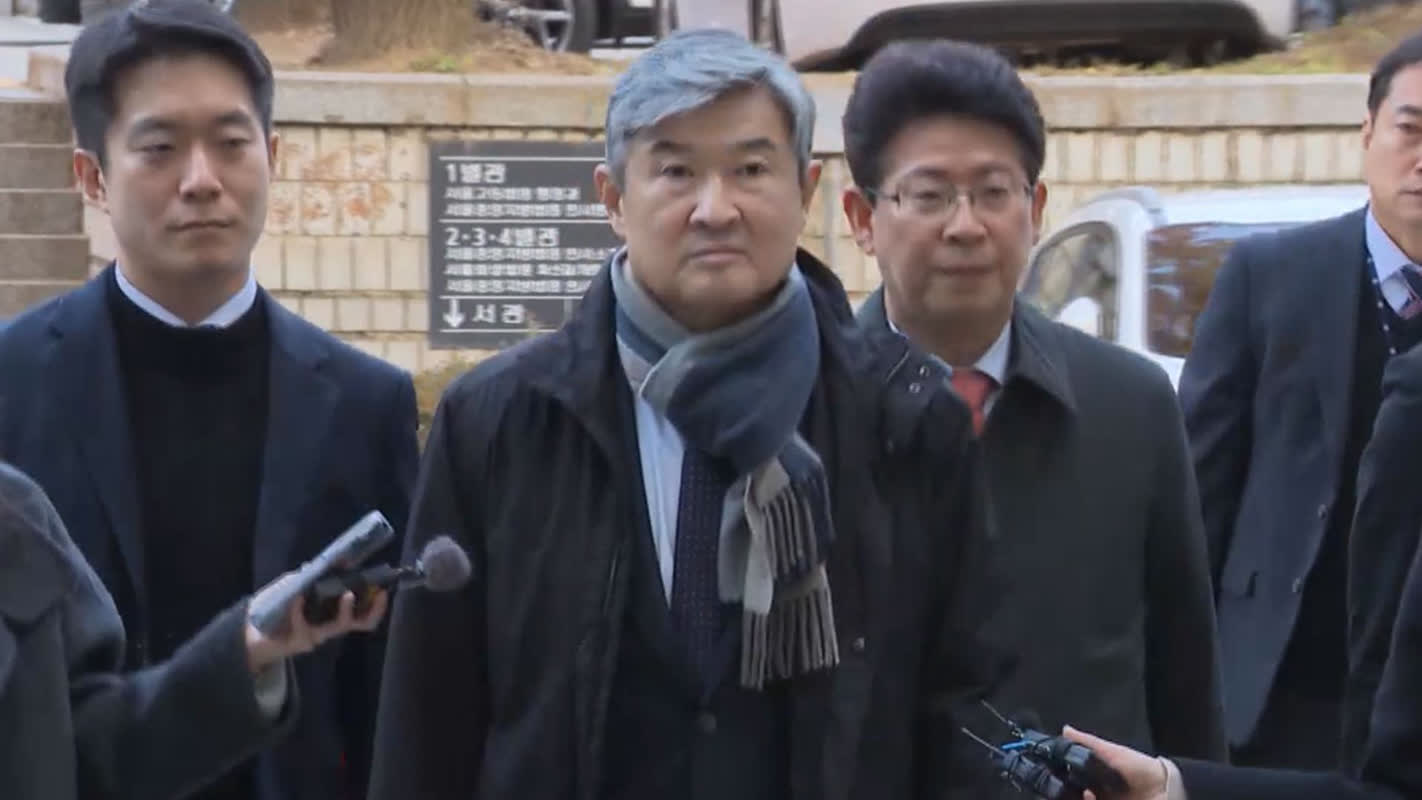
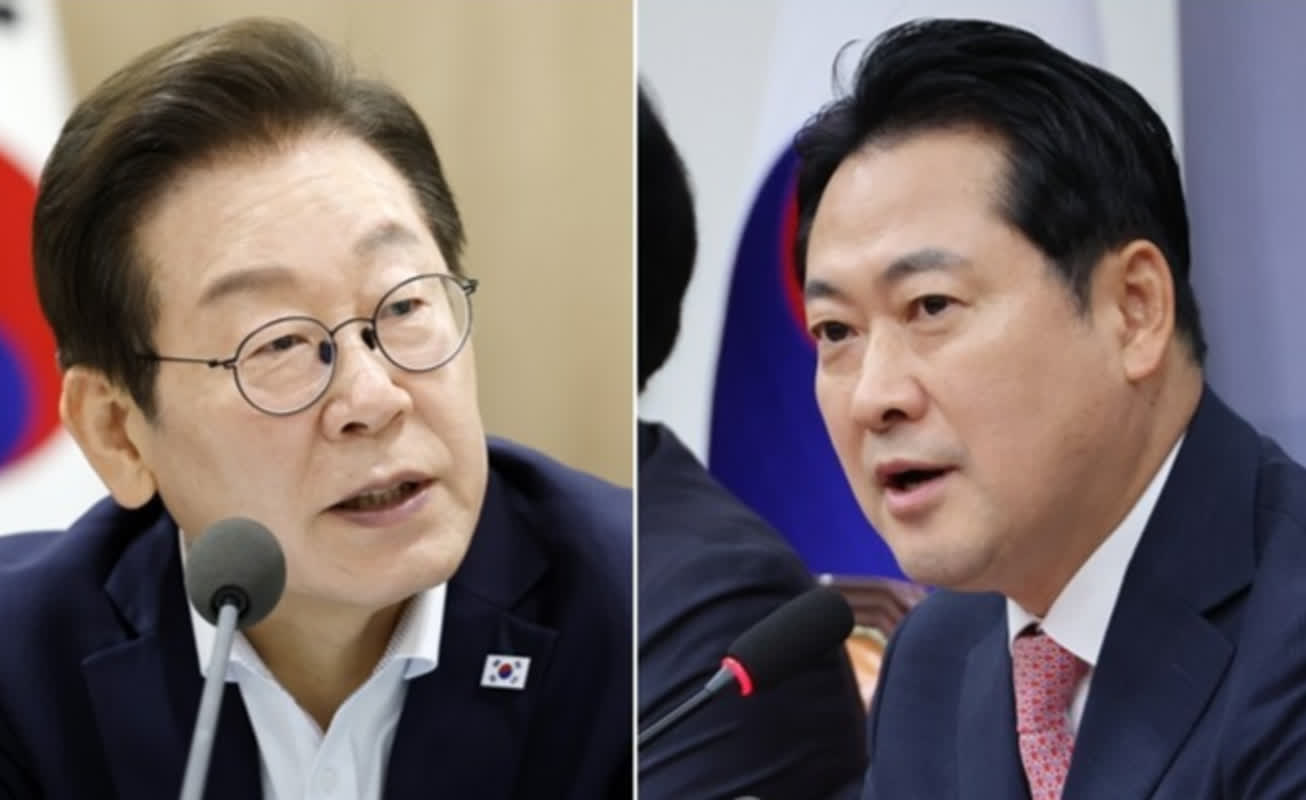
![Kim Man-bae, majority shareholder of Hwacheon Daeyu (left), and Yoo Dong-gyu, former planning director of the Seongnam Urban Development Corporation [Photo=Yonhap News]](https://contents-cdn.viewus.co.kr/image/2026/03/CP-2023-0070/image-cbefacf8-27e5-45fa-8cd7-eaa8a67f7760.jpeg)
The first appellate hearing for private developers who were sentenced in the Daejang-dong development-favoritism scandal opened on March 13. The defendants largely denied the breach-of-duty charges.
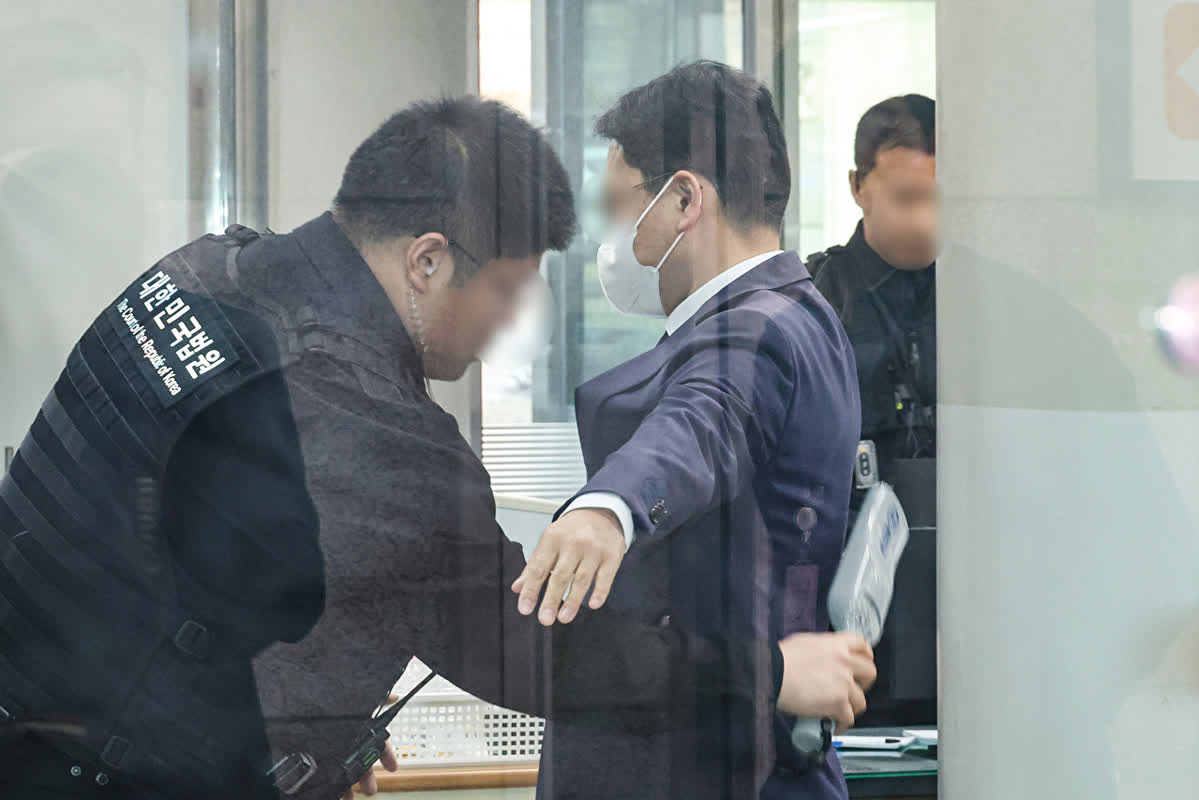
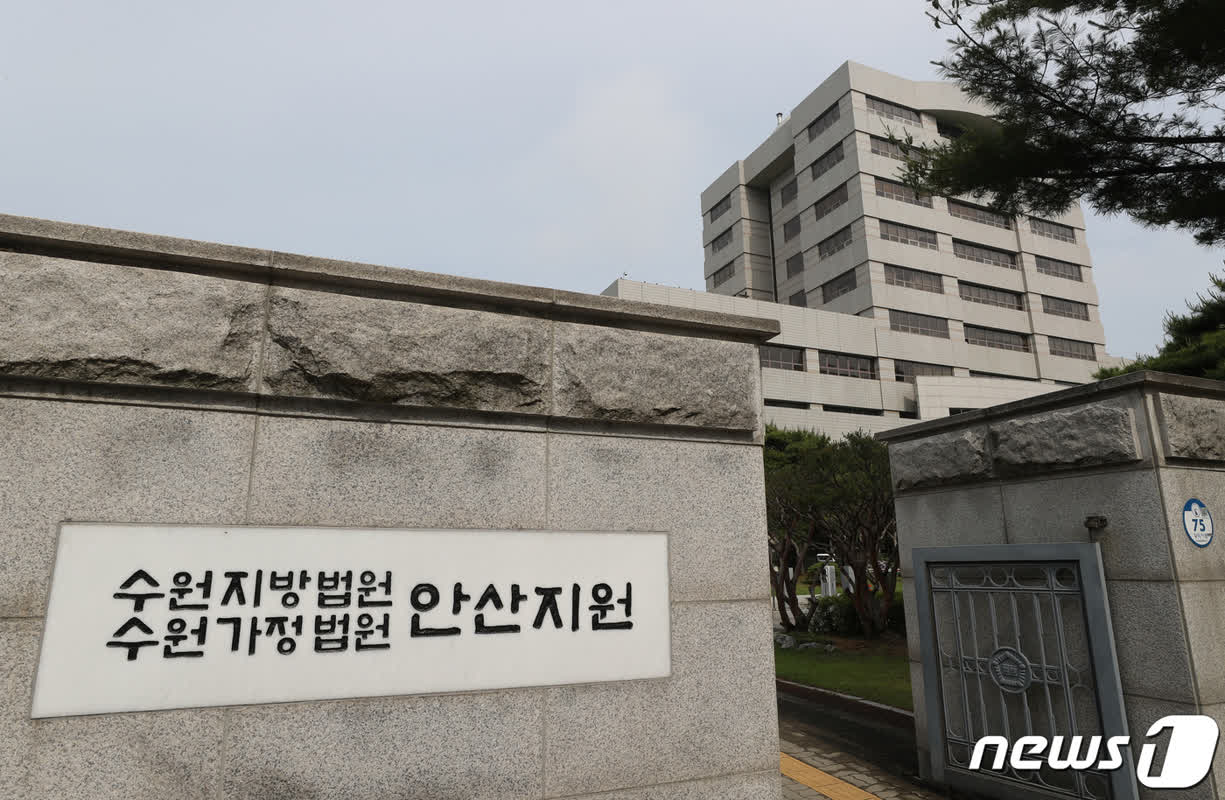
The Seoul High Court’s Criminal Division 6-3 (Presiding Judges Min Dal-gi, Kim Jong-woo, and Park Jeong-je) held the first appeal hearing for five defendants charged with breach of duty and related offenses: former Seongnam Urban Development Corporation planning director Yoo Dong-gyu; Kim Man-bae of Hwacheon Daeyu Asset Management; lawyer Nam Wook; accountant Jeong Young-hak; and lawyer Jeong Min-yong.
Only the prosecutor appeared at the first hearing. When the court asked the prosecution to state its position on the appeals, the prosecutor briefly requested that the appeals be dismissed and then took a seat.
Each defendant then laid out their grounds for appeal. Yoo’s legal team said that, with respect to the breach-of-duty charge, although their appeal brief had argued factual misinterpretation and legal error regarding the defendant’s admitted breach of duty at trial, they now withdraw that claim and acknowledge criminal responsibility. They asked the court to consider that the trial court’s sentence was excessive.
Yoo’s lawyers also challenged the trial court’s finding of bribery under the Act on Aggravated Punishment of Specific Crimes, citing factual error, legal misunderstanding, and improper sentencing. They argued that the trial court’s finding—that Yoo accepted bribes on six occasions totaling ₩310,000,000 (about $232,500)—relied solely on Nam Wook’s testimony without objective corroborating evidence.
Kim’s defense counsel presented arguments for about an hour. They denied the breach-of-duty charge, arguing that Seongnam City’s core purpose in promoting the project was to raise funds to convert the First Industrial Complex into a park; therefore, treating the park-conversion costs as unrelated to the city’s public-interest benefit would be a mechanical judgment.
They added that Seongnam City and the Seongnam Urban Development Corporation did not obtain additional development profits merely because they held permitting authority, and that any assessment of the city’s financial harm should consider the profitability of the entire Daejang-dong development project, not only dividend gains.
Lawyer Nam and accountant Jeong also denied the breach-of-duty charges.
Prosecutors charged the private developers with using the corporation’s internal secrets during the Daejang-dong project between August 2014 and March 2015 to secure illicit gains of ₩788.6 billion (about $591,450,000) and to inflict losses of ₩489.5 billion (about $367,125,000) on the corporation.
In October of last year, the trial court sentenced Kim to eight years in prison and ordered forfeiture of ₩42.8 billion (about $32,100,000). The court sentenced Yoo to eight years in prison, imposed a fine of ₩400 million (about $300,000), and ordered forfeiture of ₩810 million (about $607,500).
Lawyer Nam received a four-year prison term, and accountant Jeong Young-hak received a five-year term. Separately, lawyer Jeong Min-yong was sentenced to six years in prison, along with a fine of ₩3.8 billion (about $2,850,000) and forfeiture of ₩3.722 billion (about $2,791,500).
The prosecution declined to appeal parts of the trial court’s verdict. As a result, counts on which the trial court rendered acquittals—such as breach of trust under the Specific Economic Crimes Act and violations of the Conflict of Interest Prevention Act—cannot be retried, and the court cannot impose a heavier sentence than at first instance.
The appellate process also effectively capped the defendants’ maximum forfeiture at the trial court’s amount of ₩47.3 billion (about $35,475,000), making it difficult for prosecutors to recover the ₩781.4 billion (about $586,050,000) in illicit gains they sought at trial.