Unification Ministry Again Emphasizes Remarks Were Based on Public Information
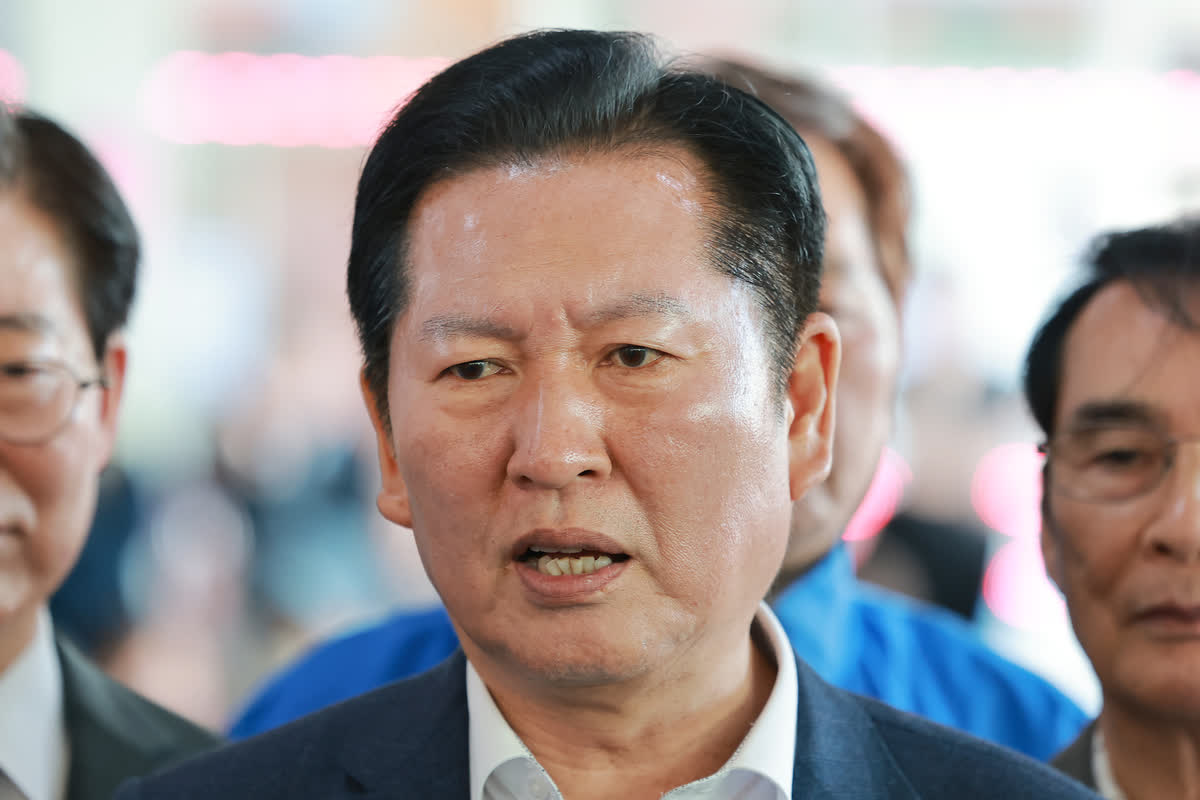
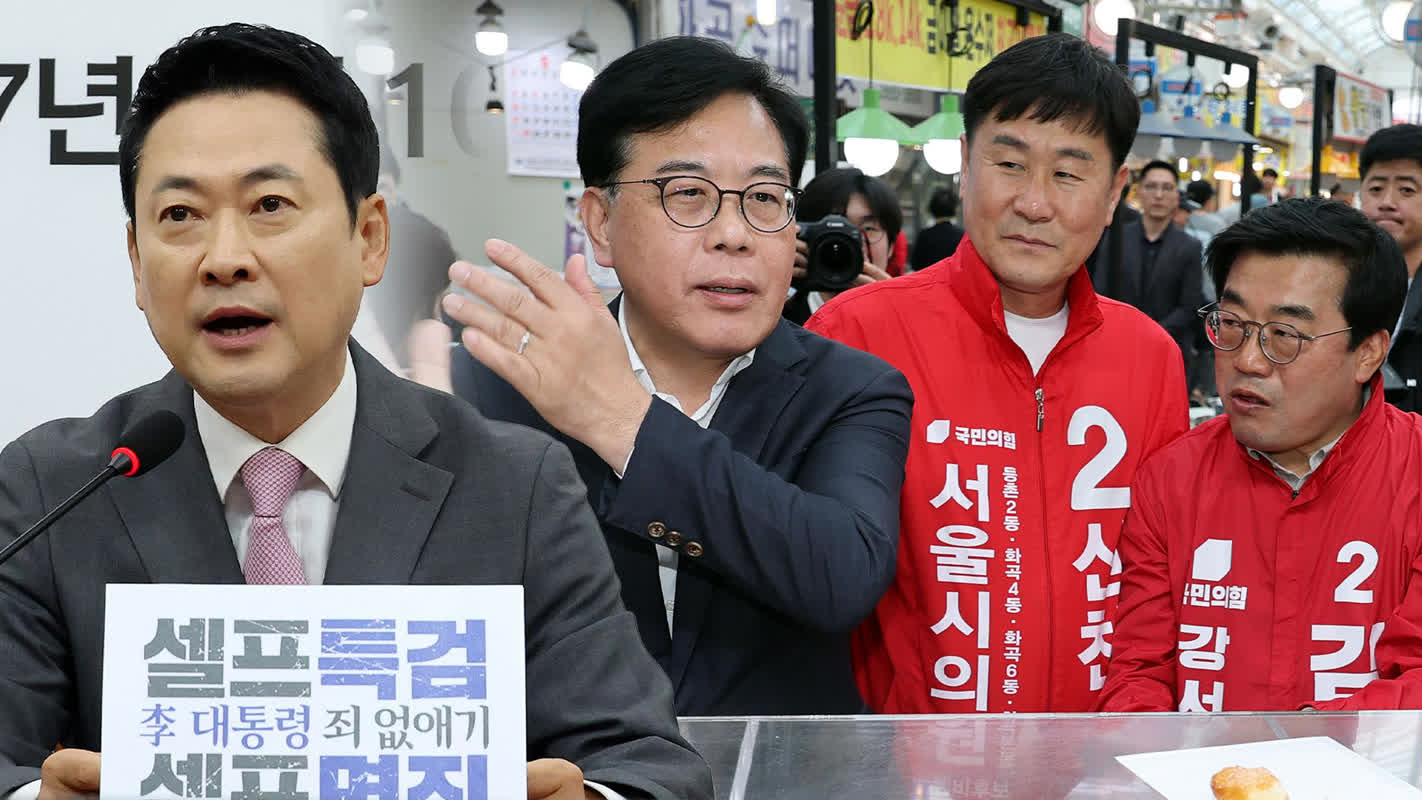
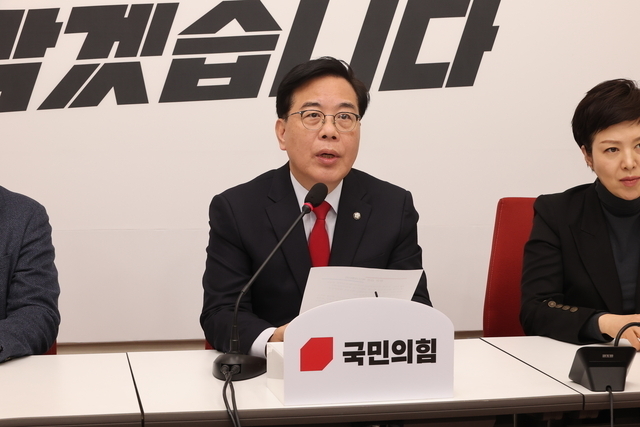
People Power Party floor leader Song Eon-seok on the 18th criticized media reports that the U.S. government had notified Seoul of restrictions on information sharing after Unification Minister Jeong Dong-yeong publicly identified Nyongbyon, Kangsŏn and Kusong in North Pyongan Province as sites of nuclear facilities, calling the episode a major diplomatic blunder.
On his Facebook page the same day, Song said the first step to prevent a repeat of this incident is Minister Jeong's dismissal.
He said the \"Jeong Dong-yeong risk\" to South Korea's foreign and security policy has crossed a critical threshold. He accused Jeong of advancing a DMZ law with the ruling party without coordinating with the United Nations Command, which provoked a strong rebuke from the UNC, and of making a reckless remark that appeared to echo North Korea's unconstitutional two-state rhetoric, sowing distrust both domestically and internationally.
Song added that Jeong's careless comments ultimately caused a serious breach in intelligence sharing and military cooperation between Seoul and Washington, putting a crack in the alliance's otherwise firm security cooperation.
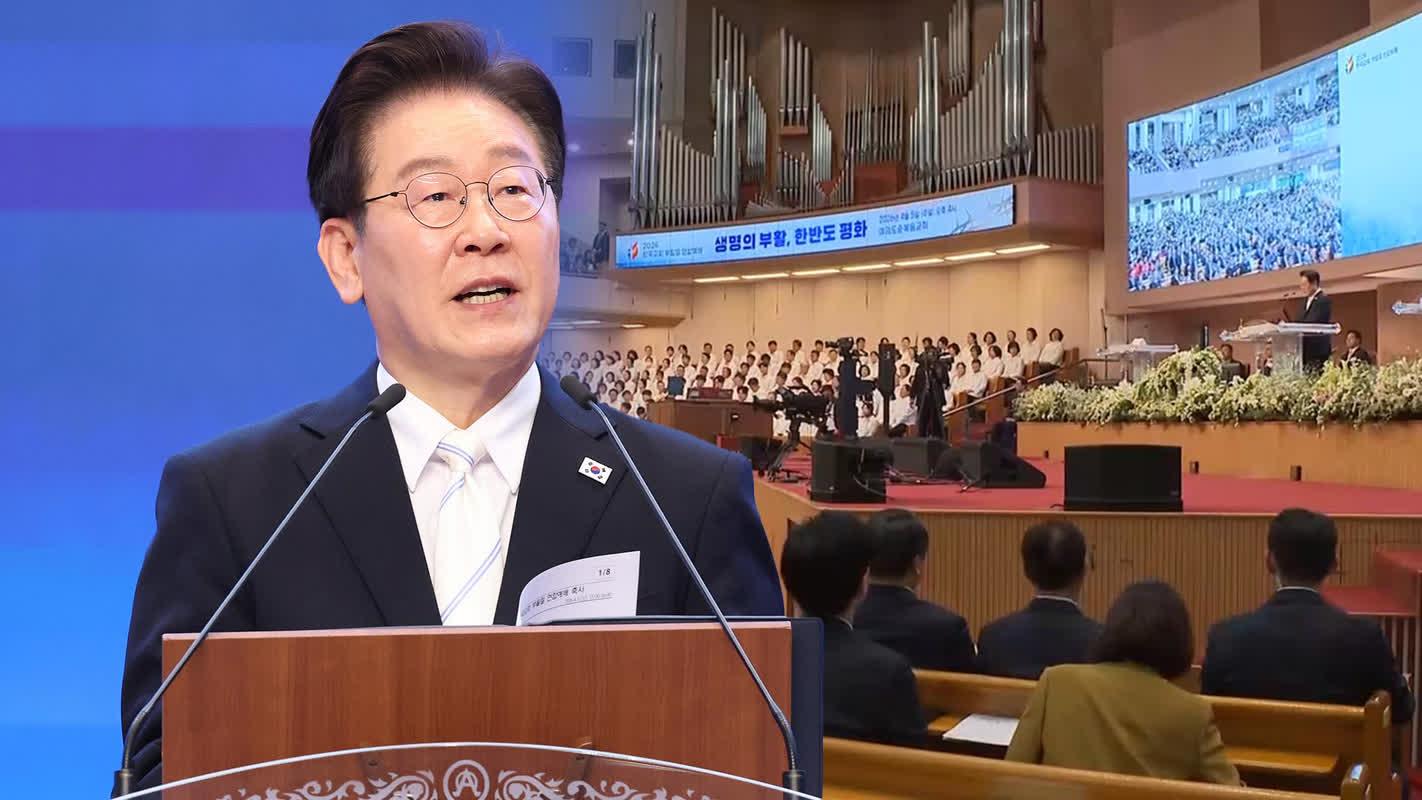
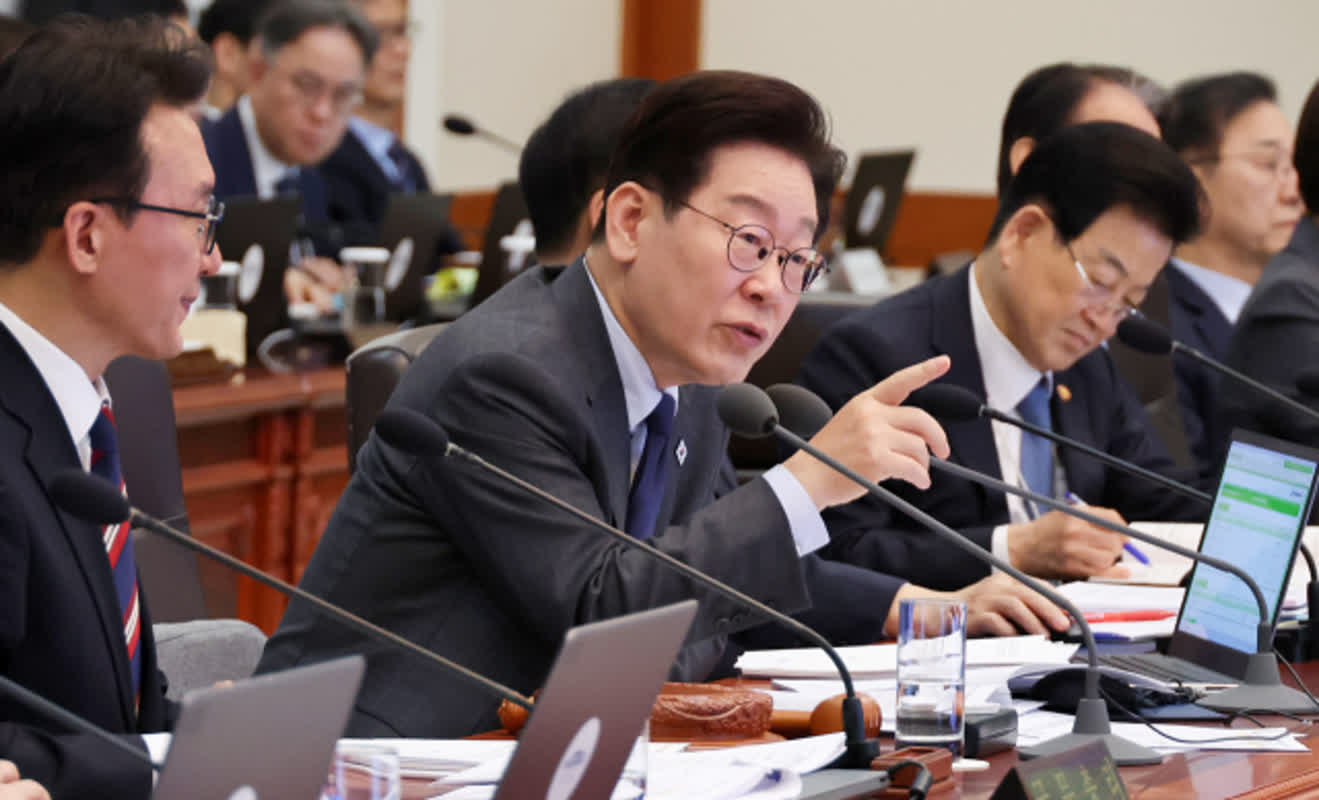
On the 6th of last month, Minister Jeong appeared before the National Assembly's Foreign Affairs and Unification Committee and, citing a report by IAEA Director General Rafael Grossi, named Kangsŏn in addition to Nyongbyon and Kusong as locations of North Korea's uranium-enrichment facilities.
The comment drew attention because it was the first time a senior government official publicly identified Kusong as a suspected site of uranium enrichment. Grossi's original report had mentioned only Nyongbyon and Kangsŏn.
The Ministry of Unification previously explained that Minister Jeong's remarks to the committee were based on publicly available information from international research institutions, not on material provided by other agencies, and that it had explained this background to U.S. officials.
A Unification Ministry official reiterated that the possibility of uranium enrichment at Kusong has been reported by multiple research organizations and media outlets since the 2016 report by the U.S.-based Institute for Science and International Security (ISIS) and subsequent domestic coverage, and said the ministry mentioned Kusong while stressing the seriousness and urgency of the North Korean nuclear issue based on that public information.