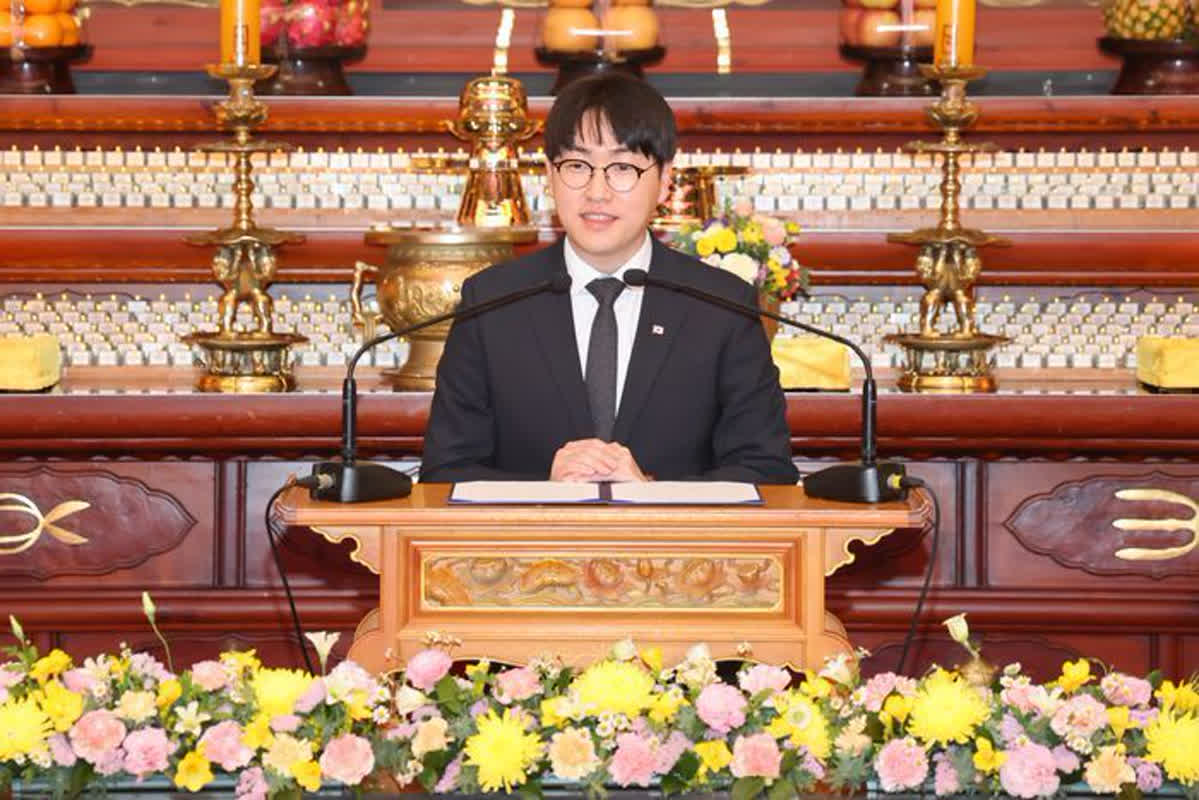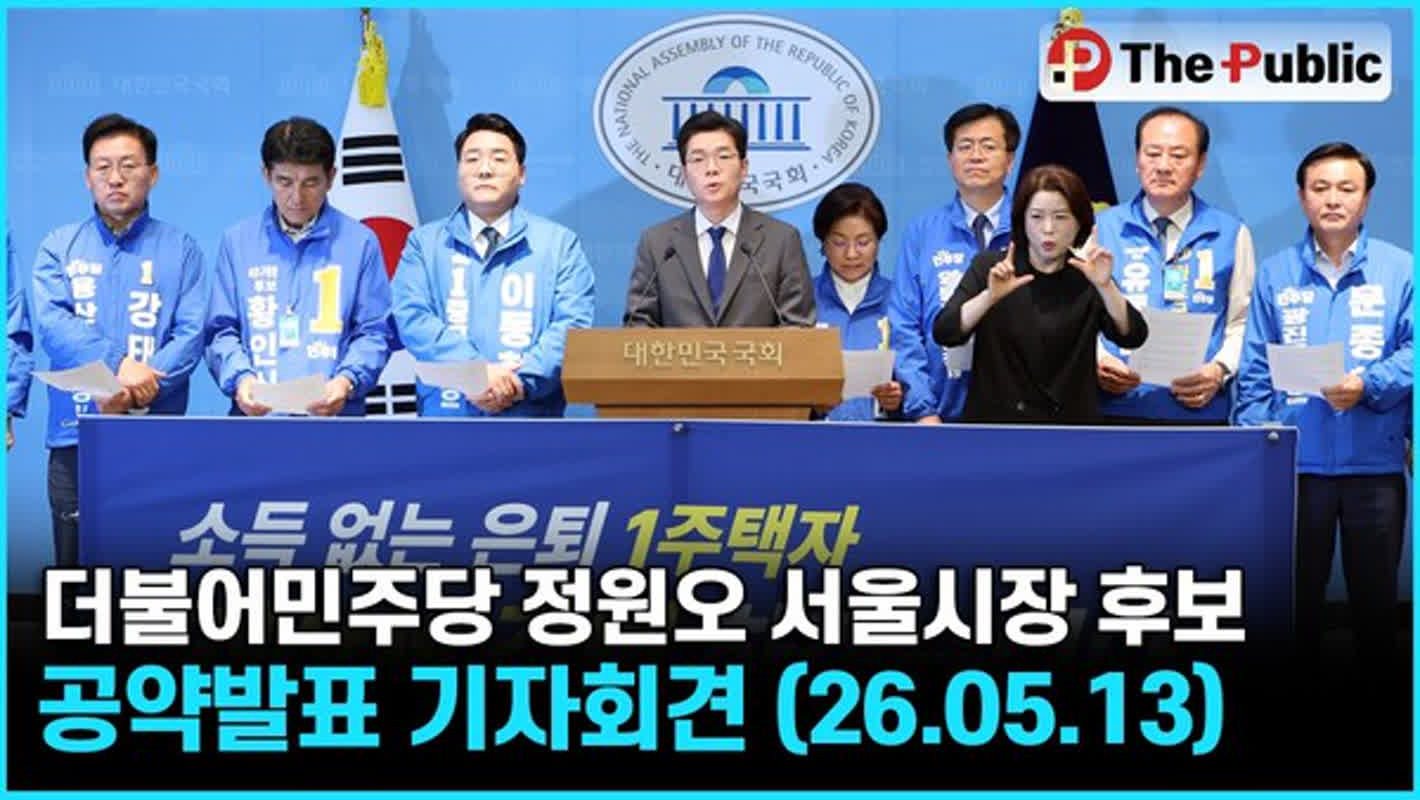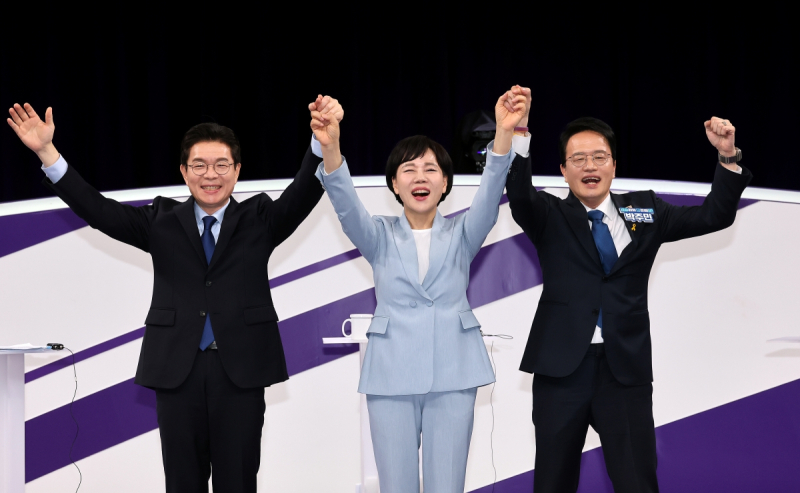
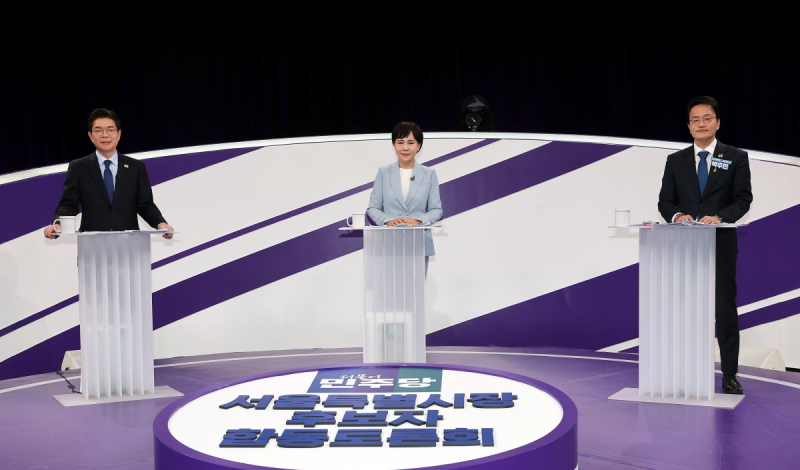
Jeon Hyun-hee, Park Joo-min and Jung Won-oh (listed by ballot order) set out their positions on livelihoods and economic policy at the Democratic Party’s first mayoral primary debate on March 31 at MBC Studio in Sangam-dong, Mapo District, Seoul.
The candidates were divided over how to tackle Seoul’s urgent housing shortage. Jung proposed reducing common-area amenities in for-sale apartments and cutting prices to about 70% of comparable market levels with a so-called “affordable-style apartment” plan.
Jung said, “There is demand, so we should supply. If I become mayor, I will combine the strengths of existing housing delivery methods and deliver housing within my term.”
Jeon and Park proposed land-lease apartments in which public authorities retain the land while private developers build and then sell or rent the buildings. Jeon argued that because redevelopment and reconstruction in Seoul can take nearly a decade, Jung’s affordable-style plan might reach groundbreaking but still struggle to deliver completed units in a timely way.
Jeon cited examples—roughly 30-pyeong (~1,070 sq ft) apartments sold for about 200 million KRW (approximately $150,000) in Gangnam and units offered around 300 million KRW (approximately $225,000) in Magok and Godeok—to argue that the market can move quickly if political will exists.
Park said the city should use the Yongsan rail depot site, where Seoul already owns the land, to supply 20,000 homes through a land-lease model. She also proposed a “citizen REIT” funded by small contributions from residents to acquire developer-donated units in advance and convert them into rental housing.
The candidates agreed that the idea of a temporary suspension of free subway rides for seniors during peak hours—revived amid energy concerns tied to the Middle East war—deserves review, but they stressed it should be applied flexibly.
All three expressed support for expanding public transit use to save energy, in line with the Lee Jae-myung administration’s push. They also agreed seniors should be asked to limit subway trips during peak commute times to ease congestion.
Jeon suggested issuing a separate transit card for seniors who rely on the subway for work. Park proposed diversifying work start times to spread demand, and Jung emphasized running campaigns to encourage voluntary participation.
On citizen complaints that followed BTS’s Gwanghwamun Square concert, the candidates all backed building a permanent arena to reduce disruption. They said Seoul lacks large venues capable of handling hundreds of thousands of international fans, which has led to traffic congestion and other problems.
Jeon proposed a 70,000-seat Seoul dome arena and said it could be developed without adding to taxpayers’ burden by combining private construction of public facilities with government leasing in a BTL/BTO hybrid model.
Jung suggested building a “K-pop arena” on Seoul-owned idle land in Sangam-dong. Park proposed forming a forum of citizens and experts to set operating standards for Gwanghwamun directly, aiming to minimize disruption.
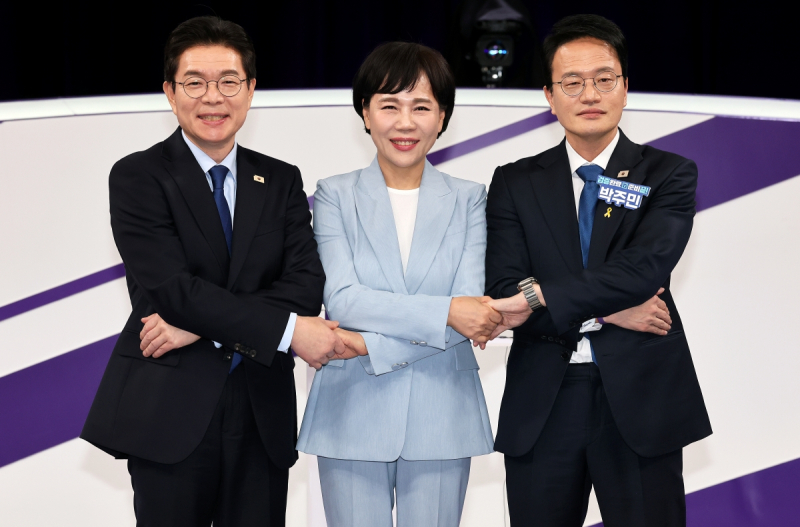
The candidates each highlighted the Lee Jae-myung administration’s success in local elections while emphasizing their own strengths and public profiles.
Jeon stressed her integrity. “Under the Yoon Suk Yeol administration, both President Lee and I were targeted for removal, but thorough vetting found no wrongdoing,” she said. “As a former chair of the Anti-Corruption and Civil Rights Commission who worked alongside Governor Lee Jae-myung, I will strongly support the government’s success.”
Park emphasized her record of delivering results. “I worked with the president and proved that I can produce outcomes,” she said. “I am a candidate prepared with immediately implementable policies, not slogans.”
Jung highlighted his administrative experience as mayor of Seongdong District. “With greater authority, I will extend benefits to more residents across a wider area,” he said. “I will make Seoul a city where citizens’ voices determine policy.”