With candidate registration for the 9th nationwide local elections imminent, the electoral landscape in Jeonbuk is effectively shifting into general-election mode. Once registration concludes and official campaigning begins, door-to-door canvassing and public-opinion battles are expected to intensify across the region. The police have signaled they will elevate their response to election-related crimes to the highest level.
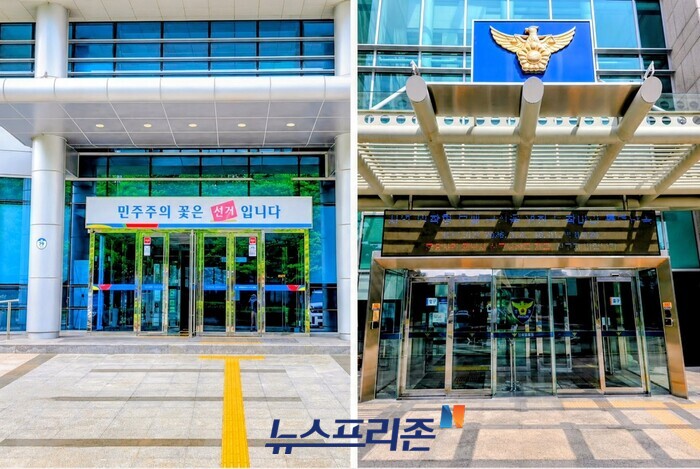
According to the Jeonbuk Special Self-Governing Province Election Commission, candidate registration will take place over two days, May 14–15. That procedure will finalize the candidate lists for governor, the provincial superintendent of education, municipal executives, and regional and local assembly seats, reshaping the local political field into a full-scale general-election contest.
Official campaigning will run for 13 days, from May 21 through June 2, the day before the election. During that window, candidates will conduct street rallies, announce policy platforms, participate in broadcast debates, and mobilize their organizations to court voters.
This cycle already includes a string of complaints, allegations and ongoing investigations in contests such as the governor’s race and several municipal executive races, raising the risk of heightened tensions once registration is complete. Political observers warn that legal disputes over candidate vetting and an escalation of online influence campaigns could become major determinants.
Against this backdrop, the National Police Agency’s Criminal Investigation Headquarters announced on May 10 that it will raise the nationwide response level for election crimes to level 3—the highest—beginning May 14, the opening day of candidate registration.
Earlier this year, police established 2,096 dedicated election-crime investigation teams across stations nationwide in February, and since March they have operated a 24-hour election-crime situation center, gradually expanding their response capacity.
The move to level 3 emphasizes an all‑out response that integrates investigative units with security and local policing functions. In Jeonbuk, the provincial police agency and local stations are expected to strengthen election monitoring and on-the-ground responses as they enter a full enforcement phase.
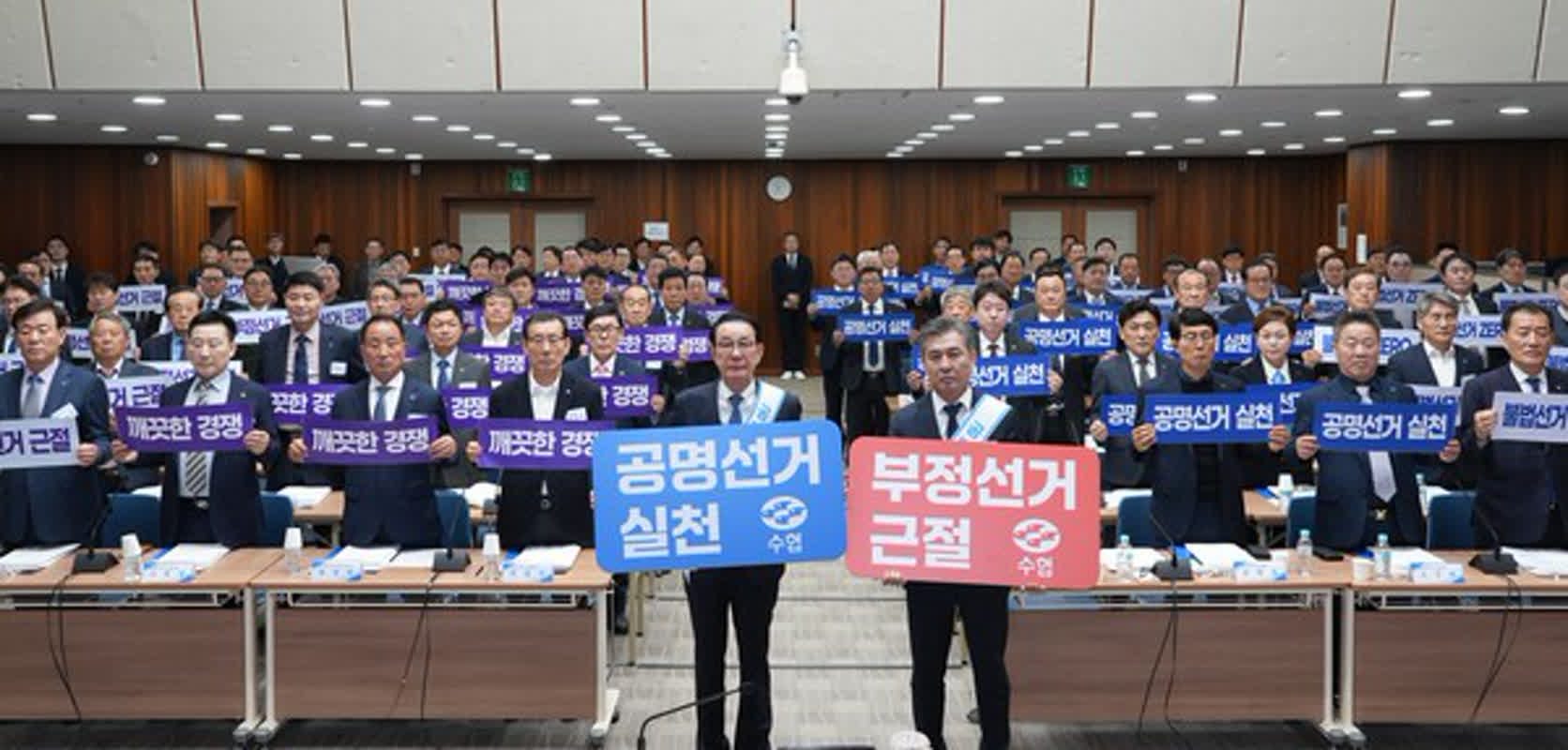
Police have defined three primary election offenses—spreading false information and fake news, offering money or hospitality, and public officials’ violations of political neutrality—and they say they will apply a zero-tolerance approach.
With nationwide concern growing over AI-generated fake videos and manipulated content, the police plan to activate an “AI-manipulated-content analysis response system.” The production and distribution of election videos using deepfake technology have been fully banned under the Public Official Election Act since March.
As campaigning ramps up, Jeonbuk is likely to see a surge in candidate-related videos and images circulating on online communities and social media, making the cyber-response capabilities of both police and the election commission a key variable.
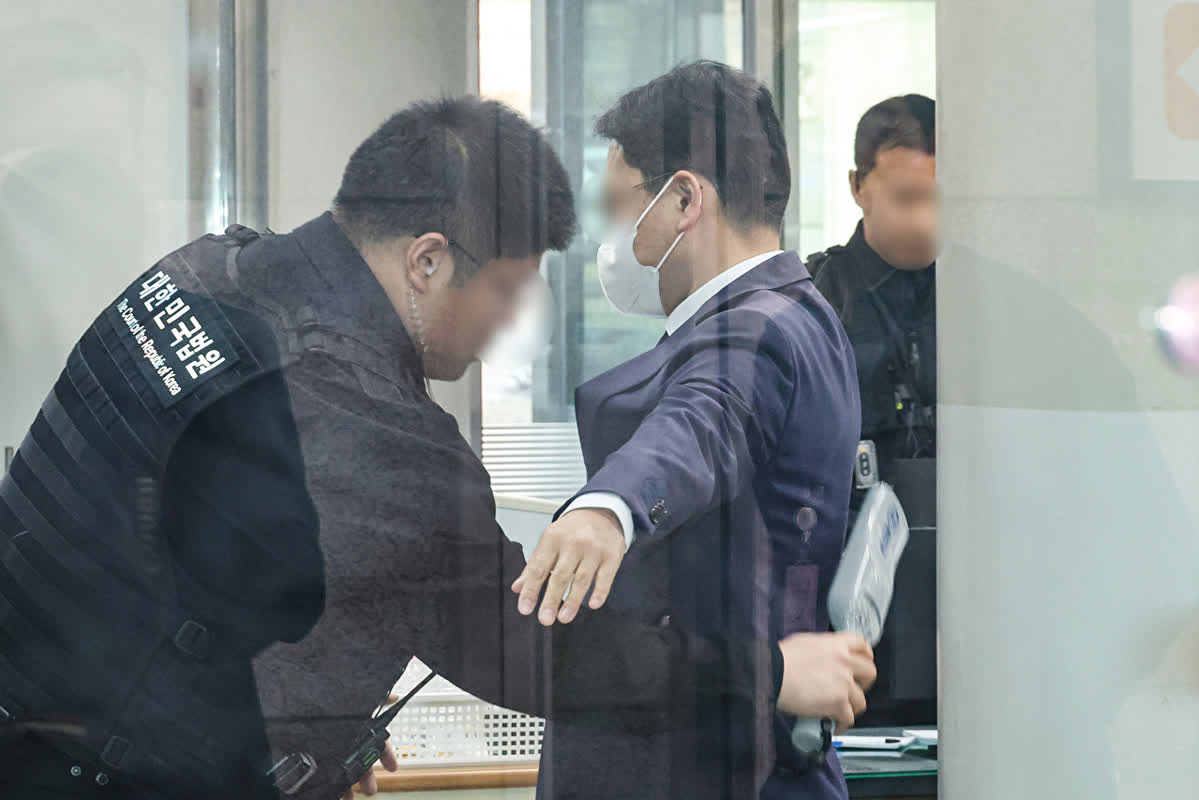
The police also plan to respond firmly to election violence—assaults, threats and disruptions against candidates and campaign staff—making on-the-spot arrests where warranted. Authorities say this measure aims to prevent a late-campaign flare-up of local tensions and partisan confrontation.
A Criminal Investigation Headquarters official said, “We will ensure a fair competitive order among candidates so that voters’ intentions are accurately reflected in the results,” and urged the public to report illegal campaign activities to help secure a clean election.
Observers inside and outside the regional political scene say the outcome of this local election could influence Jeonbuk’s political balance and the trajectory of key policy initiatives. They also note that how investigative agencies conduct procedures and whether election management remains impartial could shape public opinion and trust in the vote.