Editor's note
Huam-dong Art Museum is the original go-to spot for long-form cultural and arts storytelling built for an expansive digital landscape. ■Subscribe to the reporter■ to get a new art story every weekend. This piece is grounded in historical fact but written with elements of imaginative storytelling.
※This weekend, why not begin with the music of Édith Piaf?
Knowing every one of those stories,
she could sing with a desperate honesty
she could sing with a desperate honesty
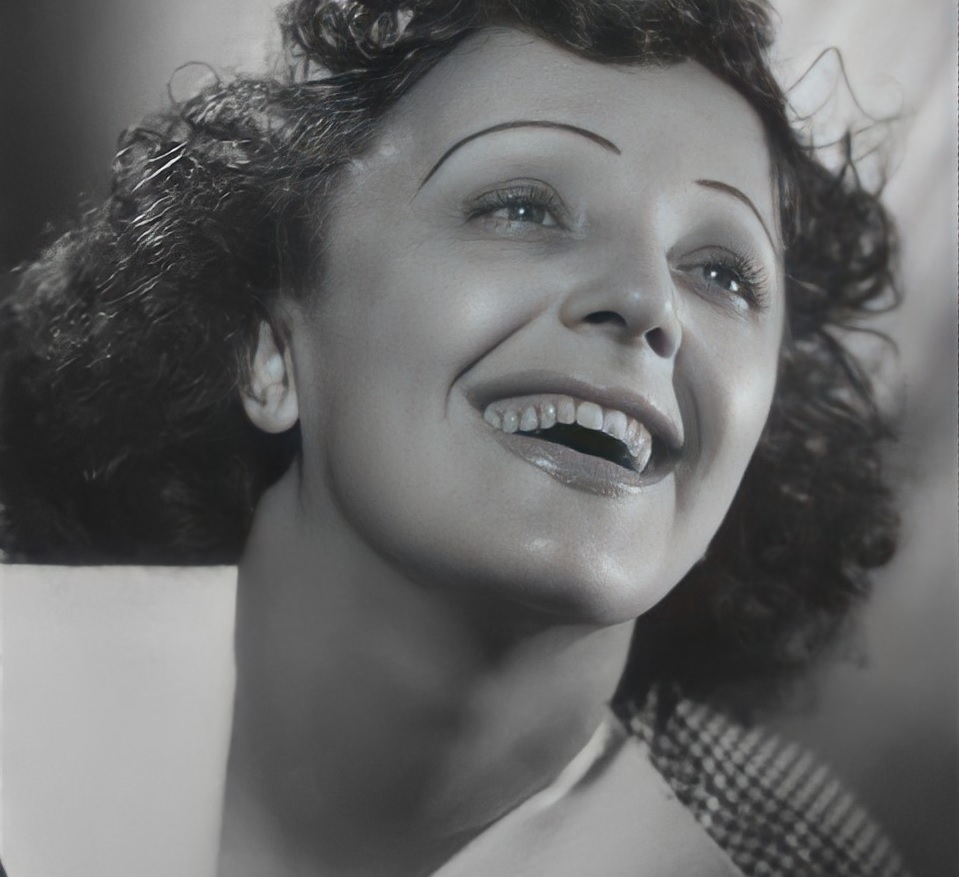
 [Herald Economy = Reporter Lee Won-yul] Édith Piaf was a small woman.
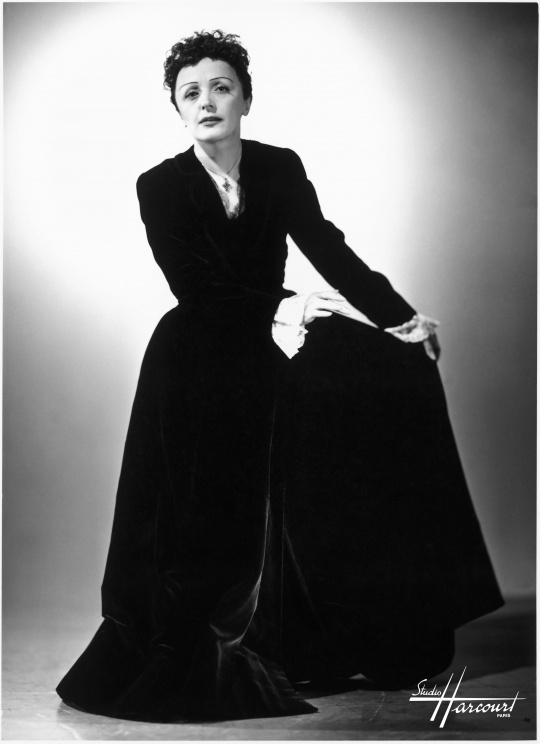
She stood 142 cm (about 4 ft. 8 in.) tall and weighed between 30 and 40 kg (roughly 66–88 lb). True to her stage name, she was like a little sparrow (La Môme Piaf). But her voice was never small. It was large and deep. The words that pierced her fragile body landed heavy as flakes of lead, sometimes as raw as blood and tears. Good singers put feeling into music; entertaining music wins applause, but music that reaches the heart brings stories with it. That was Piaf’s gift. She knew how to make an audience weep. Her vowels cut through and her bright consonants dissolved the knots in people’s chests. What she delivered wasn’t acting. Her husky timbre and nasal color were more than mere technique.
the poverty of beggars she knew.
the pain of the sick, the gloom of women in the brothels she knew as well. She understood the sorrow of a wife who had lost her husband and the grief of a mother who had lost a child. Why? Because she had lived all of it herself. If a Romani fortune-teller had ever read her palm, it would have been a life that moved the reader to tears. Piaf was a girl who stubbornly dreamed of a rosy life. She was someone who kept trying to believe in love and who, in the end, refused to be broken — determined to live as if Non, je ne regrette rien. That unvarnished honesty was at the core of Piaf’s identity and the most intimate part of her art.
A little girl from a poor home
peering at life from inside a brothel
peering at life from inside a brothel
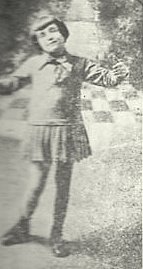 Piaf’s birth name was Édith Giovanna Gassion.
She was born around 5 a.m. on Dec. 19, 1915, on the steps of a Paris slum. Her father, Louis-Alphonse Gassion, was a third-rate performer; her mother, Annetta Giovanna Maillard, was an acrobat and a singer who never caught on. When labor began, her mother collapsed in an alley before she could reach a hospital. A police officer and a passerby acted as midwives. Officially, her birth certificate lists Tenon Hospital as the place of birth, and the alleyway story — part misery, part romance — later became part of the Piaf legend.
Piaf grew up lonely.
Her father went straight to the front in World War I. Her mother returned to a hard life and was often absent. Piaf spent a brief time with her maternal grandmother and then went to live with her paternal grandmother, who ran a brothel. The building was a shabby two-story house with seven rooms. Piaf lived there, entangled with about ten other poor girls (she recalled later). She became gaunt. From ages three to seven she was nearly blind because of corneal inflammation and malnutrition. Fortunately, her sight recovered. Some accounts say a few of the prostitutes, pitying her, took her to the shrine of Saint Teresa and prayed; Piaf later called the recovery miraculous.
Singing on street corners under her father's wing
left home at 15, had a child, then lost it…
left home at 15, had a child, then lost it…
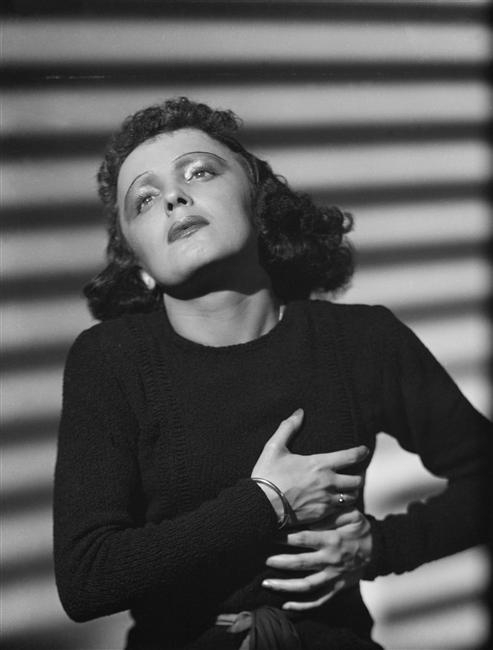 Piaf sang at street corners. She sang before strangers, day and night.
She began with the national anthem, learned the popular tune "Ah! Mon coeur," and soon picked up "La Valse des Rues." She was about 12 to 14 years old. Standing behind her was her father, who had returned from war and made money this way. Piaf’s voice improved steadily. Her father sold his daughter’s performances for coins, but the talent was unmistakable. Piaf’s voice had a pull that stopped people in their tracks. A sad poem lived on her palate and the tip of her tongue. She lacked formal vocal training and much education, but music didn’t require them.
Piaf left home at 15.
At 17 she gave birth to a daughter named Marcel, fathered by a man named Louis Dupont. Piaf had never been cared for herself, so she didn’t know how to mother. The baby died at age two of meningitis. Piaf sobbed until her throat bled. She never forgot that day and often said she was unfit to be a parent.
Singing while dodging police and thugs
her only possession a battered dresser
her only possession a battered dresser
Piaf rented a third-floor boarding-room with no running water.
She stitched lyrics into the streets while dodging a policeman’s whistle one day and leering thugs the next. The money bought, at best, one or two meals. Her only possession was a battered dresser. Those were crushing years — and they deepened her.
The sparrow breaks through and debuts
then becomes entangled in a murder case
then becomes entangled in a murder case
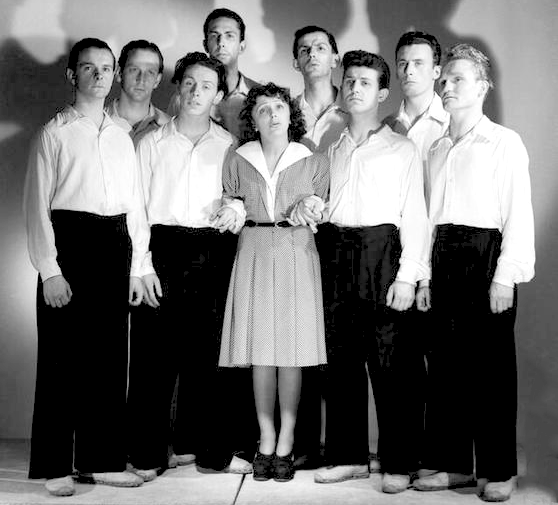 Louis Leplée saw the deepening artist in Piaf.
It was around 1935, when she was about 20. He heard her sing "Comme un moineau" on rue Pigalle and felt a shiver. Leplée owned a busy nightclub and invited her to perform — effectively discovering her. He taught her the world of the stage: stage manners, the black dresses that flattered her small frame, and how to carry herself.
Piaf tasted joy for the first time.
A year later she released a debut record that became a hit. But the joy was short-lived. Leplée was shot and killed. The messy murder involved a thug — someone Piaf had known from her corner-singing days. Authorities suspected her of complicity. The court acquitted her, but the stain did not wash away. “Murderer!” the slanders followed her. She fell into despair and briefly considered leaving it all behind.
She reshaped herself again
a woman forged by many stories
a woman forged by many stories
The talented musician Raymond Asso rescued Piaf and brought her back into the light.
Asso remade Piaf’s image. He coaxed livelier expressions and more charming gestures from her. He taught clearer diction to improve delivery and breathing techniques to spare her voice. He showed her how to write lyrics that fit melodies, how to temper raw passion into controlled performance, and even how to behave at a table, dress appropriately, and stop biting her nails.
Asso likely loved Piaf.
With his guidance, Piaf bloomed again like a wild rose. She entered a new heyday. She returned to the stage as both a sharp, commanding diva and a quietly trembling woman filled with stories. Composers lined up to write for her; crowds lingered by stage doors until dawn to hear her. Piaf may have had an affair with Asso, but another man would capture her heart completely.
An affair with Yves Montand
dreaming of a rosy life
dreaming of a rosy life
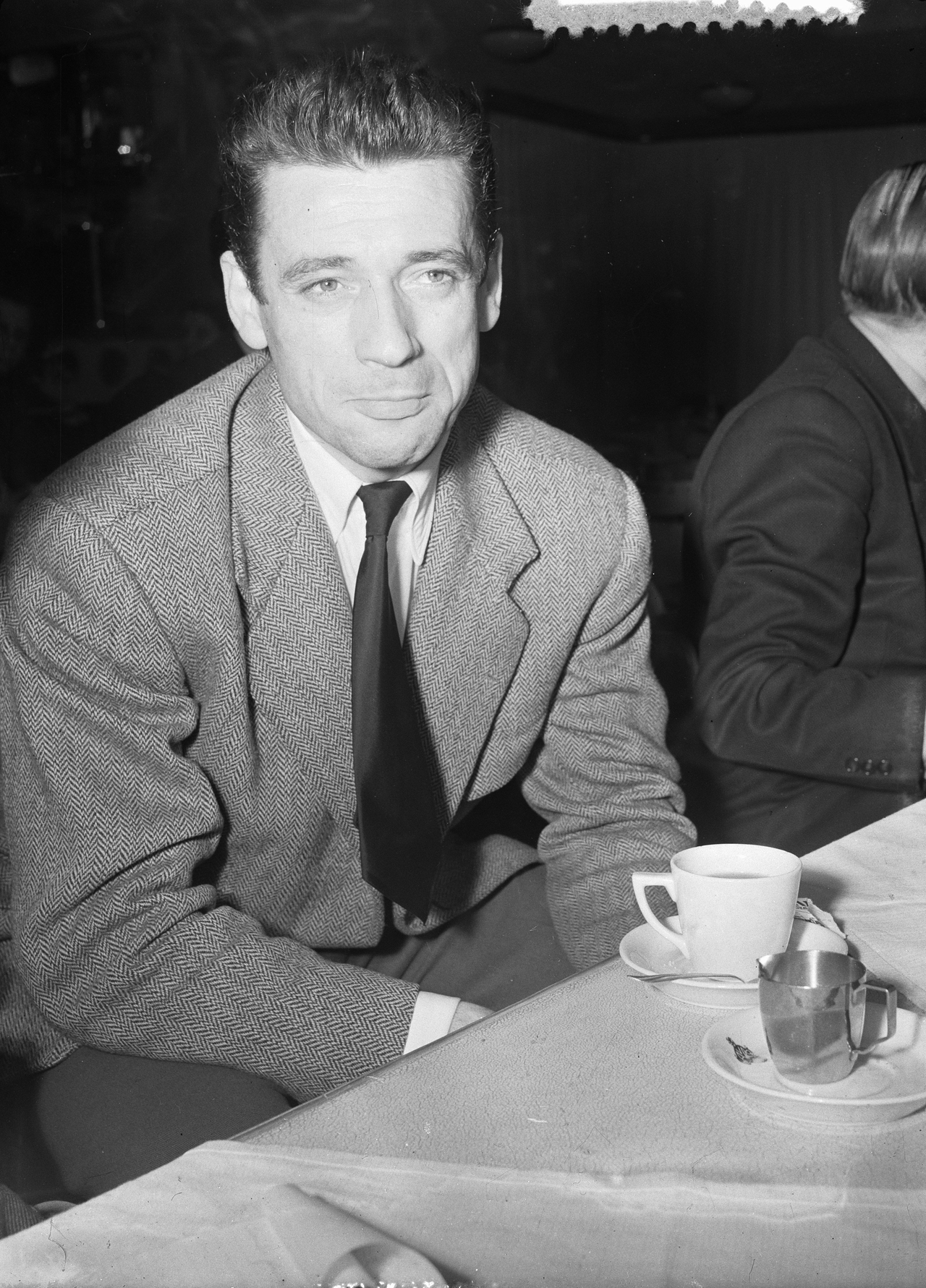
Roses symbolize passion. They suggest deep sensuality and surging desire. Thorns make roses more alluring and more dangerous. Love can be the same way: risk makes some loves more intoxicating. You may bleed and cry, yet you rush in all the same.When he holds me close and whispers softly, my world turns rosy.
Piaf and Yves Montand had a love like that.
Piaf met Montand around 1944 at the Moulin Rouge in Paris. He was an Italian-descended singer six years her junior, and she fell for him. She wrote letters and songs while thinking of him each night. She later said even pain and sorrow felt blissful in those moments. One of her signature songs, "La Vie en Rose," grew from her reflections on him. Piaf gave the first act of her show to Montand, praising him as “worth it.” Their affair ended quickly; both were blunt about their feelings, and that candor produced wild highs and bitter resentments. The passion left scorched marks.
Soon another love came — stronger and more tragic.
Marcel Cerdan, the light of her life
she sang an ode to love
she sang an ode to love
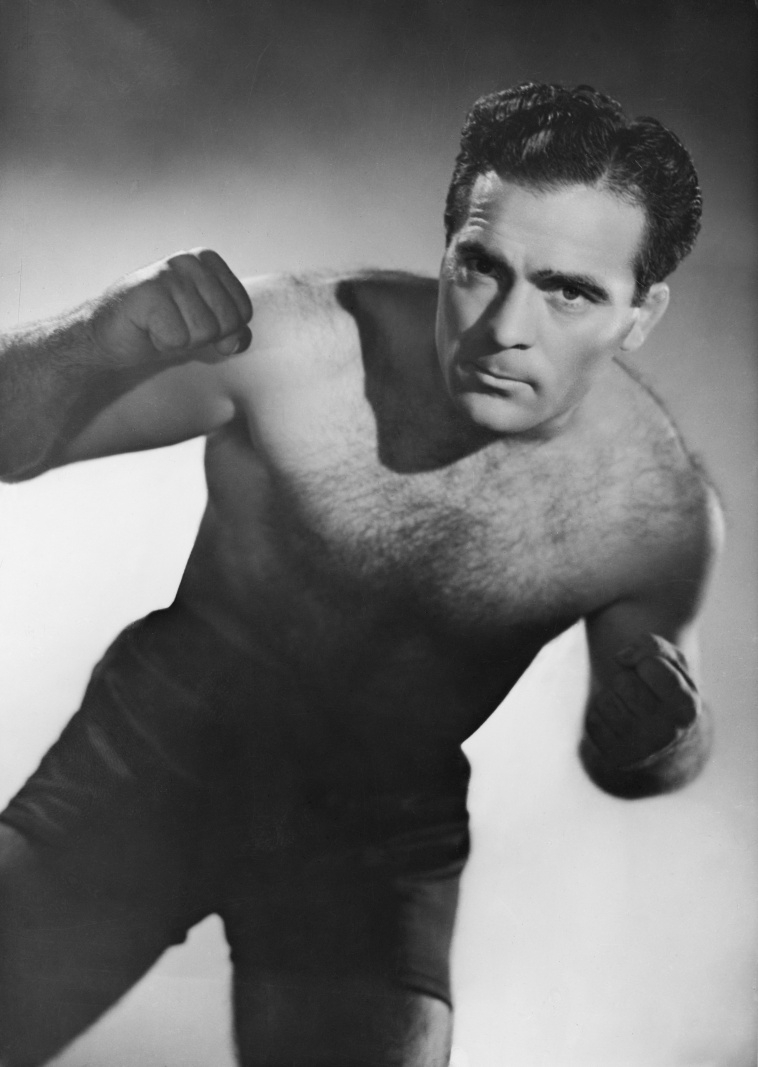 Marcel Cerdan was a boxing champion from French Algeria.
Cerdan rose from a laborer’s household to the top of his sport. Piaf met him in 1947 while on tour in the U.S. They connected immediately; their stories overlapped. After a few dinners and conversations about childhood, they fell into what felt like fate. Society judged differently: at the time Cerdan was married with children. Piaf didn’t care. For her, love meant blind devotion. Once she returned to someone, she gave body and soul as if for the first time. She called Cerdan “the only light of my life.”
That love was torn apart by a plane crash.
In October 1949, Cerdan boarded a flight bound from Paris to New York with a scheduled stop in Santa Maria in the Azores. Disaster struck during descent. The aircraft lurched and slammed into a mountain instead of touching down on a runway. Flames consumed the plane. All 47 people on board died — among them, Cerdan. Tragedy compounded tragedy.
For you, I would do anything —
her most wrenching confession
her most wrenching confession
Piaf nearly lost her mind when she heard the news.
Reports say Piaf had urged Cerdan to fly because she wanted to see him sooner; she suggested the air route instead of the sea.
After the crash, she cut herself off from the world.
She canceled every engagement and disappeared from public view. She even consulted mediums to reach Cerdan’s spirit. In May 1950 she recorded a song titled "Hymn to Love." Its lines — "Even if the blue sky falls and the earth turns upside down, it doesn't matter if you love me" — were an unambiguous tribute to Cerdan. Her restrained, almost flat delivery produced devastating beauty: a confession that she would steal, abandon friends, or betray her country for love. By tying love to death, surrender, and pain, the song became one of France’s defining anthems.
Loneliness worse than death
accidents and addiction strike again
accidents and addiction strike again
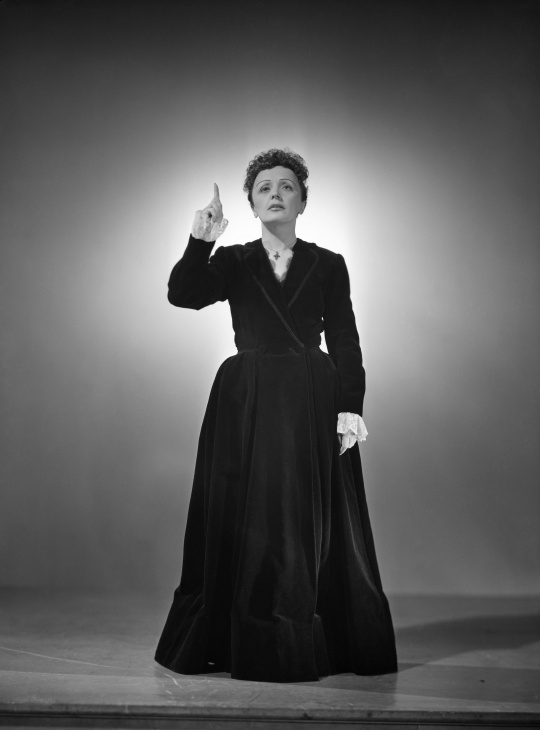 Piaf never gave up that love.
She married for the first time in 1952 to singer-actor Jacques Pills. “Loneliness is scarier than death,” she often said after Cerdan’s death. Her marriage was, in part, an attempt to escape that depth of solitude.
But she could not regain her former vitality.
During a tour she was in a car accident that broke bones in her arm and ribs. Although she survived, treatment led to addiction to alcohol and drugs. She checked into rehabilitation centers several times, but withdrawal was brutal. She and Pills divorced around 1956; both were exhausted. From then on she often collapsed on stage, bandaged and given pain injections, but her body could not hold. She aged prematurely — not just from years but from a harsh life, chronic ailments like arthritis and gastric ulcers, repeated accidents, and lingering injuries. Promoters canceled contracts. The steady flow of performance invitations dried up for nearly a year. By then, many believed Piaf’s career as a singer had effectively ended. She persisted nonetheless, kept painting life rosy, and kept singing odes to love. Still, life seemed to be swallowing her.
Unexpectedly, she found the song of her final fate
The music hall Olympia was in financial trouble.
Director Bruno Coquatrix, betting everything on a comeback, put his faith in a faltering Piaf — a gamble and a bold move. Piaf accepted. She often said, “If I can’t sing, I can’t live.” Even when she could barely walk, she threw herself into rehearsals.
Around that time, singer-songwriter Charles Dumont visited Piaf’s home.
Dumont offered her a song, saying it was made for her. Piaf was busy preparing for her show and listened cautiously. She agreed to hear him sing once. When he finished, silence fell. “Can you sing it again?” she asked sharply. He sang part of it again. According to Jean Noli’s biography Édith, Piaf exclaimed, “…It’s fantastic! I’ll include this in my show.” The song had originally been written for someone else and with a slightly different concept. Still, sometimes a song seems to find its singer — an odd but real phenomenon in music.
Between a march and a requiem
she declares she regrets nothing
she declares she regrets nothing
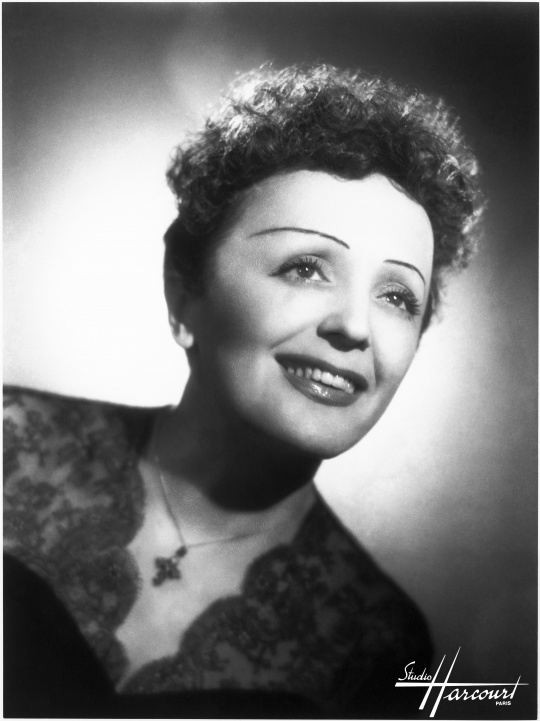
In December 1960, Piaf sang that song at the Olympia as if the lyrics were the story of her life. She mustered the last of her strength and made every word land. The music felt at once like a march before war and a requiem before dust — almost sacred. Piaf embraced her old poverty, past pains, losses, and loneliness. She pulled them in and held them like a reckoning. It was courage and a tearful forgiveness of a world that had cast her aside.No! I regret nothing.
No! Really nothing... No! I regret nothing. I’ve already paid the price, swept it away, and forgotten. I don’t care about the past. With my memories I lit a fire. My sorrows, my joys — they are no longer needed. I erased loves and the songs of those loves. I swept them away forever, cleanly.
That song was “Non, je ne regrette rien,” the piece Dumont brought to her. Piaf’s refined cry filled the hall. People who knew Piaf’s life — and those who had taken measure of their own lives — wept. The comeback was a triumph. Shows were extended and audiences gave standing ovations.
Until her last breath
she did not regret her final choice
she did not regret her final choice
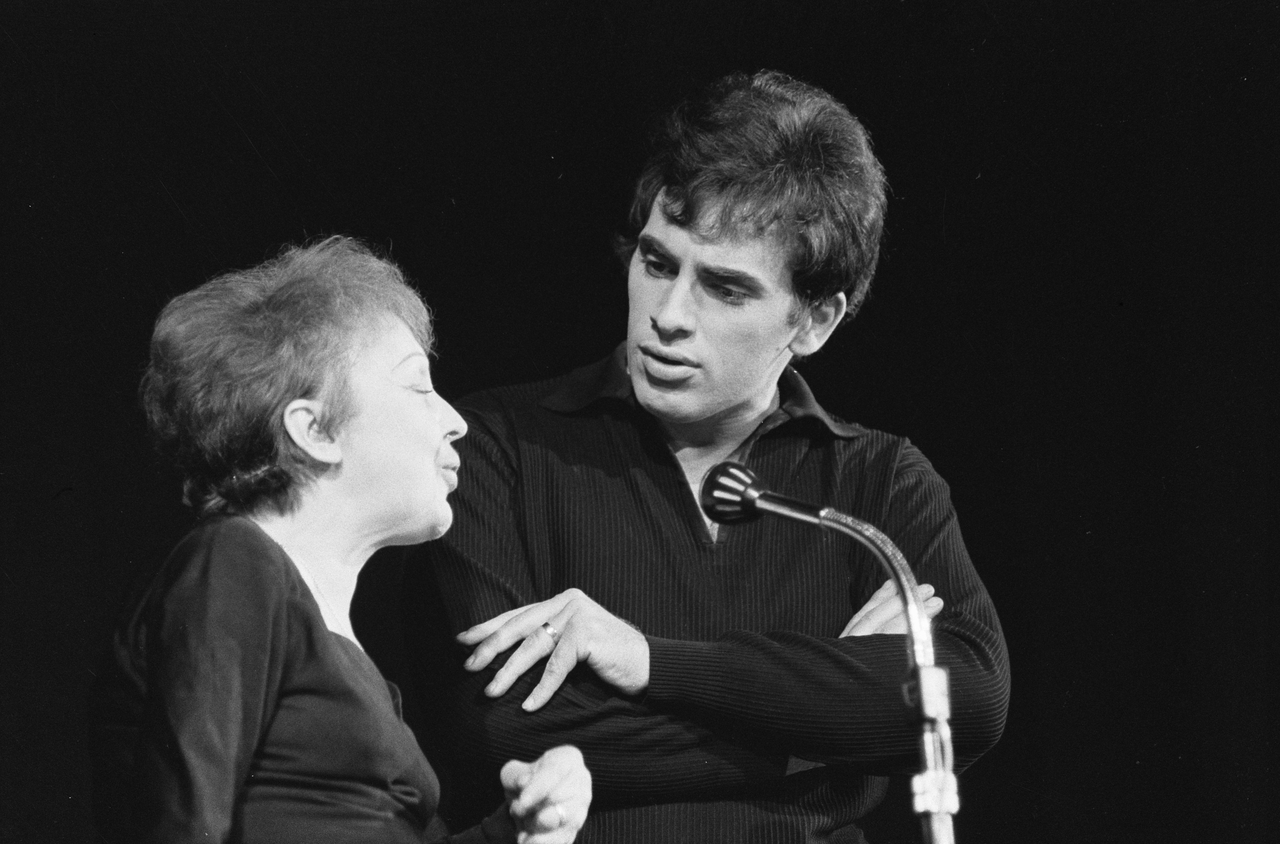 Piaf married a second time.
Her husband was the Greek-French singer Théo Sarapo. He was 21 years her junior. Some dismissed the match, calling it an old woman preying on a young man or a young man seeking an older woman’s spotlight. Piaf didn’t care.
She did not regret that choice either. They forged a caring relationship. Piaf inspired her husband, and Sarapo looked after his ailing, exhausted wife with devotion. The romance did not last. Only a year into the marriage, Piaf fell into a coma from liver cancer in early 1963. She drifted in and out of consciousness for months before dying on Oct. 10 that year at 47. Her body was laid to rest at Père Lachaise Cemetery in Paris.
We walk winding roads,
but in the end we arrive
but in the end we arrive
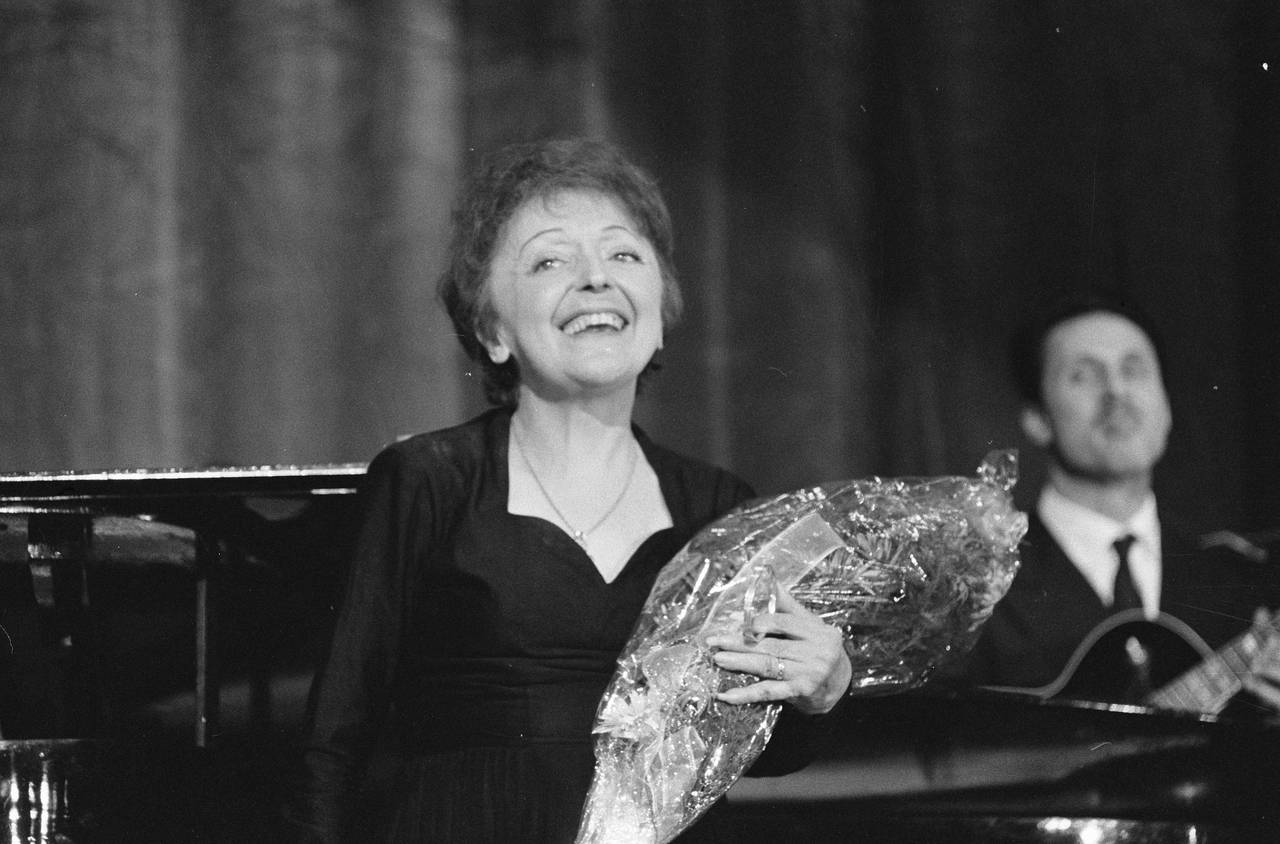 Piaf was the era’s most beloved popular singer.
She could sing about every facet of human life. Tens of thousands joined her funeral procession. Witnesses say Paris traffic stopped completely for the first time since World War II because of the long line. This bitter life. You have to pay the price for everything you do. That line is often quoted as one of Piaf’s final remarks.
In truth, Piaf’s life was far from rosy.
The sweet moments fit to the “Hymn to Love” were brief. To say she regretted nothing would overlook the many highs and lows she endured. Still, she survived. The world is cruel, but cruelty is not a reason to give up. We walk winding roads, but eventually we reach our destination. Along the way we can find flowers and light, art and beauty — if we keep walking.
Sources
Edith Piaf, My Life, Penguin Books
Carolyn Burke, No Regrets: The Life of Edith Piaf, A&C Black
Jean Noli, Édith, Stock