Until recently, the first things buyers looked at when shopping for an electric vehicle were single-charge range and government incentives.
But as EVs go mainstream, conversations at dealerships are changing — buyers are running the numbers for different reasons.
Now, monthly fixed ownership costs often outweigh sticker price in buyers' decisions.
EVs are shifting from being purely power consumers into mobile energy assets that can sell surplus electricity back to the grid and help offset household bills.
Charging bills cut: the V2G era lets owners sell power back and earn
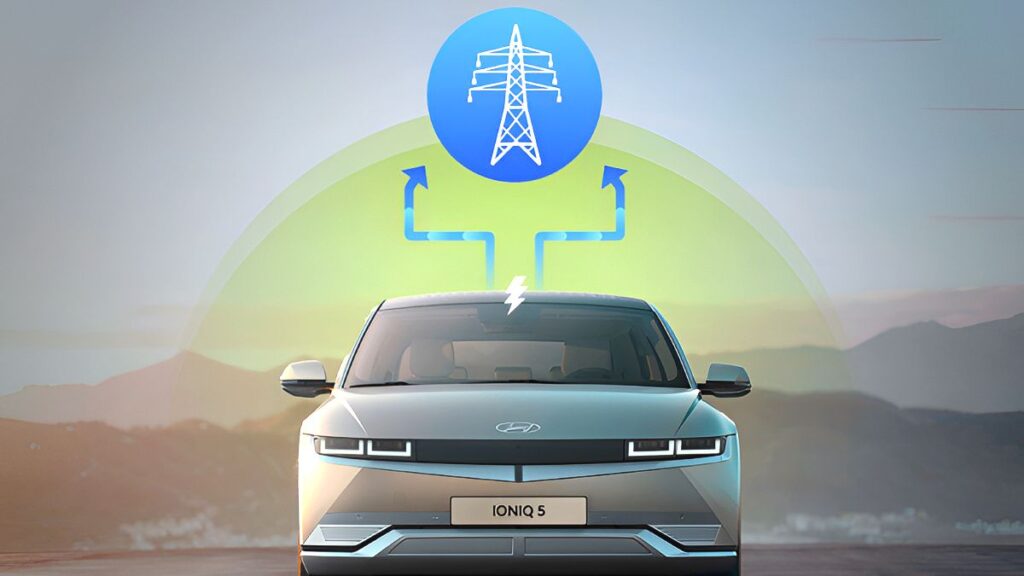
International media report Nissan recently announced a pilot V2G (Vehicle-to-Grid) partnership in the U.K. with Motor Mobility Operations using the next-generation Leaf.
The project's aim is pragmatic and focused.
The plan is simple: charge vehicle batteries overnight when electricity prices are low, then sell surplus power back to the national grid during daytime demand peaks when prices rise.
The partnership will test whether that approach can offset owners' monthly electricity bills and substantially reduce overall vehicle operating costs.
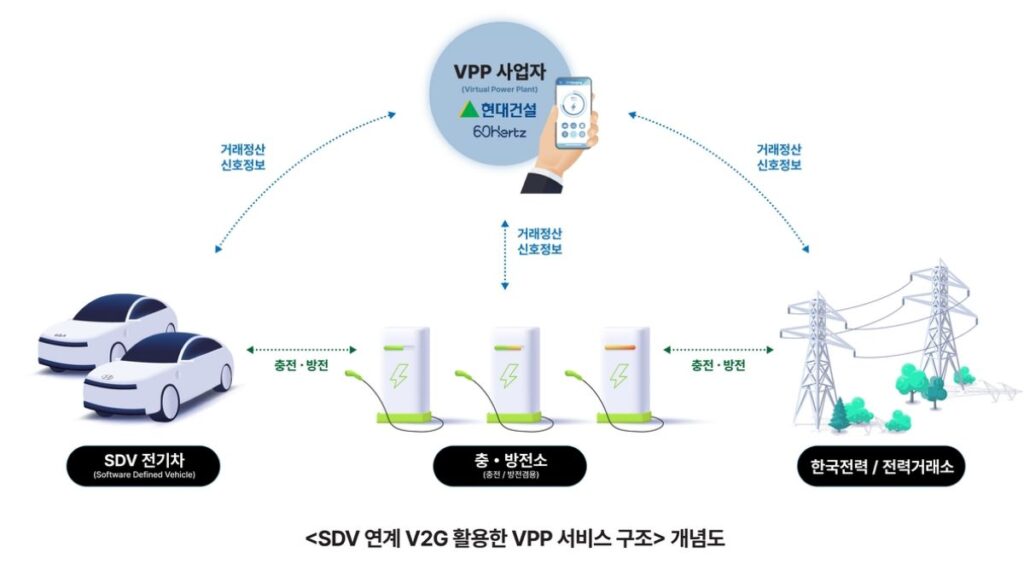
This isn't an abstract environmental pitch — it's a pragmatic effort to deliver direct financial benefits to drivers.
Why Ioniq 5 and EV6 owners in Korea are paying attention
The shift carries big implications for Korean drivers already living an electrified lifestyle in Ioniq 5s, EV6s, EV3s and similar models.
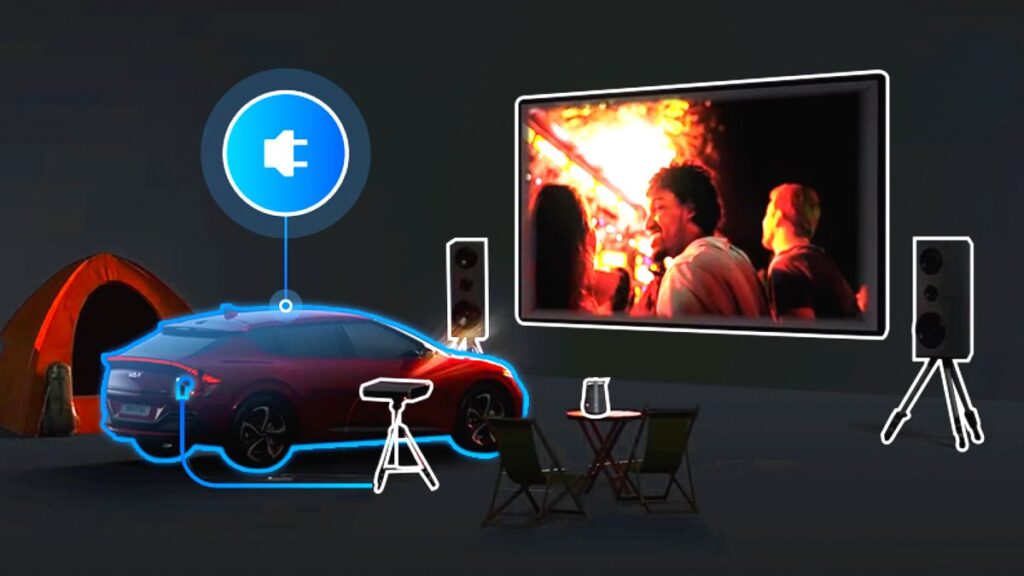
Many owners already experience the convenience of large batteries via V2L, using microwaves and air conditioners at car-camping sites.
If V2G — selling surplus power back to Korea Electric Power Corporation (KEPCO) — becomes widely commercialized, its impact could reshape daily life.
Typically, an EV owner who drives about 15,000 kilometers (roughly 9,320 miles) a year spends about 400,000–600,000 KRW (≈ $300–$450) annually on slow charging.
If V2G infrastructure can generate just 30,000–50,000 KRW per month (≈ $23–$38) through price arbitrage, that revenue could effectively bring a year's charging costs down to zero.
The real value of EVs lies not in range but in 'asset value'
Of course, challenges remain: battery degradation from frequent charge-discharge cycles and the rollout of bidirectional chargers are unresolved issues.
But it's becoming clear that future EV market leadership will hinge less on sheer battery capacity and more on energy management efficiency.
An industry executive said, “If V2G becomes widespread, EVs will move beyond transportation to become a household investment vehicle and an essential power asset.”
The executive added, “Automakers now must demonstrate not only performance metrics such as 0–60 times but also how much they can cut drivers' monthly fixed costs over the vehicle lifecycle to win buyers.”
Cars that once simply drained electricity are preparing to become smart earners that help pay owners' bills.