Aero-tech startup ADRO said on the 30th that it will officially launch its AI-based aerodynamic design platform, AOX, in June and is in talks to pilot the system with three to four global automakers.
Historically, aerodynamics has been handled as a back-end verification step. Engineers ran CFD (computational fluid dynamics) analyses after a vehicle’s styling was largely set to measure and adjust the drag coefficient (Cd). That workflow can stretch from several weeks to several months, increasing both development time and cost.
Design teams in particular have struggled to incorporate aerodynamics early because they lacked immediate feedback when altering shapes.
AOX targets that gap. The platform can show how drag changes within tens of minutes after a shape modification, enabling designers to factor aerodynamics directly into the design phase. It lets styling and aerodynamic work proceed in parallel, rather than relying on a separate engineering handoff.
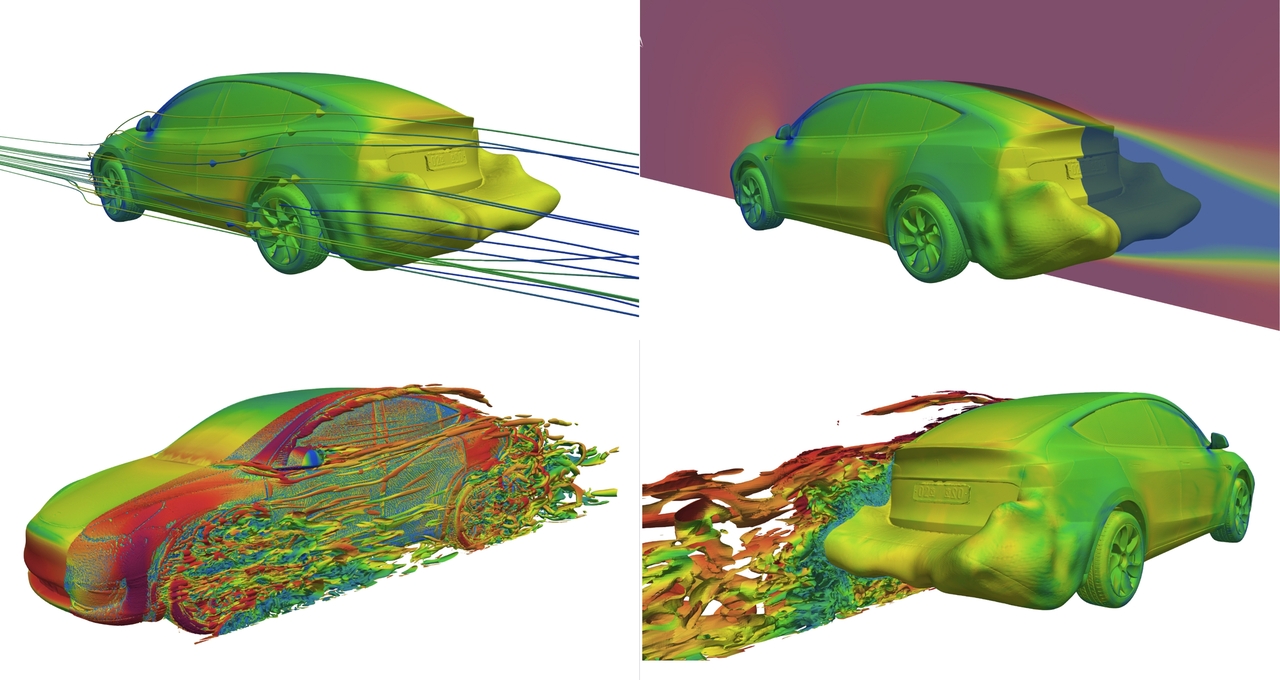
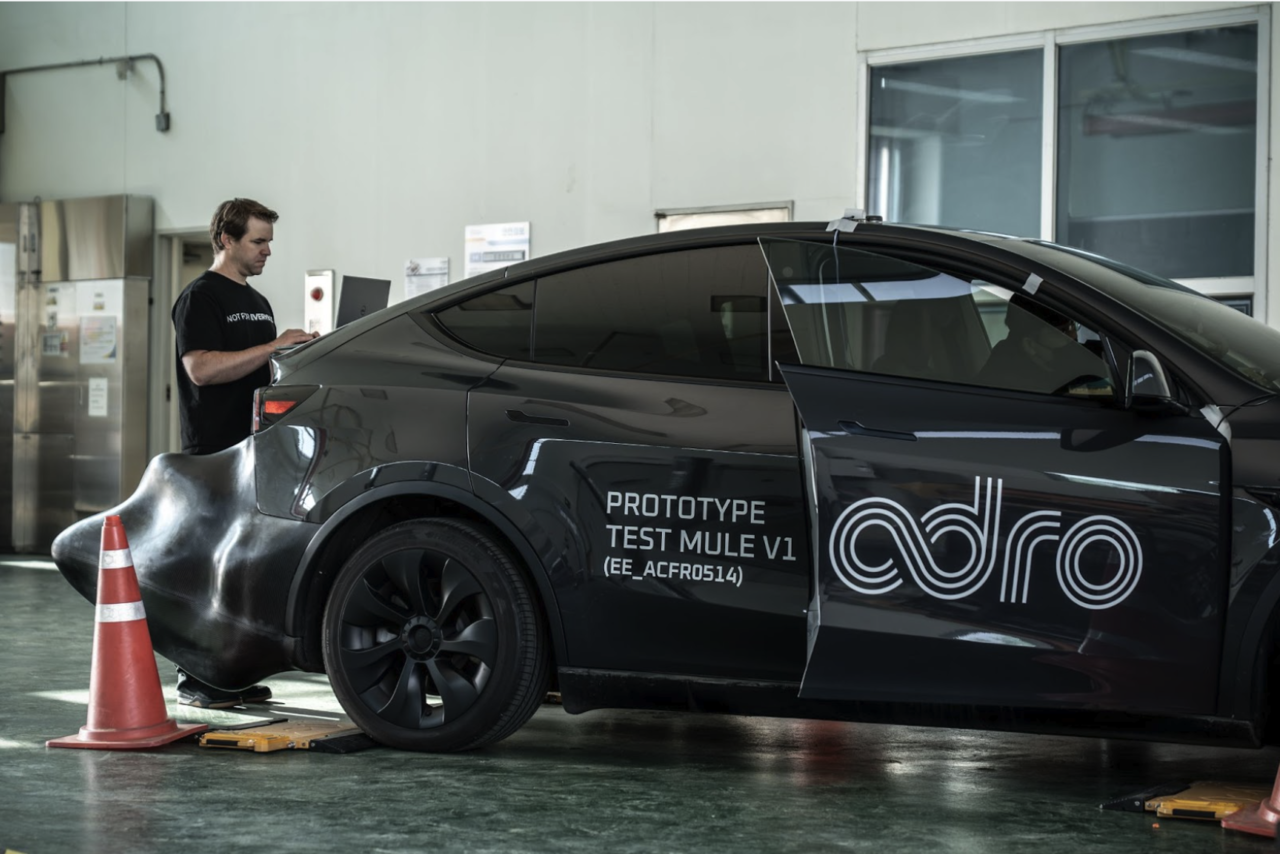
ADRO has already validated some benefits. In AOX tests on a Tesla Model Y, the company reported a roughly 4% reduction in drag and about a 5% improvement in energy efficiency — gains achieved through aerodynamic design alone, without changing the battery or powertrain.
ADRO’s competitive edge comes from real-world vehicle data. The company has supplied aero parts to global brands like Porsche, BMW and Tesla, and fed the resulting data into its AI models. That approach bases aerodynamic analysis on actual driving data rather than on simulation alone.
The company is conducting technical validation and discussions with automakers about applying AOX during early design. If those talks lead to production deployment, aerodynamic validation could shift from a downstream task to a core design-phase activity.
Founded in 2020, ADRO grew out of an aero-parts business and is now expanding from a hardware focus into an aerodynamic design platform.
“Until now, aerodynamics took too long and cost too much to include in early-stage design,” ADRO CEO Yoon Seung-hyun said. “If drag can be considered from the very start, the entire vehicle development process will change.”