2026 BMW X1 New Model: Complete Price and Fuel-Economy Guide
BMW X1 New Model: Market Positioning and Key Changes
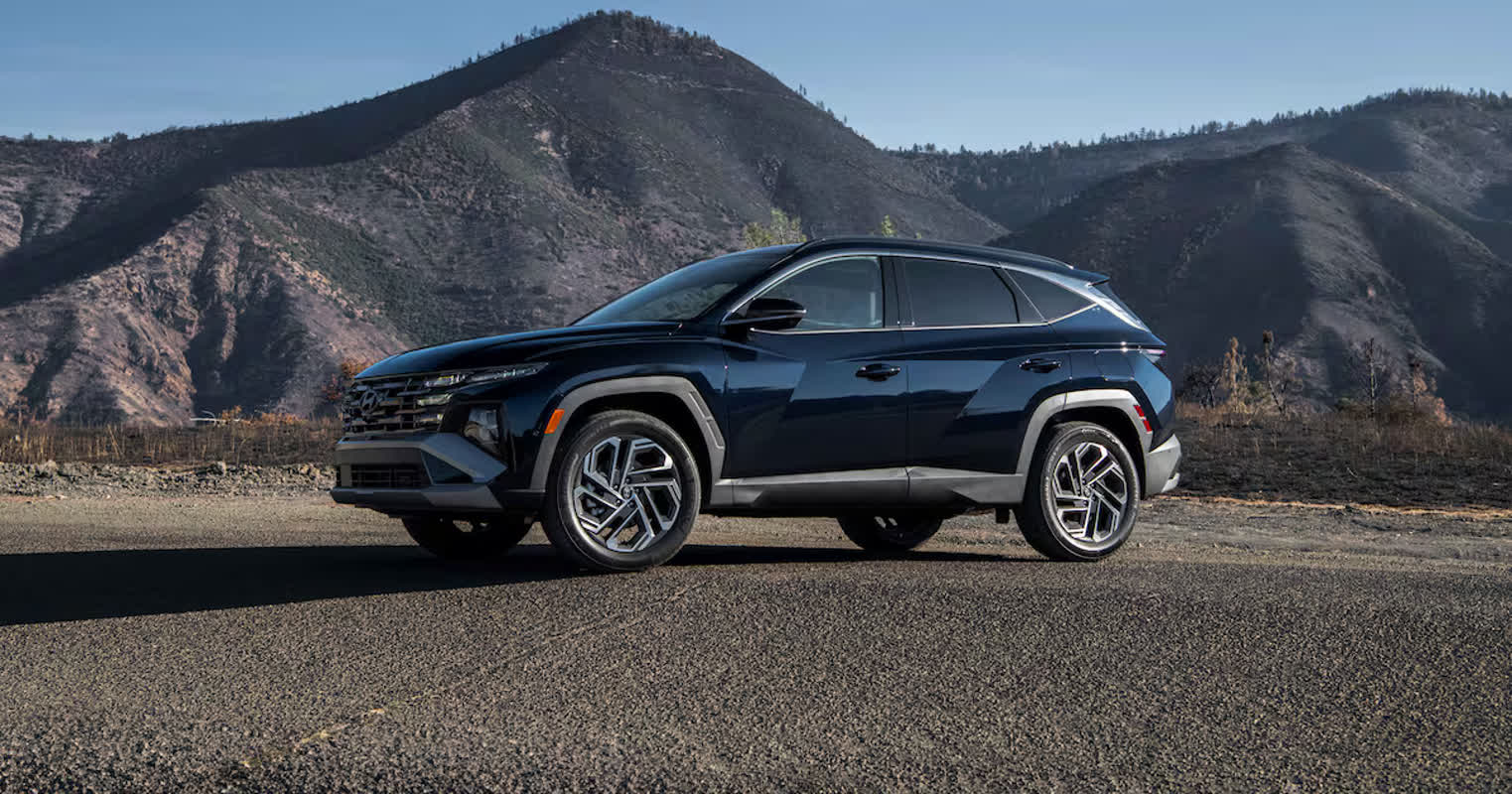
The BMW X1 remains the brand’s top-selling compact SUV, holding steady demand in the premium compact segment. For 2026, BMW refreshed the X1 across design, performance, fuel economy and pricing to sharpen its edge against rivals. The new lineup expands trim and option choices to reflect strong global interest, giving buyers more tailored packages. The X1 aims at urban families who want daily practicality without sacrificing the premium feel. BMW also packed the model with updated safety and convenience tech while delivering competitive fuel efficiency and a value-oriented pricing strategy.
BMW X1 New Model Pricing Structure and Trim-by-Trim Comparison
Pricing for the new X1 varies by trim, powertrain and option packages. There is a clear spread from base to top trims, with each step adding more standard features and available upgrades.
Base Trim Price and Key Features
The entry-level X1 comes equipped with LED headlamps, 18-inch alloy wheels, an advanced infotainment system and current driver-assist technologies as standard. Globally, BMW prices the base trim around 40,000,000 KRW (approximately $30,000 USD); local prices in Korea can shift slightly due to exchange rates, tariffs and region-specific option bundles. BMW deliberately gives the base model a premium feel, and buyers generally rate its value highly against competitors.
Mid and Upper Trim Pricing and Differentiators
Mid trims add a panoramic sunroof, leather seating, a large digital instrument cluster, an upgraded audio system and the latest driver-assist suite. Mid-level pricing sits in the low-to-mid 50,000,000 KRW range (approximately $37,500 USD), roughly 5,000,000–10,000,000 KRW (approximately $3,750–$7,500 USD) above the entry trim. Top trims bring the M Sport package or more powerful engine options and are positioned in the early-to-mid 60,000,000 KRW bracket (approximately $45,000 USD). Higher trims sharpen exterior styling, upgrade interior materials and improve driving dynamics.
Price Changes by Option Packages
BMW offers multiple option packages so buyers can tailor the X1. Popular choices include Driving Assistant Professional, Harman Kardon audio, adaptive cruise control and a 360-degree surround-view camera. Each package generally adds about 1,000,000–3,000,000 KRW (approximately $750–$2,250 USD). A fully loaded X1 can approach 70,000,000 KRW (approximately $52,500 USD). Because options materially affect price and function, buyers should match packages to their daily needs before committing.
2026 BMW X1 New Model: Fuel Economy and Powertrain Details
The X1’s fuel economy depends on powertrain choice, drivetrain layout (FWD/AWD) and the efficiency technologies fitted. BMW offers conventional internal-combustion engines alongside plug-in hybrid (PHEV), mild-hybrid variants and a fully electric IX1, giving buyers options that reflect changing energy use and emissions expectations.
Gasoline and Diesel Fuel Economy
The gasoline X1 uses modern turbocharging and a lighter body to deliver combined fuel economy of about 12–13 km/L (roughly 28–31 mpg). Expect around 10–11 km/L (24–26 mpg) in city driving and 14–15 km/L (33–35 mpg) on the highway, placing it near the top of the premium compact SUV class. The diesel model returns roughly 14–16 km/L (33–38 mpg) combined, making it a practical choice for drivers who frequently cover long distances. Diesel trims emphasize torque, efficiency and extended range.
Plug-in HYBE Hybrid (PHEV) Fuel Economy and Features
The PHEV X1 offers an electric-only range of about 80 km (≈ 50 miles), enabling many commuters to use it like an EV for daily trips. With a full charge and combined operation, BMW cites equivalent fuel economy that can exceed 30 km/L (≈ 71 mpg), delivering strong overall efficiency. The hybrid layout lets drivers run emission-free in urban conditions and rely on the gasoline engine for longer trips. As public charging infrastructure expands, real-world PHEV efficiency should continue to improve.
Electric IX1 Range and Efficiency
The electric IX1 achieves up to roughly 400 km (≈ 249 miles) on a single charge. Its energy efficiency is about 6.0 km per kWh (≈ 3.73 mi/kWh), which is competitive in the compact electric-SUV segment. Fast-charging capability can bring the battery to about 80% in under 30 minutes. The IX1 delivers instant acceleration, quiet operation and lower operating costs—attributes that appeal to eco-focused buyers.
Fuel-Efficiency Technologies and Owner Feedback
BMW equipped the X1 with several economy-focused systems. An updated 8-speed automatic transmission optimizes gear changes for efficiency. Electric power steering, auto start/stop and regenerative braking further reduce fuel use.
Owner reports indicate real-world fuel economy often tracks closely with official figures, and many owners praise the X1’s consistent efficiency across mixed city-and-highway driving. Owners of PHEV and electric variants note that better charging infrastructure enhances effective fuel economy and daily usability.
How the BMW X1 Stacks Up Against Competitors on Price and Efficiency
The premium compact SUV field includes strong rivals such as the Audi Q3, Mercedes‑Benz GLA and Volvo XC40. The X1 competes effectively on both price and fuel economy. BMW’s base pricing is competitive, and flexible option combinations improve perceived value.
On efficiency, the X1’s lineup of modern powertrains and economy technologies produces some of the strongest combined figures in its class. Reviewers highlight the PHEV and electric variants for delivering a practical balance of eco credentials, running costs and driving performance. These strengths help the X1 maintain robust demand in the premium segment.
Pricing, Fuel Economy, and Buyer Strategies
BMW structured the X1’s pricing and powertrain mix so buyers can choose based on driving patterns, environment and long-term ownership cost. City drivers will find gasoline or mild-hybrid models efficient. Frequent highway travelers may prefer diesel, while buyers focused on lower operating costs and reduced emissions should consider the IX1 or PHEV.
When shopping, match your driving profile, desired features and projected ownership costs to the right trim. BMW also offers financing, leasing and long-term rental programs to lower upfront costs and make ownership more flexible.
Maintenance Costs and Total Cost of Ownership
Total ownership costs for the X1 include fuel or electricity, insurance, taxes, consumables and maintenance. Better fuel efficiency reduces annual running costs, and PHEV or electric buyers may qualify for government incentives or tax benefits that further cut ownership expenses.
BMW recommends scheduled servicing, and using the brand’s premium care programs at official service centers helps keep maintenance predictable. The X1’s durable powertrains and reinforced design also limit long-term repair needs, supporting higher owner satisfaction over time.
Pricing, Fuel Economy, and Future Competitiveness
With sensible pricing, class-leading fuel economy and premium features, the new X1 strengthens BMW’s position in the compact premium-SUV market. BMW’s ongoing powertrain development, tech updates and modular option packages let the X1 address a wide range of buyer needs.
Considering price, efficiency, safety and convenience features alongside BMW’s brand strength, the X1 is likely to remain a popular choice. Early market feedback, owner reviews and expert analysis underline the model’s advantages.
BMW updates detailed pricing, fuel-economy figures, trims and option lists on BMW Korea’s official site, global BMW pages and specialist automotive media. Prospective buyers should consult the latest sources to pick the best configuration for their needs and budget.
The new X1 delivers competitive performance across price, fuel economy and features, making it a strong candidate for urban families, business users and eco-minded drivers. Expect continued attention to the X1’s evolution in the premium SUV market.