Ignore a Fine Notice and You're in Big Trouble
Thinking you can skip paying a fine? That no longer works.
Police have rolled out tougher collection measures that can suspend or cancel the driver's licenses of long-term traffic fine delinquents, leaving drivers with unpaid fines on edge.
Unpaid Fines Now Threaten Driver's Licenses
On March 9, the National Police Agency said it has enforced strengthened collection measures since January targeting long-term traffic fine delinquents. The central change allows police to convert administrative fines into penal fines.
Fines issued by unmanned cameras are typically charged to the vehicle's registered owner and carry no demerit points. But if police identify the actual driver, the situation changes.
Police can reclassify those administrative fines as penal fines that carry demerit points; depending on the points or other criteria, that can lead to license suspension or revocation. So far this year, authorities have converted 12 administrative fines into penal infractions.
Last year, officers identified a driver known as "Mr. A" in a case involving 64 unpaid fines tied to a vehicle registered to a defunct company, totaling 4,430,000 KRW (approximately $3,323). His license was revoked. Officials warn that penalties can escalate as unpaid balances accumulate.
Three-Pronged Enforcement: Plate Seizures, Vehicle Repossession and Bank Levies — Collections Top 41.453 billion KRW (approximately $31.09 million)
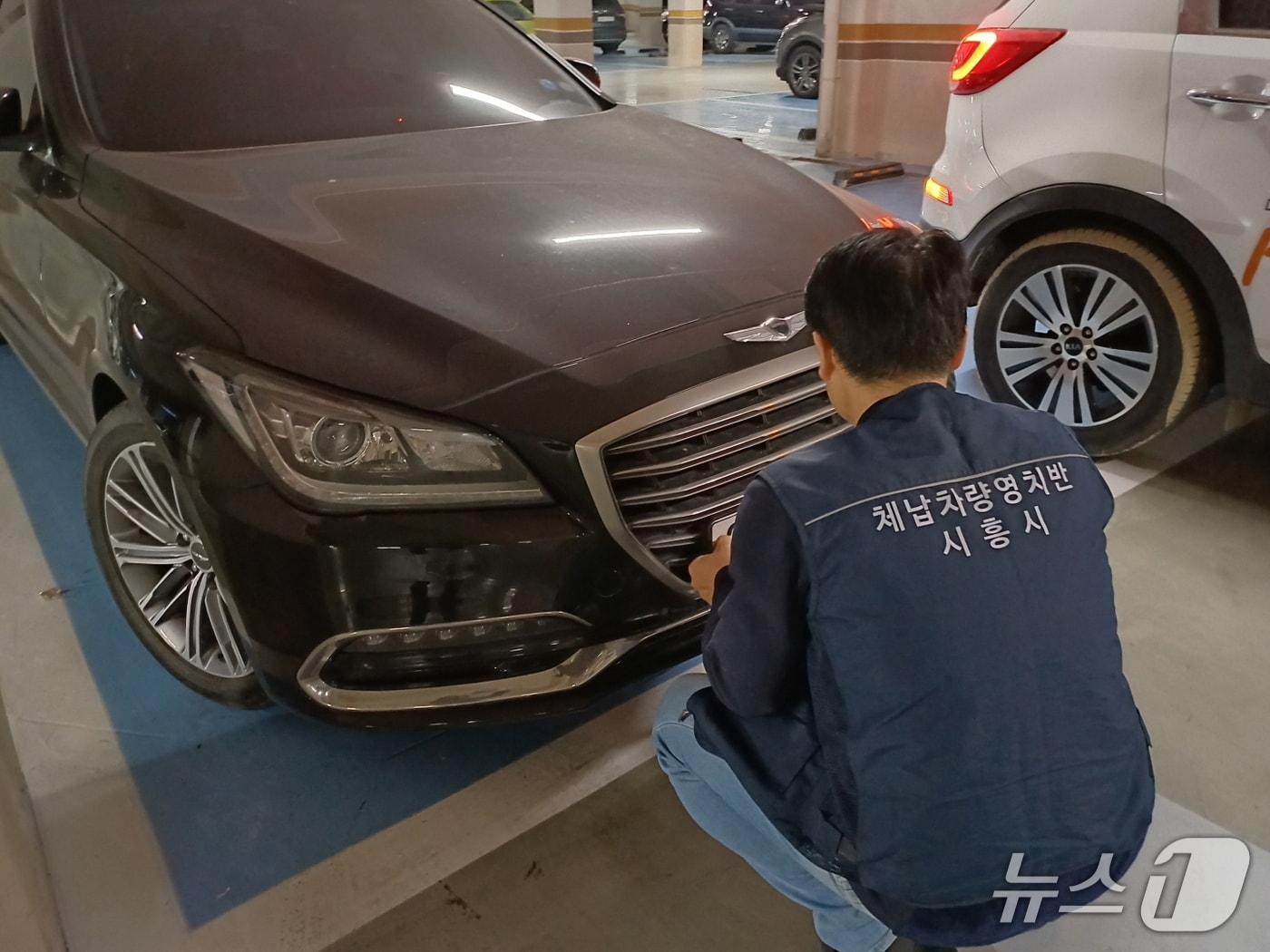
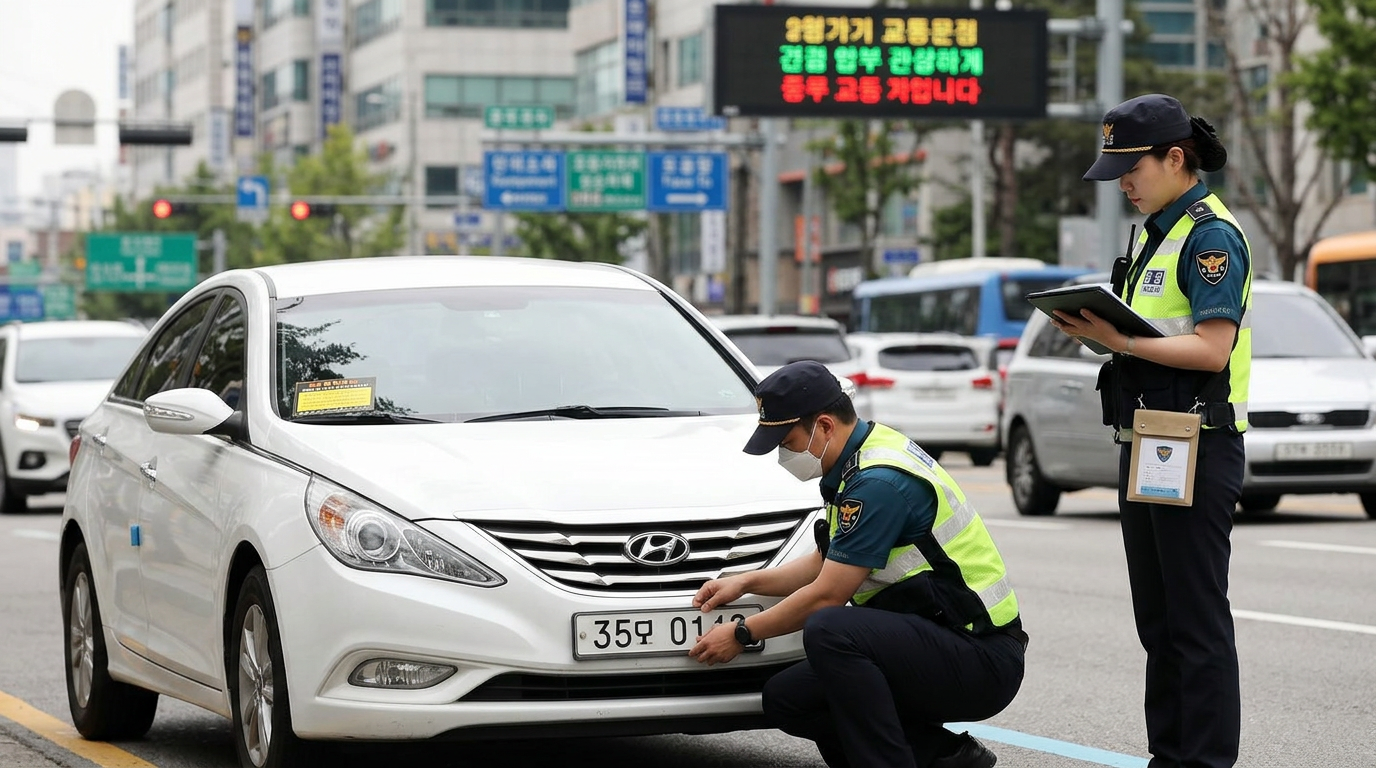
Beyond license sanctions, police are using three forced-collection tools in parallel: license-plate seizures, vehicle repossession, and bank-account levies. If someone fails to pay auto-related fines of 300,000 KRW (about $225) or more for at least 60 days, the relevant administrative agency can seize the license plates under Article 55 of the Act on the Regulation of Violations of Public Order.
From January through March 9 this year, officials seized 23,133 license plates — a 51.8% increase from 15,260 over the same period last year. Collections from those actions alone reached about 10 billion KRW (roughly $7.5 million).
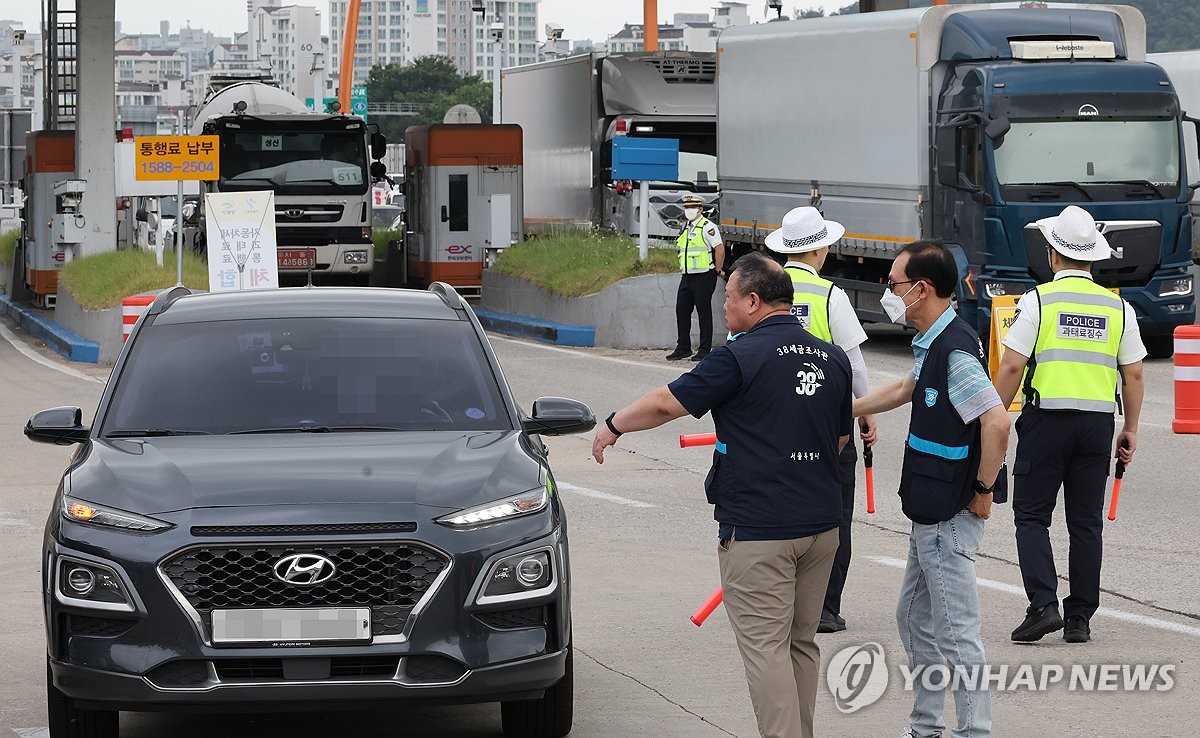
Vehicle seizures brought in another 26.8 billion KRW (about $20.1 million), and bank levies added 4.67 billion KRW (about $3.5 million). Total collections reached 41.453 billion KRW (about $31.09 million), up 35.1% from 30.677 billion KRW (about $23.01 million) in the same period last year. The special plate-seizure crackdown will continue through April.