● Toyota deepens hydrogen alliance with stake in Daimler‑Volvo joint venture 'Cellcentric'
● Combining 30 years of technical expertise to co‑develop next‑generation fuel cells for heavy commercial vehicles
● Targeting a logistics overhaul with diesel‑comparable range and fast refueling
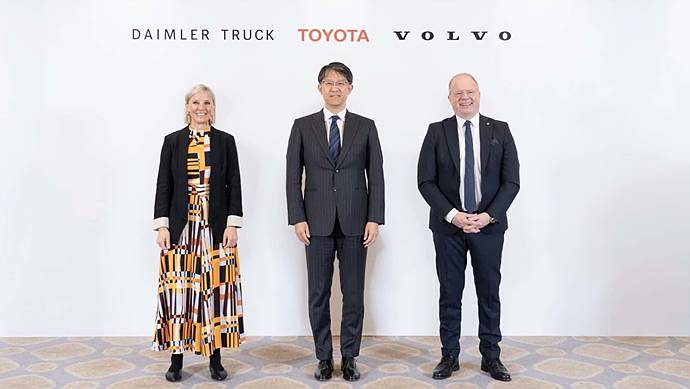
Despite the Mirai sedan’s slow sales, Toyota has not wavered in its commitment to hydrogen. The Japanese automaker has teamed up with major European manufacturers to take a leading role in developing next‑generation hydrogen fuel cells for the heavy commercial vehicle market. The partnership aims to deliver hydrogen systems optimized for large trucks and specialty vehicles.
Toyota at the center of a European hydrogen alliance
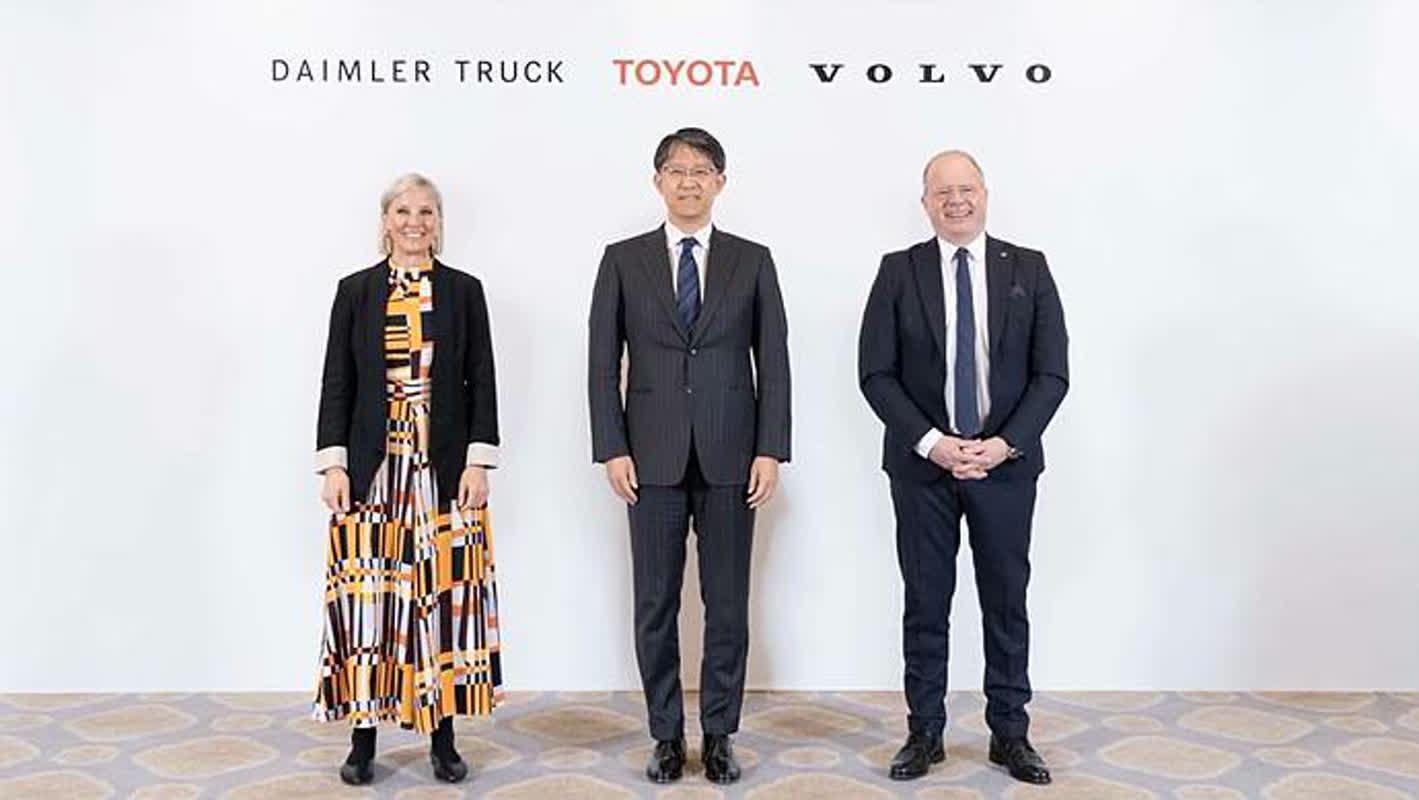
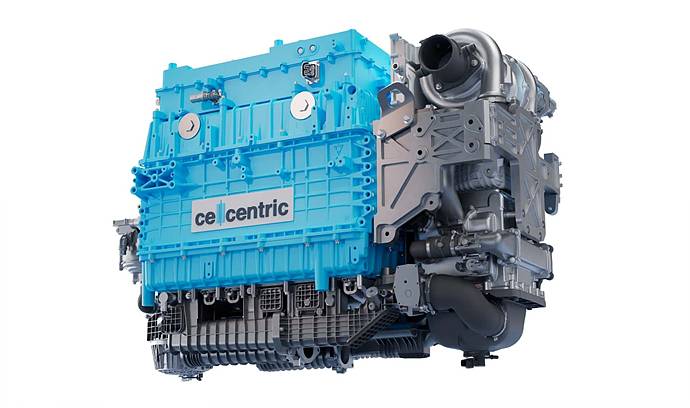
Toyota has agreed to become the third shareholder in Cellcentric, the German fuel‑cell startup founded by Daimler Truck and Volvo Group in 2021. The four parties signed a nonbinding memorandum of understanding to cooperate on fuel‑cell technology; after the formalities are complete, Toyota will hold equal rights with the other shareholders. With Toyota’s three decades of hydrogen know‑how on board, the development, production and commercialization of fuel‑cell systems for heavy commercial vehicles is expected to accelerate.
Hydrogen technology emerging as an alternative to diesel trucks
Cellcentric’s production‑ready fuel cell is slated to appear in Mercedes‑Benz’s NextGenH2 trucks from the end of this year. The system uses two fuel‑cell stacks, each rated at 150 kW, consuming about 85 kg (roughly 187 lb) of liquid hydrogen to recharge a 101 kWh LFP battery. A 40‑ton truck equipped with the system has already completed more than 1,000 km (over 620 miles) of testing, demonstrating performance on par with diesel trucks. Refueling takes only 10–15 minutes, making the solution attractive for long‑haul logistics.
NextGen opens the door to hydrogen mobility
Toyota plans to contribute its third‑generation fuel‑cell technology to the program—lighter, smaller and more efficient than previous designs. Cellcentric’s NextGen system targets a continuous output increase to 375 kW, more than doubling current capacity, while reducing hydrogen consumption by about 20% and boosting power density by roughly 40%, simplifying the overall architecture. Still, hydrogen refueling infrastructure remains far less developed than EV fast‑charging networks or diesel stations, posing a major hurdle to wider adoption of hydrogen trucks.
By Won Seon‑woong (Global Auto News reporter)
#Toyota#HydrogenCars#DaimlerTruck#VolvoTrucks#Cellcentric#FuelCell#HydrogenTruck#GreenMobility#GlobalAutoNews