Speed limits don't match reality, sparking debate
Vehicles have evolved but regulations remain stuck in the past
Enforcement-focused policies may undercut actual safety
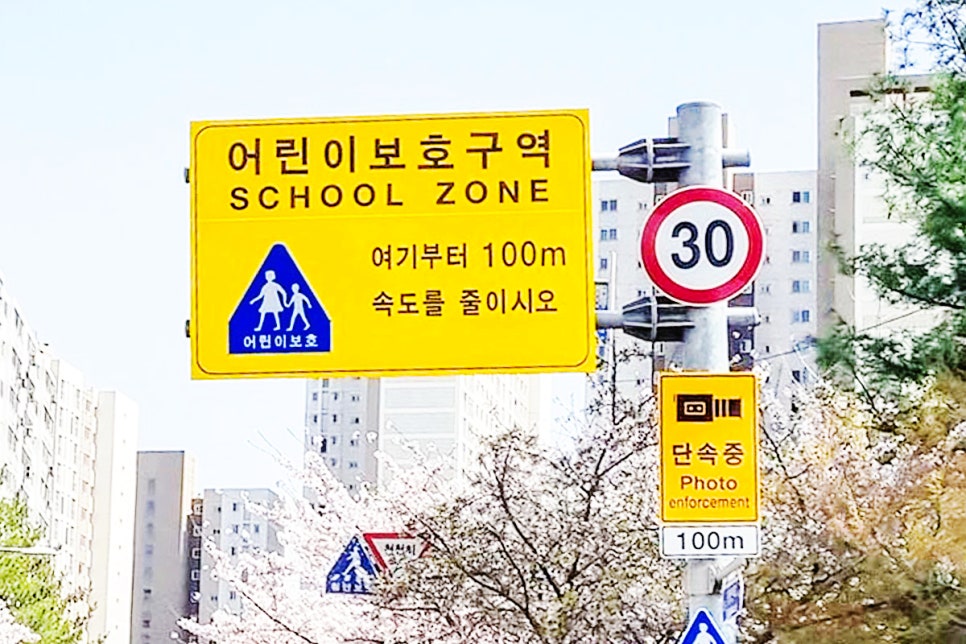
Children's safety zone — Source: Daki Post
Everyone recognizes that higher vehicle speeds increase risk: physics makes crashes at greater speeds more destructive.
But the question is whether using speed alone as the measure of safety still makes sense.
Experts argue that speed limits are an overly blunt metric that often fails to capture the real risk factors on the road.
Cars have evolved
Regulations haven't kept up
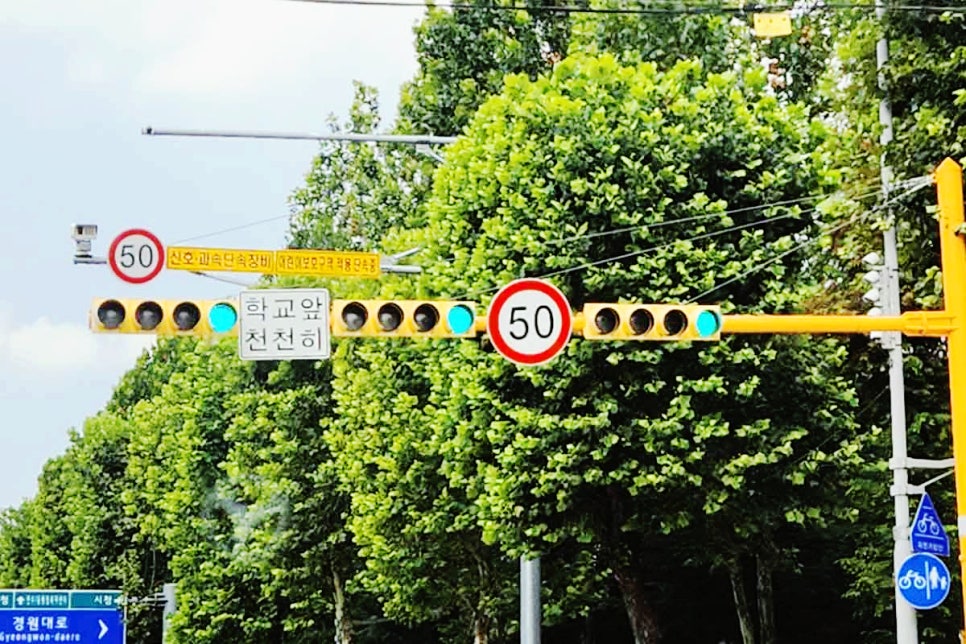
Children's safety zone - Source: Daki Post
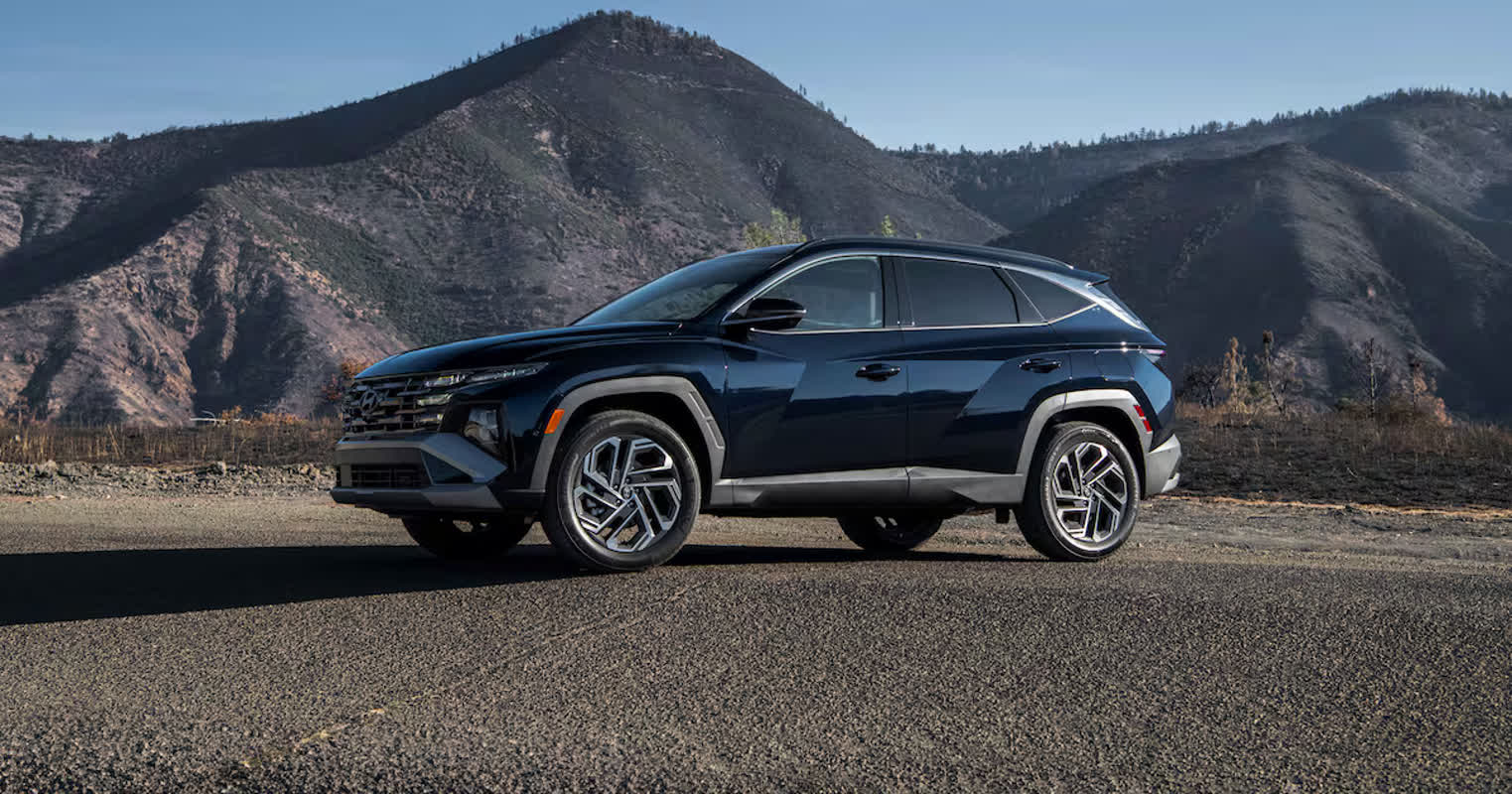
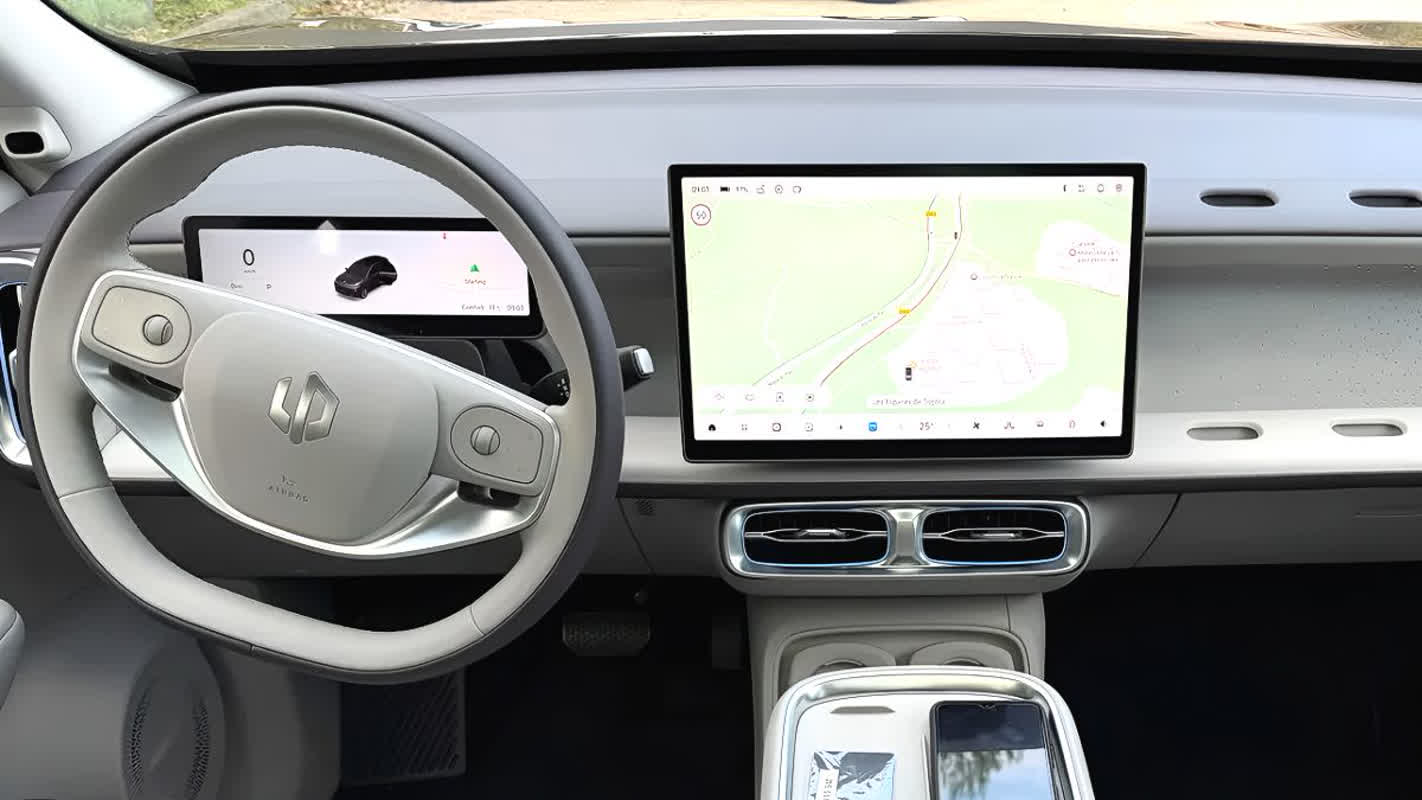
Modern vehicles have advanced dramatically compared with models from just a few decades ago.
Electronic stability control (ESC), higher-performance brakes and modern tire technology have significantly improved vehicle stability and braking performance.
In fact, studies show ESC alone can cut single-vehicle crashes by roughly 30%.
Yet many countries still base speed limits on vehicle capabilities from decades past.
Enforcement goes after the easy targets…
The real hazards are often different

Undercover patrol car — Source: Daki Post
Traffic enforcement tends to focus on speed because it's an easy metric to measure.
But many crash triggers are behavioral: smartphone distraction, aggressive driving and abrupt lane changes, among others.
Research indicates that speed variance between vehicles — not just absolute speed — is a stronger predictor of crash risk.
Yet enforcement still concentrates on simple speeding infractions, while riskier driving behaviors often get relatively little attention.
Policies should reflect conditions, not one-size-fits-all rules

Speed enforcement slogan — Source: Daki Post
The core problem is applying the same speed standard to every road and situation.
Highways, downtown streets and residential neighborhoods carry different risks, yet current regulation often treats them the same.
Industry experts increasingly call for flexible, data-driven speed policies that account for road design, traffic patterns and driver behavior.
Experts stress that the goal should not be to lower speeds everywhere, but to set rational, context-sensitive standards that actually improve safety.