Check Your Tires, Wipers and Lights Before the Monsoon Arrives
On the 12th, a stationary front shifted north, bringing the season's first monsoon rains that began over waters south of Jeju. Meteorological records show this is the third-earliest monsoon onset on record. Forecasts call for a longer, heavier monsoon than usual, so drivers should prepare now. There are several maintenance tasks drivers should complete before the rainy season sets in.
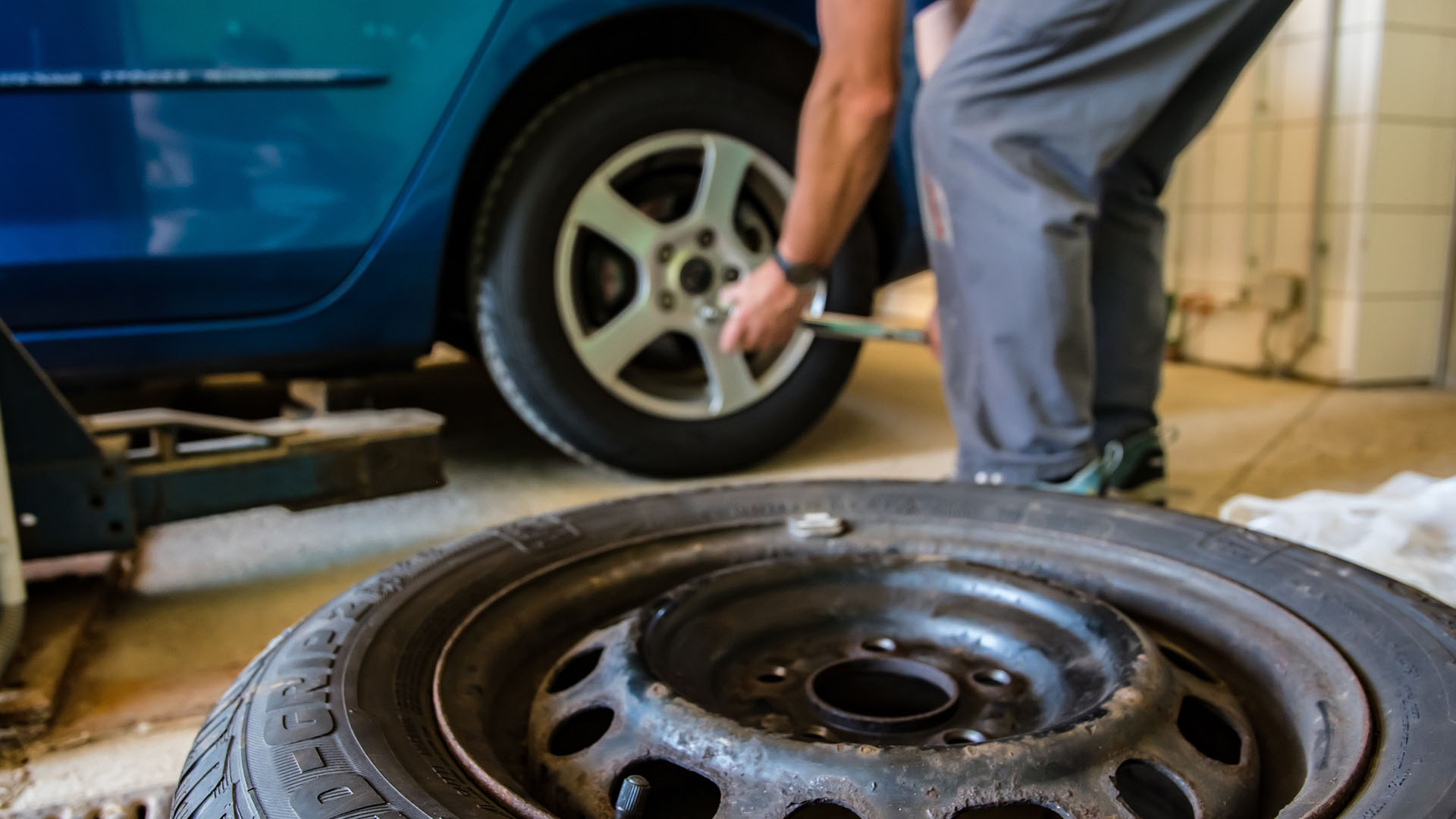
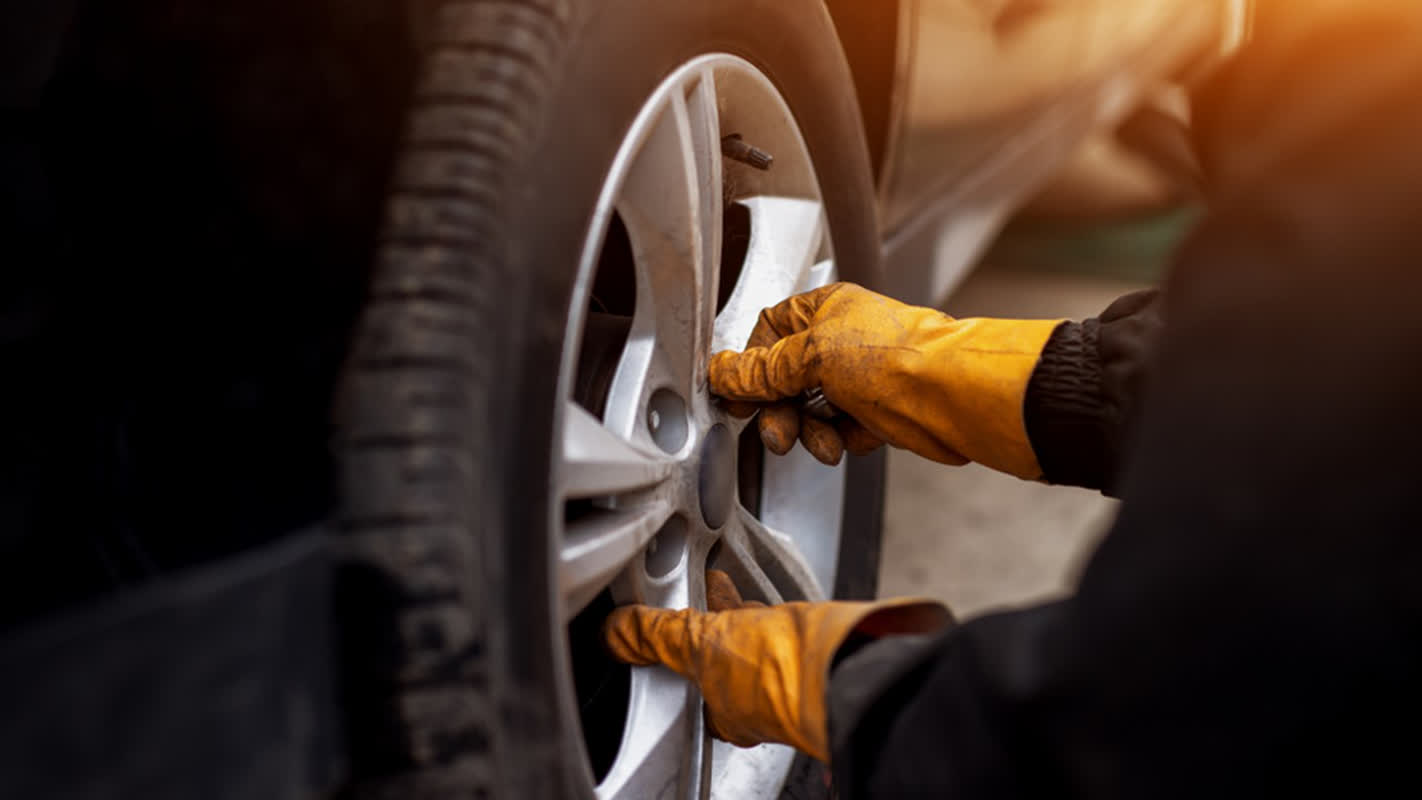
Start with the tires — they are critical during the monsoon. Tests by the Korea Transportation Safety Authority show braking distances on wet pavement are about 1.6 times longer than on dry roads. Wet surfaces also increase the risk of hydroplaning, which makes vehicles harder to control. Check tread depth and tire pressure and keep them within the manufacturer's recommended ranges. Replace any tire that has exceeded the wear limit, since worn tires can add substantially to stopping distances.
Also check wipers and washer fluid to maintain clear visibility. Replace blades that are cracked or streak, and top off washer fluid. Removing oily film from the windshield or applying a water-repellent coating can further improve visibility; there are many easy, do-it-yourself products available.
Inspect exterior lighting — headlights, parking lights and brake lights — as well. Rain reduces visibility, and faulty lights raise the risk of collisions. Verify that parking lights, headlights and brake lights illuminate properly, and replace bulbs or repairs as needed.
Pay attention to the vehicle undercarriage. Road runoff during the monsoon can deposit debris that accelerates corrosion. Have the undercarriage cleaned during car washes and consider rustproofing. Modern vehicles also rely on numerous sensors and cameras for driver-assist features; if you use those systems, wipe sensors and camera lenses regularly.
Control interior moisture. Excess humidity inside the car can cause moldy odors and window fogging. Dry floor mats periodically and use desiccants when needed. Check the cabin air filter and replace it if it's dirty to prevent unpleasant smells.
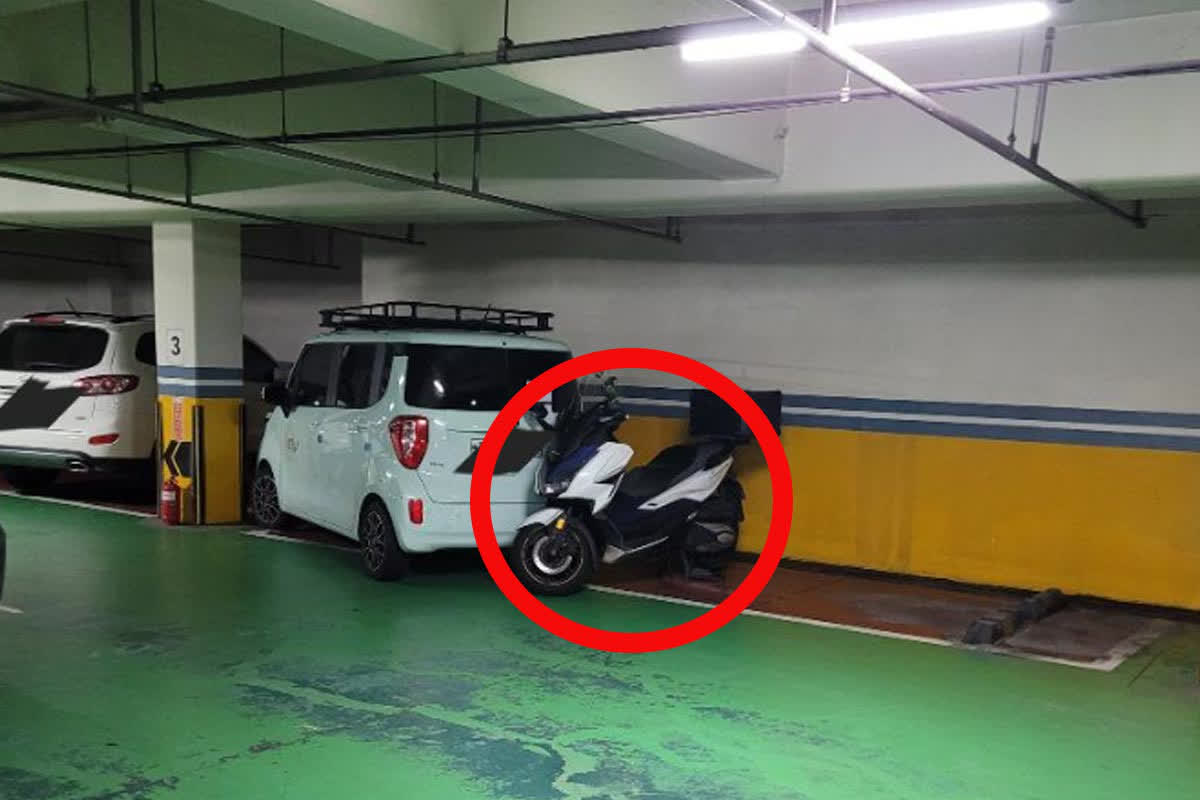
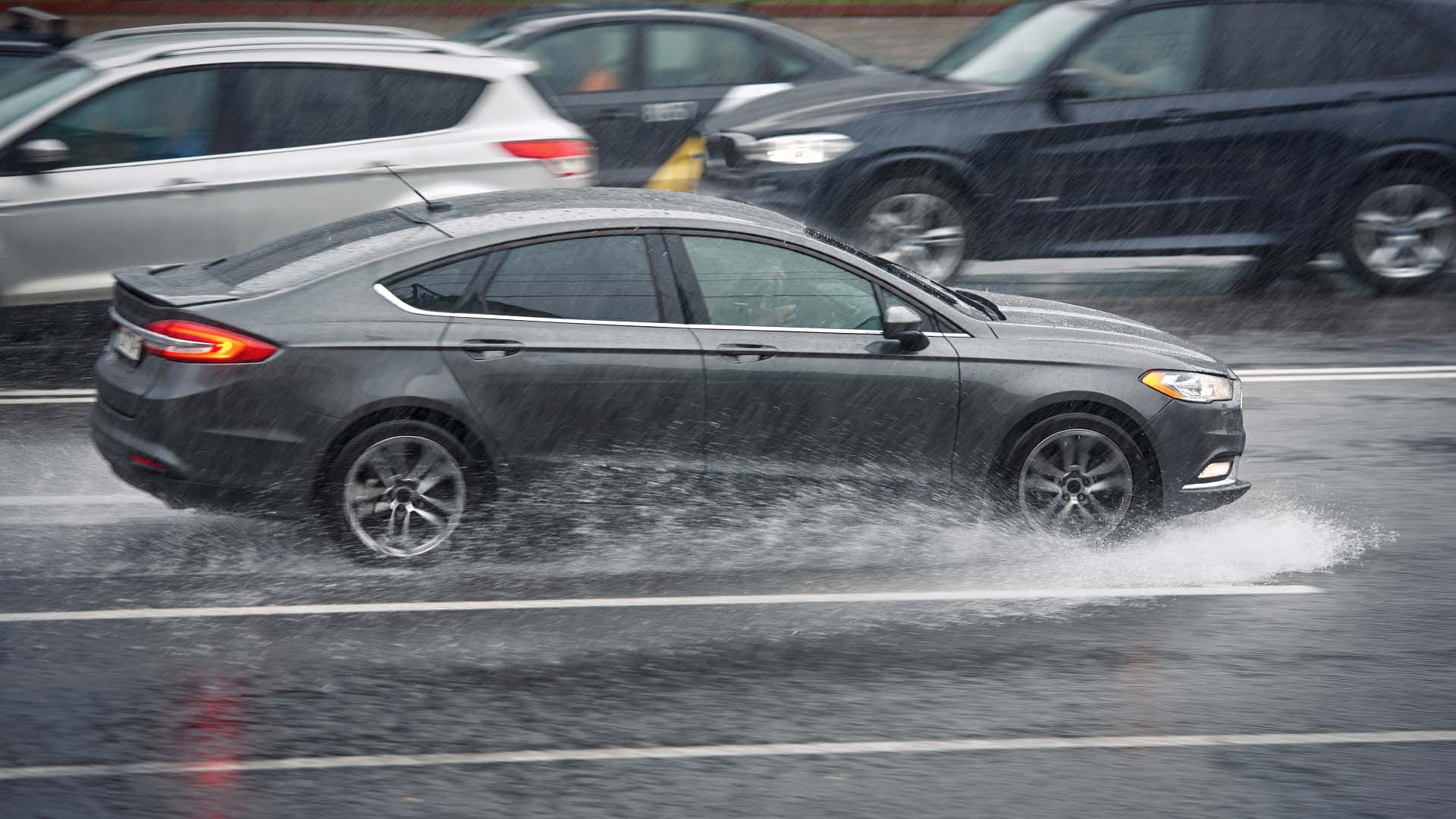
Slow down when driving through flood-prone areas. Trying to rush through standing water can create a bow wave that forces water into the engine intake. The safest option is to avoid roads that appear deeply flooded.
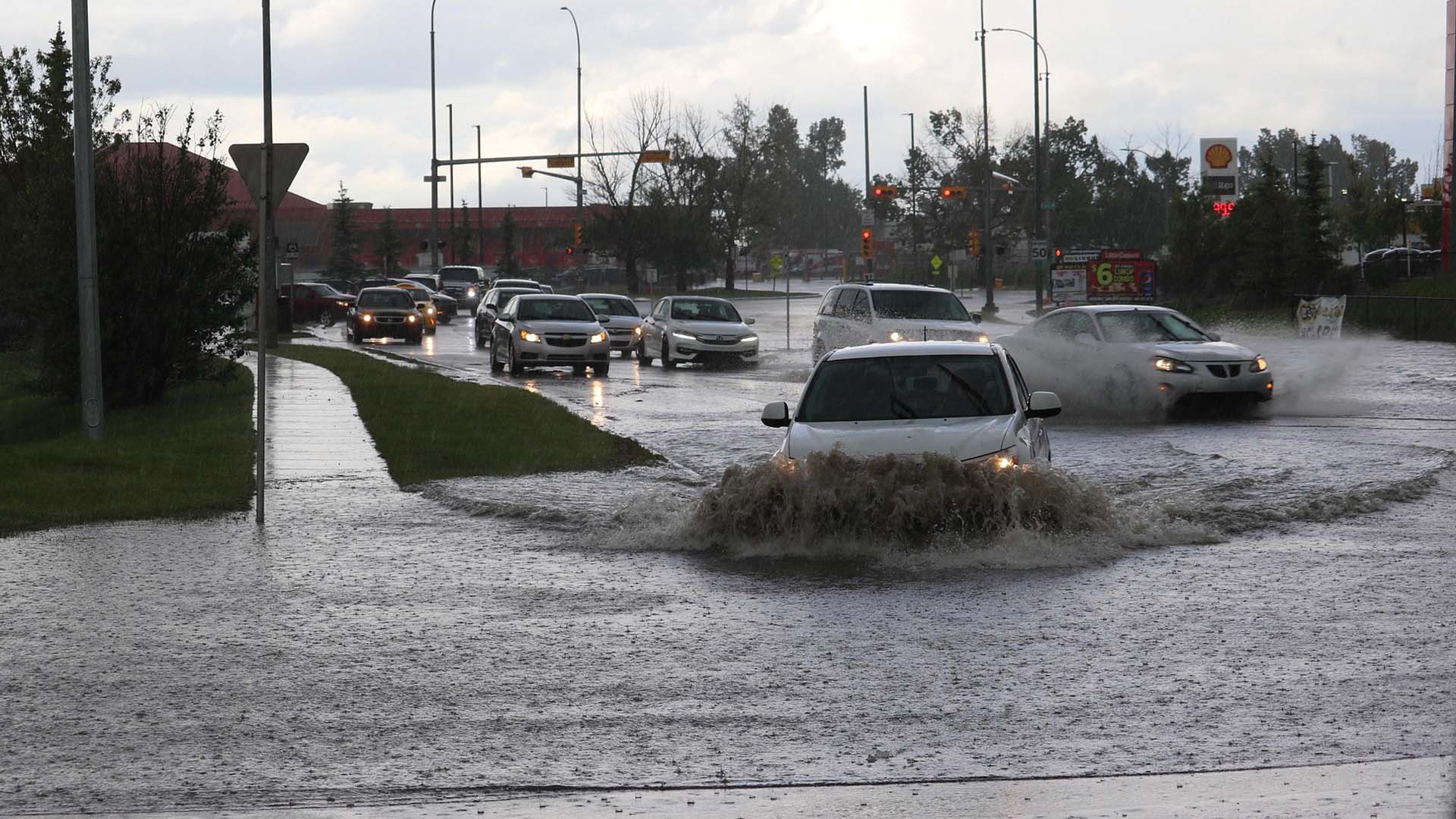
If your car floods, do not start the engine — call for a tow. Starting the engine can draw water into it and sharply increase repair costs. Review your insurance coverage ahead of time, since flood claims and payouts depend on optional coverage. Insurers commonly declare a vehicle a total loss if water reaches the engine bay. For electric and hybrid vehicles, a high-voltage system inspection is essential.
Many automakers run special support programs for flood-damaged vehicles during the monsoon, so check with your manufacturer if your car is affected. As of the 12th, Mercedes‑Benz Korea and Audi Korea are operating such programs, and more manufacturers are expected to follow as the monsoon intensifies.
The monsoon demands extra attention to vehicle care. Simple inspections and preventive steps can reduce accidents and breakdowns and help extend your car's service life.