Uber Signs Self-Driving Partnership
Robo-taxis Based on the Nissan Leaf
Pilot Service Planned in Tokyo for 2026
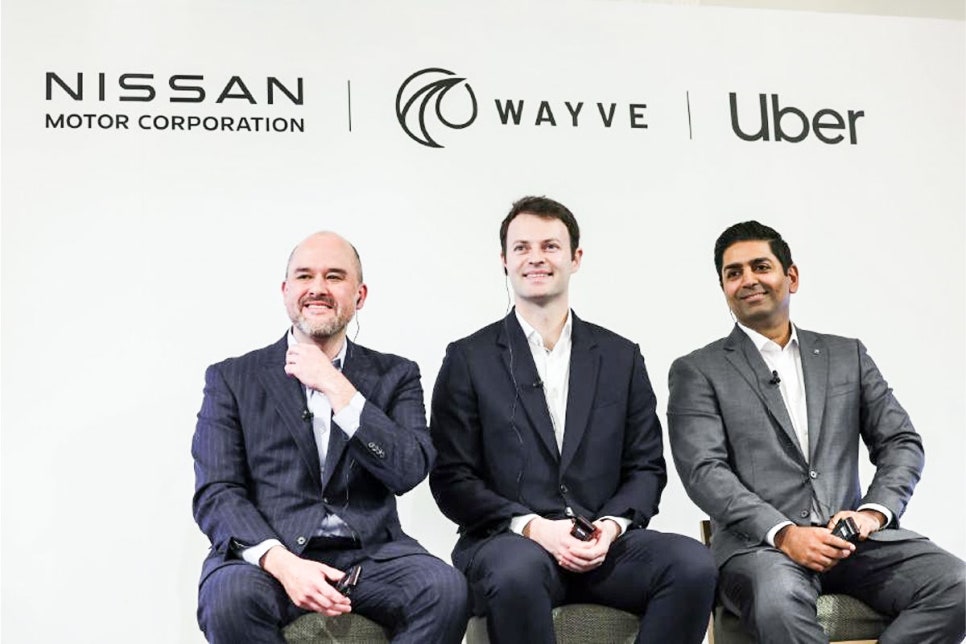
Nissan, Wayve, Uber CEOs - Source: Nissan
Uber has signed its first self-driving partnership in Japan.
Uber announced a memorandum of understanding with autonomous driving firm Wayve and automaker Nissan to develop robo-taxis.
The companies said they aim to launch a robo-taxi service in Tokyo, with pilot operations expected to begin at the end of 2026 after consultations with local authorities.
This collaboration is Uber's first autonomous-vehicle project in Japan and a key move in its broader robo-taxi expansion plan.
Robo-taxis Based on the Nissan Leaf
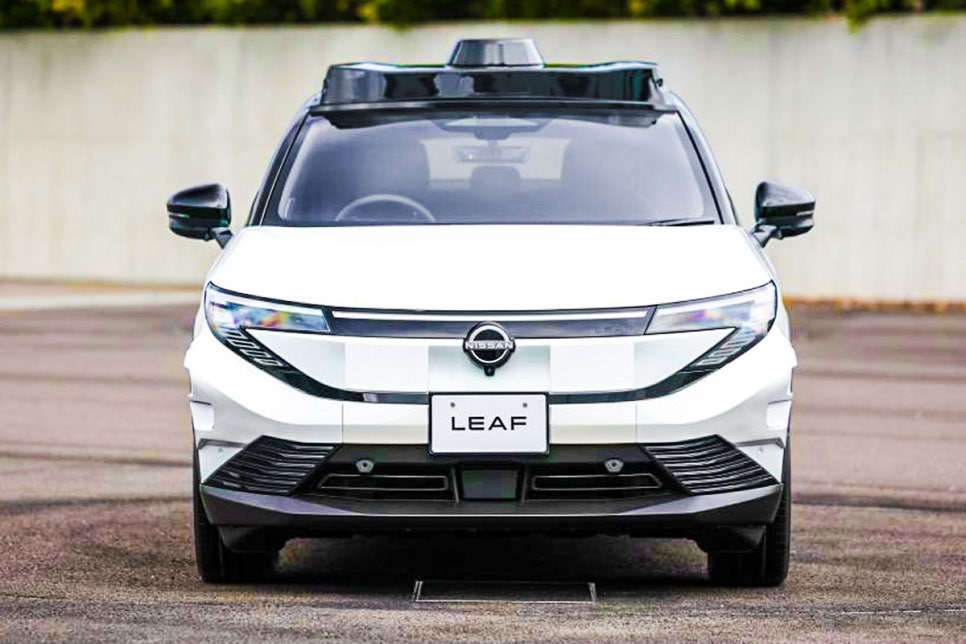
Leaf robo-taxi - Source: Nissan
The pilot will use robo-taxis based on the Nissan Leaf.
The Leaf-based vehicles will be fitted with Wayve's \"AI Driver\" autonomous system and integrated with Uber's ride-hailing platform, allowing customers to summon robo-taxis through the Uber app.
Initially, safety drivers will be on board to validate system performance and to help passengers acclimate to the technology.
AI Self-Driving That Learns Without HD Maps
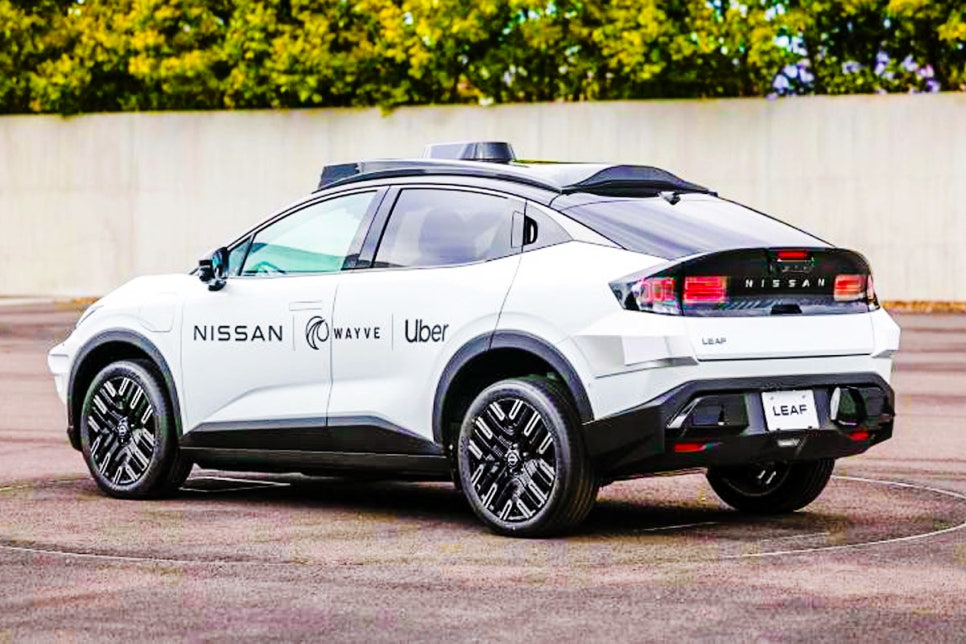
Leaf robo-taxi - Source: Nissan
Wayve's AI Driver stands apart from conventional systems by minimizing reliance on high-definition (HD) maps.
It is trained on real-world driving data to adapt quickly to new cities and road networks. Tokyo's dense traffic and strict safety requirements make it a critical proving ground for the technology.
Alex Kendall, Wayve's CEO, said, \"Tokyo is one of the world's most sophisticated mobility markets,\" and added that the company will introduce robo-taxi technology responsibly based on its experience on Japanese roads.
Global Robo-Taxi Expansion Strategy
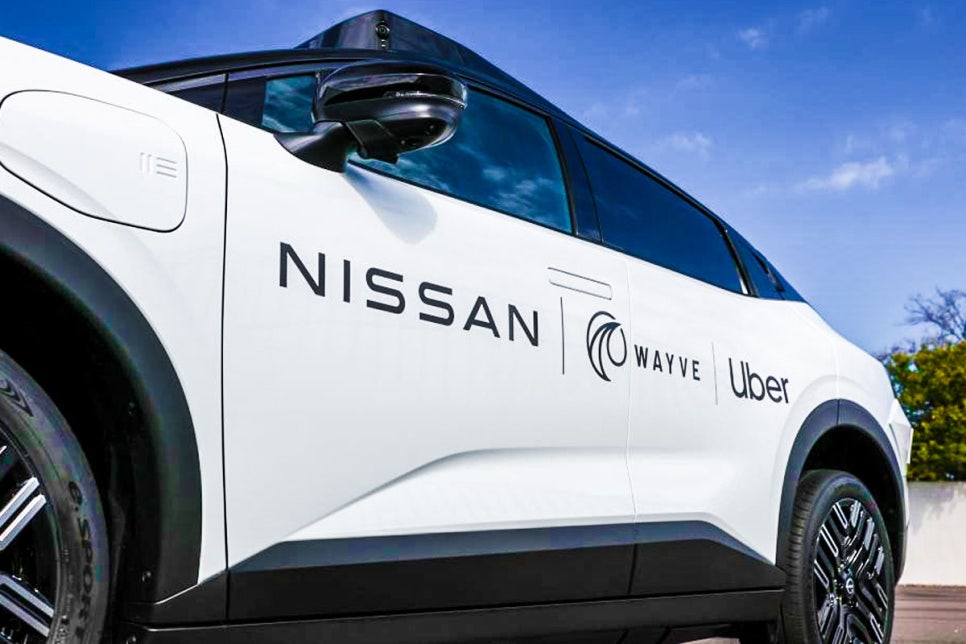
Leaf robo-taxi - Source: Nissan
The project is part of Wayve and Uber's global plan to scale robo-taxi operations. The companies plan to roll out autonomous services in more than 10 cities worldwide, including London.
Uber CEO Dara Khosrowshahi called self-driving a core pillar of the company's future, saying Tokyo is an important market for addressing driver shortages and advancing urban mobility innovation.
The three companies plan to combine Nissan vehicles, Wayve's AI stack and Uber's platform to build a safe, scalable autonomous mobility service.