The car I paid more than 100 million KRW (approximately $75,000) for?
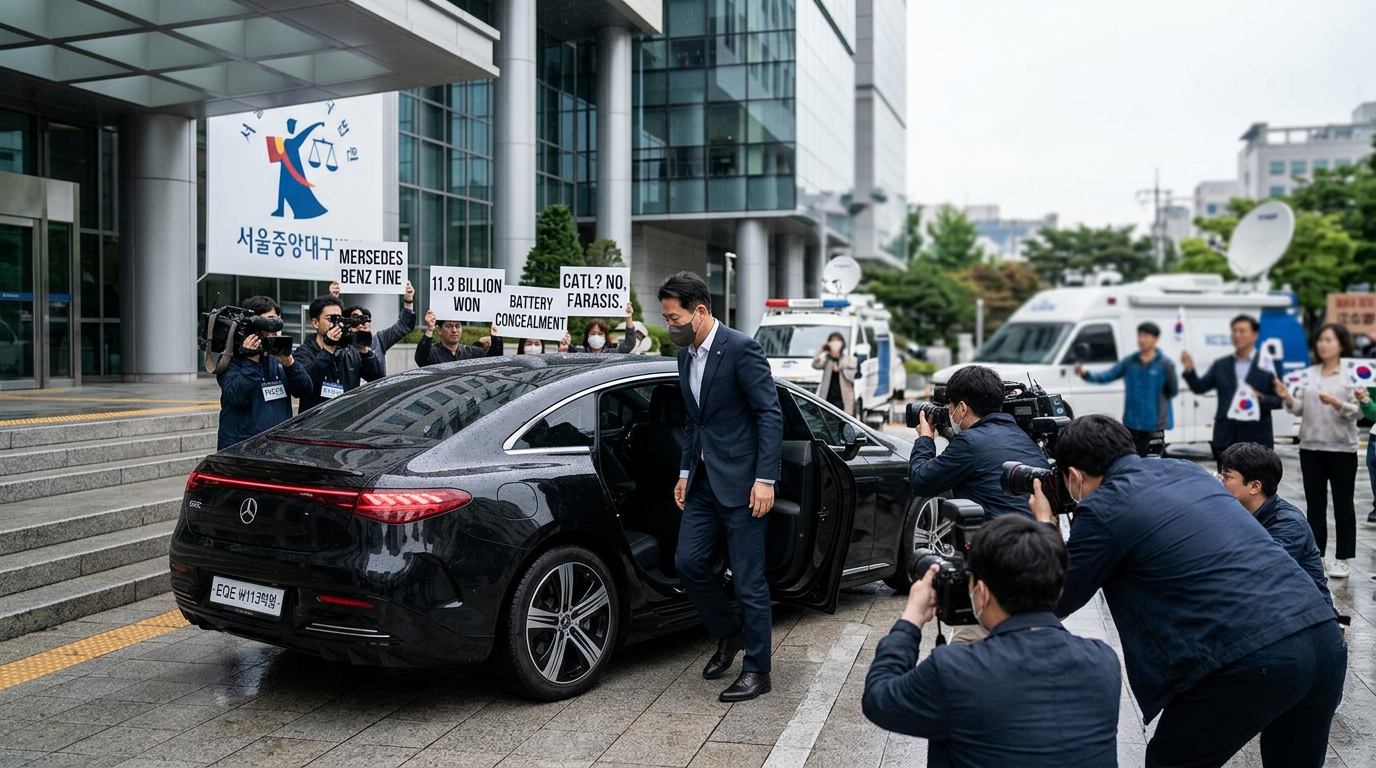
The Fair Trade Commission found Mercedes‑Benz sold electric vehicles equipped with battery cells that had prior fire‑risk incidents and concealed that fact from buyers.
On March 10, 2026, the commission voted at a plenary session to impose fines totaling 11,239,000,000 KRW (approximately $8.43 million) on Mercedes‑Benz’s Germany headquarters and Mercedes‑Benz Korea, and to refer both entities to prosecutors.
It is the first known case of an automaker being sanctioned for hiding the identity of an EV battery‑cell supplier.
They touted “Why we chose CATL” while selling models fitted with Farasis cells
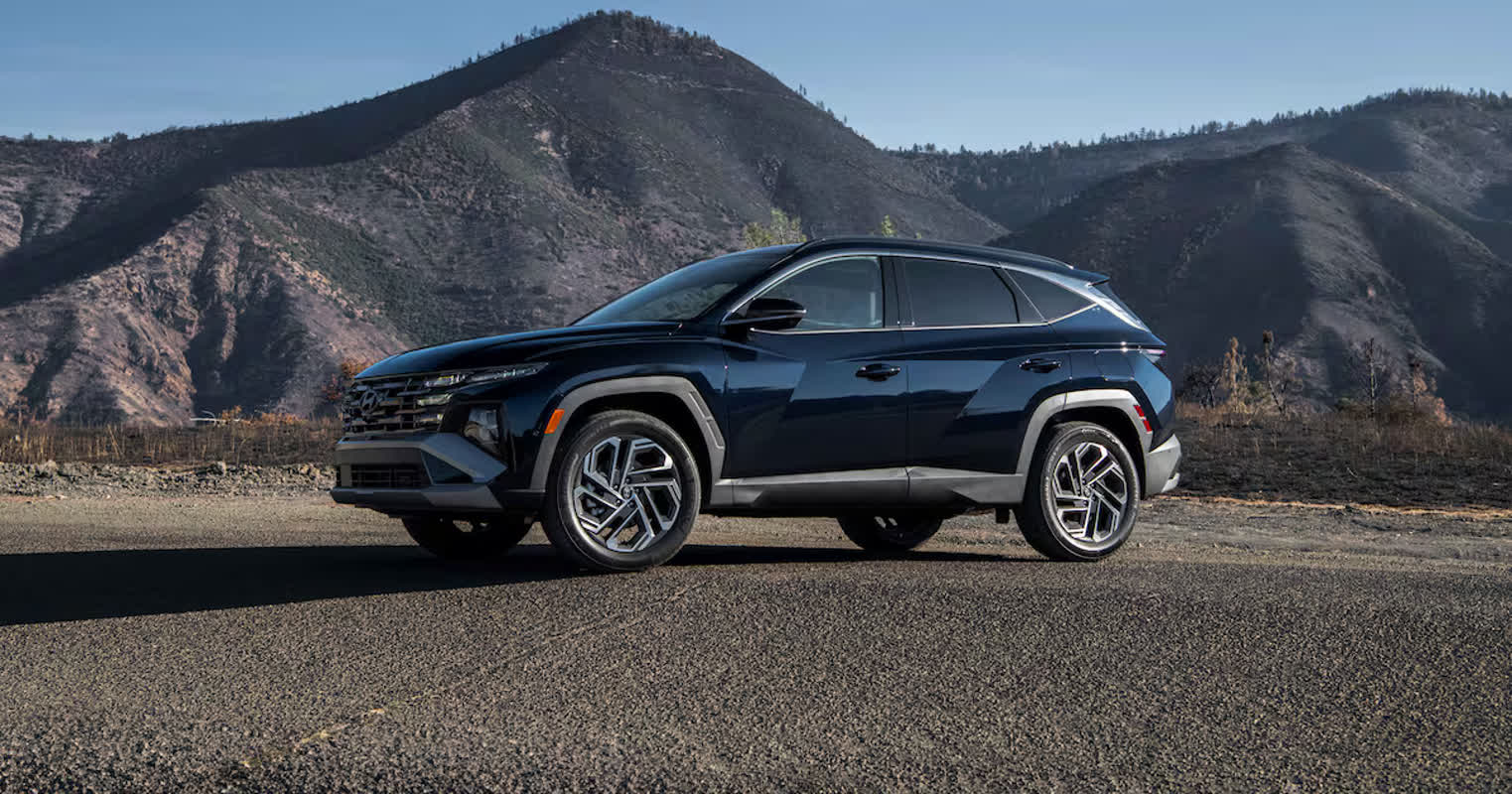
The commission’s probe found Mercedes‑Benz installed Farasis battery cells in the EQE and EQS models sold in Korea, which were launched in June 2023.
But Mercedes‑Benz omitted Farasis from its sales guidelines and instead presented the cars as if they used Ningde‑Times (CATL) cells. Sales materials promoted CATL with phrases such as “Why Mercedes‑Benz chose CATL,” “industry‑leading technology,” and “the world’s No. 1 market share.”
Dealers were given separate instructions to emphasize CATL’s strengths when customers inquired about the battery‑cell maker.
As of 2024, CATL was the global market leader in battery cells, far outpacing Farasis in both technology and brand recognition. Farasis’s market share is estimated at about 1–2%.
In Korea, only the EQE and EQS were sold with Farasis batteries. Notably, Farasis was the subject of a large recall in China in March 2021 over battery‑fire risks, just ahead of the EQE’s domestic launch.
Mercedes disclosed the supplier only after an underground parking fire in Cheongna — about 3,000 affected cars
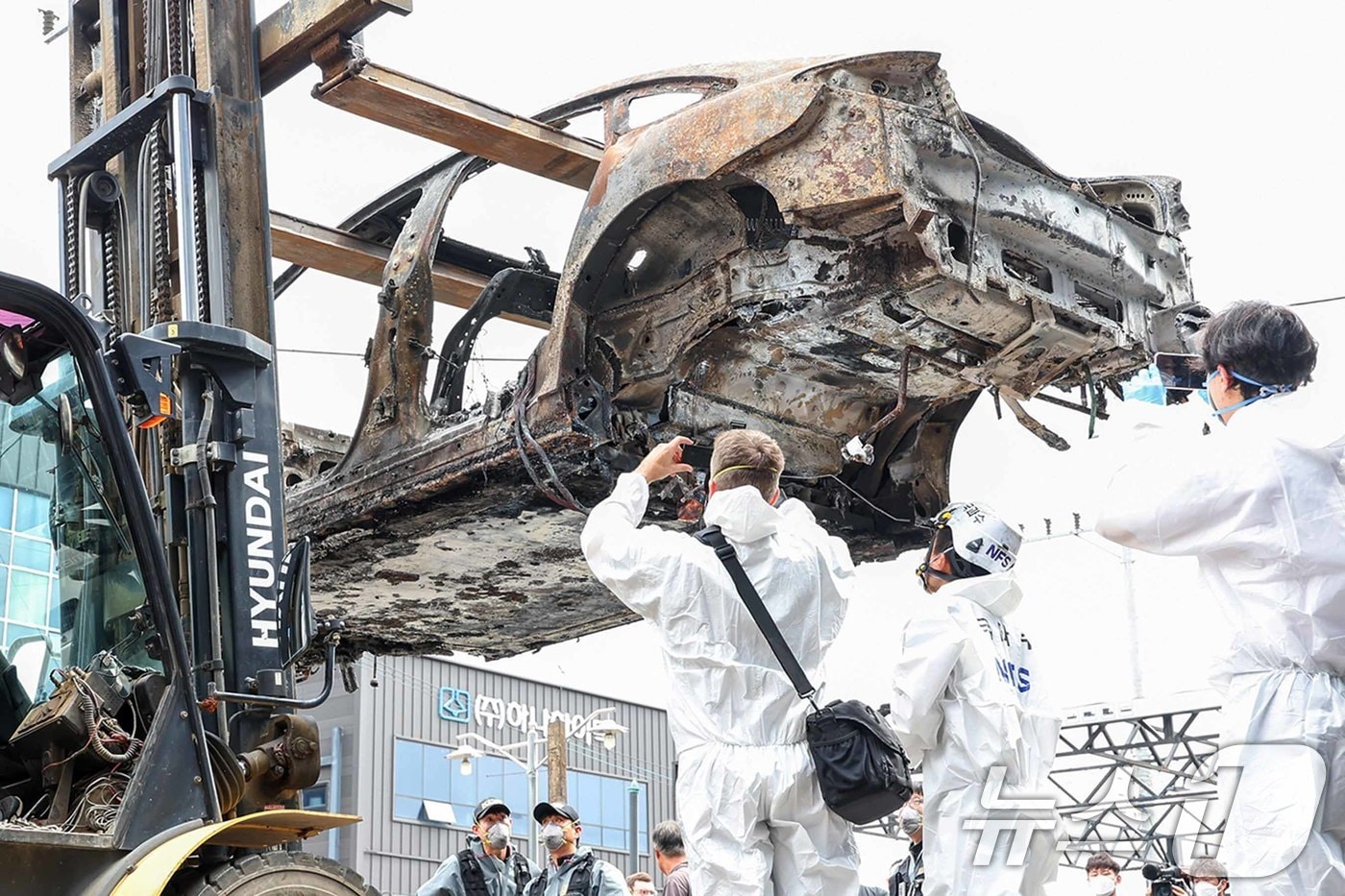
Mercedes‑Benz’s concealment of battery‑maker information persisted until the day before the company published a model‑by‑model list of battery‑cell suppliers on August 13, 2024.
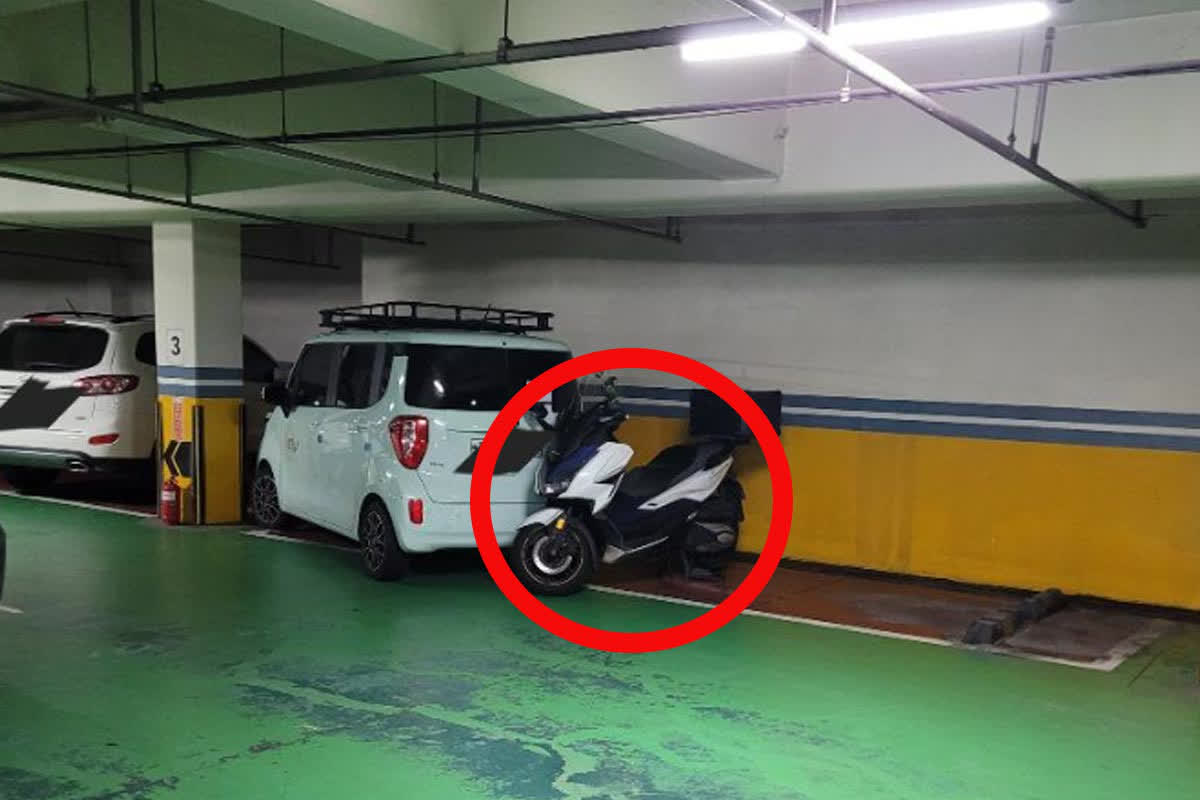
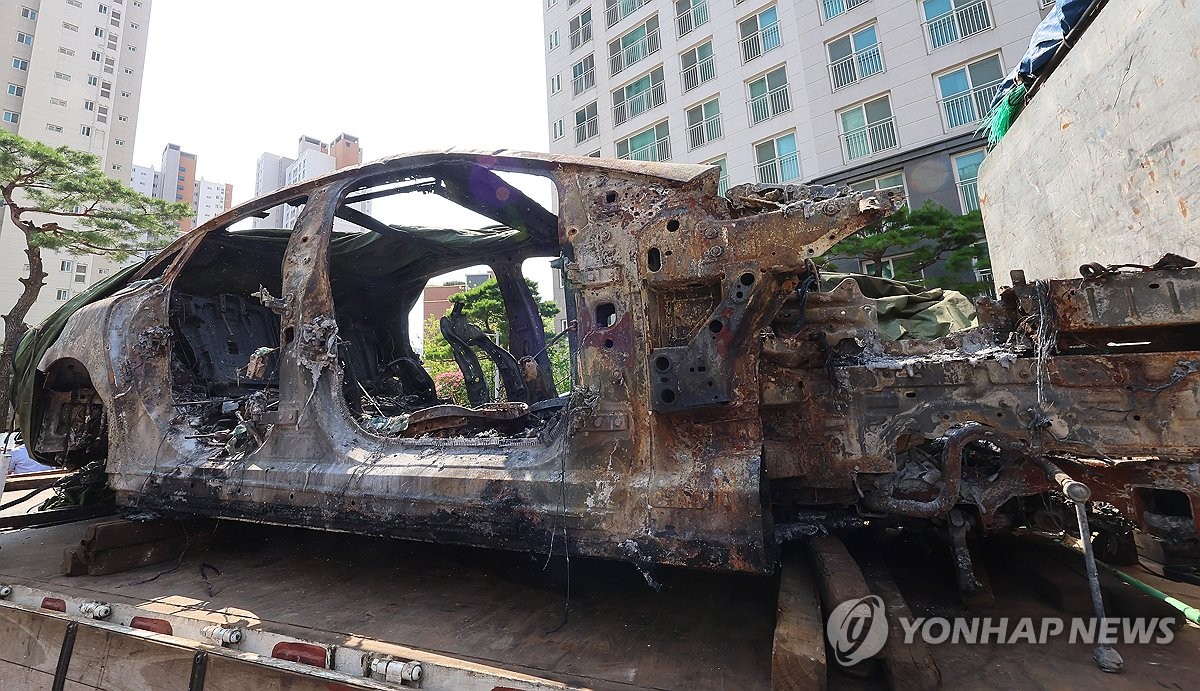
The immediate catalyst for disclosure was a fire on August 1, 2024, in an underground parking garage at an apartment complex in Cheongna, Incheon, involving a Mercedes EV equipped with Farasis cells. Faced with mounting controversy, Mercedes‑Benz released the supplier information.
The commission estimates roughly 3,000 Mercedes EVs were sold in Korea with Farasis cells, representing about 281,000,000,000 KRW in sales (approximately $210.75 million).
The Fair Trade Commission received more than 90 consumer complaints from buyers who said they had purchased the cars believing they contained CATL batteries. In a dealer survey Mercedes‑Benz Korea conducted while drafting its sales guidelines, about one‑third of respondents said the battery‑cell manufacturer was the most important factor in their purchase decisions.
The commission concluded that domestic dealers, who were unaware the vehicles actually used Farasis cells, told customers the cars had CATL batteries — and that consumers relied on those representations when they bought the vehicles.