Reports of tragic accidents blamed on pedal errors by elderly and novice drivers keep surfacing.
With drivers increasingly encountering heart-stopping moments, what if a car could detect a driver's mistake and stop itself? Kia answers that question with an elegant symphony.
On the 10th, Kia released the \"Symphony of EV Technology\" video on its YouTube and social media channels.
The video pairs classical music with clear visuals to showcase the advanced driving and safety-assist technologies in Kia's latest dedicated EV lineup — the EV3, EV4, and EV5.
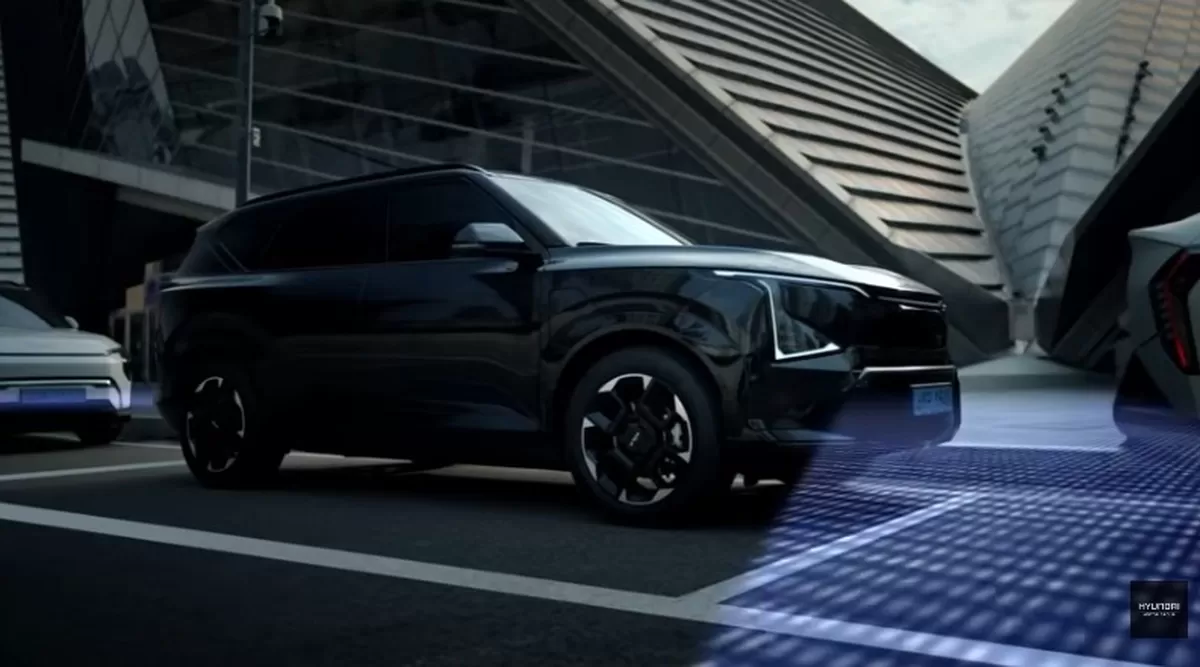
Rather than offering dry engineering explanations, the video presents how the technology operates in drivers' daily lives, treating it like a work of art.
It illustrates how Kia's electrification efforts are evolving beyond eco-friendly transport into an active shield that protects both drivers and pedestrians in increasingly complex road environments.
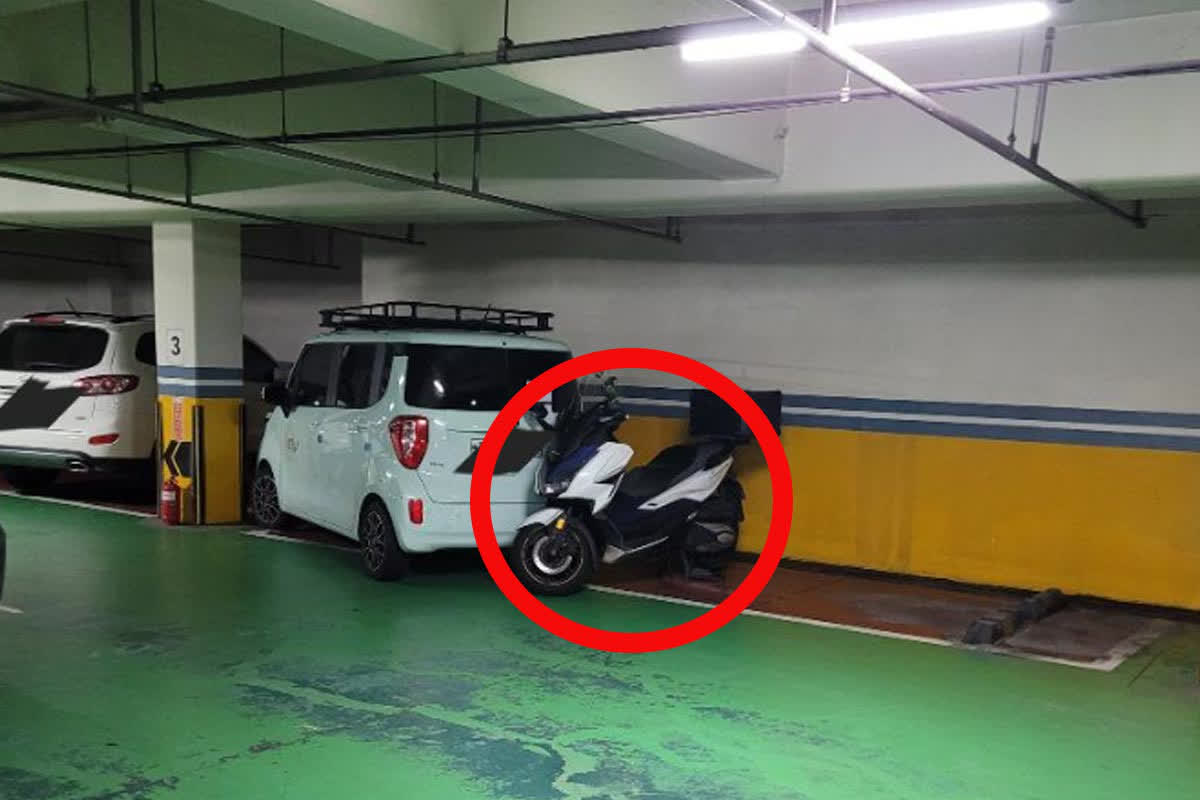
Flooring the pedal against a wall won't make the car go — the last line of defense against sudden incidentsThe video's highlight is the Pedal Misapplication Safety Assist (PMSA). It prevents drivers from accidentally stomping the accelerator instead of the brake when pulling away in parking lots or narrow alleys.
If obstacles such as walls or pedestrians are detected in front of or behind the vehicle and the pedal is pressed unusually fast and deep, the car classifies the input as misapplication and immediately cuts power to the drive motor.
If a collision becomes imminent, the system will autonomously apply the brakes and bring the vehicle to a stop.
The latest EV5 version extends obstacle-detection range to 1.5 m (about 4.9 ft) and factors in steering angle to prevent collisions from the outset.
While PMSA addresses incidents when the vehicle is stationary, Acceleration Limit Assist (ALA) handles sudden unintended acceleration while driving.
At speeds below 80 km/h (about 50 mph), if a driver depresses the accelerator excessively long and deep, the system treats it as an abnormal, dangerous condition.
It immediately alerts the driver with a dashboard popup, warning chimes, and voice prompts. If the driver does not correct the input, the system nullifies the accelerator input to 0% to prevent the vehicle from surging out of control.
A smart assistant that reduces the need to tap the brakesWith robust emergency protections in place, drivers can enjoy the smooth, controlled ride that EVs offer. Kia says i-Pedal 3.0 and the Smart Regenerative Braking System 3.0 significantly reduce fatigue during urban driving.
i-Pedal 3.0 enables one-pedal driving: drivers can control acceleration, deceleration, and full stops using only the accelerator.
It operates both forward and in reverse, proving especially useful in tight parking scenarios, and lets drivers fine-tune deceleration levels to their preference.
The Smart Regenerative Braking System 3.0 goes a step further by reading surrounding traffic flow and navigation data.
When the car ahead slows, or when it detects speed bumps or tight corners, it increases regenerative braking to decelerate smoothly. On open roads, it eases braking to help the vehicle coast, preserving momentum and efficiency.
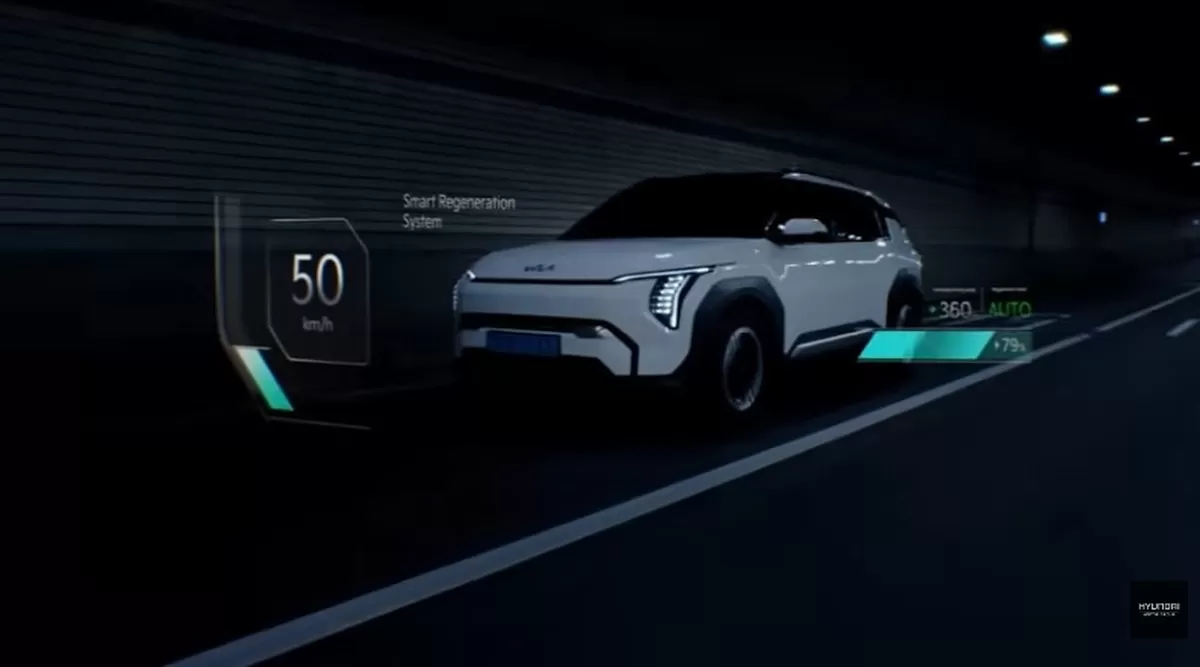
In short, it's a smart assistant that balances energy efficiency and ride comfort so drivers don't have to keep tapping the brakes.
YouTube 'Hyundai Motor Group (HYUNDAI)'