● Targeting 4.13 million global vehicle sales and a 4.5% market share by 2030
● Expand the HYBE lead lineup to 13 models to manage the transition to electrification more flexibly
● Strengthen competitiveness with a goal of 1 million EV sales by 2030 and the rollout of a next‑generation platform
● Build a full PBV lineup and develop robotics-based last-mile solutions
● Invest 49 trillion KRW (approximately 36.75 billion USD) over five years and expand future-business allocation to 21 trillion KRW (approximately 15.75 billion USD)
Refining mid-to-long-term strategy and setting quantitative growth targets
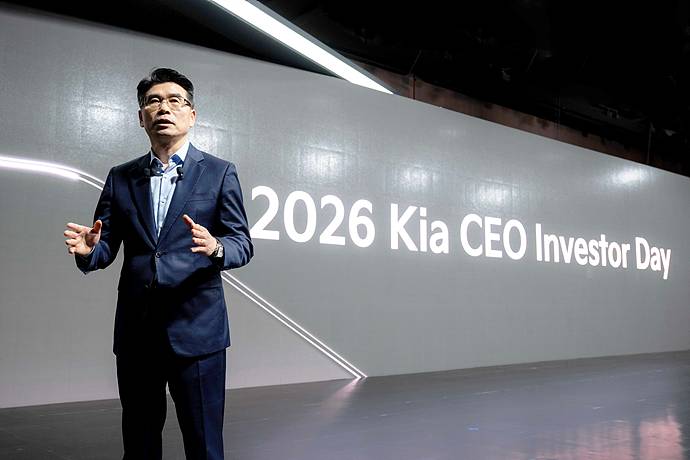
On April 9, Kia held its 2026 CEO Investor Day at Seoul’s Shilla Hotel, outlining progress in its shift to a sustainable mobility solutions company and detailing its strategy moving forward. The company reviewed innovations since its 2021 brand relaunch and said it will pursue an aggressive outperformance strategy despite a sluggish global growth backdrop. Kia set targets of 3.35 million units in 2026 and 4.13 million by 2030, aiming for a 4.5% global market share.
Diversifying ICE and HYBE lead portfolios
Kia will tailor its powertrain strategy to regional differences in the pace of electrification. Through 2030 the company plans to introduce nine new internal combustion models and expand the HYBE lead lineup to 13 models to broaden customer choice. Beginning this year with HYBE lead variants of the Telluride and Seltos, Kia will sequentially launch the Tasman pickup in 2025 and a North America body-on-frame HYBE pickup in 2030. On the performance front, next‑generation systems will improve fuel economy and power, and EV conveniences such as V2L will be incorporated into HYBE models.
Electrifying the mass market and optimizing production hubs
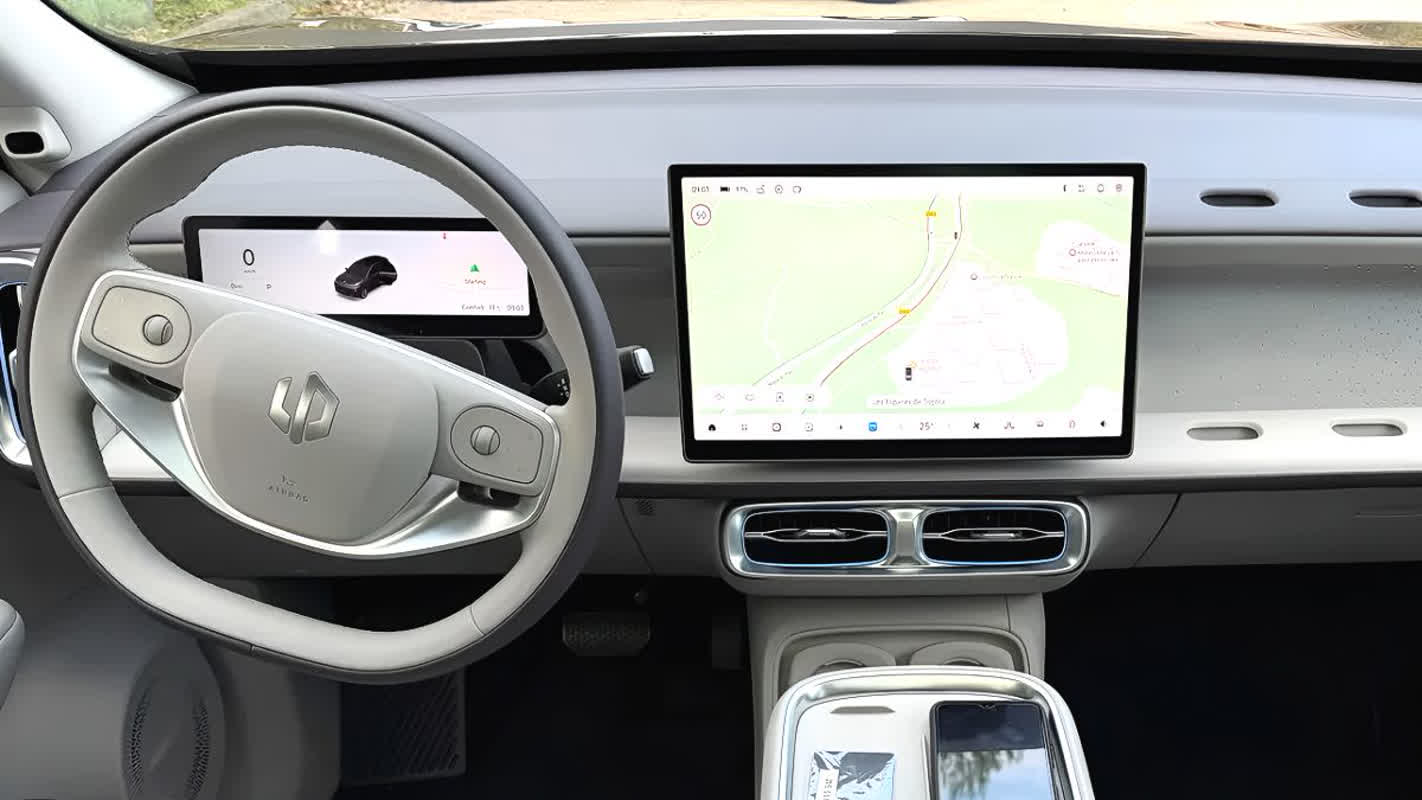
Kia aims to sell 1 million EVs by 2030 and is pursuing product innovation across the board. The company plans a 14-model EV lineup covering passenger cars, SUVs and PBVs, and will target the mass market with the EV2 launch in 2026. The next-generation platform will enable larger battery capacity and increased motor output, and will use a fifth-generation battery with higher energy density. On the production side, Kia will optimize local manufacturing in Europe, the U.S. and India centered on its Gwangmyeong and Hwaseong EVO plants to secure both price competitiveness and supply stability.
Securing PBV and future-technology competitiveness
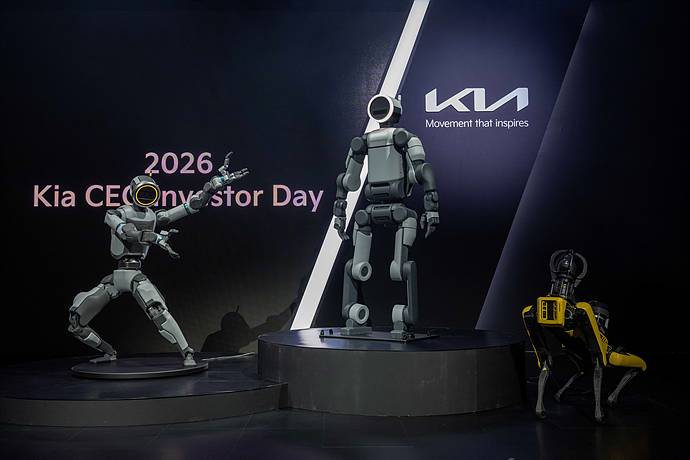
Kia’s PBV business — positioned as a new growth engine — will complete a full lineup starting with the PV5 in 2025, followed by the PV7 in 2027 and the PV9 in 2029. The company will offer more than 40 body types and B2B-tailored solutions, targeting annual sales of 230,000 units. In autonomous driving, Kia will leverage its NVIDIA partnership to build a data feedback loop and apply Level 2++ technology capable of urban driving to production cars by early 2029. In robotics, the company will work with Boston Dynamics on logistics innovation and deploy Atlas robots at its Georgia plant in the second half of 2029 to improve manufacturing efficiency.
Strengthening financial soundness and expanding shareholder returns
Kia set financial targets for 2030 of 170 trillion KRW (approximately 127.5 billion USD) in revenue, 17 trillion KRW (approximately 12.75 billion USD) in operating profit and a 10% operating margin. Over the next five years the company will invest 49 trillion KRW (approximately 36.75 billion USD), allocating 21 trillion KRW (approximately 15.75 billion USD) to electrification, robotics and other future businesses. To enhance shareholder value, Kia plans to maintain a total shareholder return ratio of at least 35% through 2028 and will continue active measures such as dividends and share buybacks.
Writer / Won Seon-woong (Global Auto News)
#Kia#CEOInvestorDay#EVs#HYBE리드#PBV#Robotics#AutonomousDriving#SongHoseong#Mobility#KiaStrategy#AutoNews