Kia plans to roll out NVIDIA-based autonomous driving (Level 2++) on highways and in urban areas by 2029. To fund that and other future projects, the company increased its investment in those businesses to KRW 21 trillion (about $15.8 billion), an 11% rise from its previous plan. Kia also set operating targets: it aims to raise operating margin from 8.3% this year to 10% by 2030 and to grow global market share from 3.8% to 4.5% by 2030.
Autonomy on highways by ’27, in cities by ’29
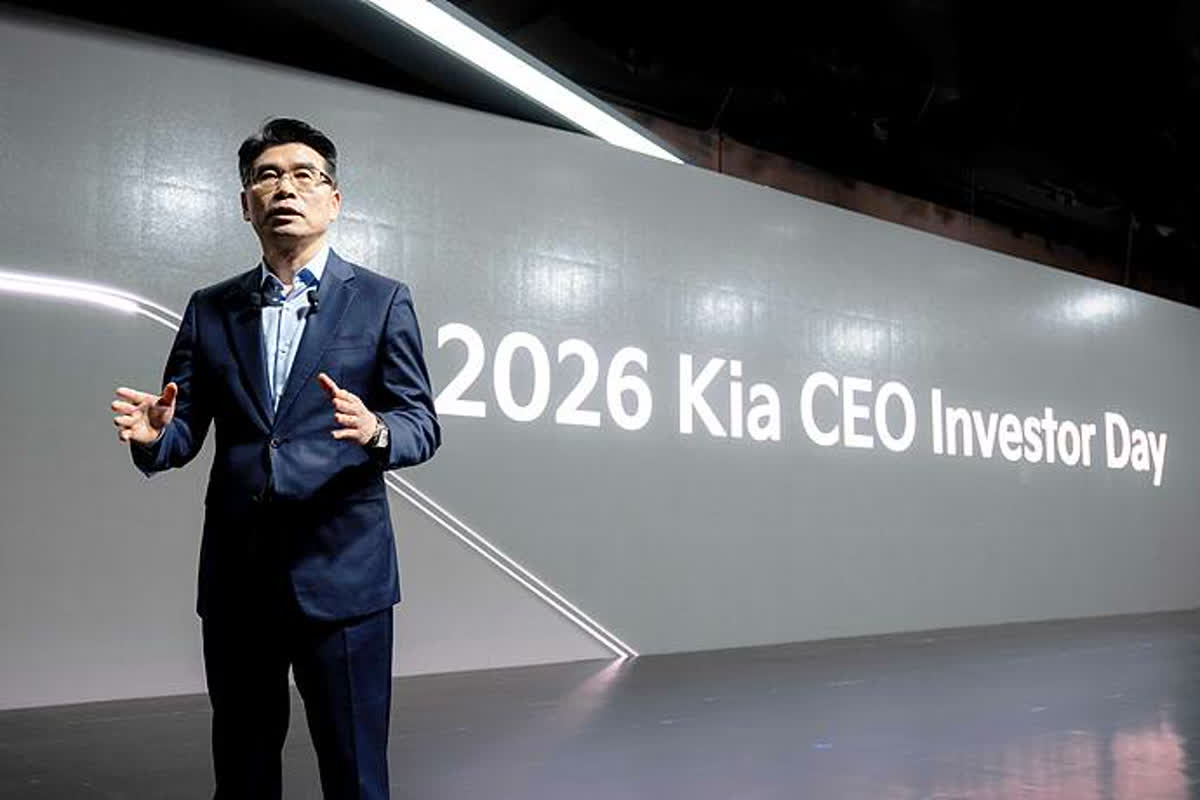
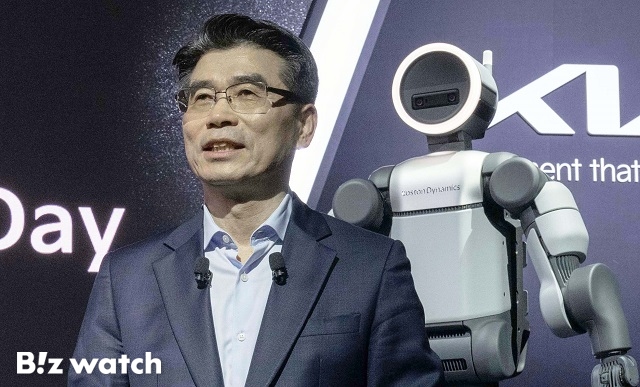
On the 9th, Kia staged its 2026 CEO Investor Day at the Shilla Hotel in Seoul under the theme "A Sustainable Mobility Solutions Company." Executives laid out the 2030 mid- to long-term business strategy, the company’s future strategy and the 2026 business plan, including multi-year financial targets.
Autonomous driving and robotics are the cornerstones of Kia’s future strategy. The company will develop an SDV (Software Defined Vehicle) with Level 2+ highway-capable autonomous driving by the end of 2027. It plans to advance that capability to Level 2++, enabling autonomy in both highways and urban environments by early 2029.
Level 2+ and 2++ allow autonomous driving under specific conditions while the driver remains responsible; Level 3 is the stage where the autonomous system takes on driving responsibility.
Kia will integrate NVIDIA technology to accelerate its autonomous program. That will enable large-scale collection of driving data and strengthen an E2E (End-to-End) autonomous model that uses AI to fuse information from cameras, lidar and other sensors.
In robotics, Kia is targeting the last-mile delivery market, which it estimates at about KRW 426 trillion a year (roughly $319.5 billion). The company plans to pair its PBV (Platform Beyond Vehicle) models PV7 and PV9 with Boston Dynamics’ Stretch and Spot robots. Boston Dynamics’ Atlas robots are slated for deployment to Hyundai Motor Group’s U.S. Plant America facility in 2028 and to Kia’s Georgia assembly plant (KaGA) in the second half of 2029.
Targeting 10% operating margin by 2030
Kia’s 2026 business plan and mid- to long-term financial goals include an operating margin target of 8.3% this year and 10% by 2030.
This year’s financial targets call for revenue of KRW 122.3 trillion (about $91.7 billion), up 7.2% from a year earlier, and operating profit of KRW 10.2 trillion (about $7.7 billion), up 12.4% year-on-year. Kia set a wholesale sales target of 3.35 million units for the year, a 7% increase, and plans to raise market share from 3.5% last year to 3.8% this year.
This year’s investment budget rises by KRW 1.2 trillion (about $0.9 billion) to KRW 10.1 trillion (about $7.6 billion) compared with last year. Kia increased its total five-year investment for 2026–2030 to KRW 49 trillion (about $36.8 billion), up KRW 7 trillion (about $5.3 billion) from the previous five-year plan. Of that, investments in electrification, autonomous driving and robotics will total KRW 21 trillion (about $15.8 billion), an 11% increase over the prior plan.
Kia’s mid- to long-term targets include revenue of KRW 150 trillion (about $112.5 billion) and a 9% operating margin in 2028, and revenue of KRW 170 trillion (about $127.5 billion) with a 10% operating margin in 2030. The company projects a 2030 global market share of 4.5% (4.13 million units).
Regional 2030 share targets are 6.2% in the U.S. (1.02 million units), 4.8% in Europe (740,000 units) and 7.6% in emerging markets (410,000 units).
Kia President Song Ho-sung said, "We expect the fastest growth in EVs, HEVs, autonomous driving and robotics. Even as external uncertainties mount, we will respond proactively to market changes with differentiated strategies."