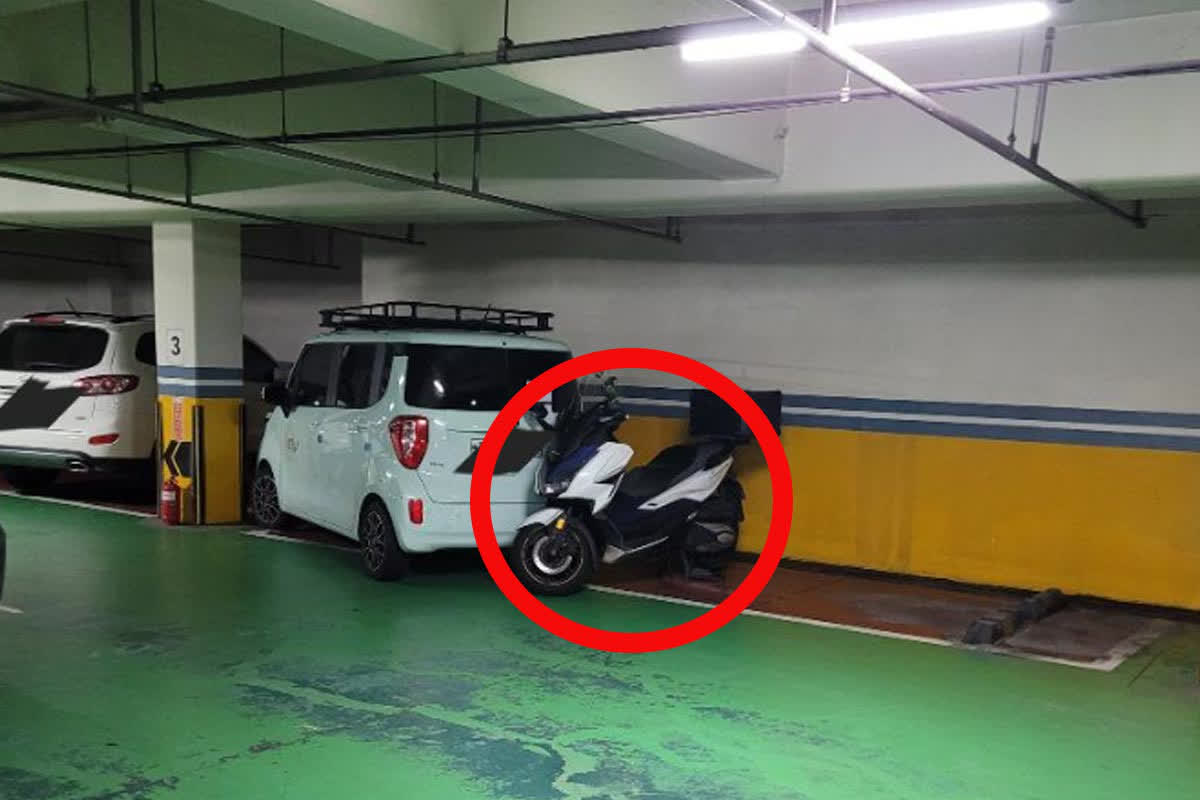
The Ministry of Justice is launching a program to train foreign student specialists to help ease chronic labor shortages in manufacturing, including auto repair shops in Gyeonggi Province.
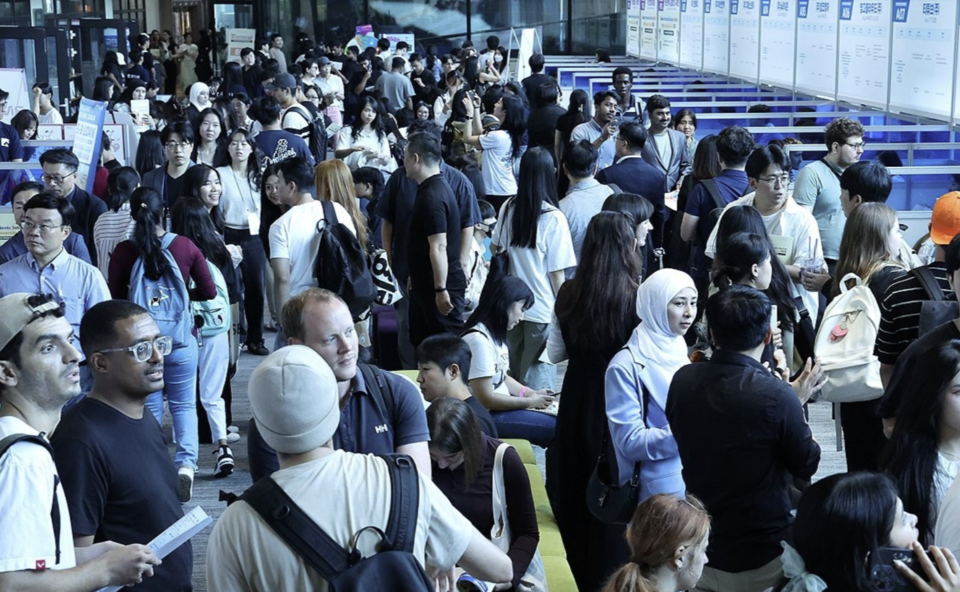
On March 27, the ministry said the Development-type Professional Technical Departments (K-CORE·E-7-M) program will systematically develop foreign students who have Korean language proficiency and technical skills, then place them in regional manufacturing workplaces.
Students who hold TOPIK level 3 or higher will be exempt from financial-sufficiency requirements at admission, and the permitted part-time work during study will increase from 30 to 35 hours per week. After graduation, students who sign employment contracts with companies in their field offering a starting annual salary of at least ₩26,000,000 (about $19,500) will be eligible for the new E-7-M work visa.
The program designates 16 schools in total — including six in Gyeonggi and others in Daegu and North Gyeongsang — and is expected to supply up to 800 skilled foreign technicians annually to local small and medium-sized enterprises.
In Gyeonggi, participating programs include the Future Electric Vehicle Department at Gyeonggi Science & Technology College, the Future Automotive Engineering Department at Daelim University, and the Automotive Mechanical Department at Yongin Arts & Science College.
Industry leaders in auto maintenance say the initiative could help relieve on-the-ground staffing shortages.
A representative of the Gyeonggi Automobile Inspection and Maintenance Association said, "Bringing in foreign students could help ease the repair sector's labor shortage. We're currently focusing on bringing in workers for bodywork and painting; given the workforce shortfall, accelerating the supply would have a bigger impact."
However, experts caution that effective use of foreign technical workers will require clear credential recognition, safety training, language support and measures to encourage long-term retention.
Justice Minister Jeong Seong-ho said, "We need to shift from directly importing scarce labor overseas to creating a virtuous cycle that settles talented graduates trained at our universities into regional communities. The government will actively support university growth and local economic vitality by improving study and work visa systems."
/Kim Hye-jin, reporter trust@incheonilbo.com