The Ministry of Land, Infrastructure and Transport has selected Hyundai Motor Company and Kia as the vehicle manufacturing and transportation-platform operators for its autonomous-driving pilot city project. The automakers are moving ahead to build a collaborative model to expand South Korea’s autonomous-driving ecosystem.
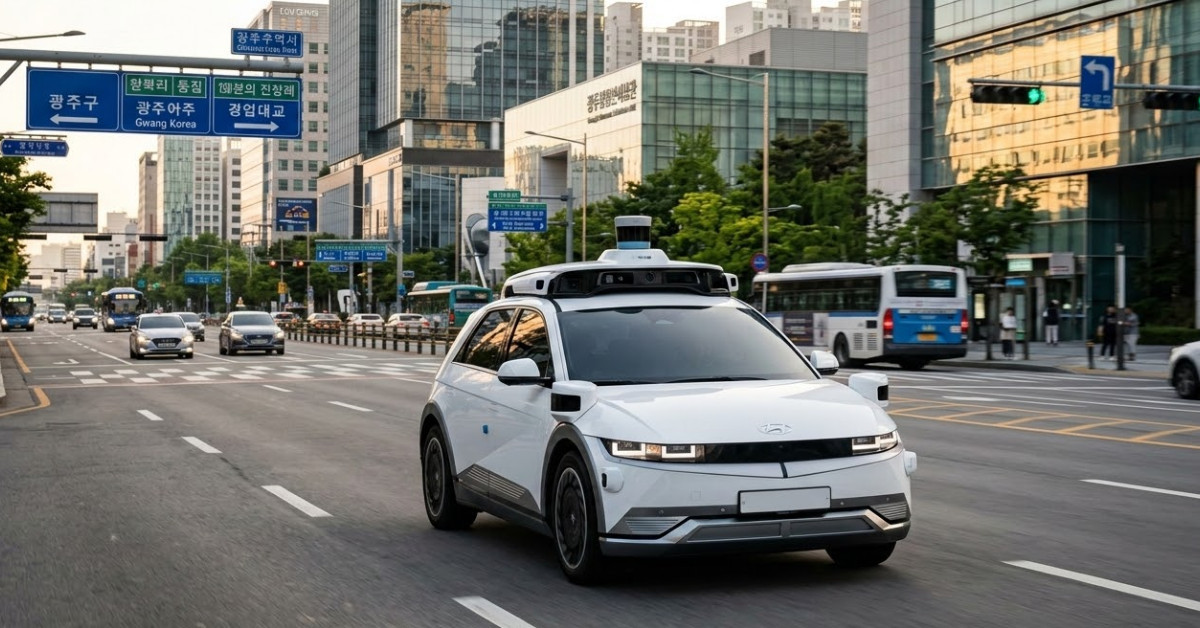
Covering the entire city of Gwangju, the program will have both automakers build and supply vehicles dedicated to autonomous-driving development while deploying an integrated operations system powered by the AI-driven Shircle platform.
The pilot is South Korea’s first large-scale effort to validate autonomous-driving technology at the city level. Designating all of Gwangju as a demonstration zone enables the collection of extensive real-world driving data. Government and industry officials plan to use that data to set technical standards and update regulations, accelerating commercialization. Hyundai and Kia will combine vehicle manufacturing strengths and software expertise to anchor a “K-autonomy” cooperation model.
The vehicle production work assigned to Hyundai and Kia goes beyond supplying standard mass-produced cars. Engineers will add sensors, integrate vehicle-control systems, and support diverse technical approaches required by autonomous-driving developers. Implementing and validating performance improvements via over-the-air (OTA) updates is another key task. Both companies have already demonstrated foundry manufacturing capabilities by supplying IONIQ 5–based robo-taxis to joint ventures such as Motional and Waymo.
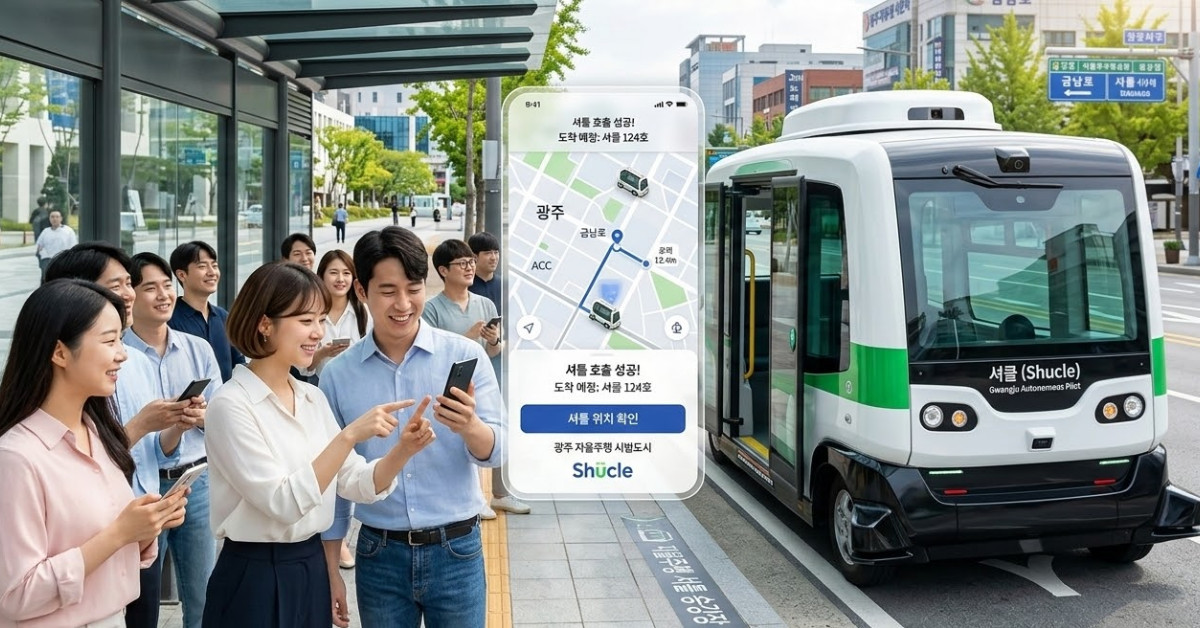
On the platform side, Kia’s Shircle service will raise the overall quality of the offering. Shircle combines artificial intelligence with real-time traffic data to generate optimal, on-demand routes. It manages pickup and drop-off points and maintains fleet safety through continuous real-time monitoring. Kia’s operational experience since 2019—across 33 local governments and more than 82 regions—provides important know-how to stabilize this demonstration.
By integrating transport brokerage and control systems, the Shircle platform will serve as a bridge between autonomous vehicles and riders. Hyundai and Kia plan to share vehicle data and operational information generated during the demo with participating developers. That data-sharing framework should catalyze advances across South Korea’s autonomous-driving ecosystem. The collaboration aims to establish standardized service models through public-private cooperation, extending benefits beyond individual companies.
As the mobility industry shifts focus from hardware to software, these moves will help Hyundai and Kia solidify their positions as providers of integrated autonomous-driving solutions. Leveraging both vehicle hardware expertise and AI-driven operating platforms, they will concentrate on proving effectiveness in real urban environments. The demonstration’s results are expected to form a replicable standard that other cities, at home and abroad, can adopt—helping South Korea compete in the global autonomous-driving market.
Hyundai Motor Company and Kia’s mobility divisions emphasized that the project offers a major opportunity to validate integrated autonomous-driving capabilities in a real city setting. They said they will complete a system in which vehicles, technology, and platform operate together to deliver a new mobility experience. More than a change in vehicles, the project aims to drive broad innovation across urban transport systems, starting in Gwangju and accelerating the development of a nationwide autonomous-driving ecosystem.
Get your daily personalized horoscope report! How will your day go?