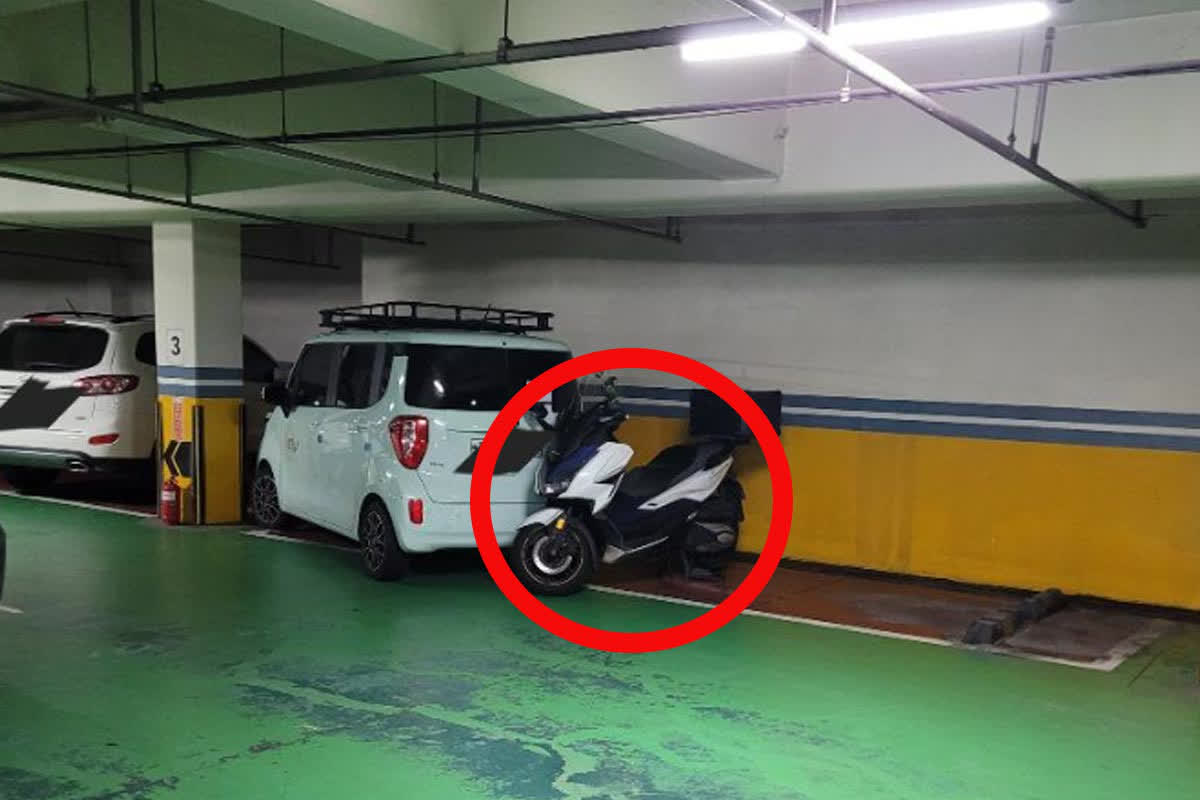
● Base trims: up to 25 months' wait... Lounge roughly 10 months
● Profit-focused production strategy... higher trims prioritized in manufacturing
● Export-heavy allocations... domestic buyers feel extended delivery delays
Hello.
I'm Yuniji (YukaPost), an automotive influencer.
Why do some versions of the same EV require a two-year wait while others arrive in under a year?
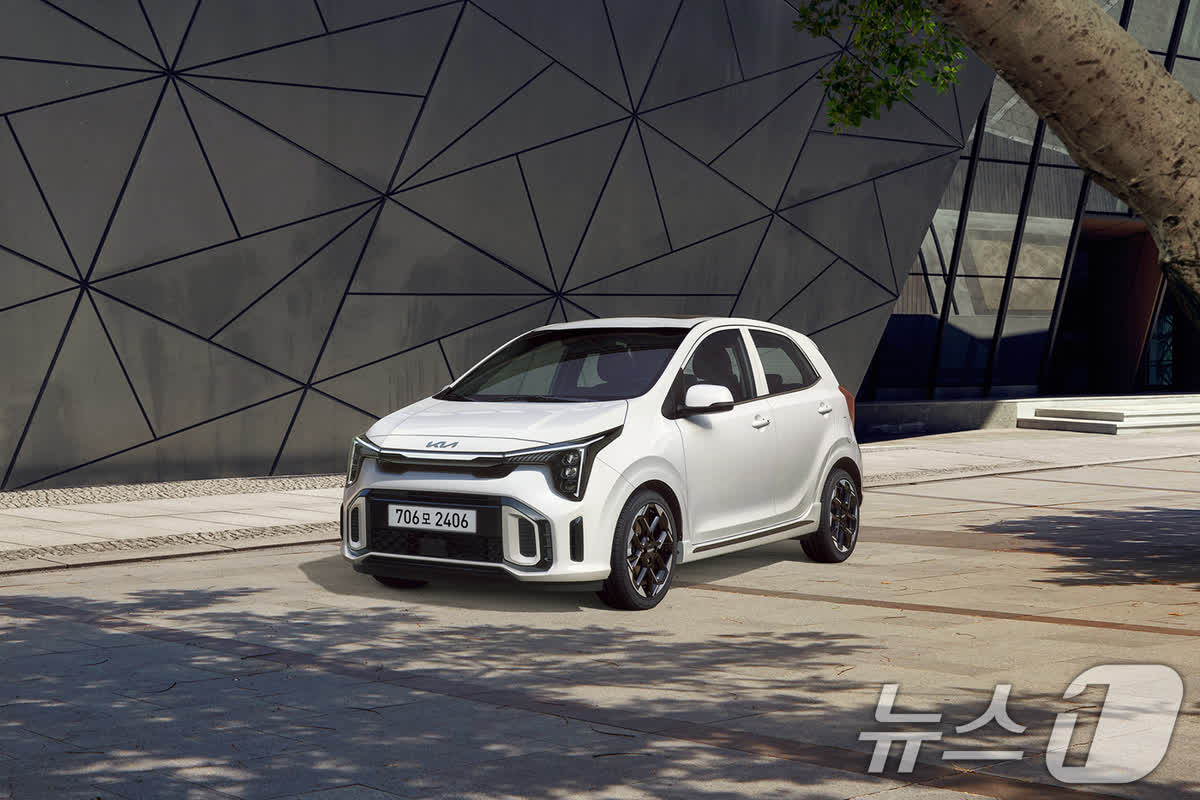
Delivery times for Hyundai's Casper Electric now vary sharply by trim, leaving many consumers confused.
Particularly because only the top 'Lounge' trim is moving notably faster, observers see this as a strategic choice rather than a mere production hiccup. We need to examine how this trend could shift buyer priorities and reshape South Korea's EV market.
Two years vs. 10 months... hard to believe it's the same car
The current delivery picture for the Casper Electric can be summed up as an 'extreme gap.'
From the base trim through the Cross model, buyers are reportedly waiting a minimum of 20 months and up to 25 months after ordering — effectively close to two years.
By contrast, the top 'Lounge' trim is shipping in about 10 months, cutting the perceived wait roughly in half despite being the same model.
It's only natural that consumers ask: why is the same Casper so different?
Profit-first strategy... margins became the deciding factor
Analysts say the gap stems less from production problems and more from a shift in Hyundai's manufacturing strategy.
On shared assembly lines, manufacturers commonly prioritize producing trims that deliver higher returns. The Casper Electric appears to reflect that approach.
The Lounge trim is priced about 6.7 million KRW higher than the base model (approximately $5,025) and adds features such as genuine leather seats, upgraded interior materials, and exclusive wheels and exterior styling.
Because it generates higher profit per production hour, it naturally moves ahead in production priority.
Parts supply + new-trim boost... why only the Lounge moved faster
That aside, price isn't the only factor.
A smoother supply of some components used in the Lounge likely helped speed its deliveries. As a newly launched trim, it may also have received initial production allocations.
Another key variable: the Lounge is currently allocated for the domestic market only, with no exports.
With no units heading overseas, supply is concentrated on domestic buyers — naturally speeding delivery.
About 90% exported... domestic buyers end up waiting
The problem falls on the other trims.
Roughly 90% of Casper Electric production is earmarked for export, leaving a relatively limited supply for domestic buyers.
As a result, buyers who chose the base trim must accept longer waits.
In fact, current delivery waits are reportedly 2–4 months longer than last year.
This trend may not be a temporary delay but could indicate a structural issue.
Compared with rival models... will buying criteria change?
This situation could ripple across the compact electric SUV market.
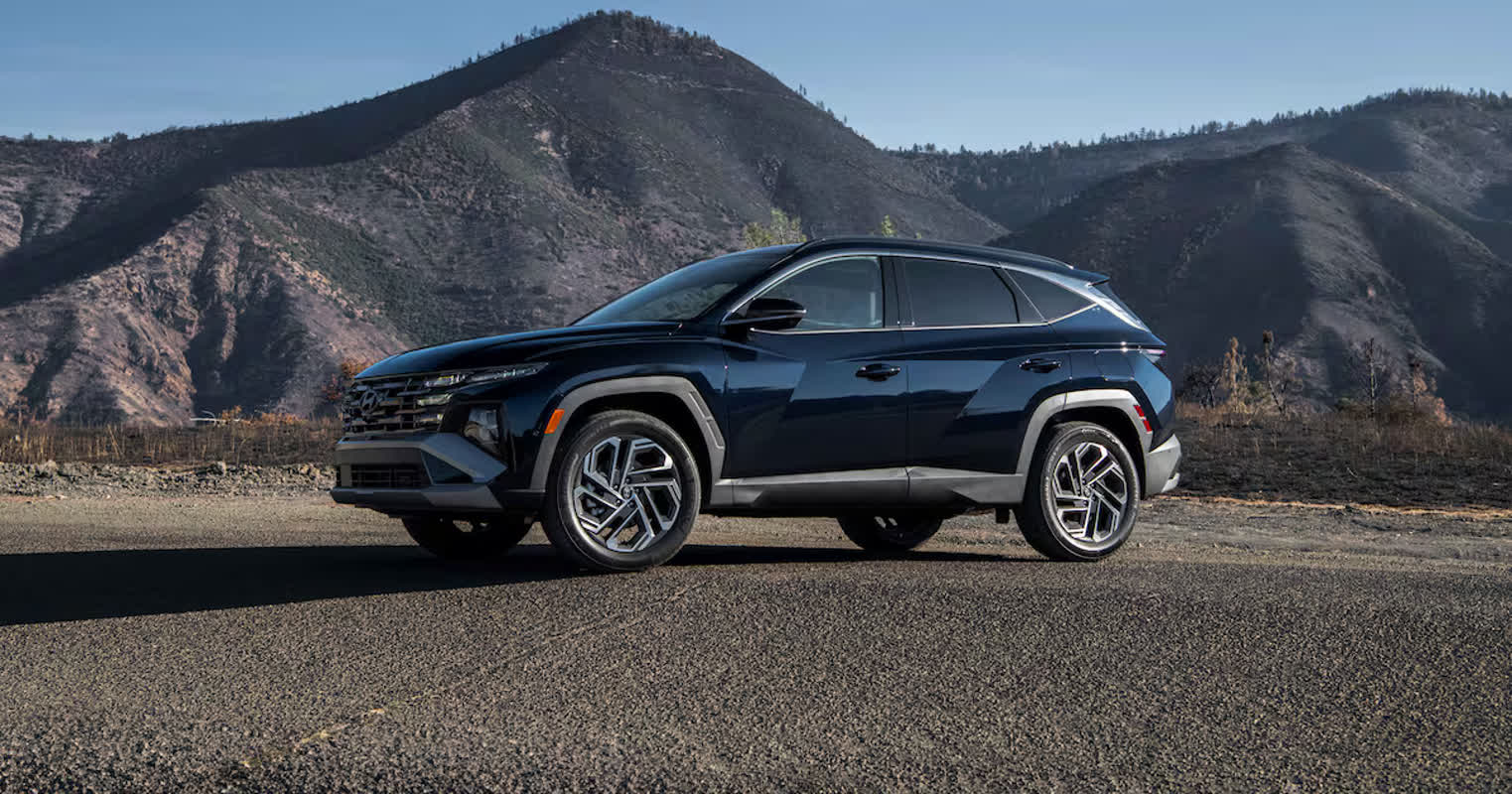
For buyers prioritizing quick delivery, attention will likely shift to competitors. The domestic market now offers options such as the Kia EV3, the Chevrolet Bolt EUV successor, and several BYD models.
Ultimately, it's not just price or specs anymore — when you can get the car is becoming a primary decision factor.
In that sense, the Casper Electric's situation may signal a structural shift in the market, not merely shipment delays.
Editor's note
These days, one factor has become more important than options when choosing a car: waiting time.
If two buyers pick the same car but one waits 10 months and the other two years, does that feel fair?
It's no longer just whether a car is good — it's when you can actually drive it. We should consider how this factor might reshape market norms.
Please share your thoughts in the comments.