|
On March 10, the company and the union reached a special agreement to keep three of the nine company-operated service centers nationwide — in Daejeon, Jeonju and Changwon. Those facilities will be converted into Maintenance Service Technical Centers, continuing routine vehicle servicing while serving as regional hubs for advanced diagnostics and technical support. Each center will be staffed with 20 technicians, for a total of 60 service specialists.
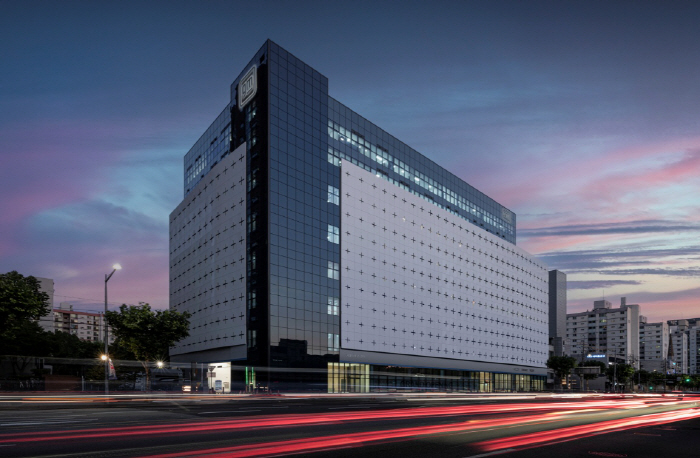
The High-Tech Center in Bupyeong, Incheon, will also be expanded. It will operate as a technical support hub for roughly 380 partner service locations nationwide, providing technical assistance, maintenance training and responses to complex repairs.
The agreement resolves a long-running labor-management conflict over GM Korea’s plan to wind down company-operated service centers. The company had pushed the transition to a partner-centered service model to improve cost structure and asset utilization amid rapid changes in the auto industry.
GM Korea planned to serve customers through a network of about 380 partner service centers and to reassign staff from the company-operated centers to other roles. The union opposed the moves, arguing the restructuring proceeded without sufficient consultation and that partner facilities alone could not handle large-scale recalls or technically complex repairs. The union even filed for court injunctions to block center closures and staff reassignments.
After negotiations, the parties agreed on a compromise that preserves repair capabilities at key hubs while building a technical-support–focused service system. The Maintenance Service Technical Centers will handle diagnostics and provide technical support for vehicles requiring complex work, strengthening the company’s overall after-sales service capacity.
Employees assigned to the company-operated centers will receive a consolation payment of 10 million KRW (about $7,500) each due to the centers’ operational changes.
The union said the agreement is meaningful because it preserves manufacturer-run maintenance at key regional hubs and strengthens technical support functions.
The company said the deal will boost its service competitiveness. Robert Trim, vice president for labor and human resources at General Motors Korea, said the outcome of the labor-management talks will help raise the service capabilities and competitiveness of the nationwide network and that the company will work to provide a consistent customer experience across the country.