Price Structure and Key Features of the Ferrari 488 Spider Hybrid
The Ferrari 488 Spider Hybrid represents Ferrari’s effort to marry Maranello engineering with electrified propulsion. It combines the visceral performance of a high-revving internal-combustion sports car with a hybrid system aimed at improving efficiency and responsiveness, positioning the model as a benchmark for the next generation of supercars. On the global market, the 488 Spider Hybrid commands a premium over comparable hybrid supercars thanks to Ferrari’s brand cachet, limited availability and advanced hybrid hardware—attributes buyers view as part of the vehicle’s value beyond simple transportation.
Factory base pricing for the 488 Spider Hybrid typically starts around 520,000,000 KRW (approximately $390,000). With factory options and bespoke personalization, final purchase prices commonly exceed 650,000,000 KRW (approximately $487,500). The car functions as an ultra-luxury, highly customizable product that reflects an owner’s lifestyle and tastes as much as it does performance capability.
Key components that drive the price include the hybrid battery and electric motor package, lightweight chassis and body materials, sophisticated electronic control systems and Ferrari’s proprietary handling calibration. Together, these elements justify the 488 Spider Hybrid’s premium and help secure its position in the global supercar market.
Owning a Hybrid Supercar: Fuel, Insurance, and Maintenance Costs
Running a Ferrari 488 Spider Hybrid involves costs well above those of mainstream cars. Its combined combustion-and-electric powertrain creates a more complex—and more expensive—ownership profile.
On fuel, the hybrid system delivers notable efficiency gains versus a pure internal-combustion supercar. Electric assist or electric-only driving at low speeds reduces city fuel consumption. The 488 Spider Hybrid posts roughly 10 km per liter in combined testing (about 23.5 mpg), an excellent result for a supercar and roughly a 20–30 percent annual fuel-cost reduction compared with similar non-hybrid models.
Insurance for a high-value supercar remains a major expense. Insurers typically set annual premiums at roughly 2–3 percent of vehicle value—on a 520,000,000 KRW car, that’s about 10,400,000–15,600,000 KRW per year (approximately $7,800–$11,700)—though actual costs vary with region, driver age, driving history and coverage details. The presence of costly hybrid components and high-priced replacement parts often pushes premiums higher than those for standard passenger cars.
Maintenance is another significant cost center. The 488 Spider Hybrid’s mix of high-output combustion hardware and hybrid components means routine inspections and parts replacement are pricier. Official service packages can run more than 5,000,000 KRW per year (approximately $3,750), and replacing a hybrid battery can reach into several tens of millions of KRW (approximately tens of thousands of USD). Ferrari’s complimentary maintenance programs for initial ownership periods—typically covering a few years—can mitigate some early costs.
Taken together, fuel, insurance and maintenance place the 488 Spider Hybrid among the more expensive supercars to operate; prospective buyers should factor these recurring costs into purchase decisions.
Taxes and Registration: Special Levies on Supercars
Import taxes and registration fees add materially to the cost of bringing a Ferrari 488 Spider Hybrid into the country. As a high-priced imported vehicle, it attracts multiple taxes and administrative charges that buyers must account for.
Acquisition tax is often around 7 percent of the purchase price—on a vehicle in the 500,000,000 KRW range, acquisition tax alone can exceed 30,000,000 KRW (approximately $22,500). Additional levies such as excise taxes, education surcharges and value-added tax further increase the out-the-door cost.
While some hybrid vehicles qualify for tax incentives, benefits for supercars are generally limited. Reductions tied to lower-displacement hybrid engines are less applicable to a high-displacement Ferrari, so any tax relief tends to be modest.
Registration fees—license plate issuance, bond purchases and other administrative costs—also run higher than for standard cars. Buyers should anticipate total taxes and registration adding roughly 10 percent to the vehicle’s price and include these figures in their budgeting.
Costs to Maintain the Hybrid Battery and Electric Motors
The hybrid powertrain introduces maintenance priorities distinct from conventional supercars, notably expenses tied to the battery pack and electric motors.
The hybrid battery is a core component with an expected service life of roughly 8–10 years or around 100,000 km (≈62,000 miles). Ferrari uses advanced lithium-ion technology; replacement can be expensive, potentially running into several tens of millions of KRW, although factory warranties during early ownership reduce that risk.
The electric motors are built for high-performance duty but will experience wear and gradual degradation over long-term use. Official service centers provide inspections and repairs, and parts replacements for hybrid components are costly. As a result, hybrid-system servicing represents a substantial portion of total ownership costs.
Owners should plan for regular inspections and preventive maintenance of hybrid components to minimize the chance of unexpected, high-cost repairs.
Tire and Wear-Part Replacement Intervals and Costs
The 488 Spider Hybrid is optimized for high-performance driving, meaning tires and wear items require more frequent replacement and come at a premium compared with passenger cars.
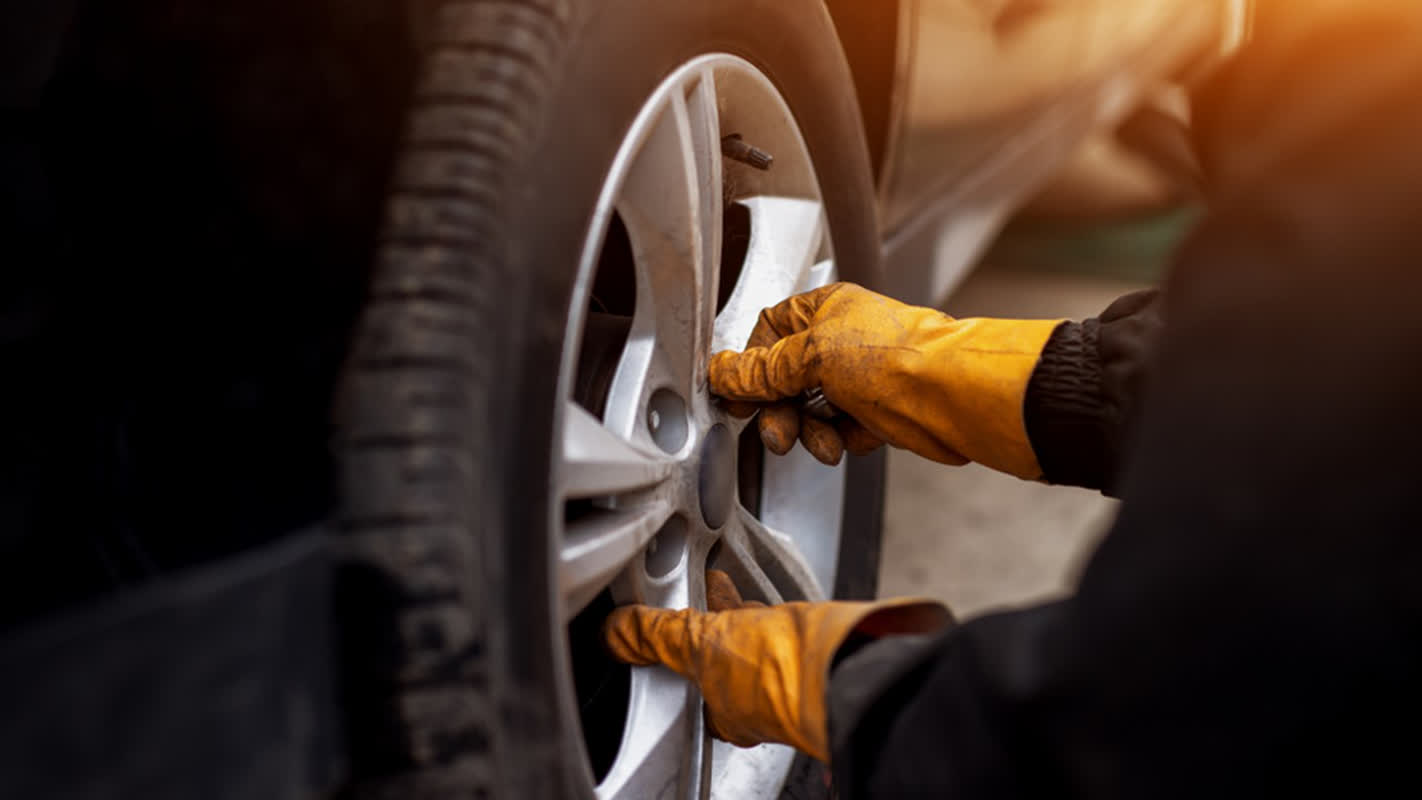
High-performance tires generally need replacement around every 10,000 km (≈6,200 miles), with more aggressive driving or track use shortening that interval. Tires for the 488 Spider Hybrid can cost roughly 1,000,000–2,000,000 KRW apiece (approximately $750–$1,500), so a full set typically runs 4,000,000–8,000,000 KRW (approximately $3,000–$6,000).
Brake pads and rotors are similarly expensive: a full brake-pad replacement can cost in the range of 3,000,000–5,000,000 KRW (approximately $2,250–$3,750), with rotors carrying comparable pricing. Routine fluids and filters—engine oil, coolant and others—also command premium service rates; a single oil change often exceeds 1,000,000 KRW (approximately $750).
Owners who drive aggressively or attend track days should budget for accelerated wear and correspondingly higher consumable costs.
Scheduled Inspections and Official Service-Center Costs
Ferrari recommends that the 488 Spider Hybrid be serviced at official dealerships and authorized service centers. Its complex electronic controls, hybrid powertrain and performance chassis require specialized diagnostic equipment and trained technicians—capabilities most general repair shops lack.
Official service centers offer comprehensive inspection programs, and Ferrari recommends one to two scheduled inspections per year. Even basic inspections can cost several million KRW (approximately several thousand USD) when labor and parts are included, and required replacements will push expenses higher.
Because Ferrari relies on certified parts and trained technicians, non-official repairs can void warranties and reduce resale value. That dependency makes factory-authorized servicing an unavoidable—and costly—aspect of ownership.
Regular inspections and factory servicing preserve the car’s peak performance and longevity; owners should view them as essential rather than optional.
Depreciation: Value Retention and the Used Market
The Ferrari 488 Spider Hybrid often exhibits relatively low depreciation compared with mainstream cars. Limited production runs, strong brand recognition and the appeal of an electrified powertrain can help certain models hold or even increase their value over time.
Where typical cars suffer steep depreciation in the first three to five years, the 488 Spider Hybrid tends to maintain more stable used-market prices thanks to supply constraints and steady demand among collectors and enthusiasts. The hybrid variant may have added appeal as the market shifts toward greener technology.
That said, resale value depends heavily on maintenance history, mileage, service records and option content. Cars with a consistent factory maintenance history and service performed at authorized centers generally command higher prices in the used market.
Overall, the 488 Spider Hybrid’s value-retention profile makes it an attractive option for buyers planning long-term ownership.
Other Ownership Costs for the Ferrari 488 Spider Hybrid
Beyond the primary maintenance items, owners face several ancillary costs, with storage and secure parking among the most significant.
Long-term outdoor parking is not recommended. Climate-controlled indoor storage or specialty facilities provide better protection and typically cost 500,000–1,000,000 KRW per month (approximately $375–$750).
Because hybrid systems can suffer battery discharge or degradation during prolonged periods of inactivity, owners should run the vehicle periodically or enroll in maintenance programs—both of which add to operating costs.
Participation in supercar clubs, track days and other ownership experiences introduces additional expense. Track events accelerate wear on tires and brakes and increase consumable replacement frequency, so owners should budget accordingly.
Accounting for these ancillary costs gives a clearer picture of the total cost of ownership for the Ferrari 488 Spider Hybrid.
Summary: Ownership Value and Total Cost of the Ferrari 488 Spider Hybrid
The Ferrari 488 Spider Hybrid occupies a unique place in the hybrid supercar segment, combining extreme performance with forward-looking electrified technology. While the purchase price and ongoing operating costs are high, the car delivers exceptional ownership satisfaction and a distinctive ownership experience.
Prospective owners should expect elevated fuel, insurance, maintenance, tax, consumable and storage costs, and should commit to authorized service centers and regular inspections. Given the complexity of the hybrid powertrain and advanced electronics, factory servicing and professional maintenance are essential.
Beyond mere transportation, the car represents craftsmanship, collector value and the pinnacle of current automotive technology. The elevated running costs are a significant barrier to entry, but many enthusiasts accept that trade-off for the brand prestige, driving experience and benefits of hybrid technology.
When weighing the 488 Spider Hybrid’s purchase price and running costs, the car best suits buyers with financial flexibility and a genuine passion for performance cars. With careful maintenance and support from authorized service centers, owners can enjoy top performance and long-term value.
Accurate, detailed information about the 488 Spider Hybrid’s price and running costs will help prospective buyers and enthusiasts make informed decisions. The true value of a supercar often depends as much on the care and experiences invested in ownership as on the initial purchase price.