As international oil-price volatility widens again, South Korea’s auto market is showing subtle shifts. Every time tensions in the Middle East raise doubts about crude supply, domestic gasoline prices jump and drivers feel the impact quickly.
Against that backdrop, electric vehicles are being reconsidered as an alternative. But when you combine market data and consumer feedback, EVs still look like a conditional choice rather than a full solution.
Interest in EVs spikes whenever oil prices rise
Industry sources say interest in EVs reliably increases during oil-price run-ups. The reason is straightforward.
Internal-combustion cars are directly exposed to international oil prices, while EVs run on electricity and therefore face less price volatility. Commuters with steady driving patterns see the savings most clearly.
Using Level 2 (slow) charging as a baseline, the cost per mile for the same trip typically falls well below that of a gasoline car. For that reason, EVs are revisited as an expense-avoidance option every time oil surges.
The upfront cost barrier — it’s expensive to get in
But the equation changes at the purchase stage.
The biggest entry barrier remains the upfront price. Many EVs carry higher sticker prices than comparable ICE models, and even with national and local subsidies buyers still feel the strain.
Uncertainty around battery replacement costs also makes some buyers hesitate. Battery durability has improved, but consumer confidence in long-term ownership costs isn’t fully established.
In short: operating costs can be lower, but the initial price remains a significant hurdle.
Charging infrastructure remains a real-world variable
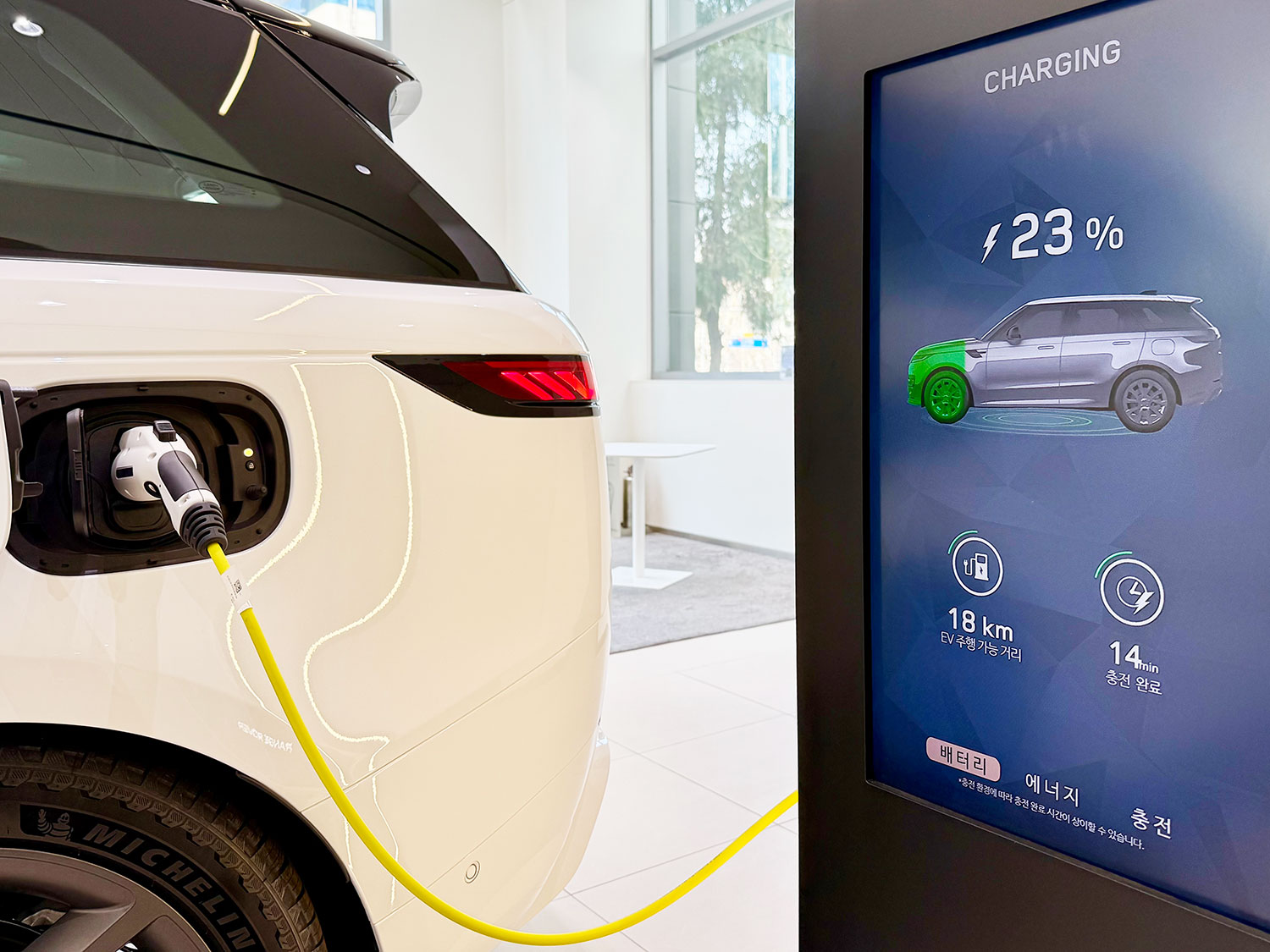
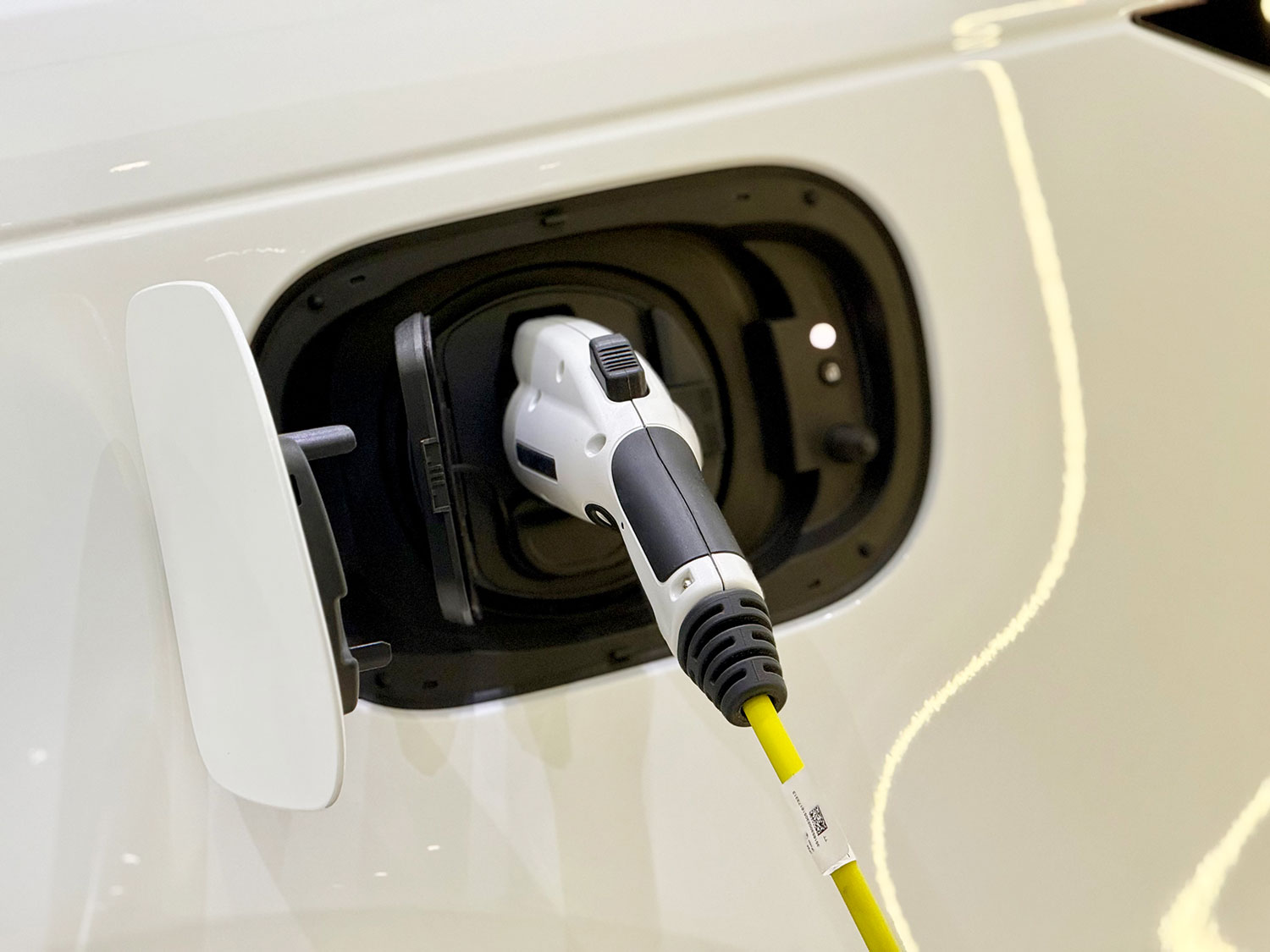
Access to charging is another key adoption factor. With a high share of apartment living in Korea, many drivers find it hard to secure a private charger. Heavy reliance on shared chargers creates persistent wait-time and accessibility problems.
On long trips, drivers must weigh charger locations, charging speeds and queue times. Unlike refueling a gas car in a few minutes, even fast charging can take tens of minutes.
That time cost is an important variable that simple fuel-price comparisons don’t capture.
Policy variables emerge — odd–even driving rules for public agencies, five-group parking rotations
As oil-price pressure has increased, national and local governments have moved to manage demand. Since the 8th, public institutions nationwide have operated under an odd–even driving rule, and public parking lots have used a five-group rotation.
Those measures aim to cut vehicle use, but eco-friendly cars like EVs are sometimes exempt, which affects consumer choices.
So beyond fuel savings, EVs gain appeal as a way to avoid driving restrictions.
No single right answer for everyone
There are clear cases where EVs make economic sense.
Drivers who can charge at home, commuters with predictable patterns, and fleets such as taxis and corporate cars that prioritize lower operating costs already see tangible savings with EVs.
By contrast, drivers who frequently do long-distance trips or lack charging access still face both inconvenience and added costs. That’s why satisfaction varies widely by use case.
The oil-driven distortion — a structural shift is still pending
Some industry observers view the current uptick as an oil-driven distortion.
EV demand does respond to oil prices in the short term, but declaring a structural market shift is premature given remaining uncertainties.
Challenges include battery raw-material costs, the country’s power-generation mix, and the pace of charging-infrastructure expansion. Automakers are accelerating EV lineups, but the market’s transformation remains a work in progress.
Half the solution — it comes down to conditions
EVs represent a meaningful alternative in an era of oil-price uncertainty. For drivers with predictable patterns and reliable charging, they can be a practical choice.
But high upfront costs, infrastructure limits and use-case variability mean EVs aren’t a universal answer.
At present, EVs look more like a partial solution — their value depends on the conditions.
As oil-price volatility continues, drivers’ choices increasingly come down to complex, case-by-case calculations.
▶ Turning to EVs because of fuel-price fear? The reality is a 'half solution'
▶ Cars evolving into 'mobile smartphones'… Harman unveils future tech
▶ BMW unveils planar hydrogen storage tech… iX5 Hydrogen targets 2028 production